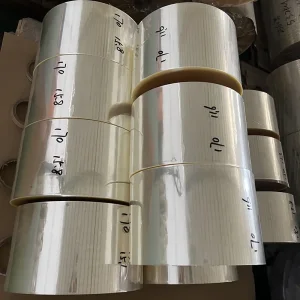
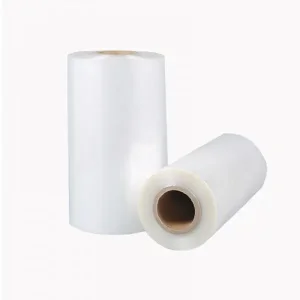
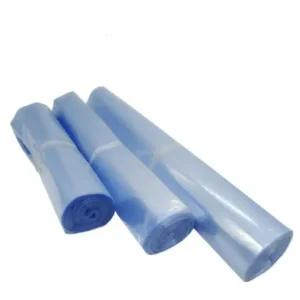
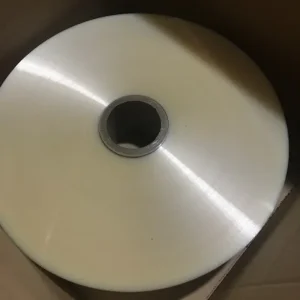
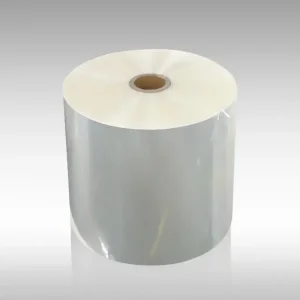
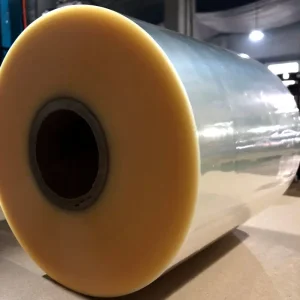
In the modern manufacturing and logistics landscape, flexible polymer films serve as critical protective, unitizing, and branding structures. Polyethylene (Polythene/PE) and Polyvinyl Chloride (PVC) represent the two foundational technical pathways in flexible packaging. Understanding their chemistry, thermal characteristics, and environmental performance is essential for global supply chain optimization.
As global commercial systems transition toward lean, automated production, the demands placed on packaging integrity have surged. Film performance is no longer measured solely by tensile strength; variables such as uniaxial/biaxial shrink tension, low-temperature sealability, optical transmission clarity, and barrier optimization dictate line speeds and waste reduction strategies.
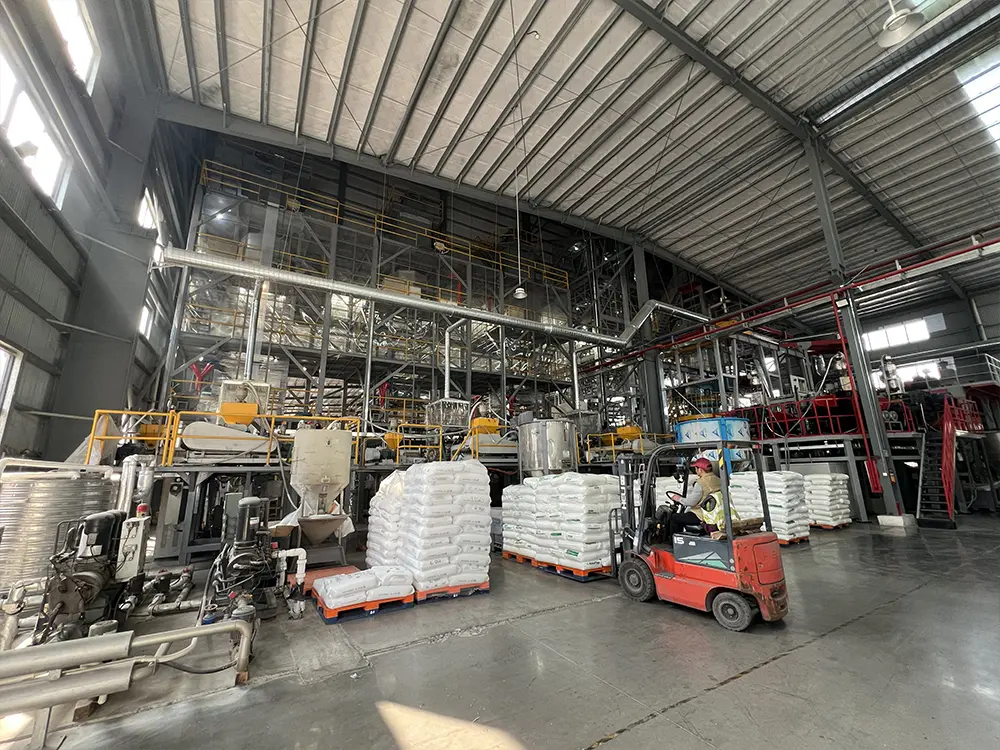
A One-Stop Integrated Packaging Material Procurement and R&D Platform Built on Two Decades of Professional Innovation
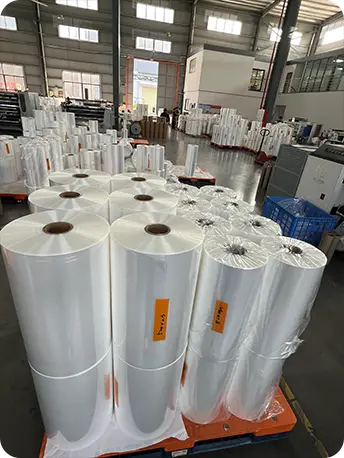
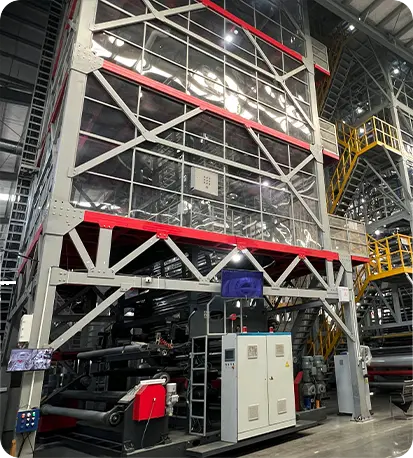
Established on a foundation of over 20 years of hands-on expertise in the film extrusion and polymer conversion industry, Zhongshan Tianchen New Materials Co., Ltd. acts as a comprehensive, technical partner for global brands and wholesale distributors. We address a core industry challenge: the fragmented procurement of high-performance technical films.
By merging direct factory manufacturing capacities with strategic partnerships, we guarantee that all products conform to precise dimensional tolerances, chemical profiles, and regional environmental mandates.
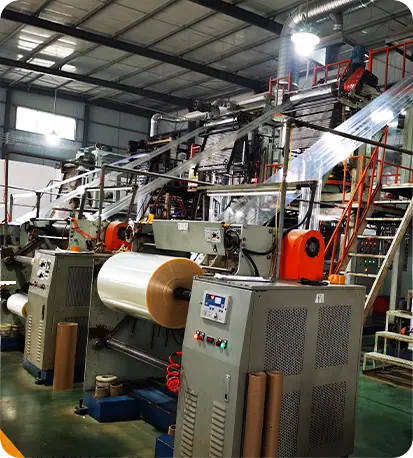
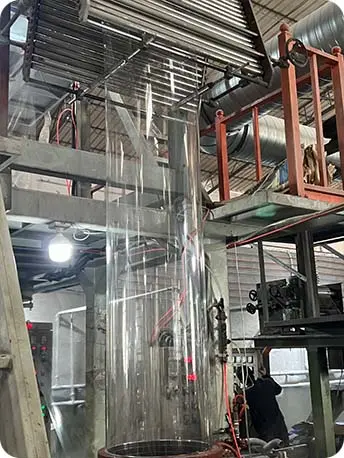
At Zhongshan Tianchen, our production facilities deploy modern control mechanisms to ensure batch-to-batch consistency. Our professional team monitors parameters like density, melt index, thickness variance, shrink velocity, and coefficient of friction (COF). This meticulous testing guarantees that our POF, PE, and PVC films operate without tearing on high-speed automatic wrapping machines.
By integrating supply chain assets across East Asia, we have created an efficient logistics structure that maintains low lead times for custom orders, whether they require UV-resistant masterbatches, micro-perforations, or custom printing.
A Technical Breakdown of Physical Properties, Application Scenarios, and Performance Thresholds
| Material Family | Common Types | Shrink Temp Range | Tensile Strength | Primary Advantages | Key Applications |
|---|---|---|---|---|---|
| Polythene (PE) | LDPE, LLDPE, HDPE | 150°C - 180°C | Moderate to High | Exceptional puncture resistance, chemical inertness, high moisture barrier. Suitable for heavy industrial loads. | Beverage multi-packs, transit pallets, heavy building materials. |
| Polyvinyl Chloride (PVC) | Rigid / Plasticized PVC | 80°C - 120°C | High Rigidity | Low shrink temperature, crisp aesthetics, excellent contouring properties. Extremely economical. | Printed labels, cosmetic bundling, CD/DVD wraps, mosquito coils. |
| Polyolefin (POF) | Co-extruded PE/PP | 120°C - 150°C | Very High | Multi-layer strength, food-contact grade, recyclable, no corrosive emissions during sealing. | Bakery items, fresh foods, retail toys, promotional twin-packs. |
How Modern Polymeric Solutions Adapt to Specific Regulatory, Climate, and Packaging Environments Globally
In highly regulated Western markets, packaging lines utilize high-speed wrapper equipment. We supply cross-linked POF and down-gauged PE films that withstand rapid thermal seal cycles. Compliance with REACH, RoHS, and food-grade directives is standard, ensuring smooth customs clearing and retail integration.
Humid, high-temperature climates require materials with excellent thermal stability to prevent premature shrinkage during transport or warehouse storage. Our specialized UV-stabilized PE shrink wraps protect heavy industrial pallets and beverage containers from breakdown under intense solar exposure.
For consumer goods requiring high shelf appeal, our PVC and POF films offer up to 60-70% shrinkage rates. This lets them wrap complex, asymmetrical packaging seamlessly. Advanced rotogravure and flexographic printing on our films yield vibrant, crisp brand presentations that catch the shopper's eye.
The plastic film industry is undergoing a structural shift driven by carbon-reduction goals and circular economy regulations. As a responsible manufacturer, Zhongshan Tianchen New Materials Co., Ltd. is leading this transition through key material innovations:
Leveraging Integrated Sourcing, Raw Material Access, and Automated Scaling in Zhongshan
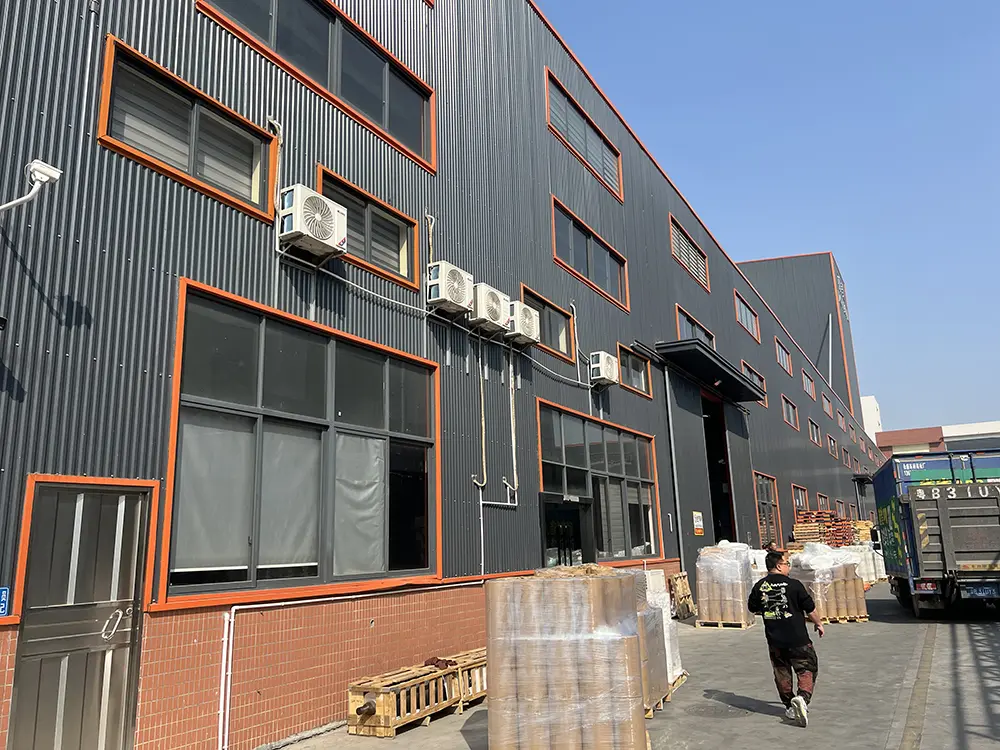
Located in the Pearl River Delta industrial hub, our factory benefits from immediate access to raw polymer suppliers, masterbatch formulators, and advanced logistics lanes. This keeps material input costs down and ensures high production stability.
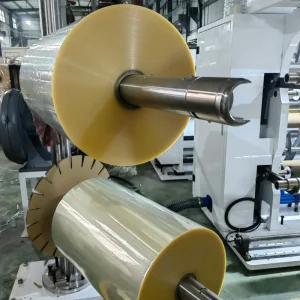
We utilize German-engineered multi-layer co-extrusion lines. High automation reduces labor costs, increases dimensional precision (thickness variance within ±3%), and ensures consistent melt parameters.
Proximity to major shipping ports like Nansha, Shenzhen, and Hong Kong allows for flexible logistics. We provide direct FOB, CIF, or DDP shipments, ensuring dependable delivery times to European, American, and Asian destinations.
Insights on Polymer Choice, Machine Settings, Storage Conditions, and Compliance
A: The choice depends on your packaging equipment, target aesthetics, and regional regulations. PVC shrink film is economical, shrinks at lower temperatures (80°C - 120°C), and offers high stiffness, making it ideal for books, CD/DVDs, and printed shrink sleeve labels. However, PVC can release trace hydrochloric acid byproducts when sealed, requiring adequate ventilation. POF (Polyolefin) is a multi-layer co-extruded film (typically PE and PP) that is highly puncture-resistant, eco-friendly, food-contact safe, and produces no corrosive odors when sealed. It requires slightly higher shrink temperatures (120°C - 150°C) but is widely preferred in regions with strict environmental regulations like North America and the EU.
A: Store these films in a temperature-controlled warehouse between 15°C and 25°C, away from direct sunlight, moisture, and heat sources. PVC is particularly sensitive to high temperatures; ambient heat above 35°C can trigger premature shrinkage, causing rolls to block (stick together). Keep film rolls suspended in their original packaging boxes on pallets to prevent flat spots from developing on the roll surface.
A: Down-gauging involves reducing the film's physical thickness while maintaining or enhancing its mechanical performance. We achieve this by blending advanced LLDPE (Linear Low-Density Polyethylene) metallocene resins in a co-extrusion process. This method aligns polymer chains to increase tensile strength and puncture resistance. This lets you replace a traditional 50-micron film with a high-performance 35-micron film, reducing material weight and shipping costs by up to 30% without risking packaging failures.
A: Yes. Our POF shrink films and specific PE film lines are manufactured using 100% virgin food-grade resins under strict cleanroom conditions. These products are fully compliant with FDA regulations for direct food contact and meet European Union directives (including REACH and RoHS). Detailed material specification sheets (MSDS) and compliance certifications are available for all wholesale shipments upon request.
A: Yes. We control the film's Coefficient of Friction (COF) by introducing precise amounts of slip and anti-block additives during the extrusion process. For high-speed packaging machines, a low COF (typically between 0.2 and 0.3) is needed to ensure the film glides smoothly over forming collars and metal parts. For heavy industrial pallet wrapping, a higher COF is often preferred to prevent stacked boxes from sliding during transport.
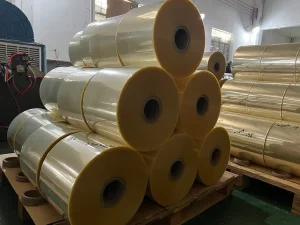
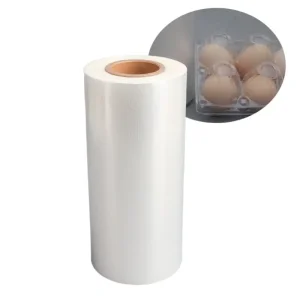
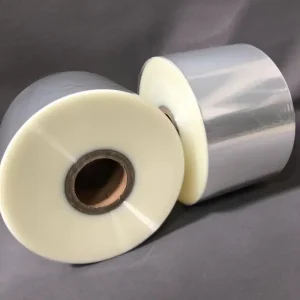
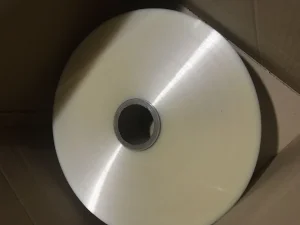
Explore our full range of specialty heat shrink packaging materials manufactured at our China facilities.
 Tianchen Materials