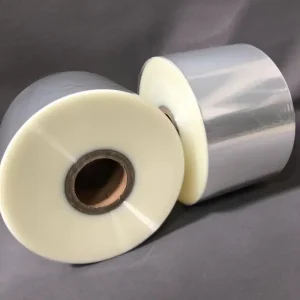
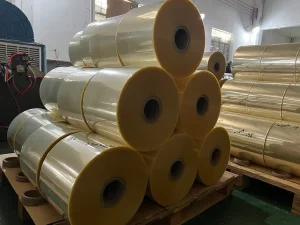
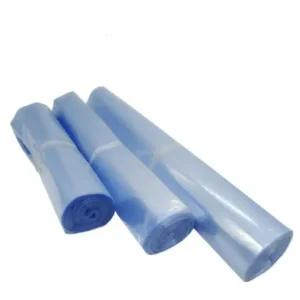
Explore our engineered line of CPP, OPP, POF, and PVC films designed for high-speed conversion, extreme seal strength, and customized barrier formulations.
The flexible packaging sector relies heavily on polyolefin chemistries to establish reliable seals, high barrier thresholds, and brilliant retail presentation. Here we examine the engineering principles separating Cast Polypropylene (CPP) and Oriented Polypropylene (OPP).
Cast Polypropylene (CPP) is an unoriented packaging film produced via a cast extrusion process. This yields a material known for its excellent tear resistance, high impact toughness, and low heat sealing temperature threshold. Because it has not been stretched like its oriented counterparts, CPP retains high elasticity and heat-seal strength, making it the premier choice for inner sealant layers in multi-layer laminates.
Key properties include high heat resistance (making it suitable for sterilization and retort applications up to 121°C), superb puncture resistance, and outstanding sealing performance on high-speed vertical and horizontal form-fill-seal (VFFS/HFFS) equipment.
Oriented Polypropylene (OPP) or Biaxially Oriented Polypropylene (BOPP) undergoes a transverse and machine-direction stretching process. This molecular alignment significantly increases the material’s tensile strength, optical clarity, stiffness, and water vapor barrier performance (WVTR).
When utilized for heat sealing, OPP films are generally co-extruded with lower-melting-point copolymers or coated with specialized sealing agents. This allows operators to leverage the high tensile strength and gloss of OPP on the outer surface, while forming quick, robust thermal seals on the contact layers.
| Performance Characteristic | Cast Polypropylene (CPP) | Oriented Polypropylene (OPP/BOPP) | Key Application Matrix |
|---|---|---|---|
| Tensile Strength (MD) | 20 – 40 MPa | 120 – 200 MPa | OPP is ideal for high-tension winding and wrapping lines. |
| Seal Initiation Temperature (SIT) | 105°C – 125°C | 110°C – 130°C (Co-extruded) | CPP yields a broader sealing window at lower temperatures. |
| Haze & Optical Clarity | Moderate (2.0% – 4.0%) | Ultra-Low (0.5% – 1.8%) | OPP provides superior retail presentation and gloss. |
| Puncture & Tear Resistance | Excellent (Highly ductile) | Low (High stiffness, propagates tears easily) | CPP is required for sharp, heavy, or bulky food items. |
| Moisture Barrier (WVTR) | Moderate (~8-10 g/m²/24h) | Excellent (~3-5 g/m²/24h) | OPP prevents dehydration and dry food oxidation. |
Zhongshan Tianchen New Materials Co., Ltd. – Your One-Stop Packaging Material Procurement Platform.
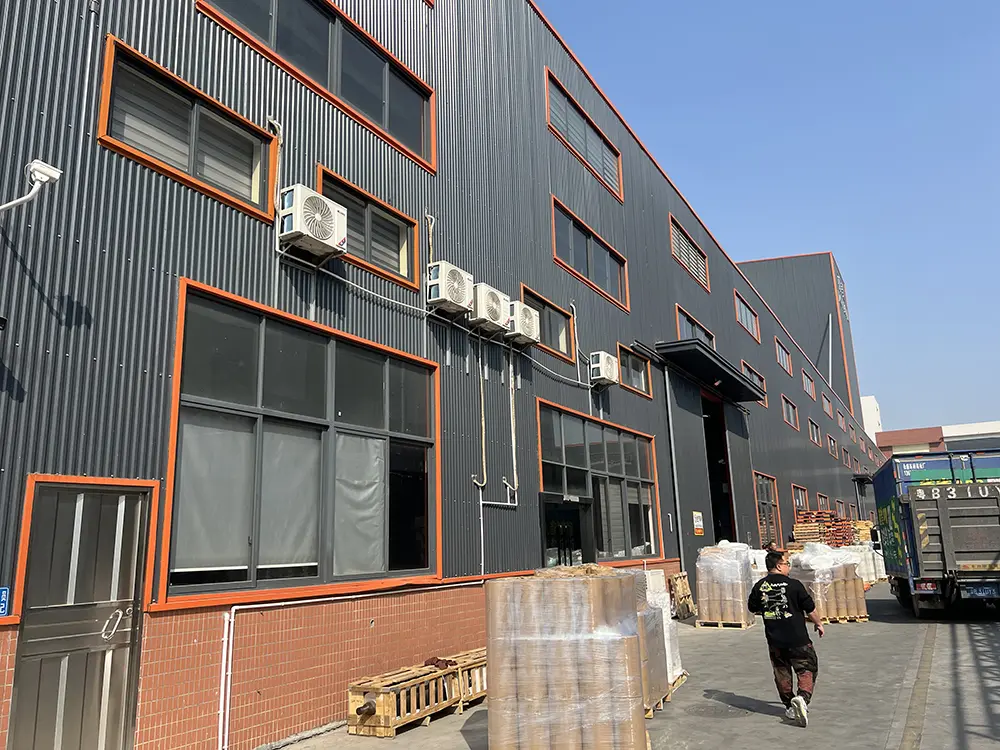
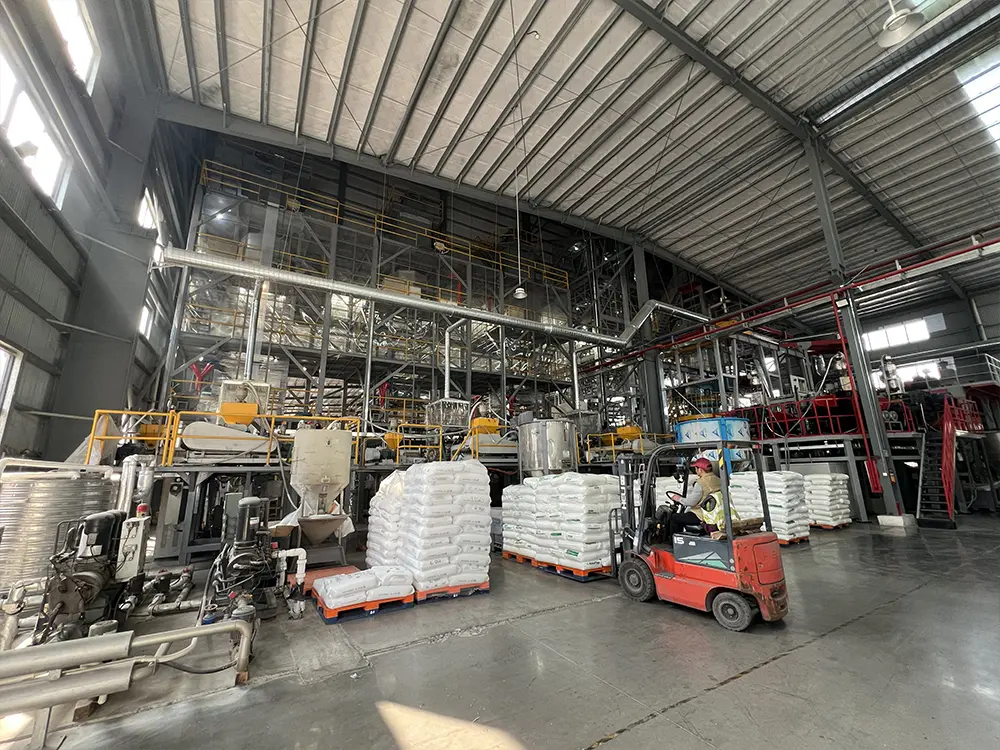
Established on the foundation of extensive industry experience, Zhongshan Tianchen New Materials Co., Ltd. is a comprehensive packaging platform with over 20 years of experience in the film packaging industry. Driven by a commitment to resource integration and customer-specific solutions, Tianchen ensures that it offers the finest film formulations for diverse packaging applications globally.
We work to eliminate inefficiencies in packaging sourcing. By maintaining a centralized hub of high-performance polymer solutions (including CPP, OPP, PVC, and POF films), we offer procurement managers a streamlined pathway from initial material design to final logistics delivery.
At Tianchen, quality control is paramount. Our professional production, R&D, and sales teams implement a modern quality control system ensuring all products meet strict global standards. This commitment, combined with our large-scale output capacity, has garnered significant trust from international customers.
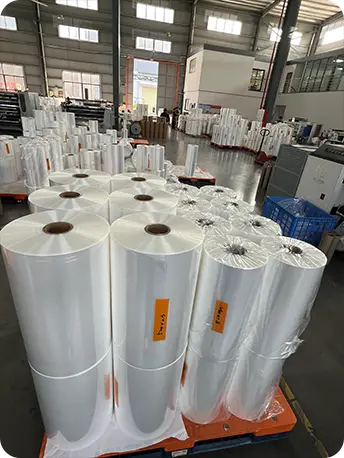
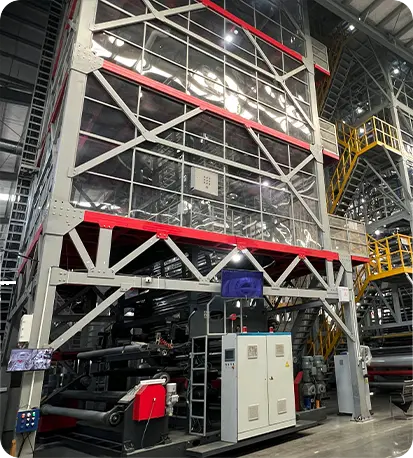
Tianchen stands out as a reliable partner. We combine decades of industrial expertise with eco-friendly product developments to deliver the best solutions. From custom-width heat shrink films to high-barrier laminates, we reduce vendor complexity by supplying all materials from one reliable origin.
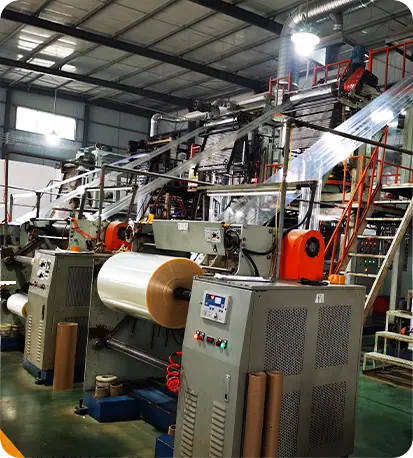
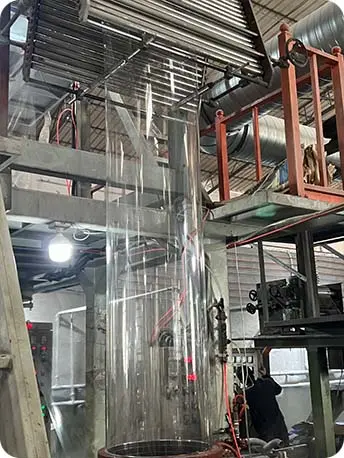
The global supply chain for flexible polymers is heavily centered in China. As a major production hub, Chinese manufacturers offer distinct structural advantages in raw material access, machinery, and customization scale.
China features an expansive petrochemical supply chain with reliable domestic access to polypropylene resins. Large-scale domestic production of homopolymers and random copolymers minimizes raw material transport costs and insulates overseas buyers from localized market price shocks.
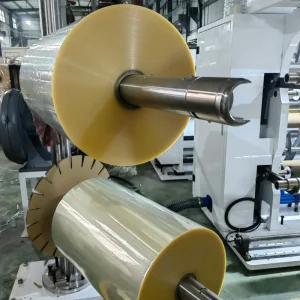
Leading manufacturers in China utilize advanced multi-layer Bruckner extrusion lines. These machinery setups guarantee high-precision thickness tolerances (often down to ±3%), uniform surface tension (dyne levels >38), and extremely consistent heat seal properties.
Unlike rigid Western manufacturing setups, Chinese factories excel at producing short-run custom formulations. Whether you require specific low seal initiation temperatures, customized slip agents, anti-fog coatings, or antibacterial additives, factories adapt production runs quickly to fit client requirements.
The flexible packaging landscape is transitioning toward sustainable, high-barrier, and automation-friendly structures. Manufacturers are heavily investing in next-generation material formulations.
Replacing complex multi-material films with all-PP recyclable structures to meet environmental mandates.
Ultra-low seal initiation temperatures allow packaging machines to run up to 40% faster without heat defects.
Integrating antimicrobial food-safe layers to extend shelf life for fresh products and bakery items.
Optimizing metallized (VMCPP) layers to drive water and oxygen transmission rates to near-foil levels.
Applying deep polymer processing knowledge to optimize raw material yields and film clarity.
CPP and OPP heat seal films serve a wide cross-section of primary packaging systems. Selection depends closely on mechanical stress, shelf-life requirements, and processing temperatures.
Utilizes co-extruded OPP/CPP structures. The outer OPP provides excellent printability and high slip properties (COF < 0.25) to slip cleanly through food wrapping lines, while the inner CPP seal layer provides robust hermetic joints that prevent moisture ingress for cookies, breads, and dry foods.
CPP forms the structural baseline for packaging that must undergo high-pressure retort sterilization. Specialty retort grade CPP films are designed to survive thermal sterilization processes up to 121°C or 135°C without suffering polymer delamination or seal failures.
High-clarity OPP serves as the primary wrap for luxury items, stationery, and household chemicals. Shrinkable PVC and POF formulations are deployed alongside OPP wrap to conform perfectly around high-profile daily objects like tape rolls and mosquito coil packages.
To safeguard brand reputation and prevent costly plant downtime, global buyers must assess technical capability and quality controls rather than evaluating on unit price alone.
1. Direct Resin Sourcing and Batch Traceability: Verify that your packaging manufacturer sources raw resins directly from reputable petrochemical producers (e.g., Sinopec, Sabic, ExxonMobil). Request detailed certificates of analysis (COA) for every raw material batch, showing consistent density, melt flow index (MFI), and molecular weight distribution.
2. Advanced Laboratory Verification: A reputable manufacturer must feature in-house testing equipment. Your supplier's lab should regularly verify film performance using gas chromatography (for solvent residue), electronic tensile testers (for seal strength and elongation), and differential scanning calorimetry (DSC) to pinpoint the exact melting behavior of copolymer seal layers.
3. Compliance and Clean Room Operations: For pharmaceutical, cosmetic, and food-contact packaging, ensure the factory operates clean rooms certified to ISO Class 7 or 8. Material certifications must include FDA food-grade clearance, EC 1935/2004 compliance for EU operations, and RoHS/REACH environmental compliance.
Our polymer chemists and technical engineers answer critical structural questions regarding CPP and OPP performance.
Discover our specialized shrink and functional barrier films, manufactured to stringent dimensional stability and clarity standards.
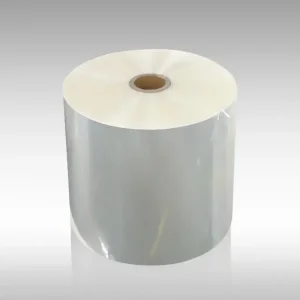
 Tianchen Materials