🎯 Application
🛡️
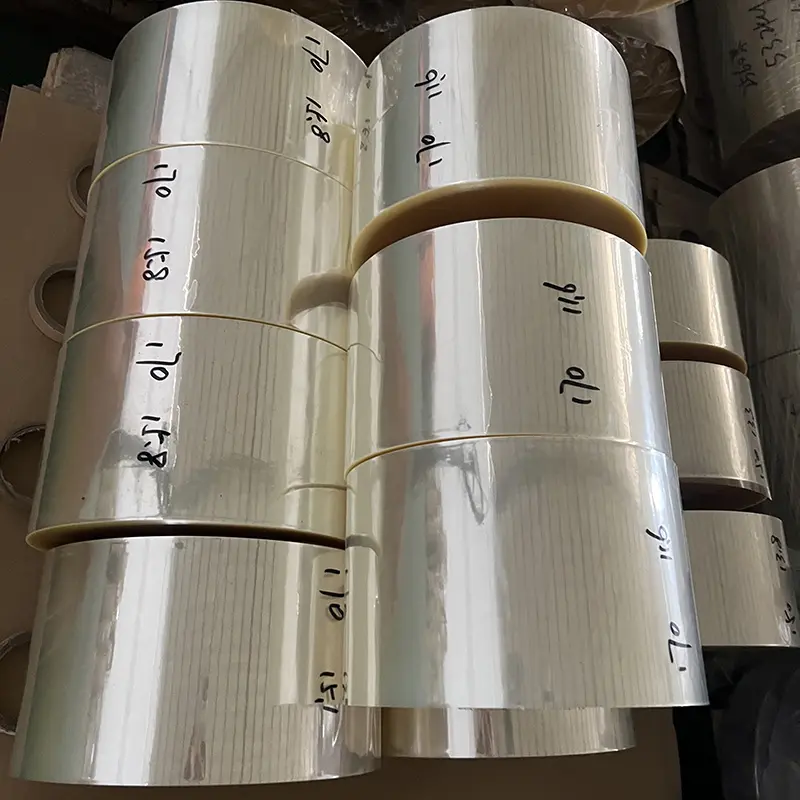
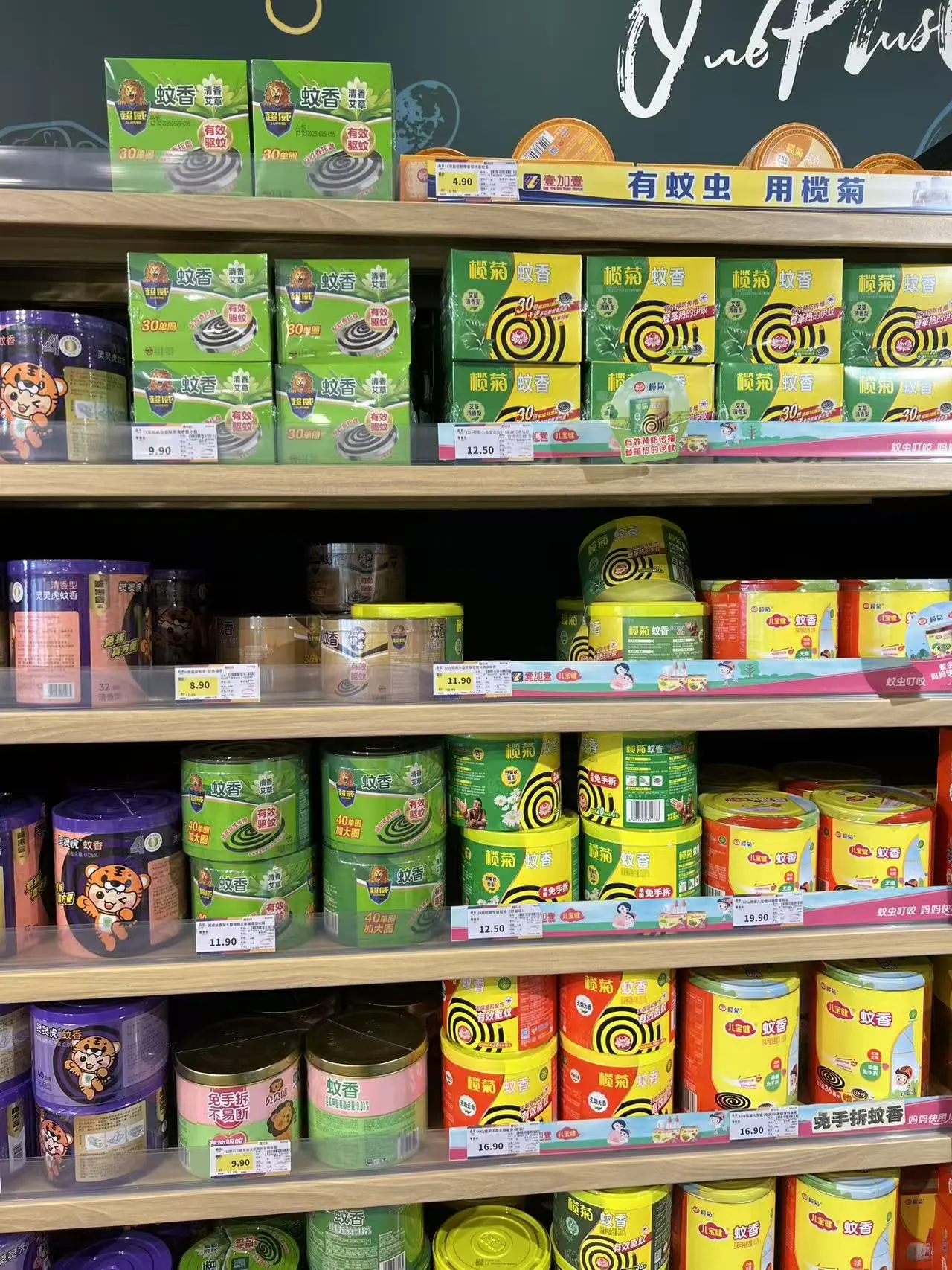
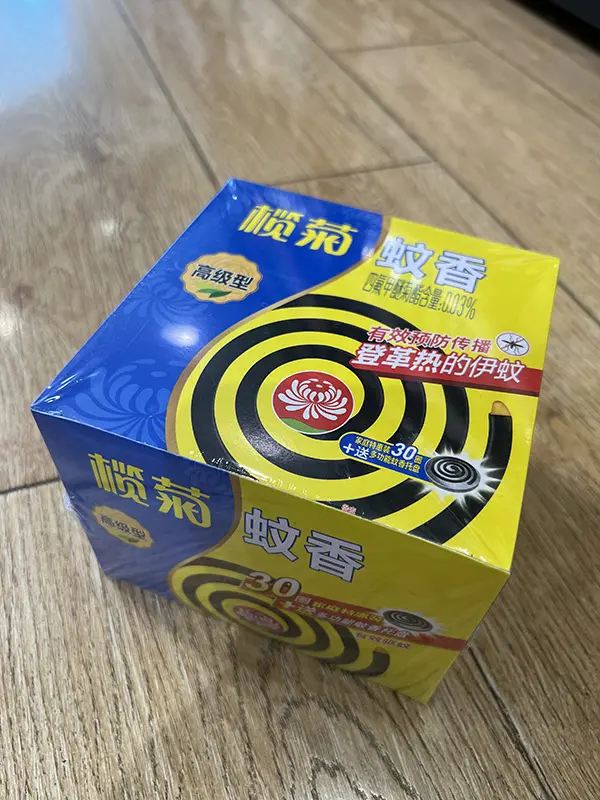
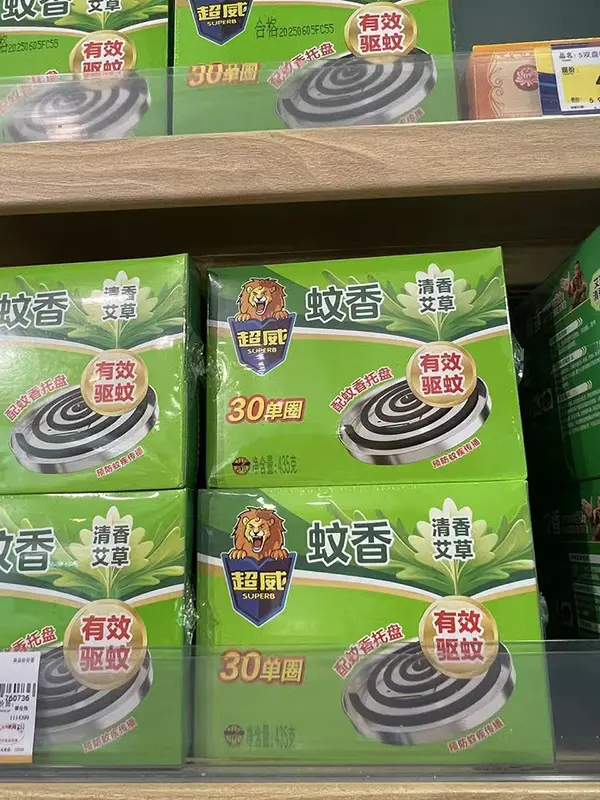
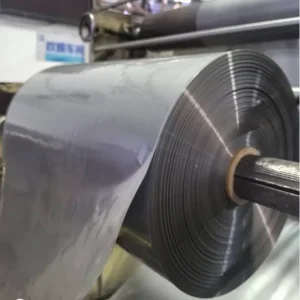
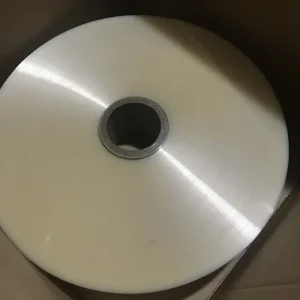
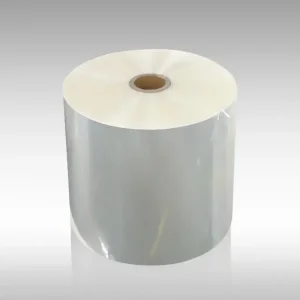
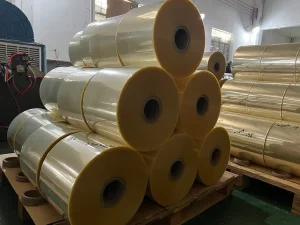
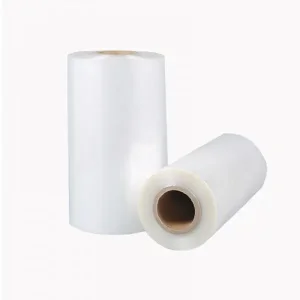
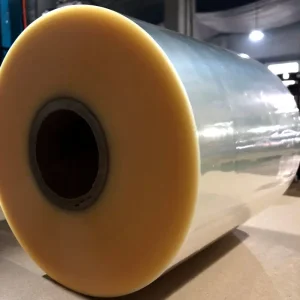
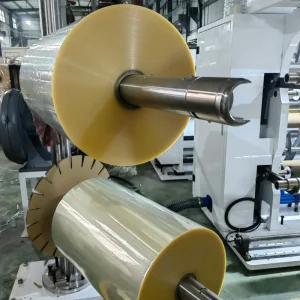
Traditionally and actually, PVC shrink films are used in lots of industries because they're tough and durable, helping products stay in good shape. But now, they've crafted a new version specifically for mosquito-repellent incense sticks and coils. This means the packaging isn't just about looks - it actually helps keep the product its best, making sure the active ingredients stay effective for longer, and the incense remains fresh and reliable. So PVC shrink film is very popular for packaging mosquito coils.
❓ Frequently Asked Questions
Q
What is the typical shrinkage rate of this PVC shrink film?
This PVC shrink film offers a TD (transverse direction) shrinkage of 50% and an MD (machine direction) shrinkage of 25%, providing excellent conformability around various product shapes such as mosquito coils and incense sticks.
Q
At what temperature does the PVC shrink film activate?
The shrink temperature range for this PVC film is 90°C to 150°C, making it compatible with standard heat tunnel packaging equipment used in most industrial packaging lines.
Q
What width and thickness options are available?
The film is available in widths ranging from 300mm to 600mm, with a thickness of 17 - 18 microns. This makes it suitable for a variety of packaging sizes and formats.
Q
Why is PVC shrink film specifically recommended for mosquito coil packaging?
PVC shrink film is specially formulated to preserve the active ingredients in mosquito-repellent incense products. It creates a tight, protective seal that keeps the product fresh, prevents moisture ingress, and ensures the incense remains effective over a longer shelf life.
Q
What is the density (proportion) of this PVC shrink film?
The density of this PVC shrink film is 1.4 g/cm³, which is a standard value for PVC materials, indicating good structural integrity and consistent performance during the shrinking process.
Q
Can this PVC shrink film be used in industries other than mosquito coil packaging?
Yes. PVC shrink films are widely used across many industries due to their toughness and durability. They are commonly applied in food packaging, beverage labeling, cosmetics, electronics, and other consumer goods where protective, tamper-evident, and visually appealing packaging is required.
 Tianchen Materials