Precision engineered shrink films, barrier sheets, and protective overlays direct from our state-of-the-art facilities.
An authoritative breakdown of Oriented Polypropylene polymer configurations for industrial procurement
In modern packaging design, Oriented Polypropylene (OPP) represents one of the most mechanically robust and structurally versatile thermoplastics. From a polymer chemistry perspective, OPP is created by stretching polypropylene film both machine-directionally and cross-directionally during extrusion. This molecular orientation aligns the polymer chains, dramatically increasing the material’s tensile strength, optical clarity, and gas barrier efficiency. For packaging engineers, selecting between standard OPP, biaxially oriented polypropylene (BOPP), and cast polypropylene (CPP) is crucial to system performance.
When engineering high-speed form-fill-seal (FFS) systems, the Coefficient of Friction (CoF) of the OPP layer becomes a primary performance metric. Low CoF profiles (typically between 0.20 and 0.30) prevent drag and film-stretching on high-speed automated packaging lines, ensuring smooth sealing without structural micro-fractures. In multi-layer co-extrusion setups, OPP acts as the core substrate, often laminated with polyethylene (PE) for heat-sealability or metallized with aluminum (Alu) to achieve optimal gas barrier performance against oxygen intrusion.
Analyzing procurement dynamics, supply chain risks, and vendor evaluation frameworks for bulk purchasing
Relying on single-source suppliers exposes brands to raw material cost spikes. Modern procurement strategies utilize distributed sourcing models, selecting manufacturers with access to multi-regional resin pools to stabilize supply margins.
Verify compliance certificates at the resin source. High-grade OPP must carry FDA-compliant food contact certification, EU chemical framework clearance (REACH), and ISO 9001/ISO 22000 manufacturing standards.
Down-gauging is transforming film procurement. Standardizing on thinner, tougher films (e.g., swapping 25-micron films for 18-micron oriented alternatives) reduces overall plastic usage, lowers transport freight costs, and minimizes tax liabilities.
Global logistics volatile periods require packaging procurement directors to maintain structural buffer inventories. Working with a dedicated manufacturing partner like Zhongshan Tianchen New Materials Co., Ltd. allows companies to lock in raw material prices through blanket purchase orders while maintaining weekly or bi-weekly JIT (Just-In-Time) shipping frequencies. This approach reduces warehousing costs while keeping production lines supplied during transit delays.
Your One-Stop Packaging Material Procurement Platform built on decades of industry-leading innovation.
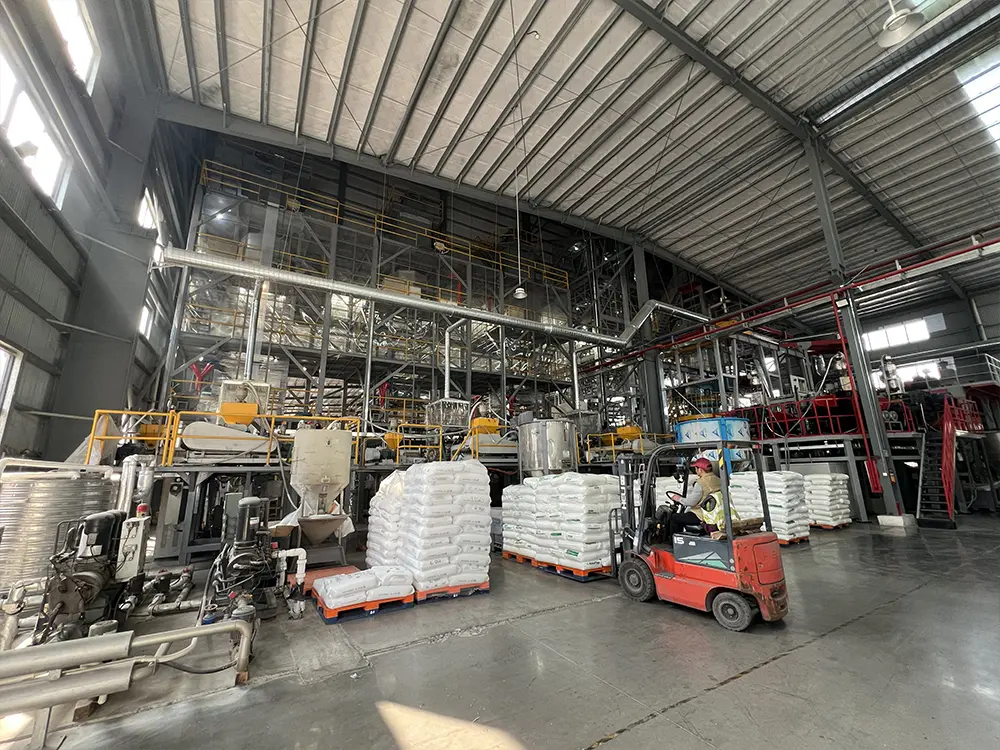
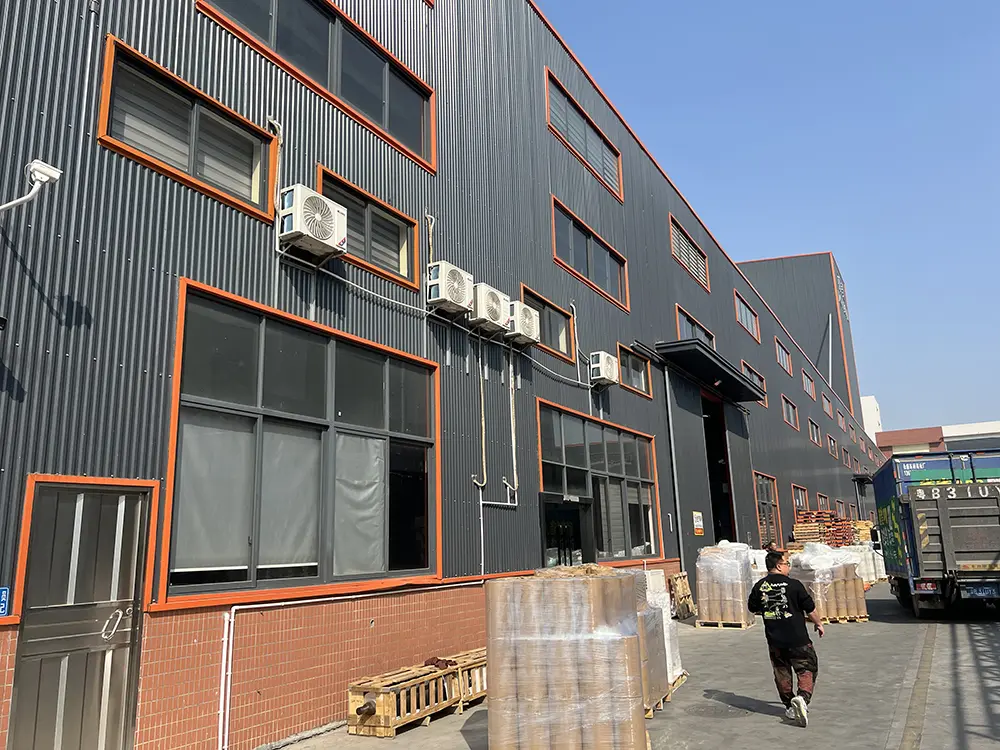
Zhongshan Tianchen New Materials Co., Ltd. is a comprehensive one-stop packaging material procurement platform established on the foundation of more than 20 years of experience in the film packaging industry. Driven by a commitment to resource integration and addressing customer needs, Tianchen ensures that it offers the finest solutions for diverse packaging requirements across various international industries.
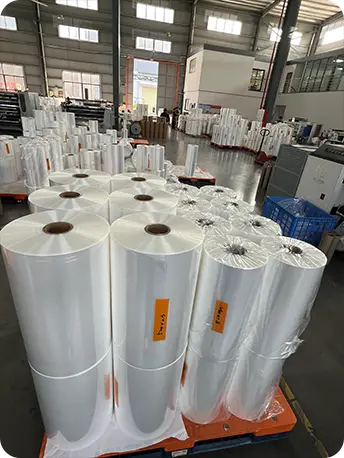
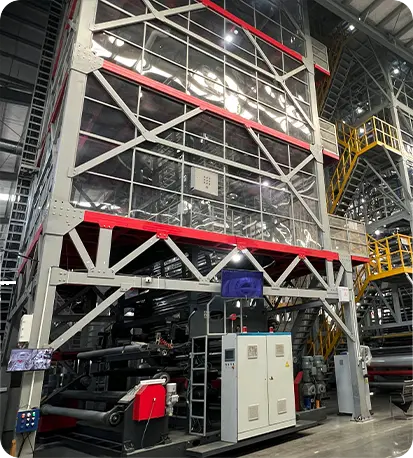
At Tianchen, we have professional production, research and development, and sales teams, ensuring quality control is prioritized at every stage of the manufacturing cycle. Our modern quality control system guarantees all finished products meet our clients' rigorous specifications. This commitment to quality, combined with large-scale production capabilities, has garnered significant favor and trust from global customers. The company's experienced professionals continuously innovate and improve product offerings, ensuring that they always deliver the best to their clients.
In a competitive marketplace, Zhongshan Tianchen New Materials Co., Ltd. stands out as a reliable partner for all your packaging material needs. As a one-stop packaging material procurement platform, Tianchen combines decades of industry expertise with a passion for quality and customer satisfaction. Whether you need eco-friendly heat shrink films or durable labeling solutions, Tianchen is here to provide the best in the industry.
Tailoring film performance parameters to specific target industries and handling conditions
A major packaging failure during shipment can damage a brand’s market reputation. OPP material applications require customization based on environmental factors, handling systems, and regulatory environments. Below is how we tailor packaging solutions to key macro-industries:
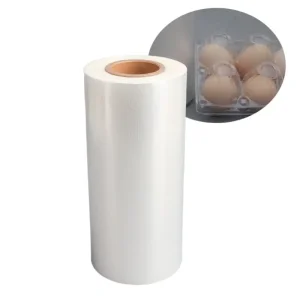
Fresh produce packaging requires gas permeability to prevent moisture buildup and product spoilage. Our hot perforation POF and OPP shrink films are engineered with micro-perforation networks, allowing controlled respiration rates that keep eggs, fresh fruits, and bakery items fresh while preventing mold growth.
High-volume consumer goods packaging lines require consistent film thickness to maintain heat-sealing speeds. Our cross-linked POF and OPP structures are designed to shrink evenly at lower tunnel temperatures, minimizing energy consumption and preventing heat damage to product labels or retail containers.
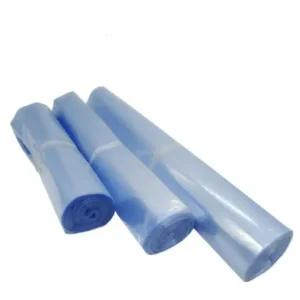
Heavy industrial components require puncture resistance and moisture barrier protection. Our high-tensile, heavy-gauge POF shrink wraps and PVC shrink film sleeves are formulated to withstand rough transit conditions, preventing dust contamination and moisture ingress during shipping.
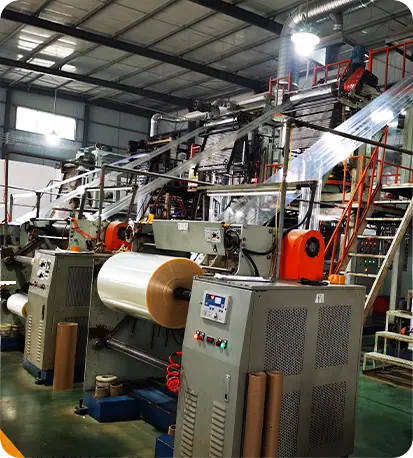
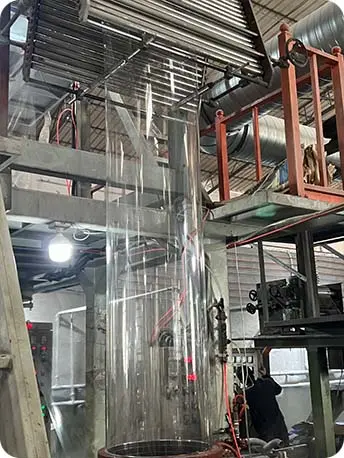
In addition to film extrusion, we offer downstream converting services, including multi-color flexographic printing, slitting, and center-folding. This allows global procurement managers to source finished, production-ready films from a single vendor, cutting down on lead times and reducing raw material waste.
How next-generation polymer structures are aligning with international environmental regulations
The global packaging sector is undergoing a rapid transition toward a circular economy model. With strict carbon-border adjustment mechanisms and regional plastic tax regulations coming into effect, the packaging films of tomorrow must balance high barrier performance with ease of recycling. Our development team focuses on three core pillars:
Traditional multi-layer films combining polyester, nylon, and polyethylene are difficult to recycle because separating the layers is chemically complex. We are focusing on all-polypropylene (PP) and all-polyethylene (PE) laminates. By using specialized orientation processes and high-efficiency barrier coatings, these mono-material structures match the oxygen and moisture barriers of composite films while remaining compatible with standard recycling streams.
Integrating recycled polymers into high-clarity films requires advanced resin sorting and filtration technologies. We are testing co-extruded films with high-purity PCR content in the core layer, protected by virgin polymer skin layers. This enables brands to incorporate recycled content without sacrificing film strength, clarity, or food-contact safety compliance.
Material reduction remains one of the most effective ways to lower environmental impact. By adjusting molecular weight distributions during resin synthesis, we can produce thinner films (under 12 microns) that offer the same puncture resistance and tensile strength as traditional 15-to-19 micron films.
Frequently asked questions answered by our engineering and logistics specialists
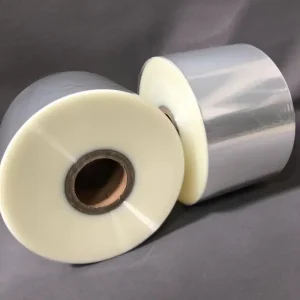
Oriented Polypropylene (OPP) is typically used for clear bags, food wrapping, and lamination layers due to its rigidity, high clarity, and moisture barrier properties. Polyolefin (POF) is a highly flexible, durable, co-extruded material that shrinks uniformly around products when heated. While OPP is ideal for rigid wrapping, POF is the industry standard for heat-shrink bundling and multi-pack consumer goods packaging.
Fresh foods like eggs, fruits, and bread release moisture and gases. Sealed, non-perforated film traps this condensation, creating a humid microclimate that accelerates mold and bacteria growth. Hot perforation punctures clean, microscopic holes in the film, allowing excess moisture to escape while maintaining a protective barrier against external contaminants.
Our raw materials and finished films undergo third-party testing to ensure full compliance with FDA guidelines for direct food contact. We also comply with European REACH chemical regulations, RoHS directives for electronic packaging components, and maintain ISO 9001:2015 quality management certifications at our main production plants.
Under ideal storage conditions (cool, dry spaces out of direct sunlight, with temperatures between 15°C and 25°C and relative humidity around 50-60%), our films have an active shelf life of 12 to 18 months. Storing films in high temperatures can lead to premature shrinkage or blocking, while excessive humidity can degrade anti-static coatings.
Explore our specialized shrink wrapping films, protective covers, and packaging solutions designed for automated lines.
 Tianchen Materials