Industrial-Grade Vinyl Solutions: Engineered for Durability, Flexibility, and Worldwide Compliance
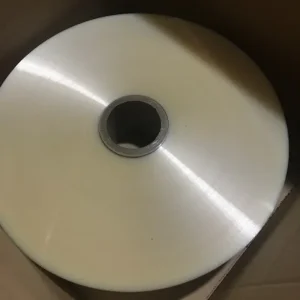
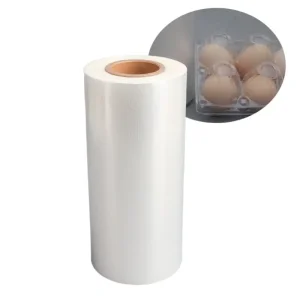
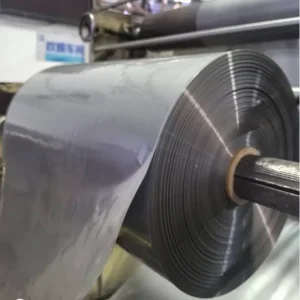
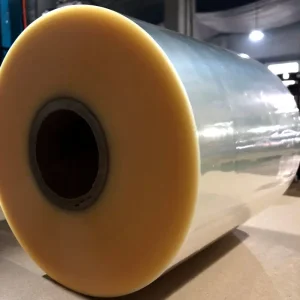
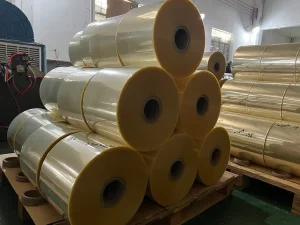
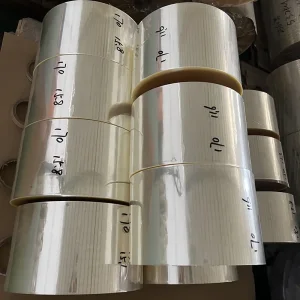
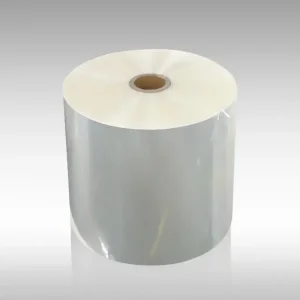
Flexible Polyvinyl Chloride (PVC) stands as a foundational polymer in the global industrial economy. Characterized by high plasticity, mechanical tensile strength, and optical clarity, soft PVC film is utilized extensively across diverse supply chains. Its applications range from heavy-duty industrial curtains to electrical insulating barriers, automotive gaskets, and sterile medical packaging. The material’s intrinsic adaptability is derived from the molecular structure of the PVC chain, which when combined with tailored plasticization schemes, delivers unparalleled elasticity and impact resistance.
Modern manufacturing processes require strict control over material attributes. Engineers look for key performance criteria like elongation at break (>250%), shore hardness (typically ranging from 60A to 90A depending on the application), dynamic tear resistance, and thermal operating ranges (-30°C to +70°C). By adjusting polymer formulation matrices, developers can modify characteristics such as UV degradation resistance, anti-static discharge rates, and flame retardancy to align with global regulatory frameworks.
The international demand for soft PVC film is increasingly shaped by environmental standards. Manufacturers must transition toward non-phthalate plasticizers (such as DOTP or bio-based solutions) to ensure compliance with REACH, RoHS, and California Proposition 65. Navigating these requirements demands deep raw material knowledge and precise control of the heat extrusion and calendering lines. This level of quality management minimizes the risk of plasticizer migration and volatile organic compound (VOC) outgassing, ensuring safety in consumer-facing environments.
Exploring the evolution of polymer chemistry, advanced extrusion technology, and sustainable manufacturing workflows that shape the future of flexible vinyl packaging materials.
Introduction of automated beta-ray thickness detectors to control film gauge variance within ±2%. This optimization ensures consistency across high-speed packaging runs, reducing film tearing during industrial wrapping.
Transitioning from traditional orthophthalates to bio-based plasticizers (derived from epoxidized soybean oil) and DOTP. This phase addresses toxicological concerns while maintaining flexibility and thermal stability down to -30°C.
Developing co-extruded structures combining soft PVC with barrier layer resins. This approach enables films to deliver improved puncture resistance, UV blocking, and gas barrier properties for agricultural and long-term industrial storage applications.
R&D initiatives focused on chemical recycling compatibility and the deployment of bio-synthesized PVC. The goal is to establish closed-loop material recycling streams, drastically reducing carbon emissions across the packaging lifecycle.
In cold logistics centers across North America and Europe, specialized anti-freeze soft PVC strip curtains are critical components. Formulated with low-temperature plasticizers, these films remain flexible at sub-zero temperatures, blocking heat exchange and airborne contaminants while allowing personnel and machinery to pass through. This provides measurable energy conservation for large refrigeration facilities.
The global automotive sector uses custom-embossed soft PVC film for console linings, door panels, and sun visor wraps. These films require high thermo-forming performance, minimal fogging value (limiting VOC release on windshields), and excellent resistance to ultraviolet rays to prevent discoloration and surface cracking over the vehicle's operational lifecycle.
In intensive cultivation environments, soft PVC greenhouse films provide effective light transmission and thermal retention. Formulated with agricultural-grade UV inhibitors and anti-dripping agents, these films help maintain stable internal temperatures and prevent condensed water droplets from blocking light transmission or damaging delicate crops.
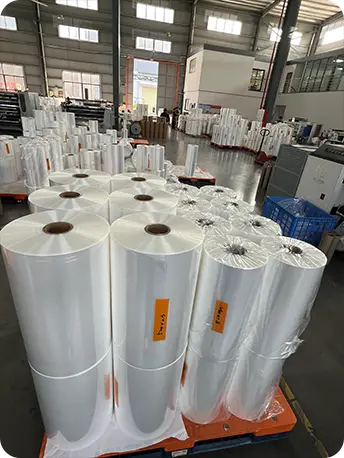
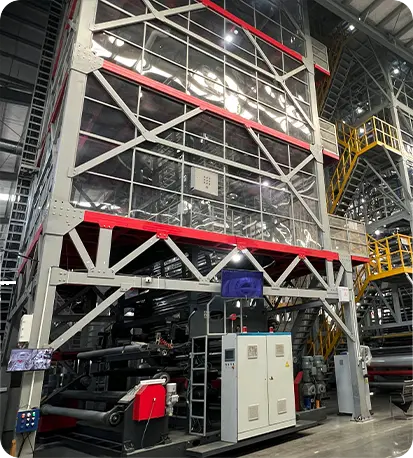
Established on the foundation of more than 20 years of hands-on experience in the film manufacturing and packaging industry, Zhongshan Tianchen New Materials Co., Ltd. functions as a comprehensive, integrated procurement platform. Our operational philosophy is built on technical expertise and a commitment to integrating resources to meet the changing demands of our global customers.
By coordinating feedstock supply, modern formulation design, and high-efficiency extrusion lines, we deliver reliable solutions for both simple packaging and demanding technical applications. This integration helps minimize supply chain volatility and ensures uniform quality across every production run.
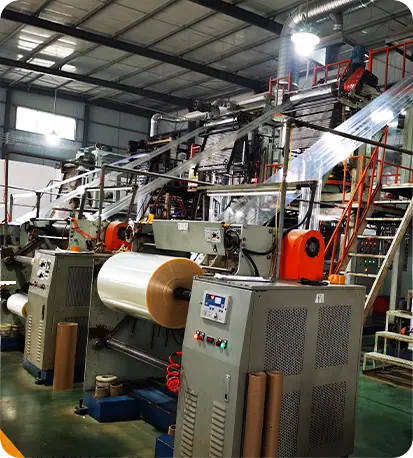
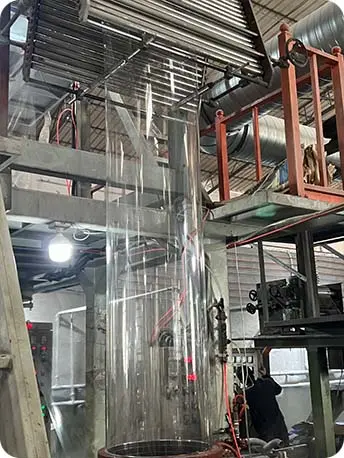
Quality control is central to our production methodology. Zhongshan Tianchen relies on a professional R&D and sales team to implement a multi-stage testing process. From checking incoming raw polymer resins to examining physical characteristics like tensile strength, optical haze, and thermal shrinkage, each production batch is carefully verified.
This commitment to quality, backed by scalable manufacturing operations, has helped us build long-term partnerships with buyers worldwide. Our engineering team continuously refines polymer blends to improve durability, clear optical properties, and environmental compliance, ensuring our products perform consistently in your packaging machinery.
Our strategic location within Southern China’s petrochemical manufacturing hub provides direct, stable access to PVC resin bases, plasticizer compounds, and specialized additive packages. This geographical proximity reduces raw material transport times and insulates our customers from sudden global supply fluctuations, enabling stable, predictable pricing structures.
By utilizing automated calendering machines and computerized slitters, we maintain continuous production operations. This setup allows us to process custom orders quickly—handling transitions in thickness, width, and surface properties within short lead times that are difficult for smaller facilities to match. Our logistical proximity to major port hubs also facilitates efficient global transport.
We offer extensive custom design options. Whether your application requires anti-fogging additives for food wraps, flame retardants for construction screens, or low-tack surfaces for protective masking, our laboratory develops tailored polymer recipes. We help balance performance and raw material costs to match your requirements.
Exporting industrial materials requires strict adherence to international regulations. We regularly verify our soft PVC formulations against target market criteria. From maintaining low heavy-metal concentrations to ensure EU RoHS compliance, to meeting REACH chemical documentation requirements and FDA food-contact standards, our manufacturing processes are verified to prevent regulatory delays at international borders.
We provide comprehensive technical support throughout the purchasing lifecycle. Our team offers guidance on matching film formulations to specific packaging equipment settings (such as heat tunnel parameters, seal jaw temperatures, and line tensioning). We also provide sample testing services to evaluate material performance before placing volume orders, helping you find the right film solution.
Plasticizer selection is critical to preventing polymer degradation and aging. Standard plasticizers, such as low-molecular-weight phthalates, are prone to migration and volatilization when exposed to elevated temperatures or UV light, which can cause the film to become brittle. To address this, we use higher-molecular-weight plasticizers like DOTP (Dioctyl Terephthalate) or polymeric plasticizers. These compounds feature larger molecular structures that entangle within the PVC matrix, reducing migration rates. This formulation choice helps the film retain its flexibility, tensile strength, and clarity in demanding outdoor and industrial environments.
The choice between POF (Polyolefin) and PVC (Polyvinyl Chloride) shrink film depends on your specific product requirements and packaging machinery. PVC shrink film shrinks at lower temperatures (typically 80°C to 120°C), making it suitable for temperature-sensitive products and simple heat gun operations. It provides high clarity and crisp shrinkage, but it can release trace amounts of hydrogen chloride gas during sealing, which requires proper ventilation. POF film is a highly durable, co-extruded material known for high puncture resistance and strong seal integrity. It does not release corrosive gases and is suitable for direct food packaging. However, POF requires higher shrink temperatures and more precise tension control on packaging lines.
Food-grade and medical-grade compliance requires strict control over raw materials and additive chemistry. We use suspension-grade PVC resin with low vinyl chloride monomer (VCM) content and substitute traditional phthalates with certified non-phthalate plasticizers like DOTP, DINCH, or citric acid esters. Our production processes avoid the use of heavy metal stabilizers (such as lead or cadmium), relying instead on calcium-zinc (Ca-Zn) soap systems. We conduct regular migration testing through third-party laboratories (like SGS) to confirm that our films meet FDA and REACH food-contact standards, ensuring safety in sensitive applications.
Yes, soft PVC can be customized for outdoor use. Unprotected PVC degrades under UV radiation, leading to yellowing, loss of tensile strength, and cracking. To prevent this, we add ultraviolet stabilizers (UVS) and hindered amine light stabilizers (HALS) directly to the polymer melt. These additives absorb UV radiation and neutralize free radicals before they can break the PVC chain. UV-stabilized soft PVC films are commonly used in agricultural greenhouses, outdoor strip curtains, and marine covers, helping the material withstand sun exposure while maintaining transparency and flexibility.
The heat-sealing process is managed by three main parameters: temperature, pressure, and dwell time. In terms of formulation, the sealing window is determined by the plasticizer concentration and the molecular weight distribution of the PVC resin. Higher plasticizer levels lower the glass transition temperature ($T_g$) and melt viscosity, allowing the film to seal at lower temperatures. However, excessive plasticizer can migrate to the surface, weakening seal strength. Our technical team works to balance these variables, creating films with a broad heat-sealing window that allows for stable processing on high-speed packaging machinery.
For low-temperature applications (such as walk-in freezers or refrigerated transport), you must specify the minimum operating temperature. Standard PVC formulations stiffen and crack under freezing conditions. For these environments, we use low-temperature plasticizers (such as DOZ or DOA) that maintain polymer chain mobility at cold temperatures. This ensures the film remains flexible down to -30°C or -40°C, preventing cracking under mechanical stress and preserving the draft barrier in cold storage facilities.
 Tianchen Materials