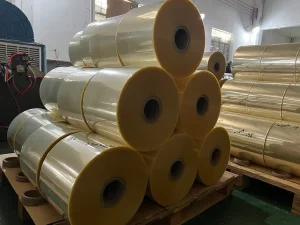
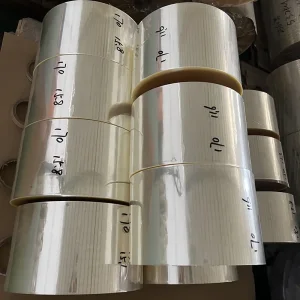
Comprehensive Global Packaging Solutions & Technical Whitepaper: Unlocking China’s Manufacturing Advantages & High-Yield Process Innovations
Explore our top-tier catalog of PVC, POF, and PE industrial packaging films designed for outstanding durability, clarity, and processing speed.
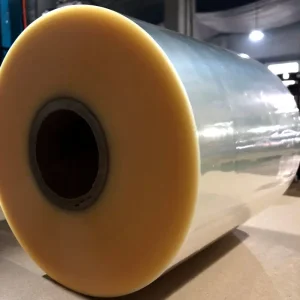
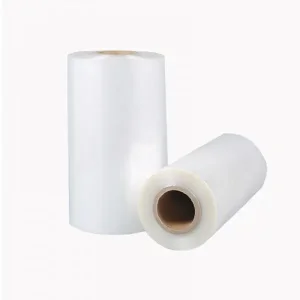
Polyvinyl Chloride (PVC) Shrink Sleeve Film remains one of the most reliable and cost-effective packaging materials in the global label, closure, and primary containment industries. Valued for its pristine clarity, mechanical strength, outstanding printability, and robust shrink profiles, PVC film accommodates complex geometries with minimal distortion. This technical guide explores why high-yield PVC shrink sleeve films continue to dominate major consumer and industrial segments, backed by engineering standards and global procurement insights.
The modern packaging landscape demands high-speed efficiency. In response, PVC shrink sleeve chemistry has evolved to feature controlled glass transition temperatures (Tg), allowing the film to initiate shrinkage at lower tunnel temperatures. This reduces the heat load on sensitive container contents, such as carbonated soft drinks, dairy products, and temperature-sensitive biological formulas, while dramatically lowering energy consumption in steam and hot-air shrink tunnels.
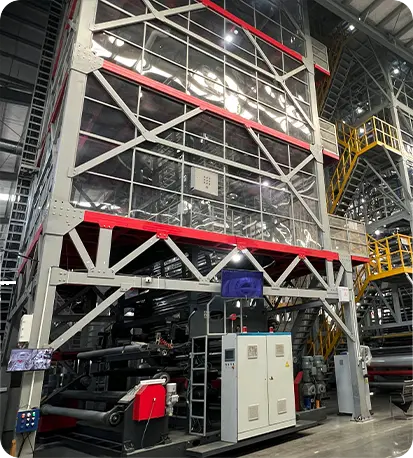
For international buyers and enterprise procurement divisions, partnering with a Chinese supplier offers significant cost and scale benefits. China’s packaging cluster in regions like Guangdong features complete vertical integration, combining petrochemical raw materials, advanced extruders, and expert logistics services. Here are the core competitive drivers of Chinese PVC shrink film manufacturing:
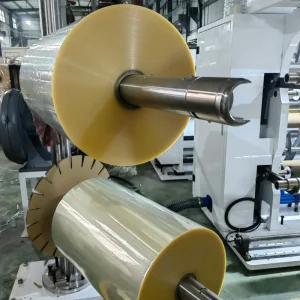
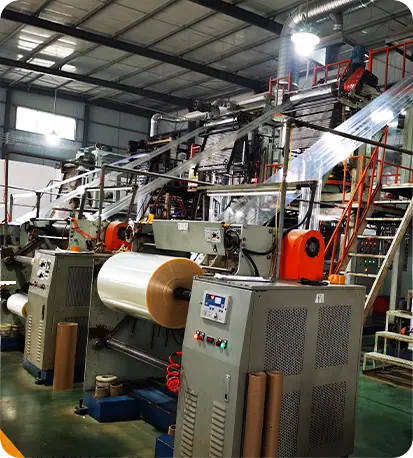
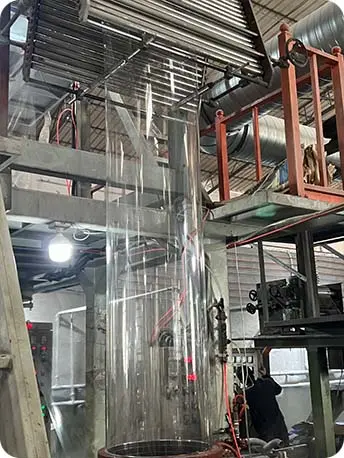
Chinese factories utilize high-precision multi-layer extrusion and automated thickness monitoring to keep gauge tolerances within a strict ±3% range, ensuring consistent shrink performance on automated application lines.
Manufacturers offer tailor-made transverse direction (TD) shrinkage profiles ranging from 45% to 58%, matching the requirements of contoured bottles, regular cylinders, and tamper-evident cap seals.
Top factories adhere to international regulatory frameworks, ensuring low residual monomer levels, heavy metal compliance (RoHS & REACH), and food-contact certification where applicable.
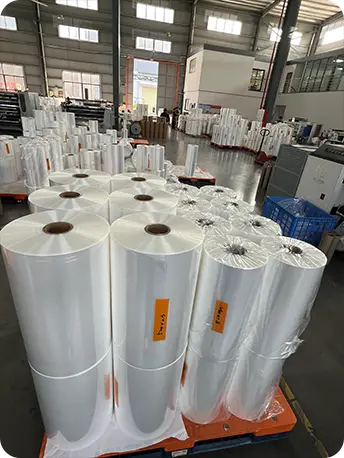
By leveraging large-scale production runs, factories like Zhongshan Tianchen New Materials Co., Ltd. can balance cost-efficiency with high-quality standards. This allows them to offer competitive pricing on bulk wholesale orders without compromising raw material purity or functional performance.
PVC shrink sleeve films are widely used in food, beverage, personal care, pharmaceutical, and consumer chemical industries. Depending on the region, market preferences, and packaging configurations, these materials are tailored to meet specific regulatory and technical standards:
| Property | Standard Specification | Testing Protocol | Industrial Benefit |
|---|---|---|---|
| Thickness Range | 30 µm – 70 µm (±3%) | ASTM D374 | Uniform printing and consistent high-speed application |
| TD Shrinkage % | 45% – 58% | ASTM D2732 (100°C Water, 10s) | Conforms precisely to highly contoured container shapes |
| MD Shrinkage % | 1% – 5% | ASTM D2732 (100°C Water, 10s) | Prevents vertical label distortion and smiling effects |
| Tensile Strength | ≥ 40 MPa (MD) / ≥ 50 MPa (TD) | ASTM D882 | Prevents tearing during high-tension roll feeds |
| Haze Value | ≤ 4.0% | ASTM D1003 | Delivers crystal-clear window displays for premium products |
Global procurement teams must evaluate more than just price per kilogram. To ensure continuous operation and minimize wastage, buyers should focus on these critical performance variables:
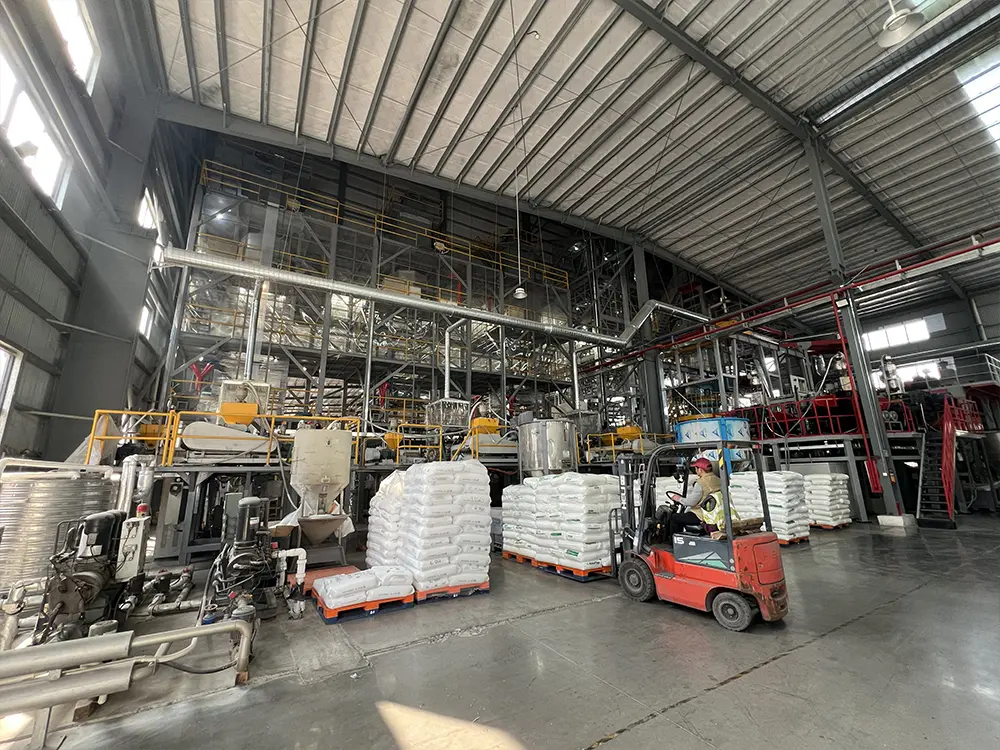
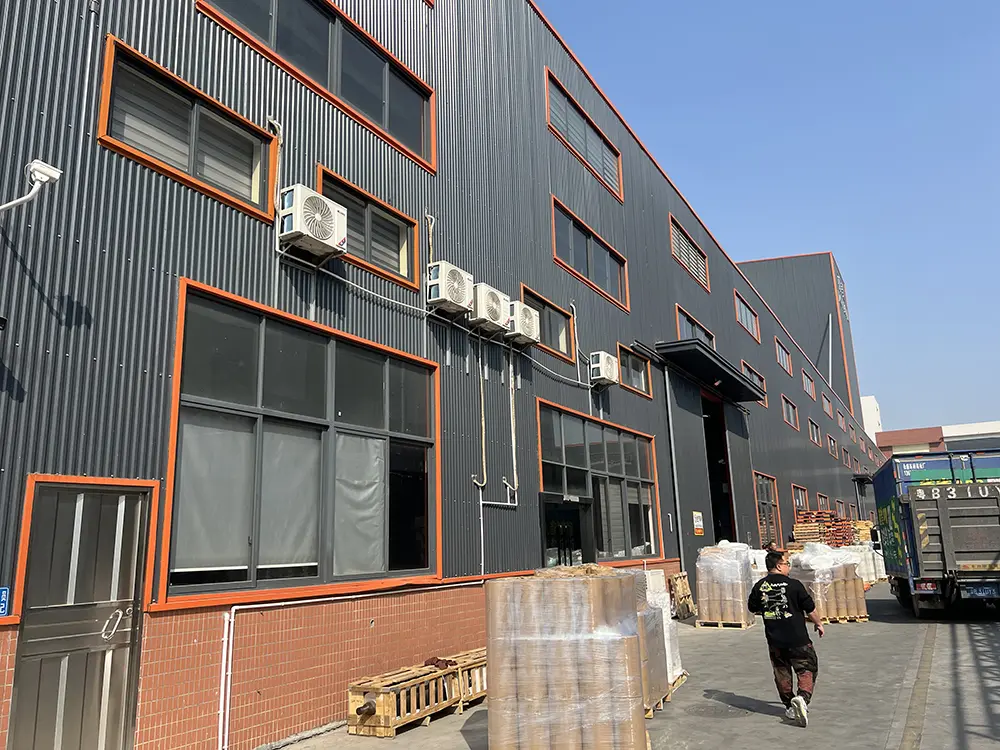
Zhongshan Tianchen New Materials Co., Ltd. – Your One-Stop Packaging Material Procurement Platform.
Zhongshan Tianchen New Materials Co., Ltd. is a comprehensive packaging material procurement platform built on over 20 years of experience in the film packaging industry. Driven by a commitment to resource integration and addressing customer needs, Tianchen provides optimized, cost-effective solutions for diverse global packaging requirements.
At Tianchen, we maintain professional production, R&D, and sales teams. Our modern quality control system ensures all products meet strict customer standards. This focus on quality, combined with large-scale production capabilities, has built long-term trust with clients worldwide. Our experienced professionals continuously innovate to improve product offerings and deliver reliable, high-performance materials.
In a competitive marketplace, Zhongshan Tianchen New Materials Co., Ltd. stands out as a reliable partner. We combine decades of industry expertise with a focus on product quality and client satisfaction. Whether you need eco-friendly heat shrink films, specialty PVC wrap, or high-durability labeling solutions, we are here to support your operations.
Key technical insights and answers to common procurement questions about PVC shrink films.
Browse our full range of specialty packaging films, including high-performance PVC cap seals, food-grade POF, and heavy-duty industrial wraps.
 Tianchen Materials