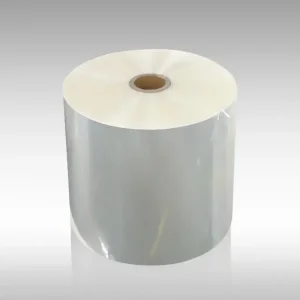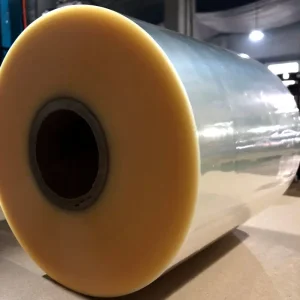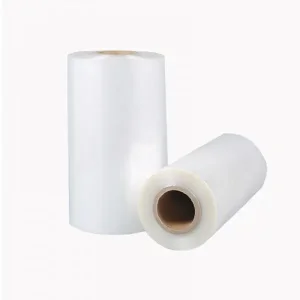
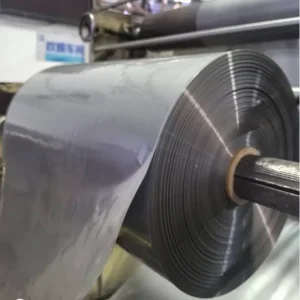
Industrial shrink film represents a culmination of advanced polymer science and molecular orientation engineering. Designed to contract tightly over objects when exposed to heat, these films rely on the memory retention of polymers. During the custom shrink film manufacturing process, raw resin pellets are extruded under extreme heat, stretched, and then rapidly cooled to freeze the molecular chains in a state of high tension. When heat is reintroduced in a wrapping tunnel, this latent stress is released, initiating recrystallization that drives the material back to its original unstretched state.
By leveraging different polymer formulations, manufacturers can construct custom films with tailored performance metrics: high-tensile resistance for heavy industrial machinery, pristine optical clarity for point-of-purchase food items, or low-temperature shrinkage for temperature-sensitive products. Understanding these chemical mechanics is vital for procurement teams seeking to optimize operational throughput and minimize material failure during shipping cycles.
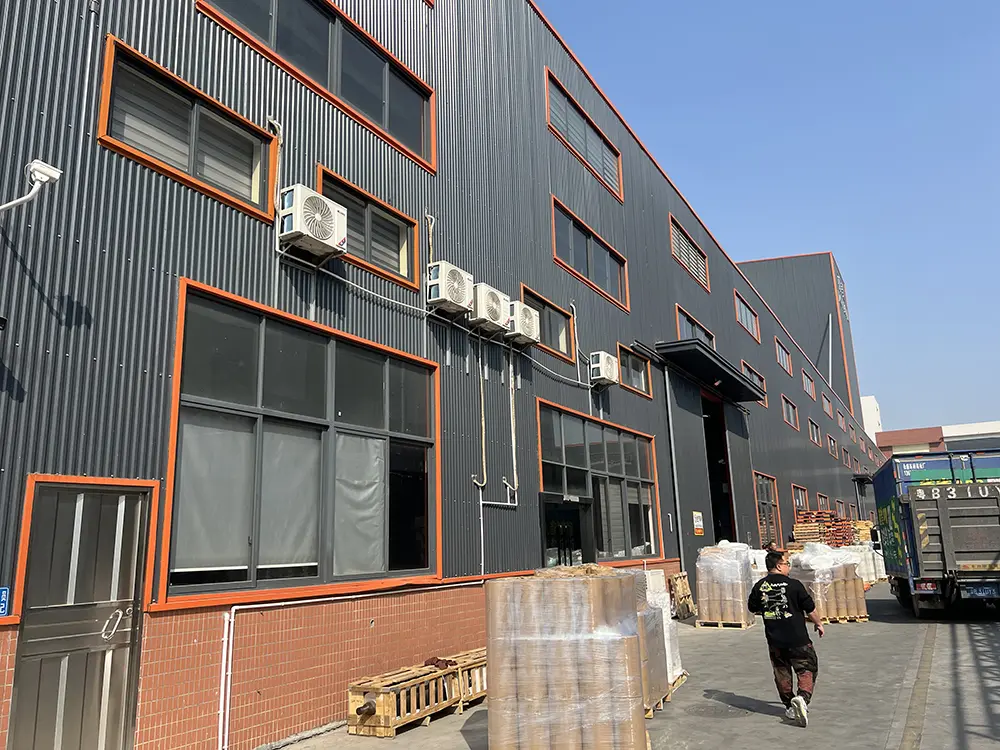
Zhongshan Tianchen New Materials Co., Ltd. is a premier, integrated one-stop packaging material procurement platform founded on more than two decades of dedicated field experience in polymer films. Established to address the growing complexities of global containerization and retail presentation, Tianchen bridges the gap between raw chemical synthesis and local operational compliance. Driven by resource consolidation and customer-centric design, the enterprise optimizes modern packaging processes for factories globally.
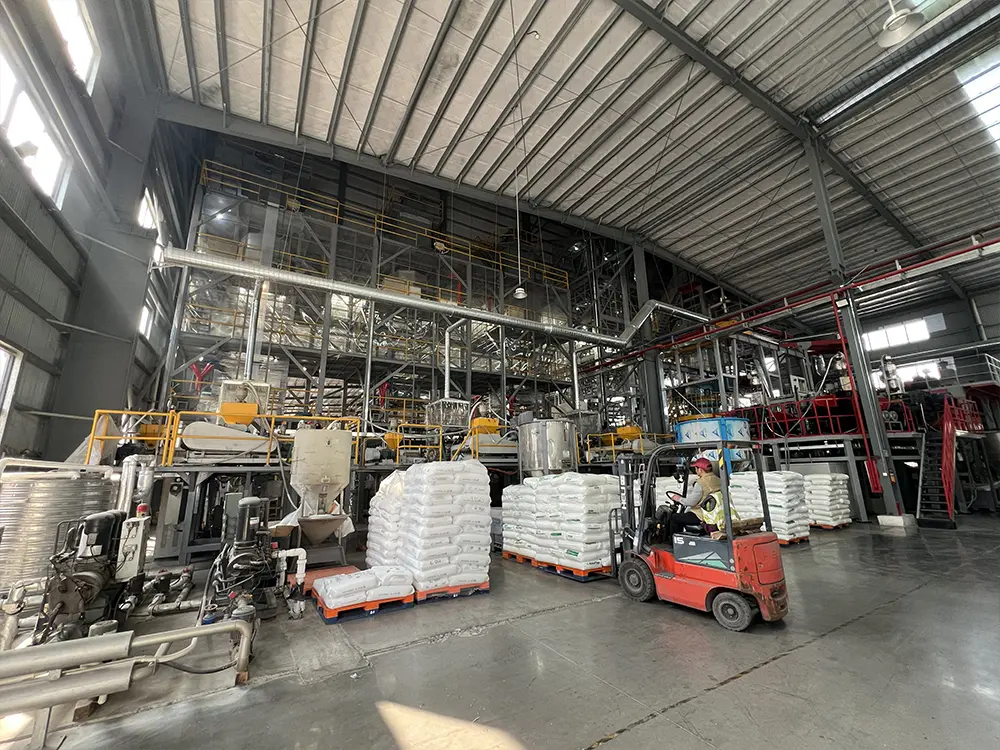
Our infrastructure features specialized departments for raw material synthesis, co-extrusion engineering, quality assurance protocols, and logistics. By operating our own large-scale facilities alongside integrated production partners, we ensure that every square meter of film produced aligns with rigid criteria, whether it is high-clarity POF (Polyolefin), heat-stabilized PVC, or tear-resistant PE.
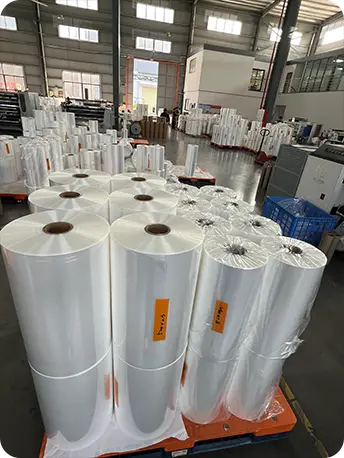
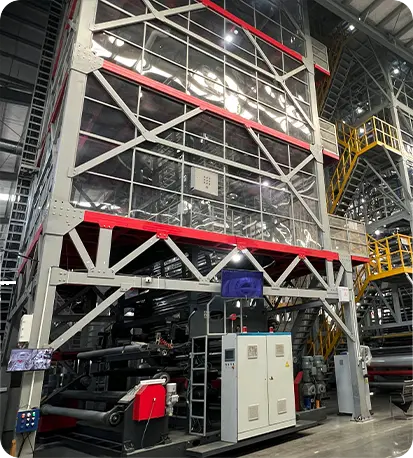
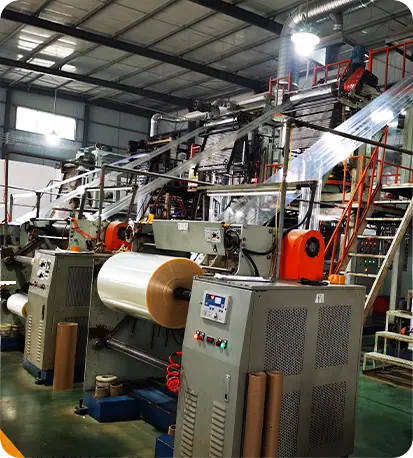
Our modern inspection framework tests every master roll for tensile strength, elongation at break, heat shrinkage ratios, coefficient of friction (COF), and optical haze. Through advanced computer vision and inline thickness controls, we eliminate structural deviations before they reach your shop floor.
Eliminate procurement fragmentation. Tianchen supplies a complete array of materials including biaxially oriented polyolefin (POF), low-density polyethylene (LDPE), print-grade PVC label films, and co-extruded barrier layers, matching exact machinery requirements across your facilities.
Tailor your packaging parameters down to the micron. From custom perforation patterns for agricultural packaging, anti-fog additives for fresh produce, to low-temperature processing for chocolate and dairy wrapping, we configure films to prevent heat degradation.
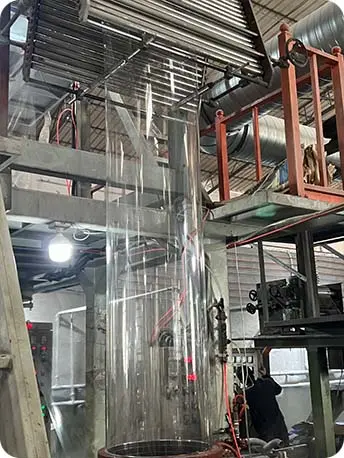
Our state-of-the-art facilities leverage the double-bubble (or tubular) extrusion method alongside tenter frame lines to produce consistent orientation profiles.
Polymer chips (LDPE, LLDPE, PP, or PVC) are blended with slip agents, anti-static, and UV stabilizers for optimal performance.
Materials are fed into high-torque extruders, melted at 190°C–230°C, and forced through a circular die to create a thick primary tube.
The tube is inflated with air (creating transverse orientation) while simultaneously pulled vertically (creating machine orientation).
Air-cooling rings freeze the crystalline structure instantly, locking in the orientation stresses that yield the thermal memory.
Advanced laser sensors inspect film gauge, corona-treat the surface for print adhesion, slit the web, and wind the rolls.
Use this comparative matrix to align your packaging machinery settings, storage constraints, and load tolerances with the ideal film type.
| Material Type | Primary Advantages | Shrink Temp Range | Average Shrinkage | Typical Applications | Tear Strength Index |
|---|---|---|---|---|---|
| Polyolefin (POF) | Extreme clarity, eco-friendly, multi-layer co-extrusion, cross-linked strength | 120°C - 160°C | 60% - 75% (Balanced) | Food, cosmetics, consumer electronics, multi-packs | Excellent (High puncture resistance) |
| Polyethylene (PE / LDPE) | Heavy-duty containment, thick gauge range, soft shrink, low force | 160°C - 180°C | 50% - 65% (High MD) | Beverage cases, building materials, pallet wrapping | Outstanding (Excellent load security) |
| Polyvinyl Chloride (PVC) | High gloss, low heat requirement, rigid texture post-shrink | 90°C - 130°C | 40% - 50% (High TD) | Wine bottle sleeves, tamper-evident seals, CD wrapping | Moderate (Slightly brittle cold) |
| OPP / CPP Co-polymer | Enhanced stiffness, excellent moisture barriers, high clarity print surface | 110°C - 145°C | 35% - 50% (Directional) | Daily chemical containers, fresh produce ventilation | High directional resistance |
Shrink packaging requires customization to perform reliably in different regional climates, logistic corridors, and regulatory landscapes.
High-volume soft drink, beer, and water production lines require heavy-duty PE films. Our materials are engineered to maintain high load containment under extreme temperature shifts during transcontinental freight, eliminating the need for corrugated trays and lowering secondary packaging costs.
European environmental packaging frameworks dictate clean recycling streams. Tianchen customizes ultra-thin, cross-linked POF films to allow downgauging (using thinner film without sacrificing load capacity). Our non-toxic, 100% recyclable, and halogen-free films comply with the strict circular economy mandates of the EU market.
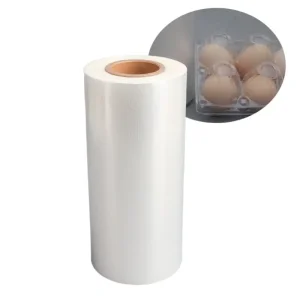
Tropical climates cause moisture accumulation and premature spoilage in fresh produce. Our hot-perforation POF breathable films allow humidity release while preserving barriers against pests and pathogens. This technology significantly extends the shelf life of eggs, fruits, and vegetables in high-humidity logistics loops.
Operating out of Zhongshan, adjacent to Shenzhen and Guangzhou ports, Zhongshan Tianchen New Materials leverages one of the world's most integrated manufacturing clusters. This proximity yields significant logistics and lead-time advantages for international distributors:
This localized supply chain resilience allows us to fulfill large-scale orders within 15–20 working days while offering lower minimum order quantities (MOQs) for custom formulations than Western counterparts.
We are aligning our R&D roadmap with the transition toward a circular economy, focusing on down-gauging, PCR integration, and biodegradable barriers.
To reduce dependence on virgin resins, we are developing a multi-layer co-extruded film containing up to 30% recycled plastics. This solution maintains standard puncture resistance and clarity while lowering carbon footprints, helping brands meet environmental packaging targets.
Our research team is testing polylactic acid (PLA) and polybutylene adipate terephthalate (PBAT) formulations. These materials degrade cleanly under municipal composting conditions, offering a sustainable alternative for consumer food trays and labels.
Through 5-layer and 9-layer co-extrusion technology, we distribute performance additives across micro-layers. This structure enables a 12-micron film to deliver the tensile support of a standard 19-micron film, yielding immediate cost savings and reducing material volume.
For international buyers, material compliance is a critical legal requirement. A failure to meet regional regulations can lead to customs delays, fines, or product recalls. Zhongshan Tianchen New Materials enforces a strict regulatory testing program, certifying our films for use in highly regulated fields:
Consult our engineering team's standard answers for typical application issues, storage setups, and machinery tuning.
 Tianchen Materials