Direct supply options featuring high-clarity POF, high-strength PE, and customized transparent PVC shrink wrap options manufactured to rigorous global specifications.
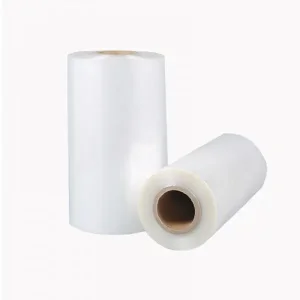
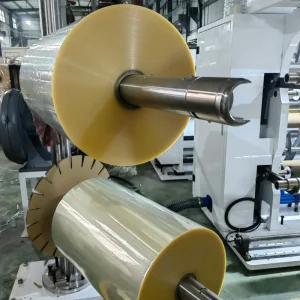
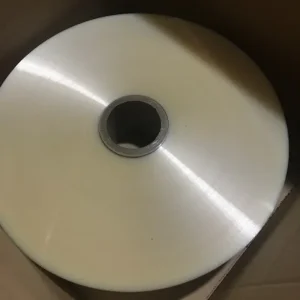
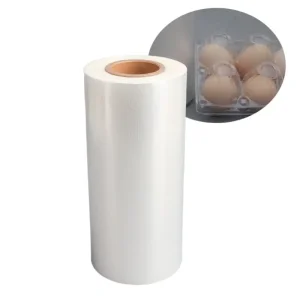
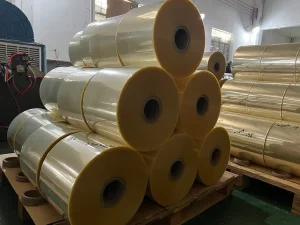
Polyvinyl Chloride (PVC) stands as a foundation in the global polymer and packaging sector, valued for its unique combination of mechanical toughness, formulation flexibility, and superior thermal properties. Modern international trade networks depend on continuous supplies of high-grade custom PVC material to package consumer retail goods, insulate industrial cables, wrap electronics, and seal protective components.
Today's global supply networks demand custom-formulated PVC compounds capable of operating under highly specific thermal and physical conditions. Whether raw materials require exact concentrations of non-phthalate plasticizers for medical applications or precise ultraviolet (UV) stabilizers for outdoor industrial storage, sourcing from a reliable factory capable of deep structural customization is critical. China's industrial manufacturing ecosystem has evolved to meet these sophisticated technical requirements. China-based wholesalers utilize fully integrated raw material loops and sophisticated co-extrusion technology to deliver highly stable PVC and hybrid polymer films to the international market.
When procurement managers buy PVC shrink films, they often overlook the K-value (molecular weight index). A higher K-value (above 65) increases physical strength and puncture resistance, but requires higher processing temperatures. Conversely, lower K-values (50–58) improve melt flow but reduce tensile limits. Work with your China supplier to select the exact molecular structure needed for your automated wrapping machines to avoid film breaks and equipment downtime.
A specialized, one-stop packaging material procurement platform founded on over two decades of technical manufacturing experience.
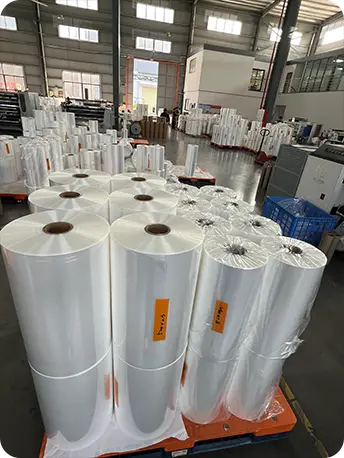
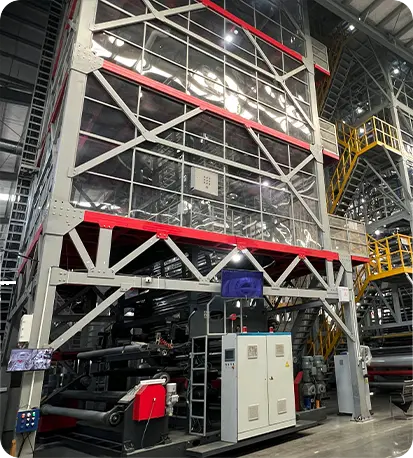
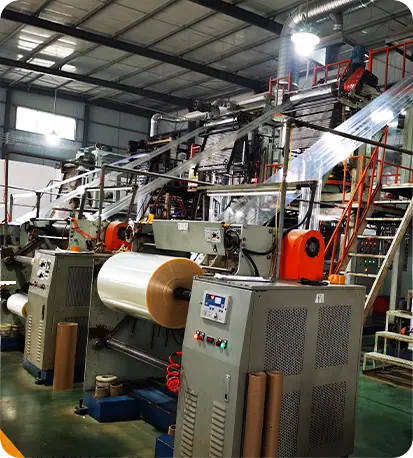
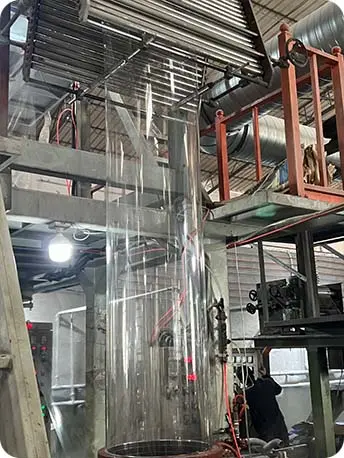
Established on a deep foundation of film packaging expertise, Tianchen acts as a comprehensive, one-stop procurement hub designed to solve complex supply chain challenges. Driven by resource integration, our operations focus on resolving end-user application demands by aligning raw material compounding with precise client specifications.
Quality control serves as our fundamental operational philosophy. By deploying modern quality testing protocols across all production phases—from checking raw vinyl raw materials to testing final roll shrinkage values—we guarantee that every batch matches international quality guidelines.
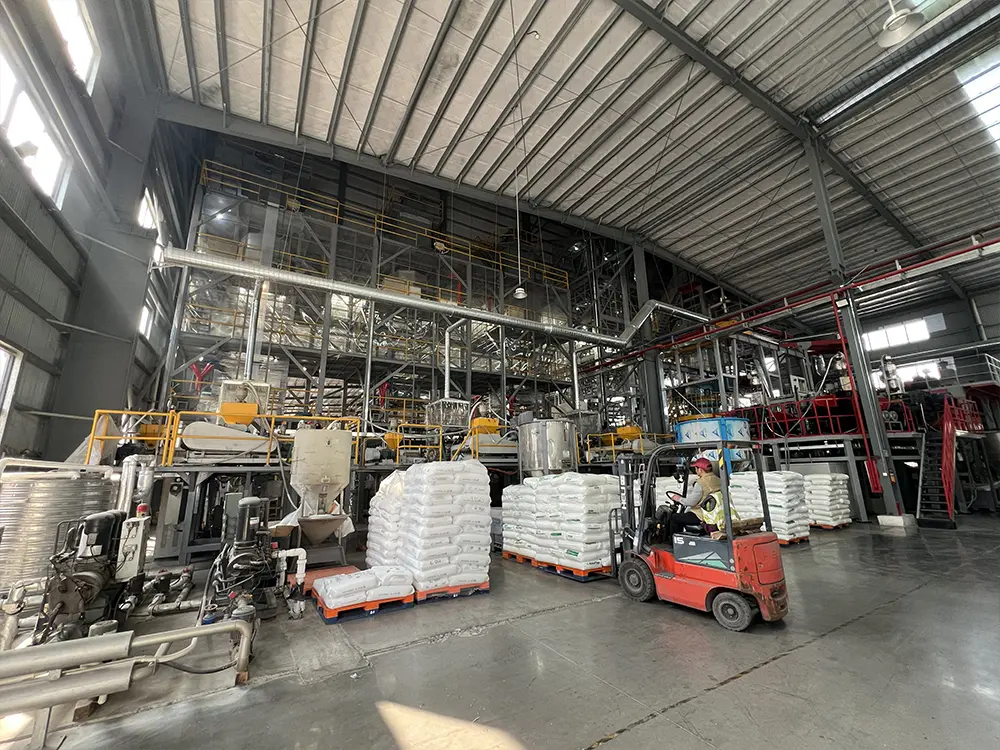
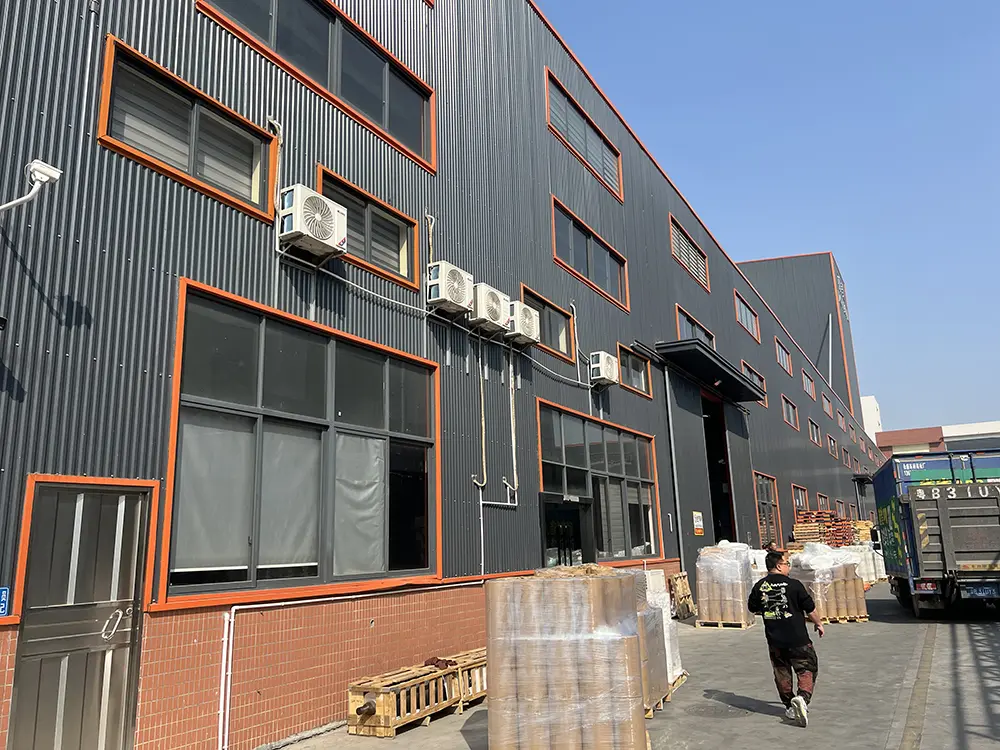
In today's highly competitive industrial landscape, Tianchen stands out as a reliable manufacturing partner. Our facilities integrate advanced extrusion lines to deliver everything from high-toughness, eco-friendly POF films to heat-shrinkable PVC labeling films.
Analyzing the industrial advantages, upstream chemical raw material integrations, and automated logistics systems that drive production cost and lead-time advantages.
Sourcing custom PVC materials from Chinese factories provides distinct competitive advantages for global enterprises. The primary benefit lies in the local integration of chemical precursors and processing equipment. Because key inputs like vinyl chloride monomers (VCM) and polymer stabilizers are synthesized within regional industrial zones, transport delays and raw material costs are minimized.
Modern Chinese processing centers feature highly automated, computerized extrusion lines that use automated thickness sensors. This technology monitors production runs in real-time, automatically adjusting die gaps to keep cross-directional film variations below ±2%. This level of precision reduces waste, speeds up production runs, and lowers unit costs—savings that are passed on to international buyers through stable wholesale pricing.
Furthermore, the proximity to deepwater container ports in the Pearl and Yangtze River Deltas reduces global shipping costs. Experienced logistics teams coordinate customs processes and optimize shipping container configurations, ensuring that bulk polymer orders transition smoothly from factory floor to global sea lanes.
How customized PVC formulations resolve functional packaging requirements across diverse vertical industries.
High-clarity protective PVC shrink film encapsulates metal parts, prevents corrosion, and provides a barrier against moisture and dust during transport.
Thick-gauge PE and PVC films wrap multipacks of heavy canned goods and bottles, ensuring cargo stability on shipping pallets without tearing.
Specially formulated anti-static PVC shrink films insulate delicate electrical components, protecting circuits from electrostatic discharges and moisture.
A reference table for engineers and procurement teams specifying film limits and packaging profiles.
| Property Parameter | Testing Standard (ASTM / ISO) | Value Range (PVC Shrink Film) | Industrial Value / Application Relevance |
|---|---|---|---|
| Density | ASTM D1505 | 1.30 – 1.38 g/cm³ | Determines product yield per kilogram of raw film. |
| Shrinkage Ratio (TD) | ASTM D2732 | 45% – 55% | Transverse Direction shrinkage suitable for contoured packaging. |
| Shrinkage Ratio (MD) | ASTM D2732 | 10% – 25% | Machine Direction shrinkage value, optimized to prevent package bending. |
| Tensile Strength | ASTM D882 | ≥ 42 MPa (MD) / ≥ 40 MPa (TD) | Prevents tearing during automated, high-speed wrapping. |
| Elongation at Break | ASTM D882 | ≥ 60% | Provides flexibility under mechanical load or impact. |
| Haze Rating | ASTM D1003 | ≤ 3.0% | Ensures high clarity for product display. |
Analyzing the shift toward bio-plasticizers, thinner gauges, and high-performance alternative polymers.
The global polymer industry is adapting to meet stricter environmental regulations and sustainability demands. In the custom PVC sector, this shift focuses on developing non-phthalate plasticizers (such as DOTP and citrates) and bio-based stabilizers. These alternatives replace traditional heavy metal components like lead and cadmium, aligning PVC formulations with EU REACH and RoHS safety frameworks.
Another major trend is down-gauging. Advanced extrusion techniques allow factories to manufacture thinner films that maintain high tensile strength and puncture resistance. These thin-gauge films reduce overall material consumption, leading to lower transportation emissions, smaller carbon footprints, and reduced packaging taxes for businesses.
At the same time, co-extruded Polyolefin (POF) and Polyethylene (PE) films are replacing conventional shrink wraps in specific markets. Because POF films do not release hydrogen chloride during sealing, they are preferred for direct food contact and high-speed packaging lines. Chinese factories are adapting to these trends by building flexible production lines that can transition between PVC, POF, and PE materials based on buyer demands.
Quick answers to common questions about sourcing custom PVC and technical packaging films from China.
For customized PVC shrink films or modified polymer blends, the MOQ typically ranges between 1 to 3 metric tons. This minimum is required to calibrate the extrusion tooling and ensure stable heat-stabilization profiles during production runs.
We use automated, closed-loop thickness controls. These sensors continuously measure the extruded bubble thickness, and pneumatic actuators adjust the die head in real time to keep variations within ±2%.
Yes. We formulate our products to meet FDA regulations for food contact, and we offer phthalate-free, RoHS, and REACH compliant PVC films. Our POF packaging films are 100% food-grade and contain no harmful additives.
In optimal conditions (stored below 25°C away from direct sunlight), PVC shrink films retain their properties for up to 12 months. Storing them in warm environments can trigger premature shrinkage or make the film brittle.
Explore our heavy-duty PE films, specialized low-temperature POF wraps, and custom-printed heat shrink solutions.
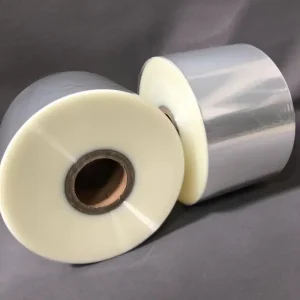
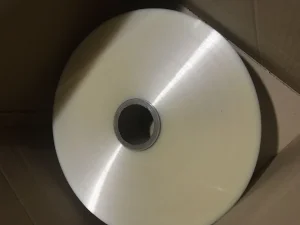
Need custom thickness, specific shrink profiles, or custom print configurations? Contact us to discuss your project requirements and receive a detailed quote.
Request Technical Consultation Tianchen Materials