Select from our premium range of industrial heat shrink wraps and high-clarity barrier solutions
Zhongshan Tianchen New Materials Co., Ltd. – Your One-Stop Packaging Material Procurement Platform.
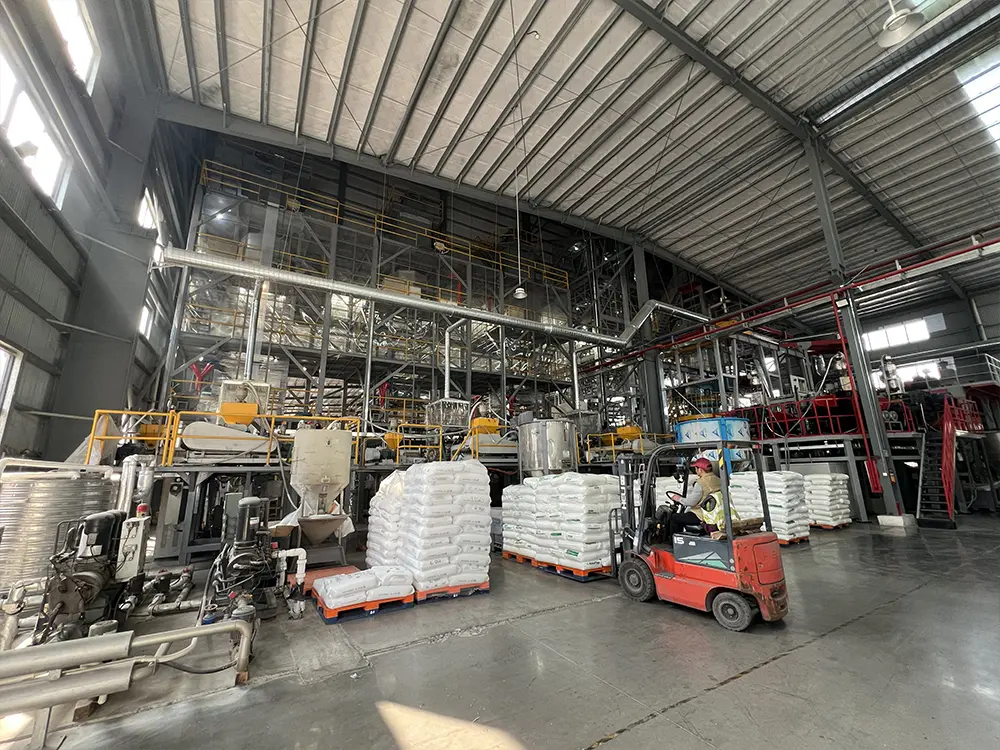
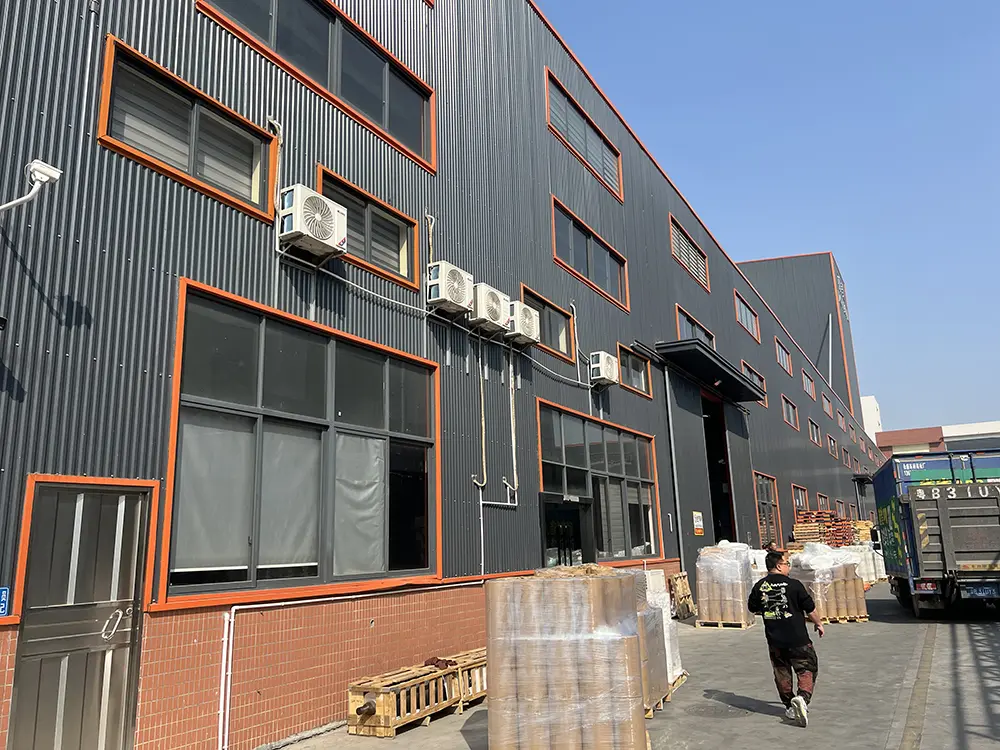
Zhongshan Tianchen New Materials Co., Ltd. is a one-stop packaging material procurement platform established on the basis of more than 20 years of experience in the film packaging industry to act as a comprehensive one-stop packaging material procurement platform. Established on the foundation of extensive industry experience, Tianchen is driven by a commitment to resource integration and addressing customer needs, ensuring that it offers the finest solutions for diverse packaging requirements.
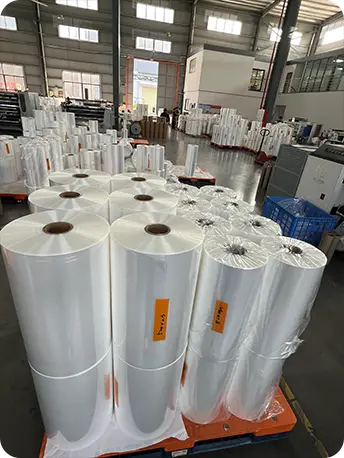
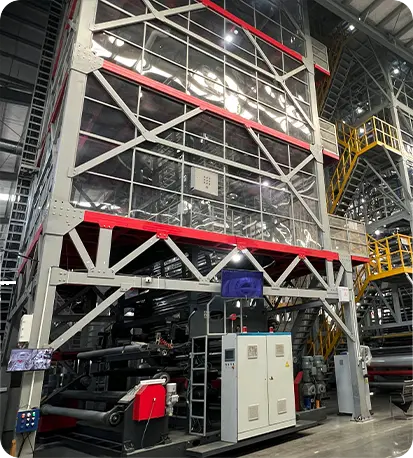
At Tianchen, We have a professional production, research and development and sales teams, so quality control is taken very seriously. The modern quality control system implemented within the company ensures that all products meet the customer’s standards. This commitment to quality, combined with large-scale production capabilities, has garnered significant favor and trust from customers. The company's experienced professionals continuously work to innovate and improve product offerings, ensuring that they always deliver the best to their clients.
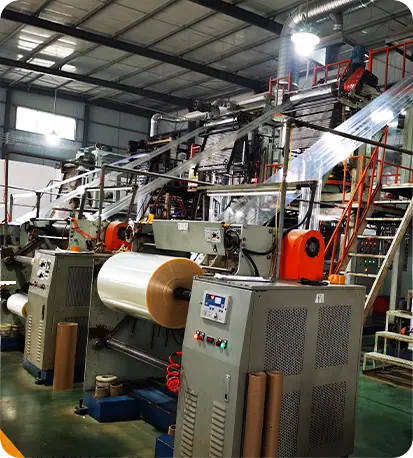
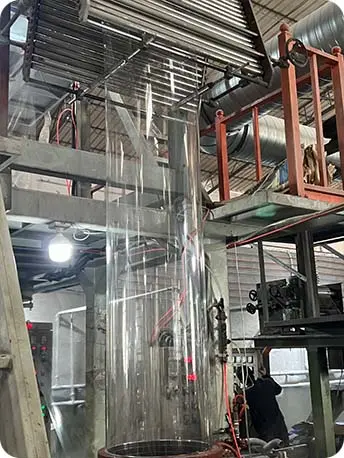
One-Stop Sourcing Platform For Packaging
In a competitive marketplace, Zhongshan Tianchen New Materials Co., Ltd. stands out as a reliable partner for all your packaging material needs. As a one-stop packaging material procurement platform, Tianchen combines decades of industry expertise with a passion for quality and customer satisfaction. Whether you need eco-friendly heat shrink films or durable labeling solutions, Tianchen is here to provide the best in the industry.
An authoritative guide to molecular structures, orientation properties, and environmental resilience in packaging logistics.
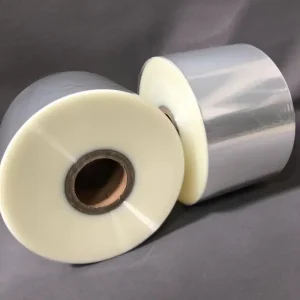
Polypropylene (PP) packaging films represent the cornerstone of modern structural shelf protection and industrial unitization. By utilizing diverse manufacturing methodologies—specifically Cast Polypropylene (CPP) extrusion and Biaxially Oriented Polypropylene (BOPP) stretching processes—manufacturers can tailor the molecular orientation to meet precise barrier, tensile, and optical specifications.
Understanding the mechanical properties requires dissecting the orientation profiles of these plastic polymers:
| Physical Property | BOPP Film (Typical) | CPP Film (Typical) | PE Shrink Film (Comparison) |
|---|---|---|---|
| Density (g/cm³) | 0.90 – 0.91 | 0.90 – 0.92 | 0.92 – 0.94 |
| Tensile Strength (MPa) | MD: 120–150 / TD: 200–250 | MD: 30–40 / TD: 25–35 | MD: 20–30 / TD: 18–25 |
| Haze Value (%) | < 1.5% | < 2.5% | > 5.0% |
| WVTR (g/m²·24h) | < 5.0 | < 12.0 | > 18.0 |
The chemical stability of PP films makes them highly resistant to acids, alkalis, and organic solvents. This ensures product integrity during transportation and storage, even under extreme climate variations. Additionally, the low density of PP compared to PVC and PET means more surface area per kilogram, reducing material consumption and lowering transportation costs.
Analyzing the industrial clusters, cost structures, and technological advantages that place China at the center of the global packaging market.
Factories in key industrial zones like Guangdong leverage direct proximity to raw material petrochemical refineries. This minimizes polymer logistics costs and guarantees raw material grade stability.
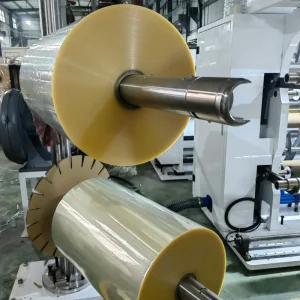
Using multi-layer co-extrusion technology, Chinese plants achieve thickness tolerance controls within ±1.5%. We can combine up to 7 layers to produce specific anti-fog or chemical barrier properties.
Top Chinese factories meet global export standards, producing food-grade, heavy metal-free films that comply with US FDA Regulations and EU 10/2011 standard directives.
The Tianchen Perspective: "By consolidating high-volume raw material procurement and using automated, high-speed slitting equipment, we balance cost and performance. This helps overseas buyers save up to 25% on total cost of ownership (TCO) without sacrificing film quality."
How distinct economic sectors utilize customized PP film structures to maintain high production yield rates.
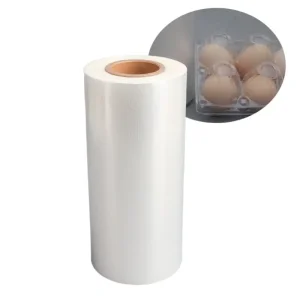
Fresh vegetables and eggs require highly breathable films to prevent moisture condensation while maintaining outer structural protection. Our Hot Perforation POF and PP films allow controlled gas exchange, extending product shelf life by up to 40% in cold-chain distribution logistics.
Medical instruments require sterilization validation. Customized PP cast films handle steam sterilization cycles up to 121°C. They provide strong barrier protection against microbial invasion, making them ideal for lidding and thermoformed tray seals.
For high-volume cosmetic cartons, tobacco boxes, and CD jewel cases, film must slide smoothly through packaging machines. Our films use specialized slip agents (maintaining a Coefficient of Friction [COF] below 0.2) to prevent jam-ups on packaging lines running at 300 packs per minute.
Global regulations are moving away from multi-polymer laminated films because they are difficult to recycle. Multi-layer structures containing PET, PE, and aluminum foil cannot go into standard recycling streams. Tianchen's Monomaterial Solution utilizes co-extruded PP barrier systems where both the structural and sealing layers are polypropylene. This yields a package that is 100% recyclable in the PP stream, helping multinational corporations meet their net-zero packaging goals.
Addressing critical supply chain risks, from ocean shipping deformation to thickness variations in high-volume orders.
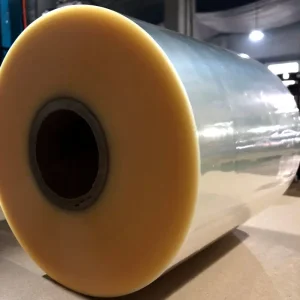
Exporting flexible plastic films requires careful climate and storage controls. High temperatures inside ocean containers can trigger premature heat shrinkage or cause the film layers to fuse together. Tianchen mitigates these issues by using heavy-duty vertical wood suspension packaging, foil moisture barriers, and temperature-monitored shipping routes to ensure your film arrives ready for production.
For high-definition rotogravure and flexographic printing, film surfaces must be treated to accept ink. Untreated polypropylene has low surface energy, which can cause ink to peel or smear. We treat our films to a surface tension level of > 38-40 mN/m (dynes/cm). This guarantees excellent ink adhesion, clean print registration, and high-speed running performance on multi-color press lines.
Ensure your custom film supplier meets these minimum technical criteria:
Staying ahead of the curve with emerging technologies in polymer science and smart barrier systems.
As brands face plastic tax liabilities, we are developing food-contact safe PCR PP films. These use chemical recycling processes to maintain the mechanical purity of virgin resins.
Advanced orientation machinery lets us downgauge films from 15 microns to 12 or 9 microns. This reduces raw material weight by up to 20% while maintaining the same puncture resistance.
Integrating oxygen scavengers and anti-microbial compound layers directly into the PP co-extrusion process helps prevent bacterial growth on meat and bakery products.
Technical answers to key procurement and application engineering inquiries.
High-shrinkage, UV-resistant, and heavy-duty structural wrap configurations
 Tianchen Materials