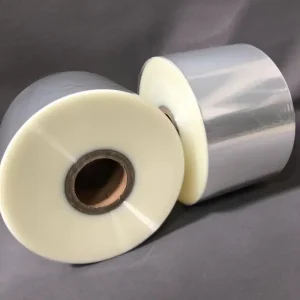
High-performance custom polyolefin, PVC, and specialized OPP/CPP formulation packaging substrates engineered for high-speed automated systems.
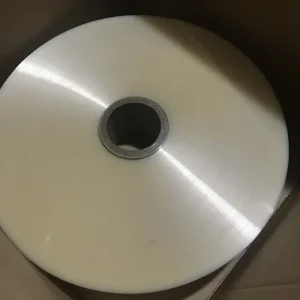
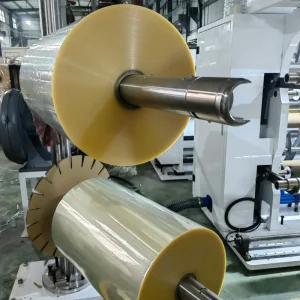
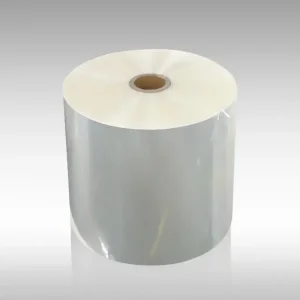
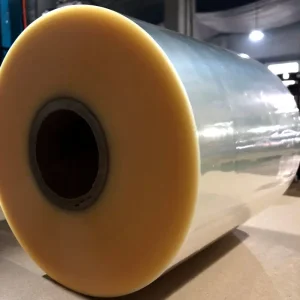
Zhongshan Tianchen New Materials Co., Ltd. is a leading enterprise built on over 20 years of hands-on expertise in the film packaging industry. Structured as a comprehensive, integrated procurement and development platform, we address complex industrial demands by aligning advanced chemical raw material research with state-of-the-art co-extrusion technology.
Our operation is built on two core principles: technical integration and cost optimization. By maintaining strategic factory partnerships and holding direct control over key formulation labs, we supply packaging converters, consumer brands, and heavy manufacturers with tailored polymers that guarantee zero-fault runnability on modern high-speed packaging lines.
"We don't just sell films. We engineer high-performance barrier architectures that safeguard product integrity, streamline logistical throughput, and systematically lower processing costs."
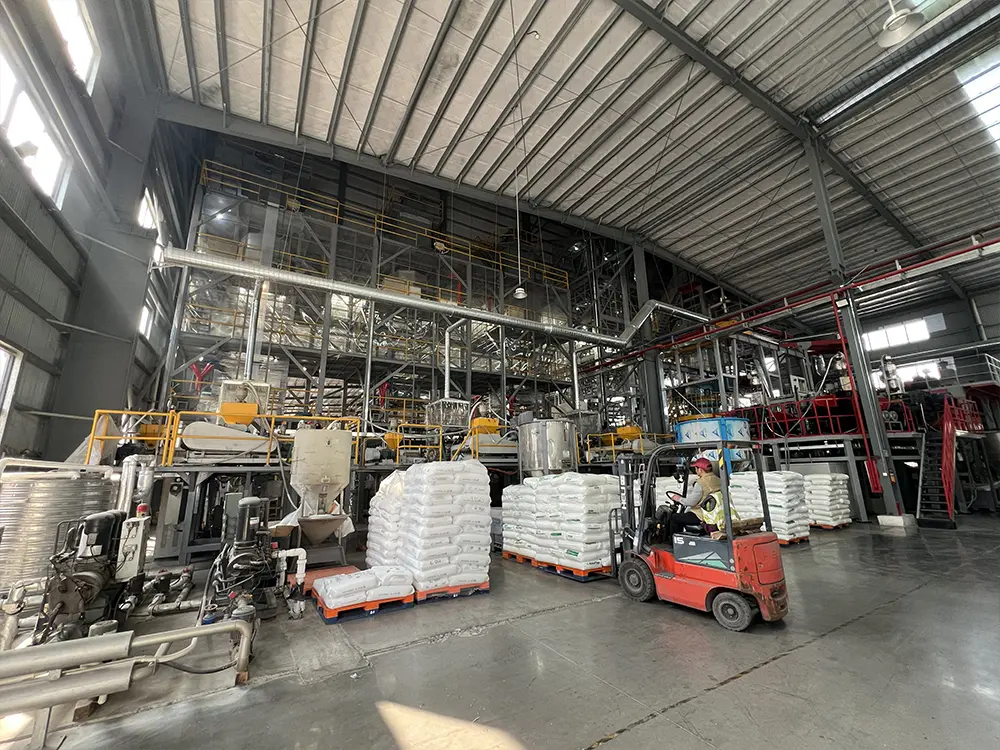
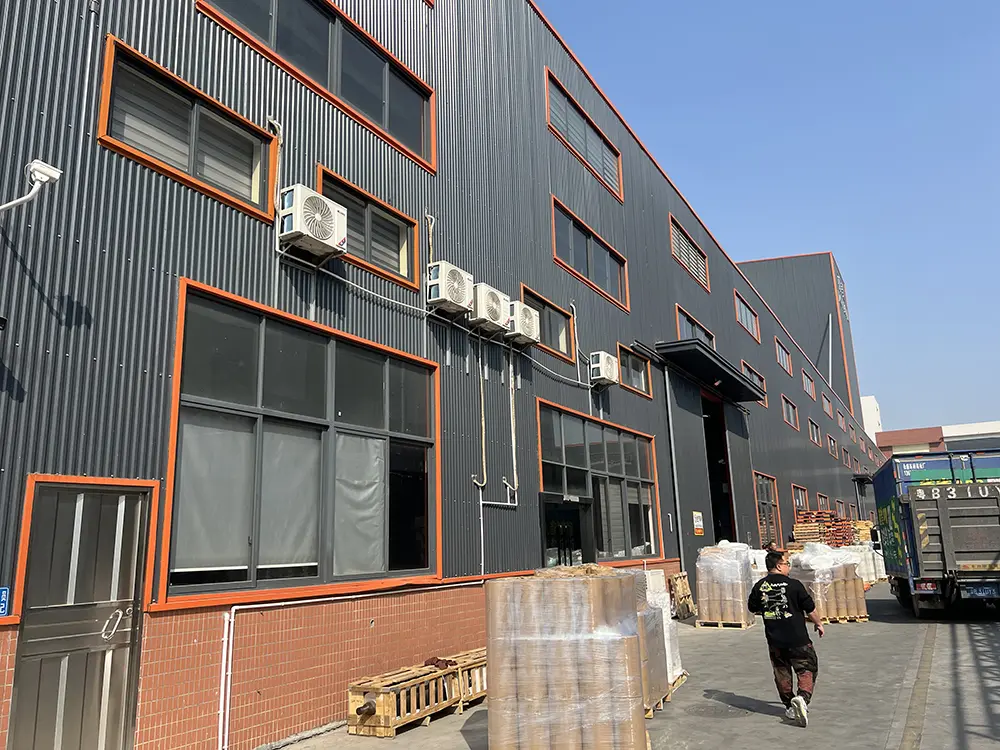
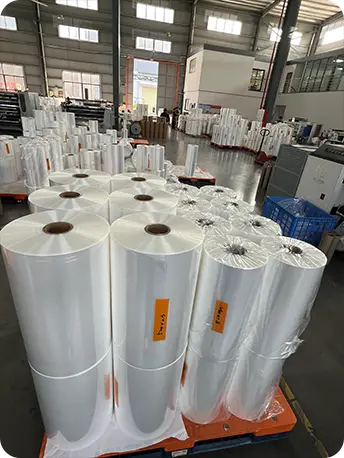
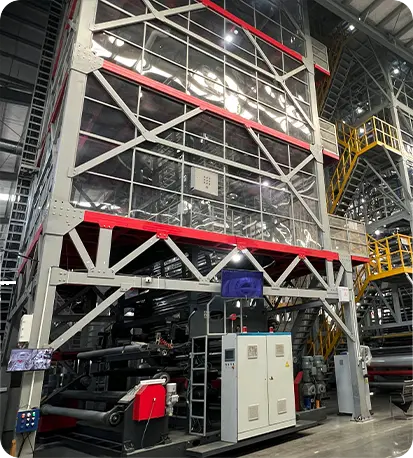
Why multinational manufacturers trust Zhongshan Tianchen New Materials Co., Ltd. with their primary packaging lines.
Our dedicated chemical R&D division works at the molecular level to optimize polymer melt indices, density variations, and layer distributions. By implementing strict multi-phase quality control checkpoints, we guarantee consistent printability, high tensile strength, and optimized heat-sealing thresholds across every batch of shrink and barrier films.
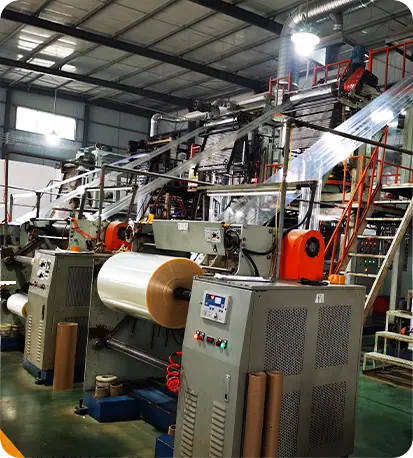
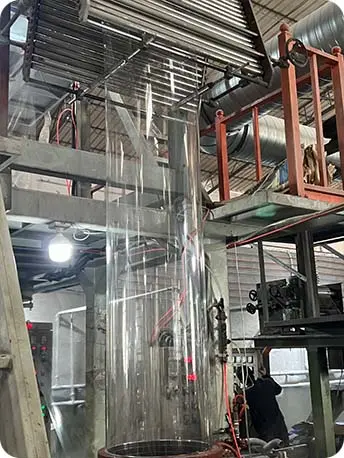
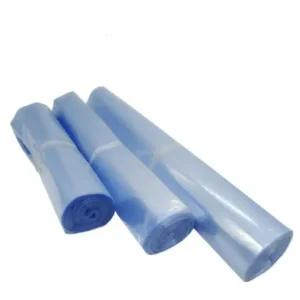
Managing multiple packaging suppliers introduces logistics risks, quality mismatches, and cost creep. Tianchen eliminates these bottlenecks by offering a complete portfolio of OPP, CPP, POF, and PVC films in various shapes (center-folded, single-wound, or pre-made shrink bags). We streamline your operations from custom formulation to final delivery.
We test every production batch for key performance properties, including water vapor transmission rate (WVTR), oxygen transmission rate (OTR), coefficient of friction (COF), haze/clarity percentages, and tensile tear propagation. This thorough testing prevents film breakage on high-speed lines and minimizes unscheduled downtime.
Global demand for oriented polymer packaging films is projected to exceed $35 billion by 2028, driven by the expansion of automated retail supply chains, strict food safety regulations, and a shift toward high-performance mono-material recyclability.
In modern industrial logistics, primary packaging does more than just contain a product. It serves as a vital protective barrier, an aesthetic showcase, and a structural element that must withstand long transit cycles. The shift from rigid to flexible packaging is driven by two main benefits: material cost savings and carbon footprint reduction during transportation.
At the center of this transition are OPP (Oriented Polypropylene) and its family of co-extruded derivatives. Orienting polypropylene—by stretching it along either one axis (MOPP) or both axes (BOPP)—aligns its molecular structure. This alignment significantly improves its tensile strength, optical clarity, and gas/moisture barrier properties.
As logistics speeds increase globally, packaging film manufacturers must deliver high-speed runnability. High-speed flow wrappers demand films with ultra-low coefficient of friction (COF) properties and wide seal windows. This ensures strong seal integrity even under variable machine speeds and sealing temperatures.
How our custom-formulated packaging films resolve complex packaging challenges across diverse global sectors.
Our custom OPP and CPP heat-sealable films create a secure micro-environment that preserves freshness and extends shelf life. Designed for snacks, bakery goods, and fresh produce, these food-grade films offer low moisture-permeability and high optical clarity, highlighting product quality on retail shelves.
Automotive components demand heavy-duty protection against dust, humidity, oil migration, and mechanical abrasion. Our high-clarity POF shrink films wrap securely around complex geometries, keeping products stable during shipping without leaving residues or causing surface damage.
For high-end cosmetics and consumer goods, aesthetics and shelf appeal are essential. Our UV-resistant PVC and POF shrink films maintain crystal clarity, resist yellowing, and allow for high-resolution graphics, making them ideal for eye-catching tamper-evident bands and primary labels.
Technical specifications that show why our films run smoothly and minimize material waste.
Unlike basic single-layer extruded films that force trade-offs between clarity, stiffness, and sealability, Zhongshan Tianchen New Materials Co., Ltd. uses multi-layer co-extrusion technology. By combining different polymer formulations across three to five distinct micro-layers, we optimize multiple performance properties in a single web structure:
Exporting packaging films worldwide requires strict adherence to international safety standards. At Zhongshan Tianchen, our products comply with leading food-contact regulations, including the US FDA CFR 21 177.1520 requirements for olefin polymers and the EU Regulation 10/2011 for plastic materials intended to come into contact with food.
Additionally, our materials meet RoHS (Restriction of Hazardous Substances) and REACH requirements. This ensures our packaging is free from harmful heavy metals, plasticizers, and SVHCs (Substances of Very High Concern), making it safe for both consumer health and global distribution.
We provide full lot traceability for every shipment, tracking material performance from raw resin pellets to the finished film roll. For high-speed lines, we also offer detailed technical data sheets (TDS) and safety data sheets (SDS) to help streamline quality audits and regulatory clearances.
Developing sustainable packaging solutions to help brands transition toward circular economy targets.
Traditionally, multi-material laminates (like PE/PET/Alu) are difficult to recycle. We are expanding our BOPP and CPP product lines to offer all-polypropylene mono-material laminates. These structures can be processed in standard PP recycling streams, helping brands meet extended producer responsibility (EPR) mandates.
We are actively testing the integration of chemically recycled Post-Consumer Recycled (PCR) resin into our core film formulations. This allows us to supply films with high PCR content that match the mechanical properties and clarity of virgin materials, reducing reliance on fossil resources.
Through advanced co-polymer formulations, we continue to reduce film thickness while keeping high puncture resistance and tensile strength. Downgauging allows manufacturers to use less plastic per package, directly reducing both shipping weight and material costs.
Answers to key engineering questions about film selection, sealing performance, and processing optimization.
OPP (Oriented Polypropylene) is polypropylene film that has been stretched to align its molecular structure. BOPP (Biaxially Oriented Polypropylene) is stretched in two directions (machine direction and transverse direction), which significantly improves its tensile strength, clarity, and barrier properties, making it ideal for high-speed printing and wrapping. CPP (Cast Polypropylene) is not oriented. It remains flexible and has higher seal strength, tear resistance, and puncture resistance, making it an excellent choice for inner heat-sealing layers and bag making.
The Coefficient of Friction (COF) measures how easily the film slides over machine surfaces. A static or kinetic COF that is too high can cause film drag, feeding jams, and product misalignment on automated packaging lines. A COF that is too low can lead to unstable rolls and loose wraps during winding. We formulate our skin layers with slip and anti-block additives to maintain an optimal COF range (typically 0.18 to 0.25) for high-speed performance.
Splitting usually happens because the film is shrunk beyond its ultimate elongation limit, the tunnel temperature is too high, or the film has uneven seal thickness. We resolve this issue by using low-temperature POF shrink formulations that shrink more evenly at lower temperatures. We also recommend optimizing the air velocity and heating profile in the shrink tunnel to ensure even heat distribution across the package.
Yes, both polyolefin shrink films (POF) and oriented polypropylene (OPP) belong to the polyolefin family and can generally be recycled together within the RIC (Resin Identification Code) #5 (PP) or RIC #4 (LDPE) recycling streams, depending on local recycling protocols. Unlike PVC films, polyolefins do not release chlorine gas during reprocessing, making them a cleaner choice for modern recycling systems.
Because BOPP undergoes biaxial stretching, its molecules are more tightly packed. This structure gives BOPP a lower moisture vapor transmission rate (MVTR) compared to non-oriented CPP of the same thickness. BOPP is ideal for moisture-sensitive products like crackers or cookies, whereas CPP is often used as a sealant layer to add puncture resistance and seal integrity to the package.
Additional custom formulations, specialty labeling materials, and pre-formed shrink bags designed for specialized packaging runs.
 Tianchen Materials