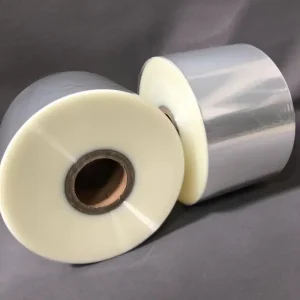
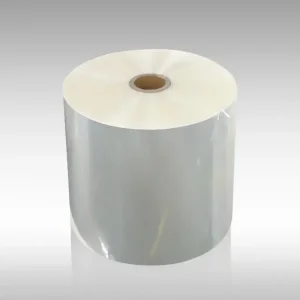
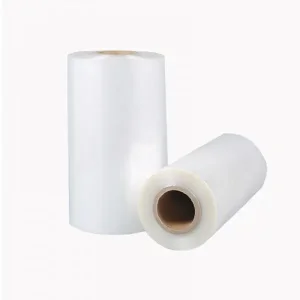
Direct supply of high-performance polymer packaging materials from China's certified manufacturing hubs.
Analyzing key structural factors driving the international demand for high-grade polyvinyl chloride shrink sleeves.
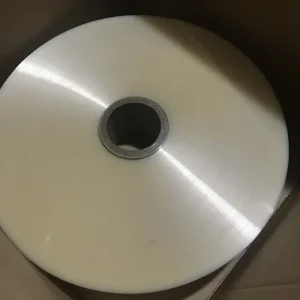
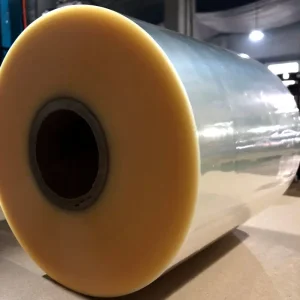
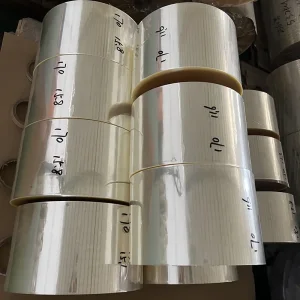
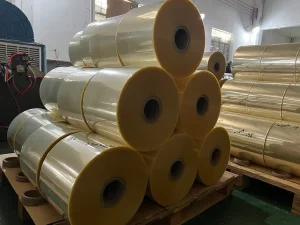
Procuring PVC sleeve shrink films directly from Chinese manufacturers significantly reduces aggregate cost-per-unit while maintaining structural specifications that match high-speed labeling machinery requirements (600+ BPM).
Chinese processors utilize state-of-the-art multi-layer co-extrusion technology. This enables precise control over Transverse Direction (TD) shrinkage percentages and Machine Direction (MD) stability, preventing artwork distortion.
Modern PVC formulations from top-tier exporters comply with strict international regulatory framework guidelines, including REACH, RoHS, and food-grade packaging directives set by global food safety organizations.
The global consumer goods market demands high-impact visual packaging. PVC (Polyvinyl Chloride) sleeve shrink films present the ideal combination of cost-efficiency, superior clarity, and dynamic contour-hugging performance. With shrink capabilities tailored up to 58%, PVC sleeve labels allow brand owners to utilize highly contoured bottles and unique geometrical canisters to stand out on retail shelves.
However, sourcing from high-quality manufacturers is vital. Critical performance parameters such as coefficient of friction (CoF), thickness uniformities, and thermodynamic response curves determine the success of labeling on automatic applicator lines. By partner-sourcing from verified producers, procurers secure optimal run rates, minimize machinery downtime, and eliminate common film problems like splitting or incomplete shrinkage.
Leveraging 20+ years of high-performance film extrusion and strategic packaging resource integration.
Your One-Stop Packaging Material Procurement Platform.
Zhongshan Tianchen New Materials Co., Ltd. is a comprehensive one-stop packaging material procurement platform established on the foundation of more than 20 years of experience in the film packaging industry. Driven by a commitment to resource integration and addressing customer needs, Tianchen ensures that it offers the finest solutions for diverse packaging requirements.
Our professional production, research, and development teams ensure quality control is taken very seriously. The modern quality control system implemented within our facilities ensures that all products meet the customer’s standards. This commitment to quality, combined with large-scale production capabilities, has garnered significant favor and trust from global customers.
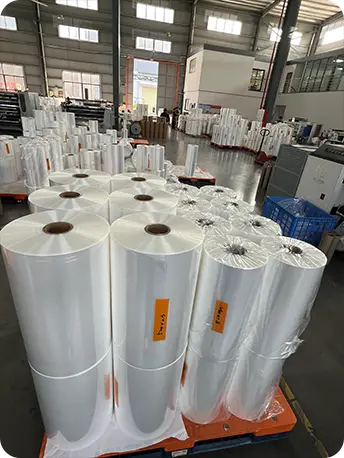
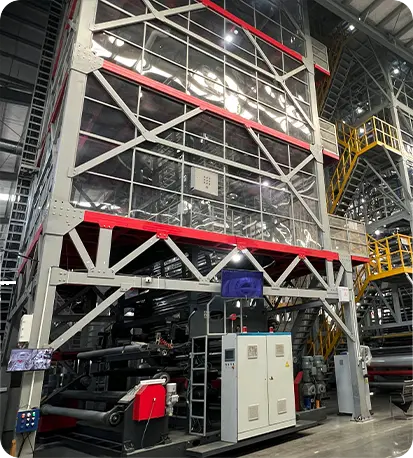
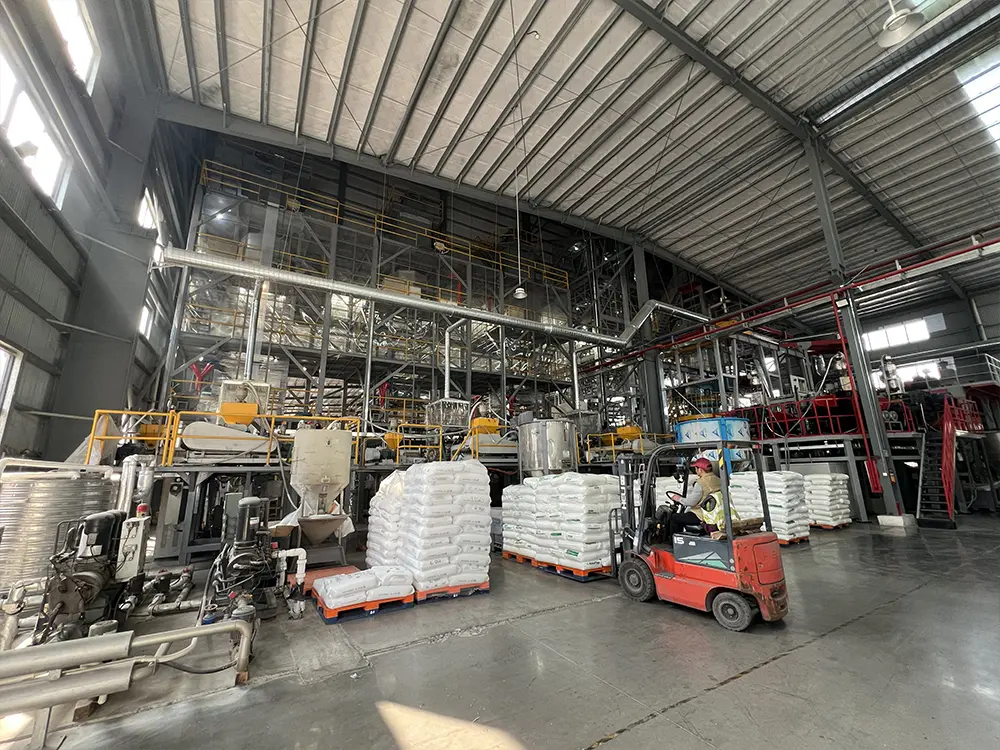
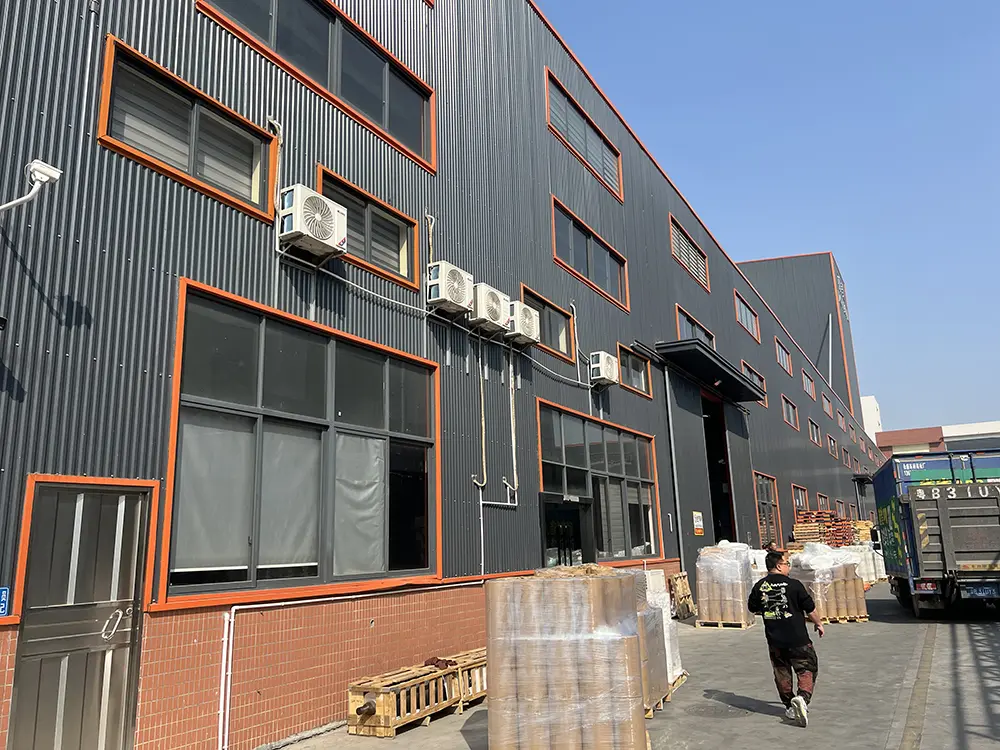
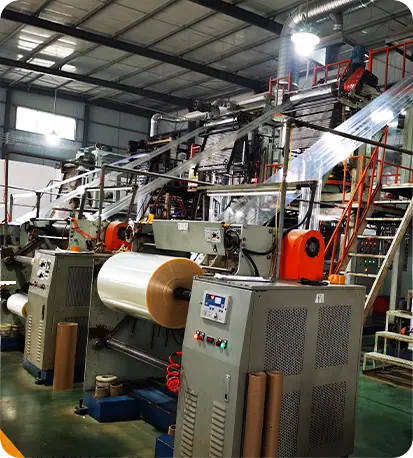
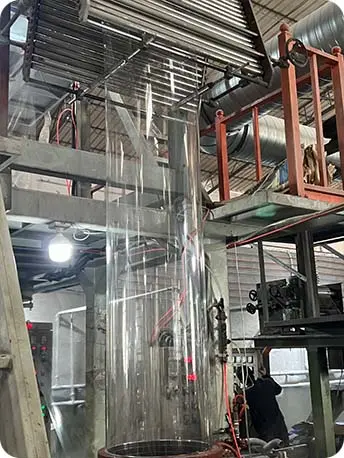
In a highly competitive marketplace, Zhongshan Tianchen New Materials Co., Ltd. stands out as a reliable partner for all your packaging material needs. As a one-stop packaging material procurement platform, Tianchen combines decades of industry expertise with a passion for quality and customer satisfaction.
Whether your enterprise requires eco-friendly heat shrink films, barrier sealing webs, or high-durability labeling materials, we coordinate production runs, custom printing parameters, and direct shipping logistics to keep your global packing lines moving without delay.
Understanding the mechanical properties of PVC versus alternative shrink sleeves to select the correct polymer structure.
| Film Parameter | PVC (Polyvinyl Chloride) | PETG (Polyester Glycol) | OPS (Oriented Polystyrene) | POF (Polyolefin) |
|---|---|---|---|---|
| Typical Thickness Range | 30 – 70 microns | 30 – 50 microns | 40 – 50 microns | 12 – 25 microns |
| Max Transverse Shrinkage (TD) | Up to 58% | Up to 78% | Up to 75% | Up to 65% (Balanced) |
| Machine Direction Shrinkage (MD) | 3% – 5% (Low deviation) | 1% – 3% | 2% – 5% | 60% – 65% (Balanced) |
| Shrink Temp Range | 90°C – 130°C | 70°C – 120°C | 80°C – 110°C | 120°C – 160°C |
| Primary Application Profiles | Sleeves, Cap seals, Tamper bands | High-contour profiles, Recyclable bottles | Squeeze containers, Dairy bottles | Multi-packs, Retail box overwrapping |
| Cost Performance Index | High (Optimal economy) | Medium to Low (Premium cost) | Medium | High (For multi-packs) |
Innovation paths in polymer science aimed at boosting utility, safety, and carbon reduction profiles.
Developing ultra-thin PVC structures (down to 25 or 28 microns) that preserve the mechanical tensile strength and shrink profile of standard 50-micron films, effectively cutting polymer footprint by 30-40%.
Lowering the glass transition onset temperature within PVC resins to enable rapid shrinkage in energy-efficient steam tunnels, optimizing overall electric power consumption during high-volume bottling runs.
Replacing standard heavy-metal and phthalate plasticizers with bio-sourced alternatives. This ensures complete non-toxicity for indirect contact food wrap applications while maintaining traditional film performance.
Guidelines for safeguarding raw film properties during ocean freight and warehouse storage.
PVC is thermodynamically active. To prevent premature shrinkage or blockings during transit through equatorial ocean zones, buyers should request temperature-monitored reefer containers or high-barrier heat-insulating thermal blankets inside shipping dry containers.
Store all PVC sleeve shrink rolls horizontally in original packaging at temperatures below 25°C (77°F) with relative humidity levels between 40% and 60%. High thermal variance can lead to roll deformation, edge-welding, and poor feed rates on automated labeling lines.
Dry winter warehousing conditions can cause static charges to build up on high-speed slitted film rolls. Ensure that your automatic application machinery has active static-neutralizing bars installed to prevent web tracking errors or roll jams.
Technical solutions and sourcing answers for professional procurement teams and packaging engineers.
Under recommended warehouse conditions (constant temperature below 25°C and away from direct sunlight), high-quality PVC shrink film maintains its optimal physical properties and specified shrink profile for 12 months from the date of extrusion.
Tianchen works with premium raw materials and high-precision gravure printing systems utilizing polyolefin-based elastic inks. These inks flex alongside the PVC film during heat tunnel exposure, ensuring zero cracking, flaking, or loss of color intensity.
For uniform shrinkage on complex geometric containers, steam shrink tunnels are preferred over hot-air tunnels. Steam provides highly consistent heat transfer, eliminating localized overheating, hot spots, wrinkles, or uneven edge alignments.
Our typical thickness tolerance on extrusion runs is maintained within ±3% through on-line beta-gauge monitoring. This keeps high-speed automated applicator lines feeding smoothly without drag or web tracking errors.
Explore specialized industrial packaging films, barrier laminations, and tailored shrink wrap grades.
 Tianchen Materials