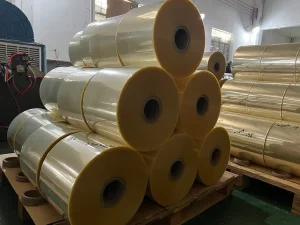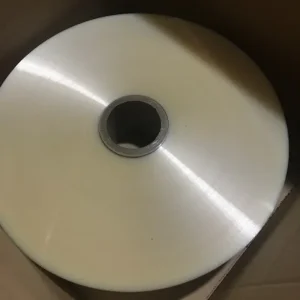
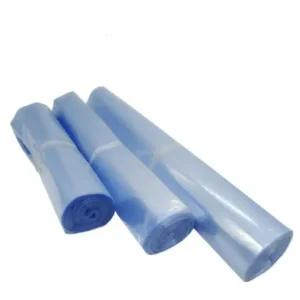
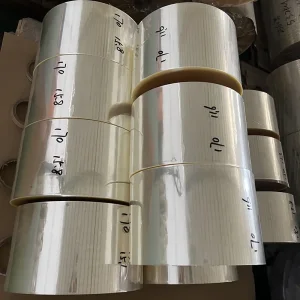
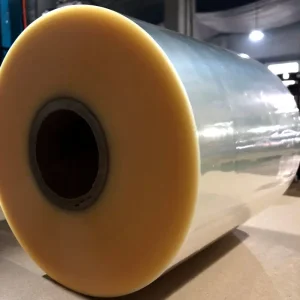
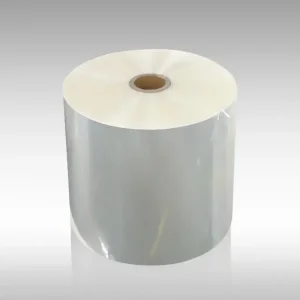
Bridging traditional film extrusion masterclass with modern polymer science and global trading excellence.
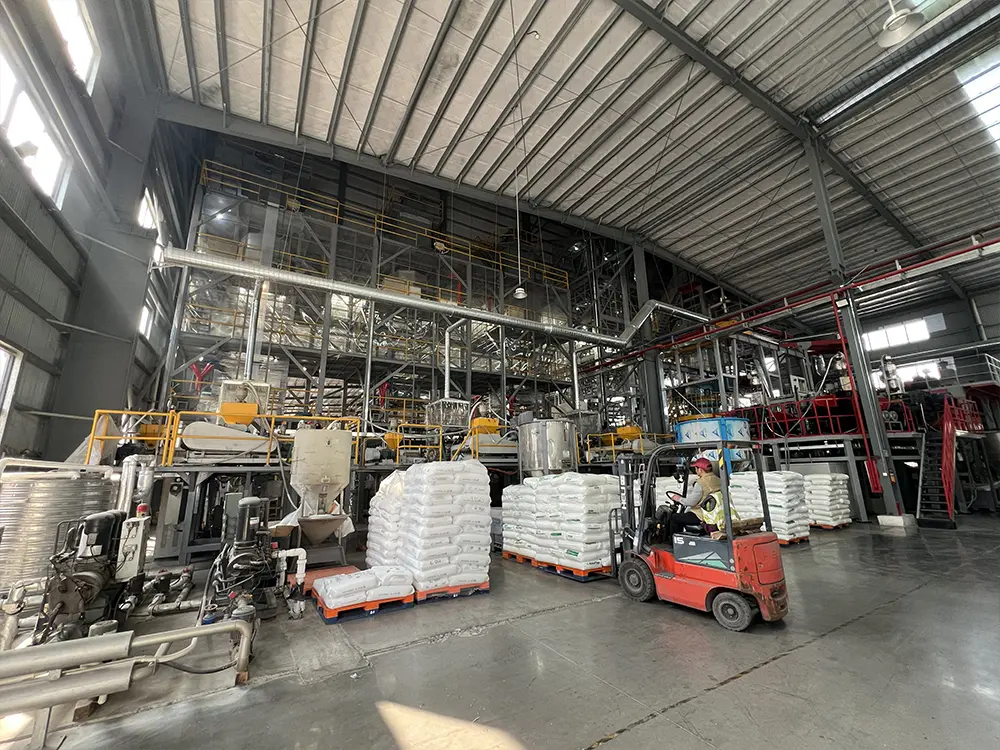
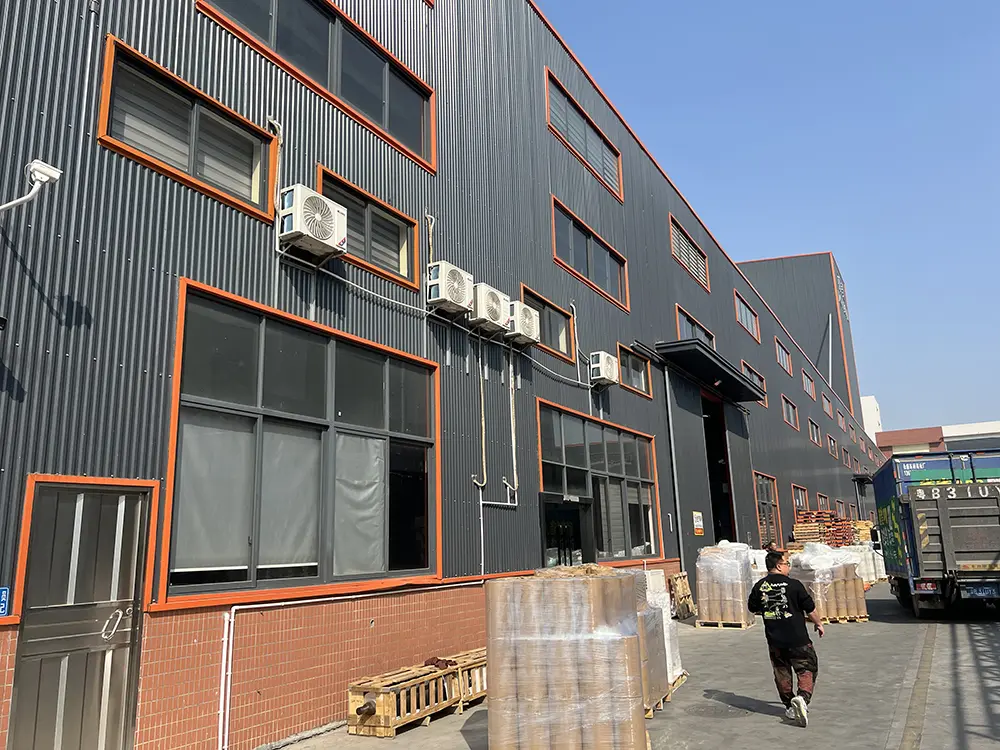
Zhongshan Tianchen New Materials Co., Ltd. is a premier one-stop packaging material procurement platform established on the basis of more than 20 years of experience in the film packaging industry.
Driven by a strict commitment to supply chain resource integration and addressing diverse customer needs, Tianchen ensures that it offers the finest solutions for packaging film configurations, technical compliance, and machinery integration. By merging decades of industrial know-how with cutting-edge material engineering, we guarantee top-tier mechanical strength, chemical stability, and cost performance for global supply partners.
At Tianchen, we have professional production, research and development, and sales teams. Quality control is taken very seriously. The modern quality control system implemented within the company ensures that all products meet the customer's standards. This commitment to quality, combined with large-scale production capabilities, has garnered significant favor and trust from customers. The company's experienced professionals continuously work to innovate and improve product offerings, ensuring that they always deliver the best to their clients.
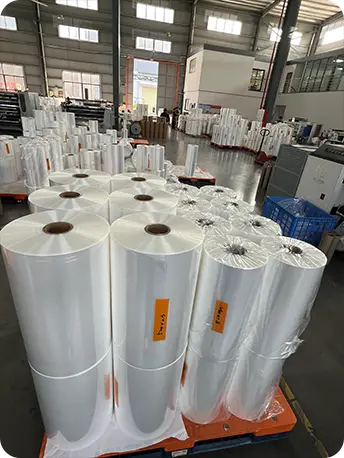
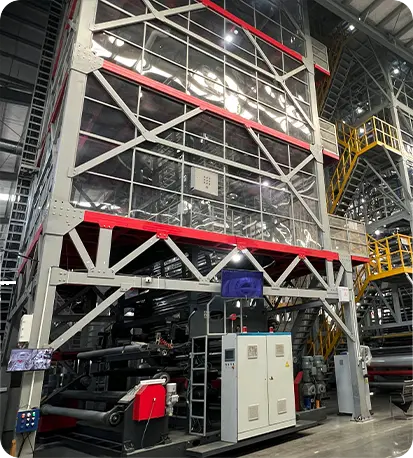
In a competitive marketplace, Zhongshan Tianchen New Materials Co., Ltd. stands out as a reliable partner for all your packaging material needs. As a one-stop packaging material procurement platform, Tianchen combines decades of industry expertise with a passion for quality and customer satisfaction. Whether you need eco-friendly heat shrink films or durable labeling solutions, Tianchen is here to provide the best in the industry.
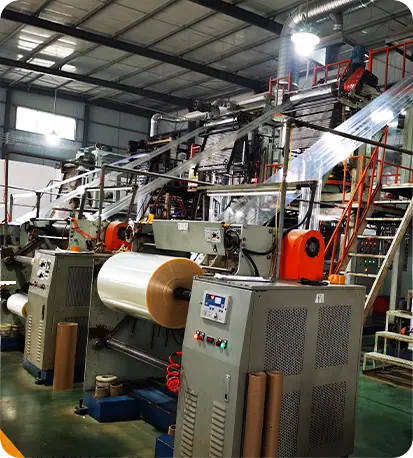
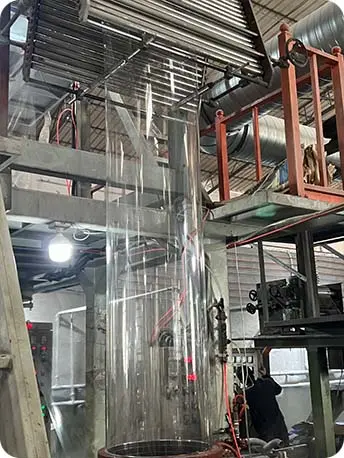
An authoritative, engineering-level dive into the molecular manipulation and production chemistry of commercial polyvinyl chloride film.
The production of industrial-grade PVC shrink film relies heavily on the Double-Bubble (Biaxially Oriented) Extrusion Process. The molecular chain configuration of polyvinyl chloride is inherently rigid; thus, the formulation design must start with a precise blending of Suspension PVC Resin (typically having a K-value between 65 and 68) with highly compatible primary plasticizers (such as DOTP or DOA to replace phthalates), liquid Ca-Zn complex thermal stabilizers, slipping agents, and anti-static additives.
Once homogeneous dry-blending is complete, the compound is fed into a high-torque single-screw or co-rotating twin-screw extruder. The material is melted and homogenized under temperature zones ranging from 165°C to 185°C. An excessively high heat profile will trigger polymer degradation (HCl elimination), while under-heating yields poor gelation, causing visual fisheyes and weakened tensile properties.
The primary tube extrudes vertically downward from a circular die and is instantly quenched in tempered water to freeze its amorphous state, preventing crystallization. The tube is then reheated in a hot-water bath or radiant heater to its glass transition temperature (Tg, approximately 75°C - 85°C) and inflated with internal compressed air to form a "second bubble." This bubble is simultaneously stretched in the transverse direction (TD) via the air pressure and in the machine direction (MD) via differential speed rollers. This dual-axis orientation locks high internal stresses within the polymer structure, which are released as thermal shrinkage when exposed to heat tunnels.
Deciphering the critical performance attributes and supply chain factors that international buyers mandate during vendor selection.
Buyers require customized shrinkage profiles. High-speed automatic label application machines require consistent TD shrinkage (up to 55%) with minimal longitudinal growth to prevent distortion of graphics on contoured containers.
For point-of-sale consumer packaging, a low haze value (< 2.5%) and high gloss rating are critical. This highlights the product's visual appeal, which directly impacts the buyer's brand perception in supermarket environments.
Unstabilized PVC degrade rapidly under thermal fluctuations during sea freight. Global buyers prioritize suppliers utilizing superior stabilizer systems to secure at least 12 months of storage stability without spontaneous shrinkage.
How customized formulations fit specific industrial demands, from heavy-duty multi-packs to tamper-evident safety seals.
Polyvinyl Chloride (PVC) shrink films are highly versatile. The glass transition temperature is lower than that of POF or PET-G, allowing it to shrink rapidly at lower oven settings. This protects heat-sensitive contents like cosmetics, pharmaceutical preparations, and electrical components from thermal degradation.
By tailoring the formulation, we supply high-slip versions for high-speed multi-packaging lines, as well as high-friction formulations to prevent pallet slip in heavy-duty stack bundling.
* This balanced mechanical layering prevents film blocking in humid storage and ensures smooth feeding through automatic application machinery.
Safeguarding supply chains with international certification compliance and optimized localized technical support.
All production conforms to the EU REACH regulations, RoHS directives, and international heavy metal restrictions. Our formulations are heavy-metal free, making them safe for non-direct food contact and retail shelf applications.
To address thermal shrinkage risks in tropical transits, we schedule refrigerated container transportation (reefers) to maintain temperatures below 25°C, ensuring the rolls arrive in optimal condition.
We offer custom slit-widths, specialized core sizing (3-inch vs 6-inch), and targeted printing treatments (corona treatment levels > 38 dyne/cm) to match local converting machinery requirements.
Advancing sustainability in oriented films: Our development pathway toward low-carbon and circular economy compliance.
Successfully transitioned all industrial formulations to organic calcium-zinc (Ca-Zn) thermal stabilizers, eliminating lead and cadmium to ensure safety and regulatory compliance.
Optimizing die geometries and polymer blend distribution to down-gauge standard 30-micron films to 20-micron equivalents, reducing raw material usage by up to 33% without compromising puncture resistance.
Investing in multi-layer POF (polyolefin) and PET-G hybrid extrusion setups to offer drop-in replacements for standard PVC packaging lines, supporting circular economy recycling streams.
Answers to technical and regulatory questions regarding procurement, testing, and application performance.
 Tianchen Materials