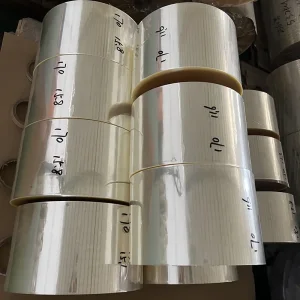
Direct supply-chain integration from qualified manufacturing plants utilizing high-density cross-linked polymer matrices and custom configurations.
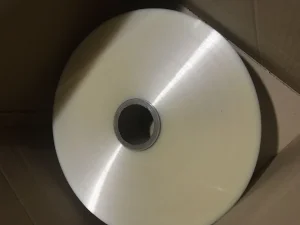
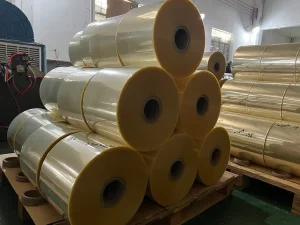
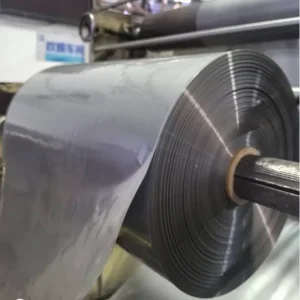
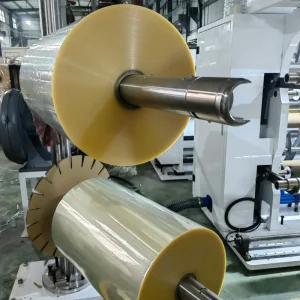
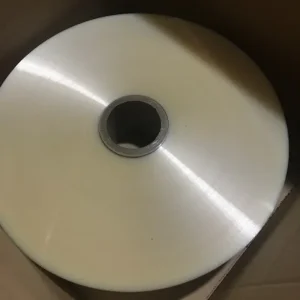
In modern industrial packaging science, the development of cross-linked polymer matrices has revolutionized load protection, preservation, and high-speed efficiency. Standard polyethylene (PE) and polypropylene (PP) substrates, while versatile, frequently face limitations under high shear stress, extreme temperatures, and sharp load profiles. The answer lies in the molecular reconstruction enabled by cross-linking resins.
Historically, the molecular chain of standard linear low-density polyethylene (LLDPE) consists of linear backbones with short-chain branches. Under thermal stress or structural load, these chains slide past each other easily, resulting in lower puncture resistance and thermal deformation. When compounding using specialised cross-linking agents and resins (frequently activated via irradiation or chemical initiators), covalent bonds are created between the polymer backbones. This three-dimensional network structurally anchors the chains, translating directly to outstanding performance metrics:
High-energy electron beam radiation is applied to the extruded film. This clean physical process extracts hydrogen atoms from the carbon backbone, generating free radicals that bond together. This achieves a highly uniform cross-link density without chemical residues, optimal for food-grade packaging.
Chemical initiation using organic peroxides at elevated temperatures during extrusion. Thermal breakdown of the peroxide creates active radicals on the polymer chains, linking them. Best for specialized, heavy-duty industrial film lines.
Organosilanes are grafted onto the polyolefin backbone, followed by moisture-induced cross-linking in hot-water baths or steam saunas. Widely used for complex technical laminates and specific durable barrier films.
In China, factories and polymer processing hubs have optimized these technologies to yield a vast range of products. The output ranges from highly flexible packaging layers to heavy-duty industrial barriers. The application of cross-linked resins directly reduces packaging weight. It enables converters to use down-gauged (thinner) films while retaining high mechanical strength, puncture resistance, and seal integrity.
Globally, the packaging market is shifting towards lighter, stronger, and more recyclable materials. Cross-linked polyolefin (POF) films have become essential in sectors like food processing, consumer goods, e-commerce shipping, and electronics manufacturing. Regionally, the dynamic breaks down as follows:
Chinese factories are no longer merely low-cost production sites. They have modernized into innovation centers that produce high-performance barrier layers, custom-printed shrink systems, and specialty films. These products rival European and North American standards in yield strength, clarity, and seal stability, while offering significant supply chain advantages.
Years Industry Experience
Quality Inspected Output
Certified Standards
Global Export Destination Countries
The next phase of innovation in polymer engineering focuses on sustainability and digital integration. As global regulatory bodies push for a circular economy, China's resin manufacturers and film processing facilities are adopting a structured technical roadmap:
A key technical challenge is incorporating PCR content into cross-linked POF matrices. Because cross-linked polymers form a permanent 3D network, they cannot be simply melted down and re-extruded. Industry R&D is solving this by using chemical recycling (pyrolysis) to return cross-linked plastic waste to its monomeric state, creating food-safe circular resins.
Factories are increasingly introducing bio-based feedstock derived from agricultural waste or tall oil. When cross-linked, these bio-based resins match the technical performance of petroleum-based counterparts, allowing brands to reduce their carbon footprint without sacrificing packaging durability.
Modern extrusion lines are moving from 3-layer or 5-layer co-extrusion to 9-layer and 13-layer micro-layer systems. This allows engineers to place specialized cross-linked resins in ultra-thin, functional layers. For example, outer layers can be optimized for high slip and low friction, while inner layers provide high puncture resistance.
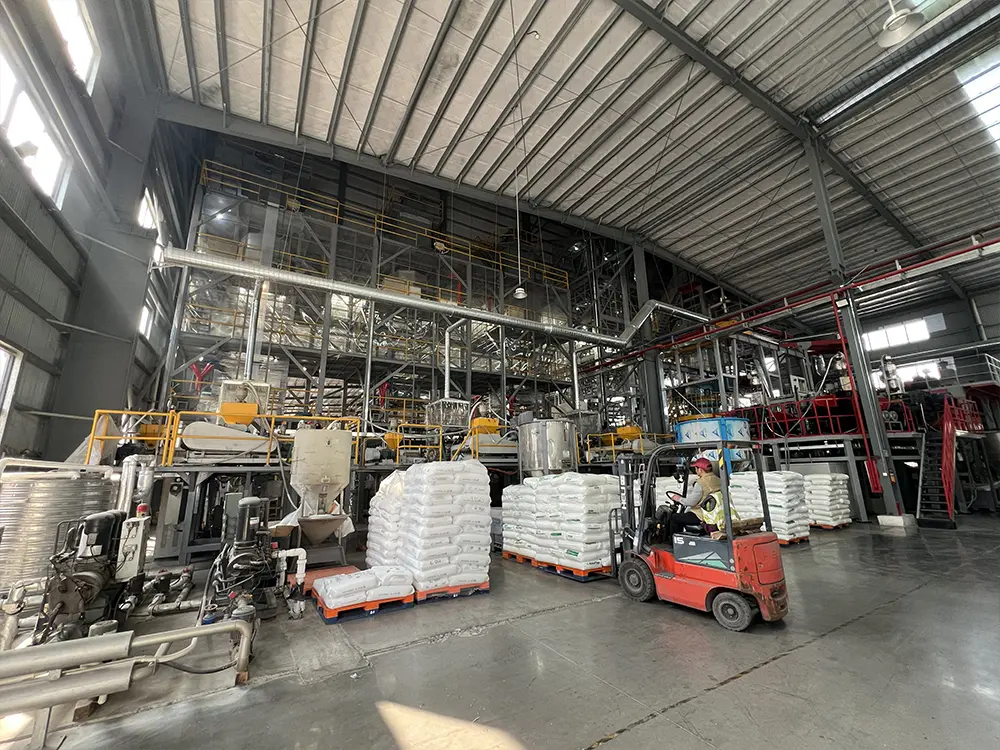
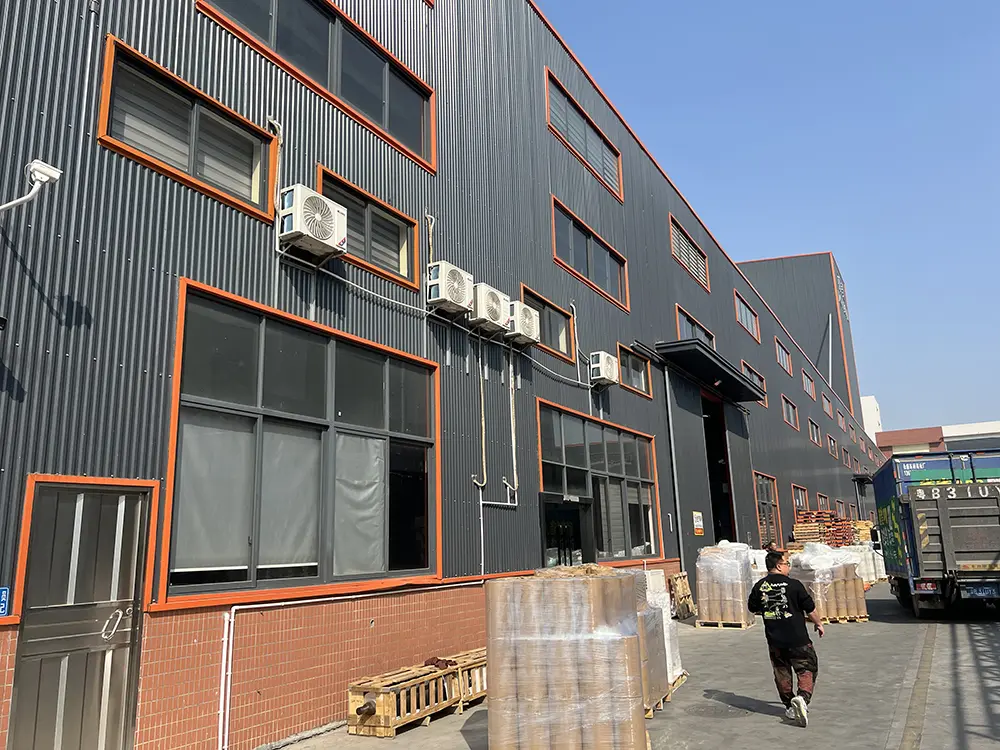
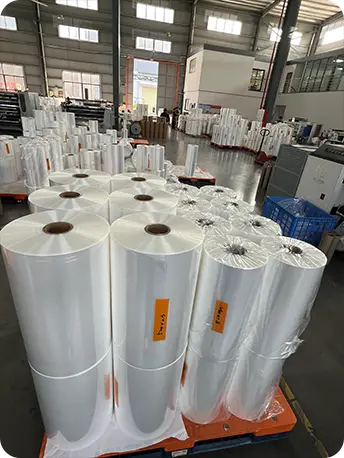
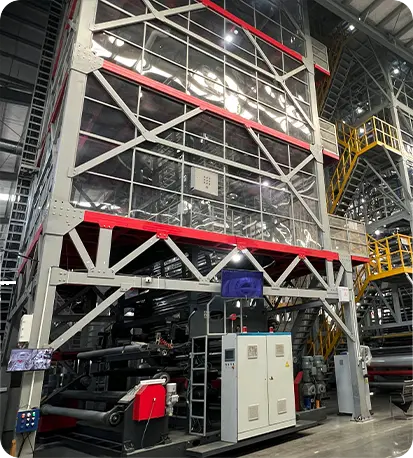
Your One-Stop Packaging Material Procurement Platform.
Established on a foundation of more than 20 years of experience in the film packaging industry, Zhongshan Tianchen New Materials Co., Ltd. acts as a comprehensive procurement platform. Driven by a commitment to resource integration and customer needs, Tianchen ensures it offers the finest solutions for diverse packaging requirements globally.
With professional production, research & development, and sales teams, quality control is central to our operations. The modern quality control systems implemented within the company ensure all products meet global customer standards. This dedication to quality, combined with large-scale production capabilities, has earned the trust and partnership of clients worldwide.
Our experienced professionals continuously innovate and improve product offerings. Whether you require standard, high-durability, eco-friendly heat shrink films, or specialized labeling solutions, Tianchen supports you through every step: from formulation design and trial extrusion to final logistics and compliance documentation.
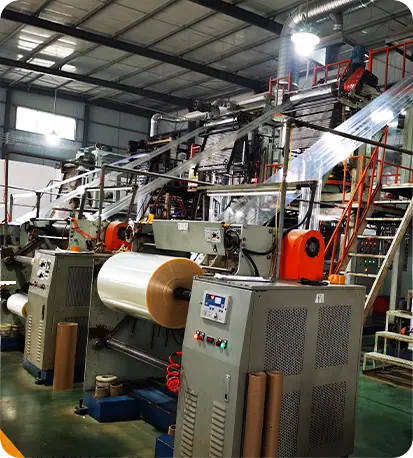
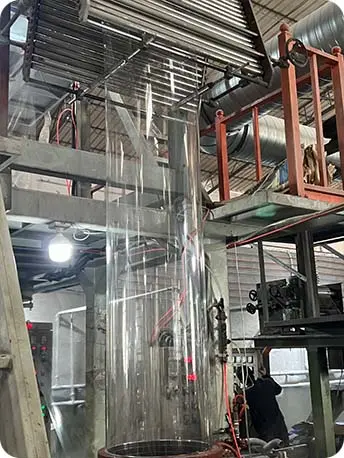
Cross-linked films are engineered to solve specific packaging challenges across various industries. Here are the primary applications where cross-linked chemistry outperforms traditional options:
In high-volume facilities, packaging machines operate at speeds up to 120-150 packs per minute. Standard shrink films can tear or fail to seal securely under these high temperatures and fast cycle times. Cross-linked POF films offer a wider seal window and higher hot tack strength, ensuring reliable seals and minimal line downtime.
Bundling heavy or odd-shaped items, such as housewares, tools, or multiple beverage bottles, presents significant challenges. The high shrink tension and puncture resistance of cross-linked formulations prevent sharp corners from piercing the film, keeping bundles tight and stable throughout transit.
Packaging fresh produce, meats, or dairy requires films that shrink reliably at lower temperatures to protect the food, while retaining clarity. Custom-formulated low-temperature cross-linked films shrink rapidly at lower temperatures, maintaining food quality and visual appeal on store shelves.
To serve international markets, China's manufacturers maintain compliance with major global regulatory standards. Industrial components and film formulations undergo regular testing to meet strict environmental and safety regulations:
By complying with these standards, Chinese suppliers ensure smooth customs clearance and help international brand owners meet their sustainability commitments.
Technical answers to common questions about cross-linked resin technology and packaging applications.
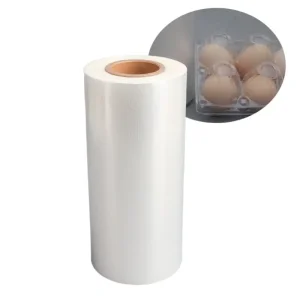
Engineered multi-layer films for high-barrier food packaging, egg packaging, and industrial protection, direct from factory production lines.
 Tianchen Materials