High-performance polymer substrates engineered to withstand high humidity and demanding logistics corridors.
Understanding supply chains, local production constraints, and technical requirements in Central Africa's resource-rich hub.
The Democratic Republic of the Congo (DR Congo) represents one of the fastest-growing consumer markets in Sub-Saharan Africa. Driven by rapid urbanization in metro areas like Kinshasa, Lubumbashi, Kolwezi, and Goma, there is an unprecedented surge in demand for locally manufactured fast-moving consumer goods (FMCG), processed foods, cosmetics, and household products. Key local industries—ranging from flour milling, snack production, and dry food packaging to soap and detergent manufacturing—require high-quality packaging materials to ensure product safety, long shelf lives, and visual market appeal.
However, the packaging manufacturing value chain inside the DRC faces significant systemic hurdles. The lack of domestic petrochemical refining forces local converters and packaging plants to rely entirely on imports for high-grade plastic substrates. In particular, Cast Polypropylene (CPP) and Oriented Polypropylene (OPP) Heat Seal Films are critical imports. Without these specialized materials, local food processors cannot safely seal their products, leading to contamination, spoilage, and substantial financial losses.
Furthermore, the tropical climate of the DRC—characterized by high temperatures and extreme humidity levels—poses intense physical challenges to flexible packaging. Films must offer excellent water vapor transmission rates (WVTR) and stable, low Coefficient of Friction (COF) values to prevent blocking and ensure high-speed processing on automated packaging machines under humid conditions. High-efficiency heat seal materials are no longer a luxury; they are a fundamental operational necessity.
An authoritative breakdown of polymer structures, sealing thresholds, and barrier capabilities.
Selecting the optimal flexible film requires a deep understanding of polymer properties. Both CPP and OPP have unique structural designs that make them suitable for specific applications in the packaging supply chain:
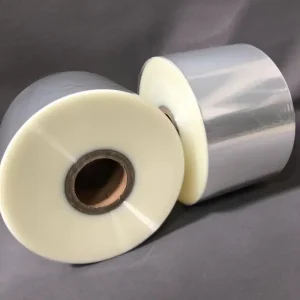
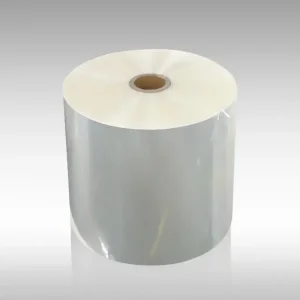
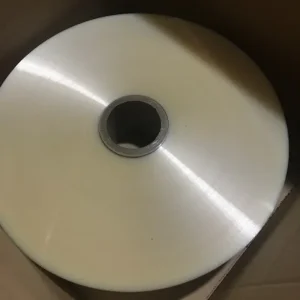
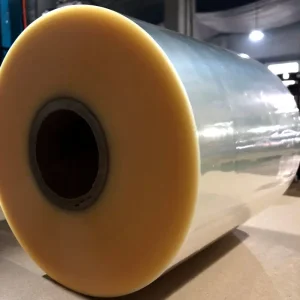
Produced via a cast extrusion process, CPP film is highly valued for its exceptional impact strength, high tear resistance, and outstanding heat-seal performance. It serves primarily as the sealing layer in multi-layer laminated structures.
Stretched in both machine and transverse directions, biaxially oriented film features superior tensile strength, remarkable stiffness, and unmatched optical clarity. Co-extruded OPP features thin heat-sealable skins on one or both sides.
When sourcing films for plants operating in Kinshasa or Lubumbashi, procurement managers must evaluate several technical metrics to prevent machinery downtime:
Overcoming port congestion, transport corridors, and inland shipping bottlenecks.
Exporting plastic films to the DRC requires rigorous logistics planning. At Zhongshan Tianchen New Materials Co., Ltd., we recognize that product cost is only one part of the equation; transit security, humidity-controlled packing, and predictable delivery dates are what keep your factory running. We utilize two main trade corridors to serve the country's distinct industrial regions:
1. The Western Port of Matadi (Serving Kinshasa & Western DRC): Standard ocean freight shipments depart from major Chinese shipping hubs to the Port of Matadi. From Matadi, containers are transported by road or rail along the critical transport corridor directly to the industrial zones of Kinshasa. Given the potential customs delays at Matadi, we provide comprehensive documentation packs, including verified certificates of analysis, to expedite clearance.
2. East African Gateways (Serving Lubumbashi, Kolwezi & Goma): For the mining and manufacturing hubs in Katanga province and Eastern DRC, routing shipments through the ports of Dar es Salaam (Tanzania) or Mombasa (Kenya) is highly efficient. Goods are transported inland via the Central and Northern Corridors, bypassing Western logistical bottlenecks and delivering materials straight to your facility.
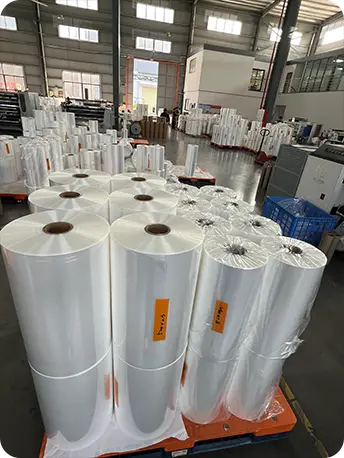
To preserve the physical properties of CPP and OPP films during these long, humid transit routes, we pack all master rolls with moisture-absorbing desiccants and wrap them in thick, protective barrier foils, mounted securely on reinforced pallets to withstand challenging road freight conditions.
Ensuring your imported materials conform to OCC (Office Congolais de Contrôle) guidelines and international safety standards.
Industrial food processors exporting from or selling within the DRC must comply with stringent food safety criteria. The Office Congolais de Contrôle (OCC) monitors imported industrial materials to ensure they do not contain toxic chemicals or present migration hazards. Our CPP and OPP heat seal films are manufactured strictly in accordance with FDA (U.S. Food and Drug Administration) Regulation 21 CFR 177.1520 and EU Commission Regulation (EU) No 10/2011 regarding plastic materials intended to come into contact with food.
We provide full traceability, migration test reports, and certificates of conformity for every single production run. This compliance documentation guarantees that your packaging lines will operate smoothly during OCC inspections and ensures that your packaged foodstuffs remain safe, fresh, and free from off-flavors or chemical contamination throughout their shelf life.
Moving toward circular economies, recyclable mono-material structures, and energy-saving low-temp films.
As global consumer goods brands operating in the DRC commit to sustainability, the packaging industry is transitioning away from complex, non-recyclable multi-material laminates (such as PET/PE or PET/Alu/PE structures). The current trend focuses on monomaterial packaging structures.
By laminating OPP with CPP, converters create a 100% polypropylene structure that is highly recyclable. This matches the protective barrier properties of mixed plastics while fitting seamlessly into global circular economy loops. Additionally, we are actively developing and supplying ultra-low SIT (Seal Initiation Temperature) films that require less heat to form strong seals, significantly reducing electricity consumption—a critical operational advantage in regions facing power supply fluctuations.
Expert technical answers for procurement directors and packaging engineers in the DRC.
Zhongshan Tianchen New Materials Co., Ltd. – Your One-Stop Packaging Material Procurement Platform.
Zhongshan Tianchen New Materials Co., Ltd. is a comprehensive packaging material procurement platform established on the foundation of more than 20 years of experience in the film packaging industry. Driven by a commitment to resource integration and addressing customer needs, Tianchen ensures that it offers the finest, most cost-effective solutions for diverse packaging requirements across the globe, including emerging markets in Central and Eastern Africa.
At Tianchen, we have professional production, research & development, and sales teams. Quality control is taken very seriously; our modern quality control systems ensure all shipped products meet the client's strict standards. This commitment, combined with large-scale production capabilities, has garnered significant trust from international customers. Our experienced professionals continuously work to innovate and improve product performance, ensuring we deliver the best in the industry.
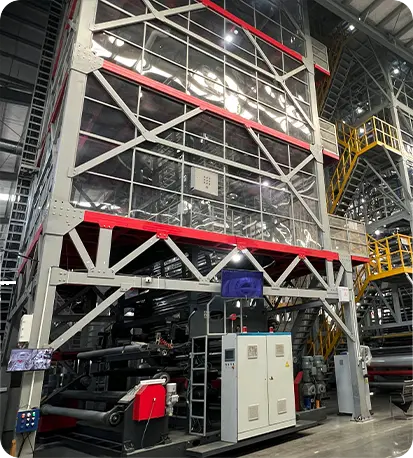
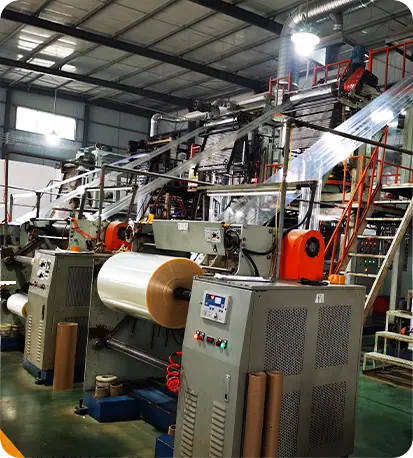
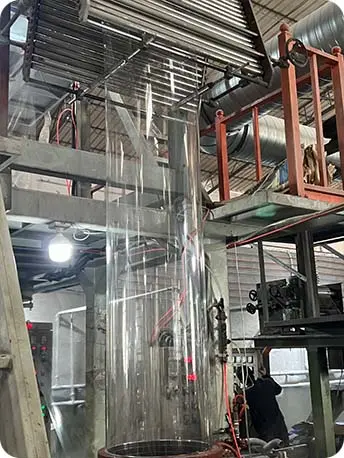
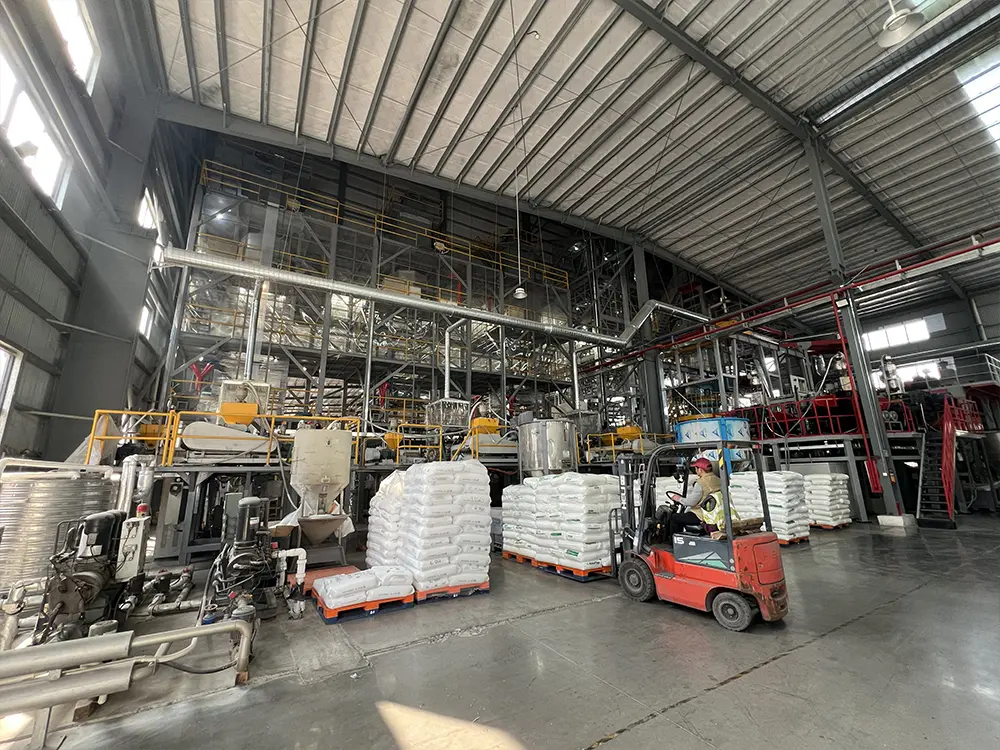
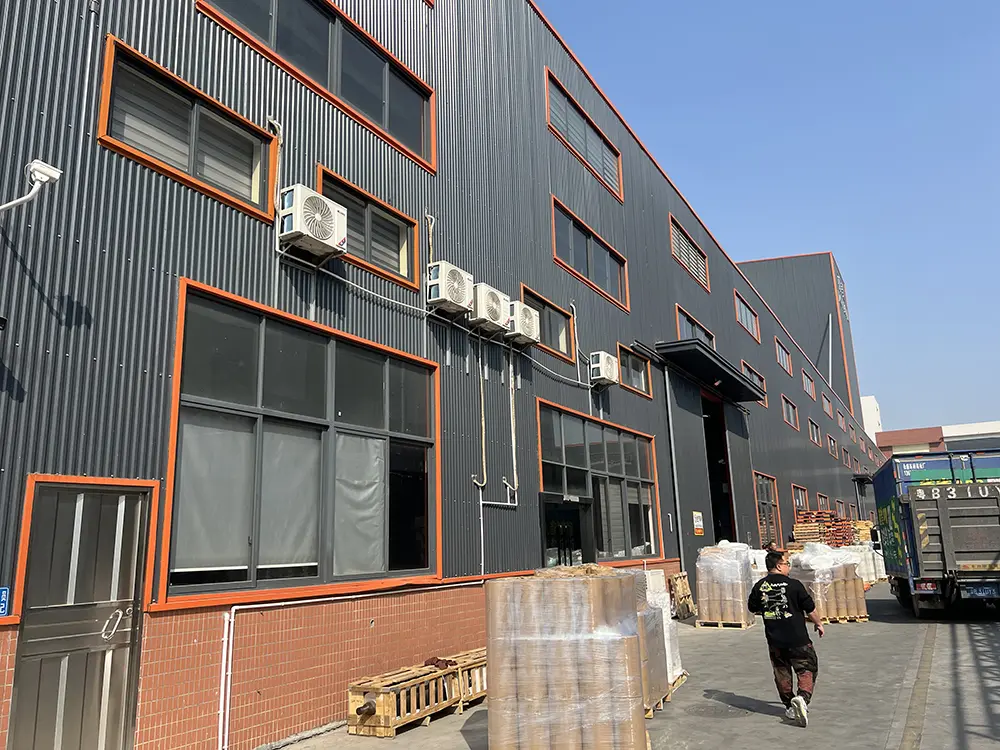
Providing industrial packaging solutions for dry foods, household goods, printing labels, and automotive parts in Goma, Lubumbashi, and Kinshasa.
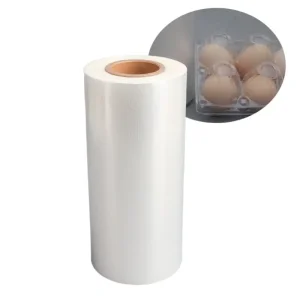
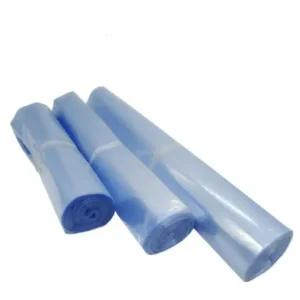
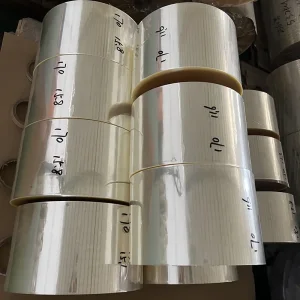
 Tianchen Materials