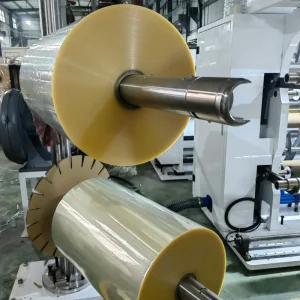
In the contemporary landscape of global commerce, packaging is no longer merely a protective shell but an integral component of supply chain efficiency, shelf-life dynamics, and environmental stewardship. Polyethylene (PE) films stand at the apex of flexible packaging solutions due to their molecular versatility, tensile configuration capabilities, and processing economics. As global brands look to minimize total cost of ownership (TCO) while executing carbon footprint reductions, selecting the optimal Wholesale PE Film Packaging Supplier has transitioned into a vital strategic procurement decision.
Understanding the core polymer dynamics—varying from low-density polyethylene (LDPE) for excellent elasticity to linear low-density polyethylene (LLDPE) for superior puncture resistance, and high-density formulations (HDPE) for high-rigidity moisture barriers—enables manufacturing organizations to customize barrier structures. Current macroeconomic shifts toward circular economies demand packaging substrates that support thin-gauging, monomaterial recyclability, and post-consumer recycled (PCR) resin integration.
As the supply chain confronts raw material volatility and evolving maritime logistics frameworks, enterprise buyers require robust partnerships with suppliers that possess deep technological capacities, responsive quality assurance, and global operational resilience. This report serves as a detailed technical and commercial guide for global sourcing agents and packaging engineers seeking optimization pathways in film packaging procurement.
Flexible packaging relies on molecular orientation and barrier co-extrusion technology to deliver protective qualities. Depending on the product morphology, moisture sensitivity, oxygen decay rate, and shelf life, engineers will select distinct polymeric film properties. Below is a professional comparison of the primary industrial polymeric film layers used across sectors, mapping their intrinsic performance characteristics:
| Material Classification | Common Acronyms | Tensile Strength (MPa) | Water Vapor Transmission Rate (WVTR) | Clarity / Optical Transparency | Primary Industrial Applications |
|---|---|---|---|---|---|
| Polyethylene (LDPE/LLDPE/HDPE) | PE / LLDPE | 15 – 35 | Low (Good moisture barrier) | Translucent to Clear | Collation shrink wraps, food liners, industrial bags |
| Cast Polypropylene | CPP | 30 – 50 | Moderate | High Clarity | Inner sealing layer, retort foods, bread packaging |
| Biaxially Oriented Polypropylene | OPP / BOPP | 120 – 180 | Low | Ultra-High Clarity | Snack bags, overwrapping, high-speed bag makers |
| Polyolefin Shrink Film | POF | 60 – 100 | Moderate | Excellent Gloss & Clarity | Multi-pack promotions, retail goods, automotive components |
| Polyvinyl Chloride | PVC | 40 – 60 | High | High Clarity (Low temp shrink) | Wine capsule sleeves, stationery wraps, electrical harness tape |
By implementing co-extrusion techniques, modern suppliers can create multi-layer film topologies combining these polymers to balance tear strength, printability, puncture resistance, and oxygen protection. For example, a PE-dominant structure can be reinforced with specialized barrier layers like EVOH or metallized OPP to provide optimal gas containment while maintaining PE-recyclability frameworks.
Procurement of bulk industrial films requires analyzing the macro economic ecosystem. Packaging represents between 3% to 15% of the total manufacturing cost of goods sold (COGS) across heavy consumer, agricultural, and industrial sectors. Strategic sourcing focuses not only on per-ton film costs, but on functional operational efficiencies:
By utilizing high-performance resins and multi-layer extrusion technologies, manufacturers can reduce film thickness (gauge) without sacrificing tensile strength. This reduces overall plastic weight by up to 25%, resulting in direct tax and transit savings.
Film thickness consistency and precise coefficient of friction (COF) controls prevent web breaks on automated packing lines. High-speed form-fill-seal (FFS) machines operate optimally when film stretch and slip properties remain within strict tolerances.
Implementing vendor-managed inventory (VMI) and buffer stocks ensures assembly lines are protected against logistics interruptions. Responsive suppliers provide robust container tracking and flexible scheduling to accommodate demand shifts.
Regional policies, such as the EU Plastic Packaging Tax, the UK Plastic Packaging Tax, and California's SB 343, shape global material selections. Enterprises are seeking supply channels that guarantee traceably sourced circular polymers or verified bio-based inputs to satisfy legal mandates and preserve brand reputation.
Industrial and commercial packaging needs vary widely between sectors. A one-size-fits-all film solution often leads to over-packaging or product damage during transit. The key is aligning polymer characteristics with product needs.
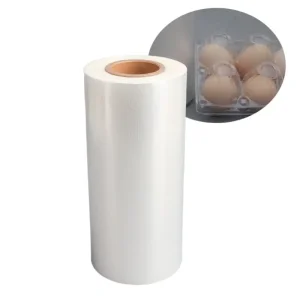
Food logistics require oxygen barrier control, anti-fog performance, and thermal seal integrity. Our food-grade films, including micro-perforated options for produce, maintain internal humidity levels to prevent rot while offering reliable heat seal properties. For products like eggs, bread, and quick-frozen poultry, custom-oriented films ensure package stability and food safety.
Industrial components, sharp sheet metals, and heavy automotive parts demand high puncture resistance and tear propagation limits. Low-density, high-tensile POF shrink films wrap complex profiles securely, protecting them against oxidation, moisture ingress, and scuffing during transit.
Medical supply logistics rely on sterility and barrier security. Antibacterial CPP/OPP co-extrusions protect instruments, surgical gowns, and chemical vessels from bacterial contamination. These materials feature high chemical inertness, preventing reactions with the packaged items.
FMCG brands use secondary packaging to group products securely for retail distribution. High-clarity PVC and POF shrink films provide crisp optics, displaying branding clearly while holding cans, bottles, or boxes together under tension.
Zhongshan Tianchen New Materials Co., Ltd. serves as a one-stop packaging material procurement platform, established on a foundation of more than 20 years of experience in the film packaging industry. Driven by a commitment to resource integration and addressing customer needs, Tianchen offers tailored packaging solutions for diverse packaging requirements.
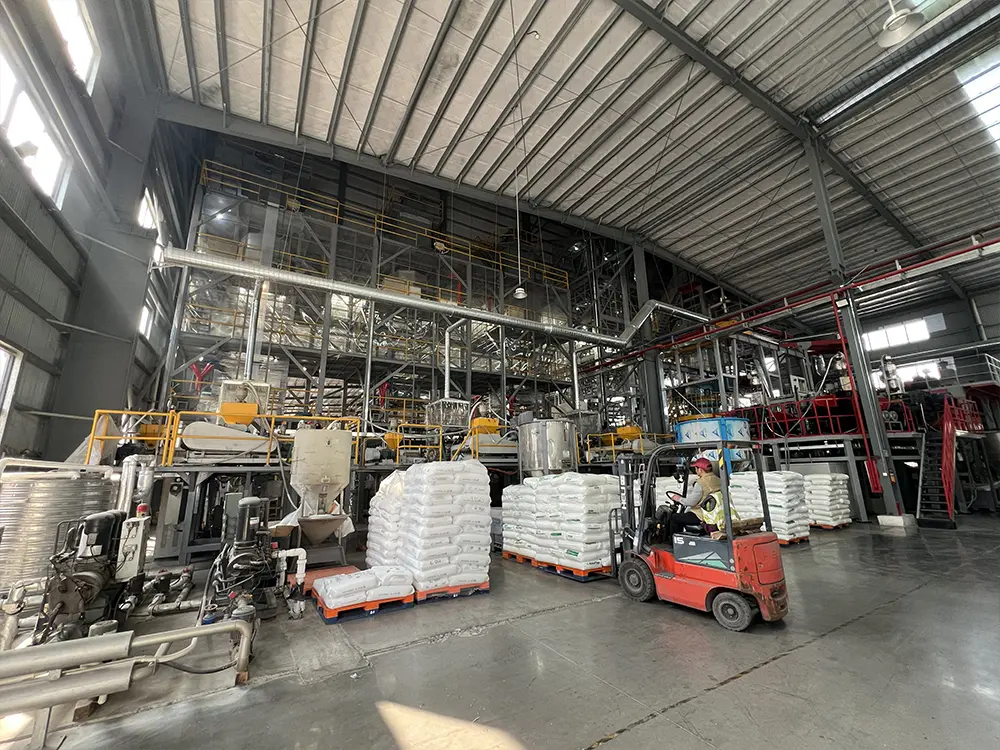
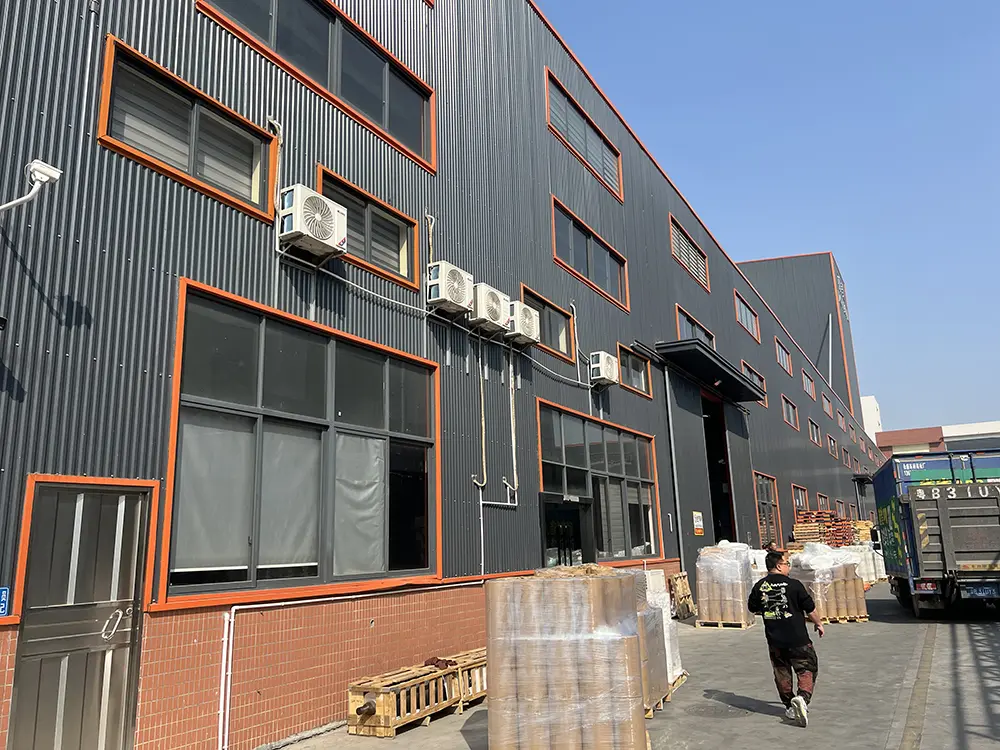
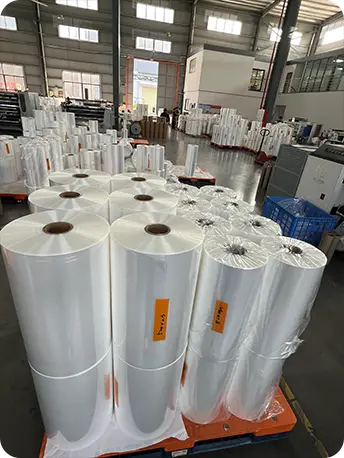
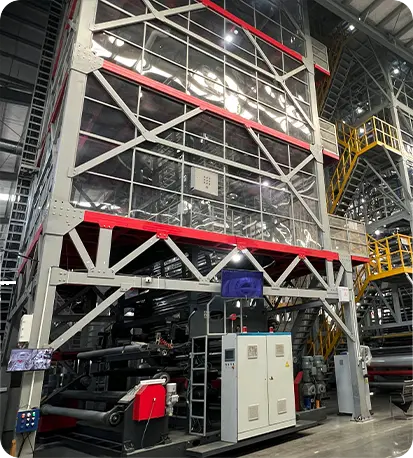
At Tianchen, we maintain dedicated production, research and development, and sales teams, prioritizing quality control at every stage. Our modern quality management system ensures all finished films meet customer specifications. By combining research with large-scale production capabilities, we deliver consistent material quality to our global clients.
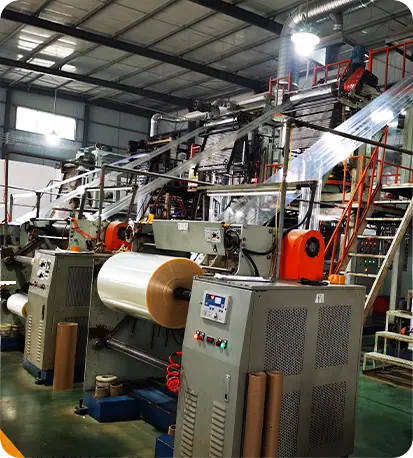
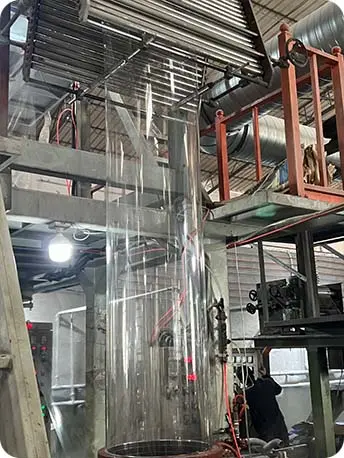
In a competitive marketplace, Zhongshan Tianchen New Materials Co., Ltd. stands out as a reliable partner for all your packaging material needs. As a one-stop packaging material procurement platform, Tianchen combines decades of industry expertise with a passion for quality and customer satisfaction. Whether you need eco-friendly heat shrink films or durable labeling solutions, Tianchen is here to provide the best in the industry.
The packaging film sector is evolving to align performance with sustainability. By optimizing polymer structures, suppliers can meet international green initiatives while reducing total material usage.
Traditionally, barrier pouches required laminating dissimilar materials (e.g., PET/PE or BOPA/PE), which complicates recycling. Modern developments allow for mono-material packaging, using oriented PE resins to achieve necessary barrier performance within a single, recyclable polymer family.
Integrating post-consumer recycled (PCR) resin into film layers helps close the plastic loop. Standardizing processing parameters ensures films with high PCR content maintain optical clarity, tensile strength, and processing safety equivalent to virgin resins.
Incorporating nano-clay particulates into the polymeric matrix creates a tortuous path for diffusing gases. This nanotechnology delivers excellent oxygen and moisture barrier characteristics within thin film profiles, keeping overall weight minimal.
Operating in international markets requires compliance with strict safety and composition standards. Global brands require raw materials that meet food safety and environmental guidelines across regional borders:
All materials intended for food contact comply with FDA regulations (21 CFR Part 177) and EU Regulation No. 10/2011. Regular migration testing ensures the absence of harmful monomers or secondary compounds, maintaining clean food packaging pipelines.
Our raw materials undergo regular testing under European REACH directives and RoHS regulations to verify they are free from heavy metals, phthalates, and restricted plasticizers, ensuring safe packaging handling and disposal.
Our factories operate under ISO 9001:2015 Quality Management Systems. Online thickness monitors and continuous tension gauges track variance during production, while finished batches receive formal certificate of analysis (COA) documentation before shipping.
We support regional warehousing schemes, customs clearance documentation, and localized technical services to simplify procurement for international businesses.
Understanding the core technical and logistics questions of industrial film packaging helps procurement teams select the appropriate film specification.
 Tianchen Materials