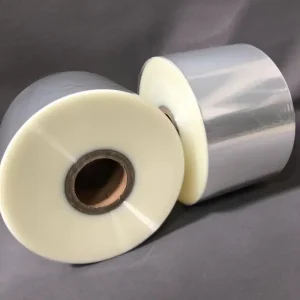
Explore our top-tier industrial packaging formulations, engineered for optimal durability, high clarity, and seamless machinery runnability.
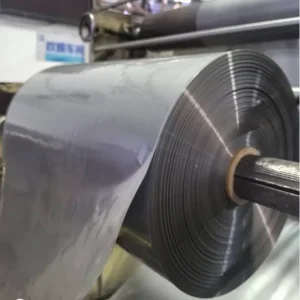
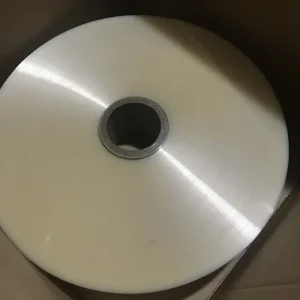
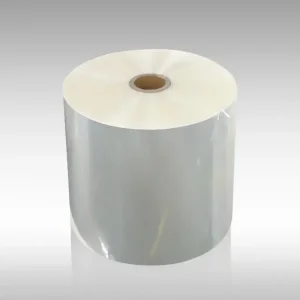
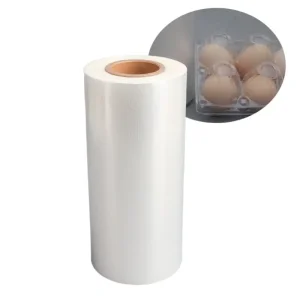
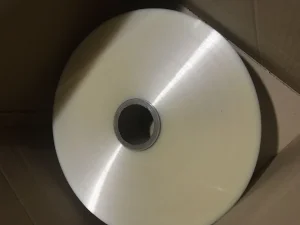
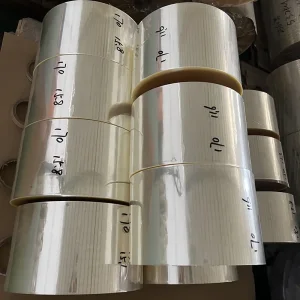
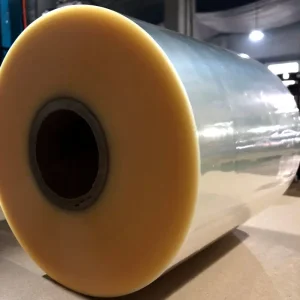
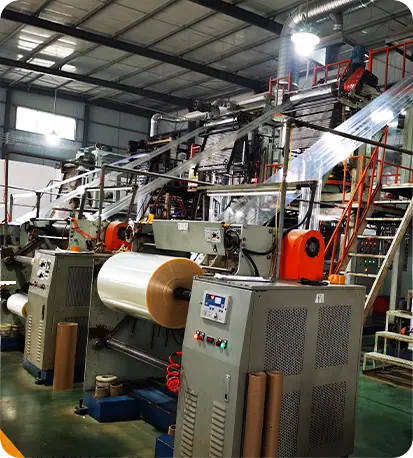
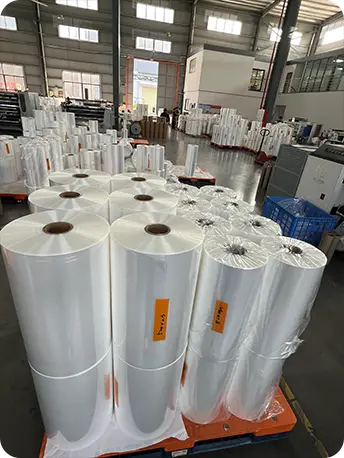
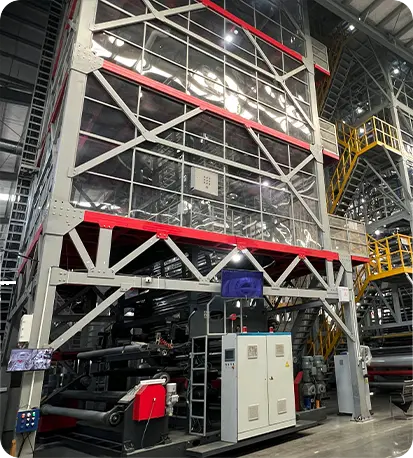
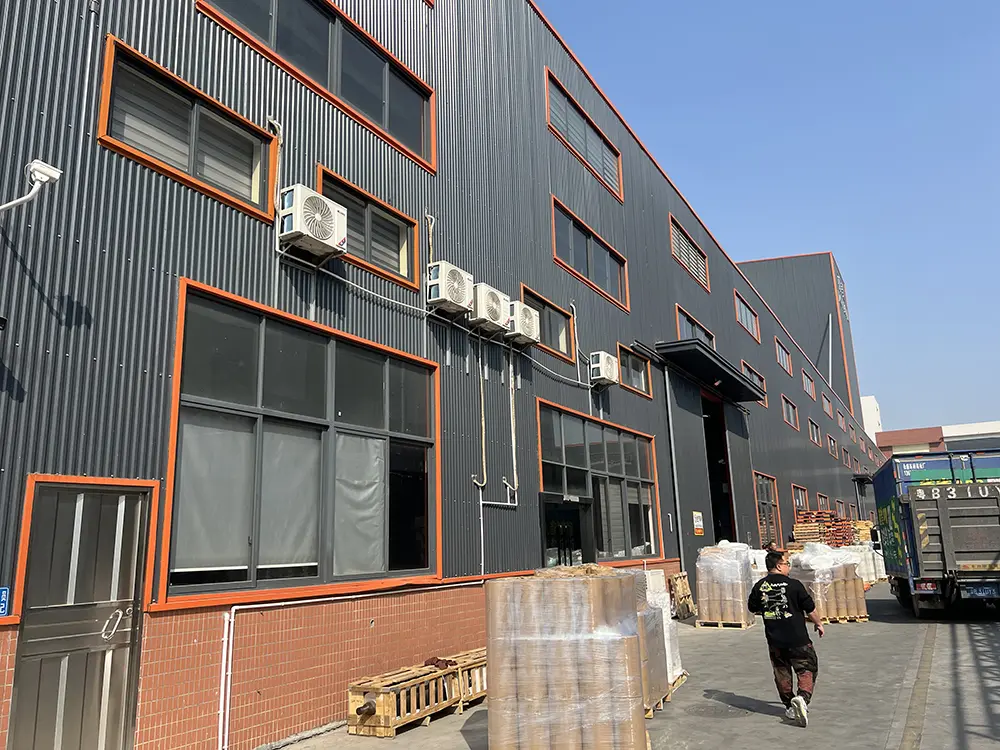
Zhongshan Tianchen New Materials Co., Ltd. is a premier one-stop packaging material procurement platform, established on the bedrock of more than 20 years of intensive manufacturing and R&D experience in the film packaging industry. Built upon an extensive network of resource integration and custom engineering capability, Tianchen addresses the most complex commercial procurement challenges. We deliver tailormade polymer solutions that satisfy international compliance standards, visual requirements, and functional demands.
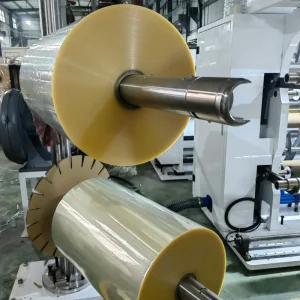
Driven by a rigorous commitment to quality control and technical innovation, our experienced production, R&D, and global customer support teams execute strict supply-chain verifications. From initial polymer selection to final roll slitting, we ensure batch-to-batch consistency for packaging converters and multinational brands.
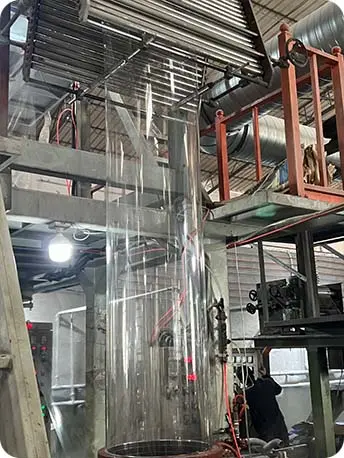
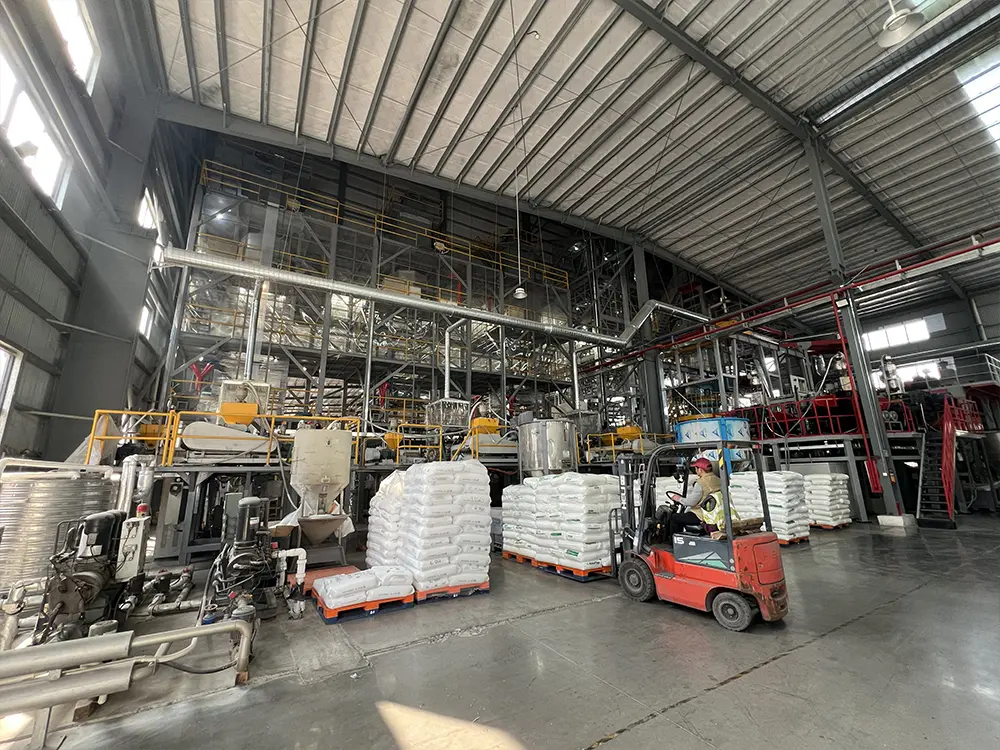
At Tianchen, the integration of professional production and sales systems allows for comprehensive quality control. Our quality assurance teams evaluate optical parameters (haze, gloss), mechanical thresholds (tensile strength, elongation at break), and surface characteristics (dyne levels, coefficient of friction) to ensure compatibility with high-speed automated packaging machinery.
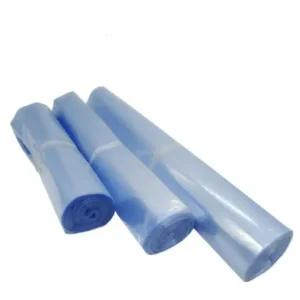
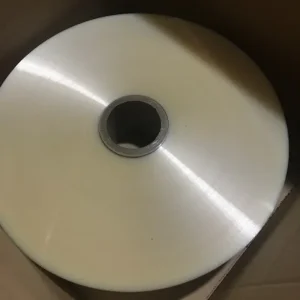
Whether your enterprise requires standard oriented polypropylene (OPP), high-barrier cast polypropylene (CPP), eco-friendly polyolefin (POF) heat shrink film, or customized printing labels, Tianchen is your trusted commercial partner. We secure your product's shelf-life, visibility, and brand value in international competitive markets.
Understanding the macro-economic and engineering drivers shaping wholesale demand for Oriented Polypropylene (OPP) films.
Modern consumer brands demand packaging materials that provide excellent optical clarity and exceptional barrier properties. Wholesale OPP film remains the standard for bakery, snacks, and daily necessities due to its low moisture vapor transmission rate (MVTR), protecting shelf-life and crispness.
High-speed Form-Fill-Seal (FFS) systems require films with stable coefficient of friction (COF) and uniform thickness tolerances. Fluctuations in film gauge can lead to line stoppages, product damage, and increased operational overhead. Our OPP formulations guarantee high tensile strength to survive high-speed mechanical pulling.
Global policy transitions, such as the European Packaging and Packaging Waste Regulation (PPWR), place strict demands on recyclability. Because OPP is a mono-material polypropylene substrate, it boasts high recyclability compared to complex multi-layer laminates, satisfying ESG targets for multinational corporations.
By sourcing directly from established manufacturing facilities like Zhongshan Tianchen, procurement executives circumvent broker inflation and secure custom film properties. Standard parameters such as corona treatment level (for inks/adhesives), heat-seal threshold temperatures, and slip-agent configurations are tailored directly at the manufacturing level to ensure high processing yield rates on the packaging line.
A comparative evaluation of popular plastic packaging films to assist procurement officers in making data-driven decisions.
Different manufacturing and end-use environments demand distinct film properties. The table below details the performance characteristics of OPP, CPP, PVC, and POF to guide strategic selection.
| Film Parameter | Oriented Polypropylene (OPP) | Cast Polypropylene (CPP) | Polyvinyl Chloride (PVC) | Polyolefin (POF) |
|---|---|---|---|---|
| Orientation Type | Unidirectional (Oriented) | Non-oriented (Cast) | Non-oriented / Bi-oriented | Biaxially Oriented Co-extruded |
| Optical Clarity | Excellent (<2.0% Haze) | Good (<3.5% Haze) | High Gloss/Clarity | Ultra-High Clarity (<1.5% Haze) |
| Moisture Barrier (MVTR) | Excellent (<5 g/m²/24h) | Moderate (<12 g/m²/24h) | Poor (>40 g/m²/24h) | Moderate (<15 g/m²/24h) |
| Heat Seal Range | High (requires co-extruded seal layer) | Low-to-Medium (Excellent seal strength) | Not applicable for heat sealing | Excellent Shrink Sealability |
| Shrink Rate (%) | Negligible (<2% at 120°C) | None | 40% - 50% (High shrinkage) | 60% - 75% (Highly balanced) |
| Primary Application | Food wrapping, bags, tape substrate | Inner lamination layer, retort pouches | Label printing sleeves, cap sealers | Multi-pack bundle wrap, consumer items |
For high-speed horizontal form-fill-seal (HFFS) wrappers processing confectionery, standard non-shrink OPP film with a co-extruded heat-sealable layer is ideal. It provides the necessary structural rigidity to handle mechanical friction at high feed rates.
Conversely, if wrapping irregular multi-packs, retail electronics, or food products requiring a tight skin, POF (Polyolefin) shrink film or PVC shrink film is the preferred choice. It responds to heat tunnels by shrinking tightly around the product geometry without warping the package graphics.
Our engineering department assists client plant managers in modifying packaging line variables to optimize polymer compatibility, advising on:
Innovative trends and engineering milestones shaping the future of industrial polypropylene films.
Historically, high-barrier packages utilized multi-material structures combining PET, PE, and Aluminum foil. These composite materials are difficult to recycle economically. The packaging industry is shifting toward mono-material polypropylene packaging.
By pairing high-barrier OPP films with cast polypropylene (CPP) seal layers, we offer packaging structures that provide high gas/moisture barriers while remaining recyclable within the standard PP recycling stream (Code 5). This development helps brands meet regional packaging directives without compromising product shelf life.
Polymer Gauge Variation Control
Heat-Seal Threshold Lowering
Dyne Level Retention Period
Meeting international regulatory demands and providing localized commercial security to wholesale buyers.
Our wholesale plastic films undergo rigorous third-party certifications. All food-grade substrates are compliant with the FDA Food Contact Substance (FCS) notifications and European Union regulation EU No 10/2011. Heavy metal constraints are monitored to verify compliance with RoHS and REACH standards.
To prevent downtime in automated factories, we maintain buffer-stock management systems for contract clients. Operating out of our modern manufacturing hub in Zhongshan, we utilize nearby port infrastructures (Shenzhen, Guangzhou) to minimize international lead times and container dispatch delays.
We supply customized dimensions, core configurations, and printing treatments. Whether you run a narrow-web custom flexographic press or wide-frame rotogravure equipment, our master rolls are slit to precision tolerances down to ±0.5mm, ensuring smooth mechanical operations.
Answers to complex engineering questions regarding polymer selection, wholesale orders, and film properties.
Further industrial-grade material selections designed to meet specific engineering and machinery setups.
 Tianchen Materials