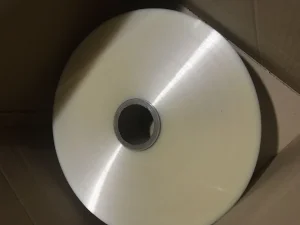
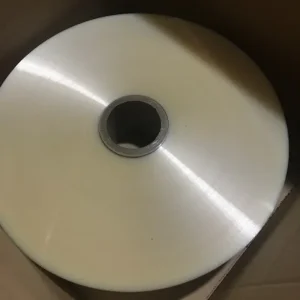
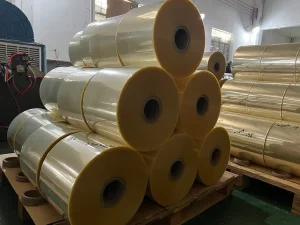
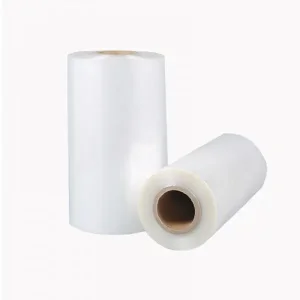
Analyzing the paradigm shift in high-barrier materials: why Vacuum Metalized Cast Polypropylene (VMCPP) is overtaking traditional structures.
Modern vacuum deposition applies a nanoscale aluminum layer onto CPP substrates. This drastically reduces Moisture Vapor Transmission Rates (MVTR) and Oxygen Transmission Rates (OTR), replacing costly aluminum foil laminates while maintaining superior flexibility.
Unlike BOPP or PET, cast polypropylene (CPP) offers exceptional low-temperature heat sealability. Metalized CPP combines the structural integrity of a metal barrier with the strong, quick-tack sealing threshold necessary for high-speed Vertical Form Fill Seal (VFFS) systems.
With global mandates shifting toward circular economy models, VMCPP has emerged as a key enabler for Recyclable Mono-Material Packaging structures (PP-only pouches), allowing brands to bypass multi-material laminates that are non-recyclable.
In the global flexible packaging landscape, Vacuum Metalized Cast Polypropylene (VMCPP) represents a crucial technological milestone. In comparison to metallized polyester (VMPET) and metallized biaxially oriented polypropylene (VMBOPP), VMCPP stands out due to its unmatched flexibility, high elongation properties, and superior puncture resistance. These properties make it indispensable for bulk commercial procurement. From the engineering perspective, metalized films work as a shield against radiation, heat degradation, and aroma loss. Through precise aluminum deposition control, specialized manufacturers achieve a consistent optical density (OD) ranging from 2.0 to 2.8, meeting the requirements of complex snack and pet food formulations.
For multinational corporations and packaging convertors, sourcing high-quality packaging films is not just about price per metric ton. It is about material reliability, chemical consistency, and supply chain continuity. Procurement teams must navigate specific challenges when choosing a CPP metalized film supplier:
Standard values achieved in modern vacuum metallization facilities:
| Performance Metric | Test Method | Typical Value Range |
|---|---|---|
| Optical Density (OD) | Transmission Densitometer | 2.0 - 2.8 |
| MVTR (38°C, 90% RH) | ASTM F1249 | < 0.8 g/(m²·24h) |
| OTR (23°C, 0% RH) | ASTM D3985 | < 45 cc/(m²·24h) |
| Heat Seal Strength | ASTM F88 | > 7.0 N/15mm (130°C) |
| Coefficient of Friction (COF) | ASTM D1894 | 0.30 - 0.45 (Non-metal side) |
How state-of-the-art co-extrusion technology and automation establish Chinese suppliers as the global standard for high-performance films.
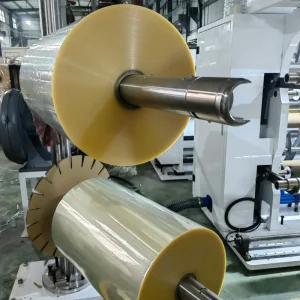
Utilizing high-end 3-layer and 5-layer cast lines, manufacturing plants construct complex film profiles. Inner layers are optimized for low temperature sealing, core layers for structural stability, and surface layers for metal adhesion.
By using real-time camera scanning on the cast line, factories trace and tag defects like gel specs, fish eyes, or pinholes instantly. These measures yield a zero-tolerance baseline for barrier compromises.
Integrating supply chains within critical export zones, factories coordinate seamless transport pipelines to global shipping hubs. Fast turnarounds and strict cargo loading protocols keep transport overhead low and protect rolls from humidity.
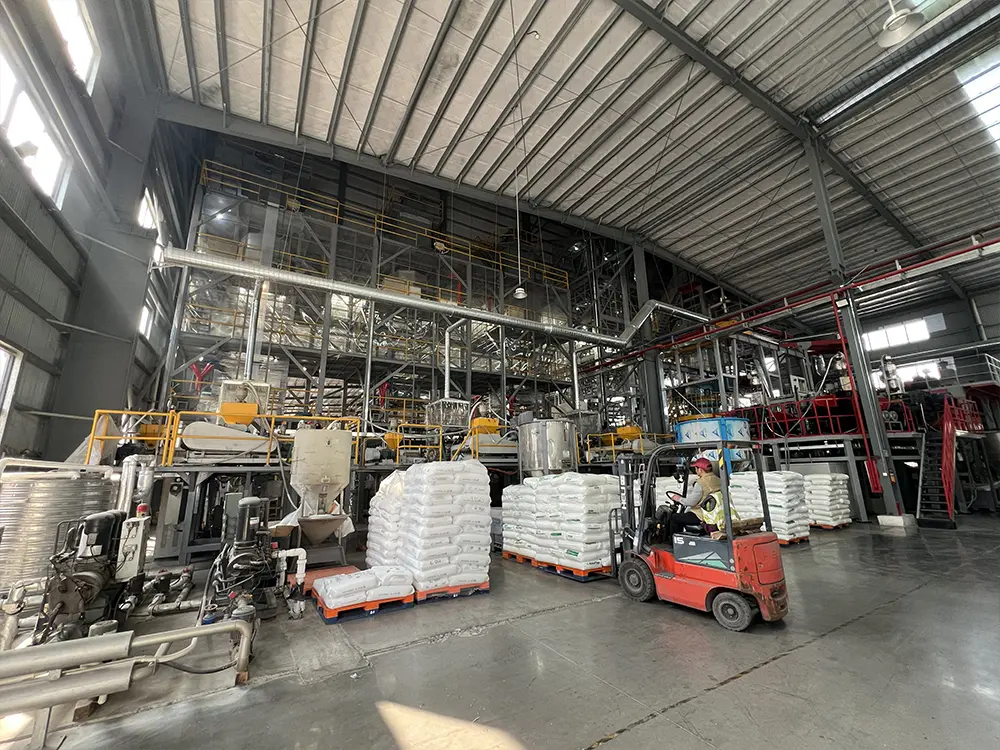
By combining automated batching of polypropylene resins with state-of-the-art German and Japanese vacuum metallizers, Chinese industrial centers achieve significant economies of scale. High-capacity roll production lines run continuous shifts, reducing production cycle times from weeks to days. For global buyers, this means reliable pricing, consistent chemical properties, and the agility to adapt packaging specs for fast-moving markets.
Integrating decades of manufacturing expertise with customized barrier materials for demanding global markets.
Your One-Stop Packaging Material Procurement Platform.
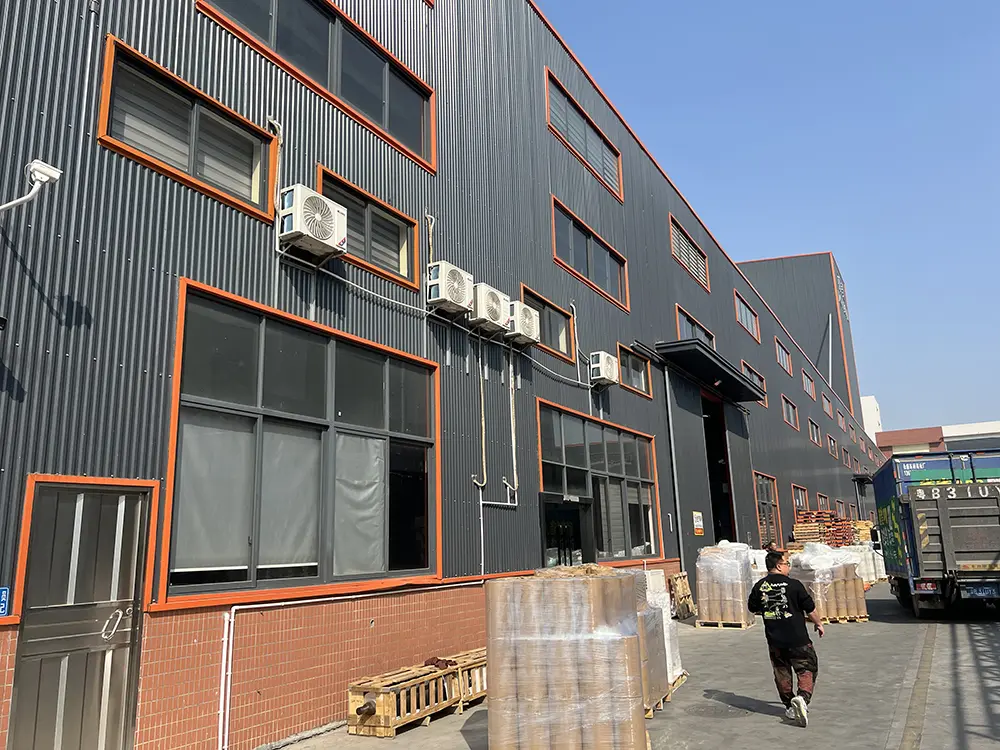
Zhongshan Tianchen New Materials Co., Ltd. is a comprehensive, one-stop packaging material procurement platform built upon more than 20 years of experience in the film packaging industry. Driven by a commitment to resource integration and addressing customer needs, Tianchen ensures that it offers the finest solutions for diverse packaging requirements globally.
Whether you require highly specialized metallized films, eco-friendly heat shrink films, or durable labeling solutions, Tianchen acts as a reliable partner in a competitive marketplace. We combine decades of industrial expertise with a passion for quality and customer satisfaction.
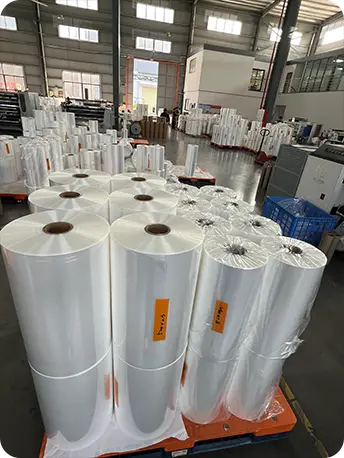
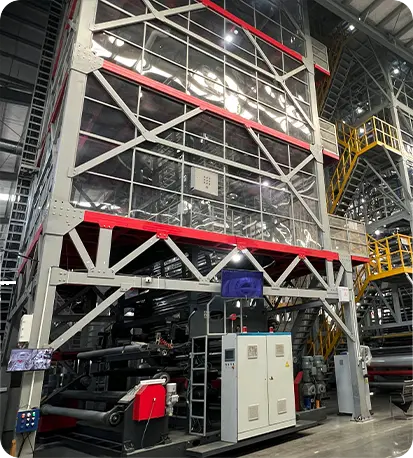
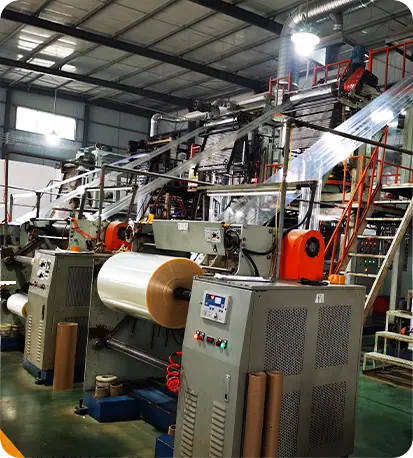
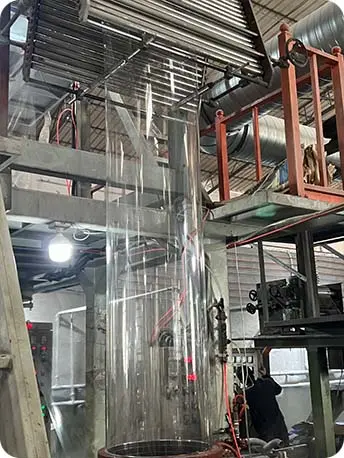
At Tianchen, we run professional production, research and development, and sales teams. Quality control is built into every step of our process. Our modern quality control system ensures all products meet strict global standards before dispatch. This commitment to quality, combined with large-scale production capabilities, has earned the trust of customers worldwide.
Our experienced professionals continuously work to innovate and improve product offerings, ensuring that they always deliver the best to their clients. From primary extrusion to precise metallization and final conversion, we manage critical quality points in-house to protect your packaging line efficiency.
How different markets and industries customize VMCPP structures to overcome regional and structural packaging demands.
High-speed packaging lines in the US and Canada require low temperature heat sealing (LTS) to maximize packing rates without burning layers. VMCPP provides a strong sealant layer while blocking oxygen, protecting snack freshness.
With high average humidity levels across ASEAN nations, dry food products degrade rapidly if packaging fails. VMCPP provides an excellent moisture barrier, protecting dry foods, spices, and noodles from ambient moisture.
Driven by strict European circular economy packaging taxes, converters are replacing three-layer PET/AL/PE laminates. An all-PP laminate of BOPP/VMCPP offers a fully recyclable structure that matches the shelf life of multi-material barrier layers.
Analyzing the microscopic composition of Cast Polypropylene and vacuum-deposited metal layers.
A typical high-barrier metalized CPP film consists of three co-extruded layers, designed to optimize performance at every step of manufacturing and conversion:
During the metallization process, pure aluminum wire is fed into induction-heated sources inside a vacuum chamber. The metal vaporizes and deposits onto the moving web. Real-time optical monitoring adjusts roll speeds and heating elements to keep the thickness of the aluminum layer uniform. This consistent thickness is key to maintaining stable barrier properties.
Addressing the core technical challenges, selection criteria, and chemical properties of VMCPP packaging films.
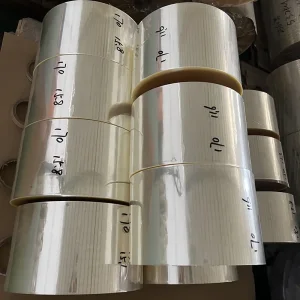
 Tianchen Materials