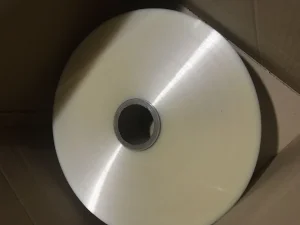
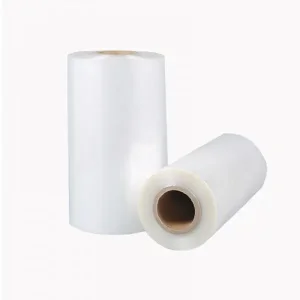
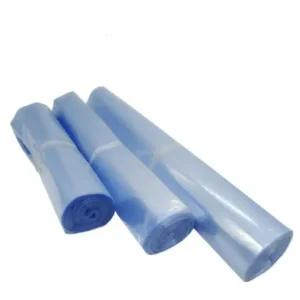
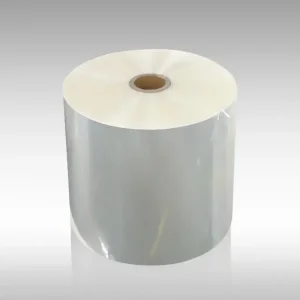
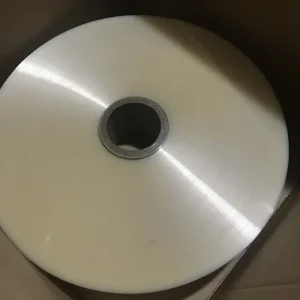
Understanding the structural differences, optical clarity, barrier performance, and processing techniques of Polypropylene (PP) variants to optimize your flexible packaging value chain.
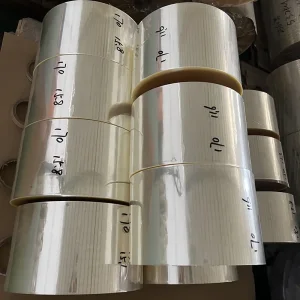
BOPP is stretched in both the machine direction (MD) and transverse direction (TD), creating a highly oriented molecular structure. This results in exceptional tensile strength, superior optical clarity (low haze), and remarkable water vapor barrier properties. Ideally suited for outer printing layers, food wraps, and adhesive tapes.
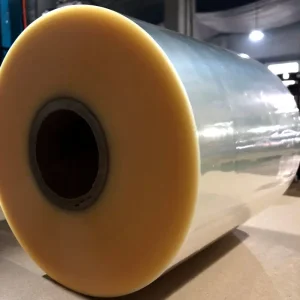
Unlike BOPP, CPP is produced via a non-oriented cast extrusion process. This grants the film high impact strength, excellent tear resistance, superior heat-seal strength, and high heat resistance. Typically used as the sealing inner layer in laminated structures for retort pouches, bakery products, and stand-up pouches.
Advanced factories utilize multi-layer co-extrusion (3-layer, 5-layer, or 7-layer) to combine the optical properties of BOPP with the heat-seal characteristics of CPP, introducing barrier materials like EVOH or metallized layers to prevent oxygen permeability and preserve product freshness.
From an engineering standpoint, the orientation process changes the semi-crystalline matrix of polypropylene. The biaxial stretching aligned molecules in a neat grid increases density, making BOPP highly resistant to elongation and moisture ingress. Its WVTR (Water Vapor Transmission Rate) is significantly lower than cast films, shielding dry goods from humidity. However, this orientation makes BOPP difficult to heat-seal directly unless a copolymer heat-sealable layer is co-extruded on its surface.
Conversely, CPP retains its amorphous structural flexibility. When heat is applied, the polymer chain easily fuses, providing robust seal strength capable of withstanding pasteurization and hot-filling. This makes CPP the ultimate choice for food packaging that requires high-strength closure, preventing package failures during transport and retail handling.
| Film Type | Key Performance Strengths | Primary Packaging Applications | Recommended Thickness Range |
|---|---|---|---|
| Plain BOPP | Extreme clarity, stiffness, printability | Adhesive tapes, flower sleeves, outer wrap for cosmetics | 12 - 25 Micron |
| Heat-Sealable BOPP | Double-sided sealability, high-speed wrapping | Cigarette overwrap, confectionery, snacks, biscuits | 15 - 40 Micron |
| Metallized BOPP (VM-BOPP) | High light & gas barrier, metallic aesthetic | Potato chip bags, pet food pouches, insulation layers | 15 - 30 Micron |
| Standard CPP | Tear resistance, excellent low-temp heat seal | Bakery products, clothing apparel bag, pouch lamination | 20 - 80 Micron |
| Retort-Grade CPP (R-CPP) | Thermal resistance up to 121°C or 135°C | Ready-to-eat meals, medical sterilization bags, pet food | 40 - 100 Micron |
How industrial clustering, raw material access, and advanced machinery integration lower TCO (Total Cost of Ownership) for global packaging buyers.
China's refining and petrochemical clusters (such as Sinopec and PetroChina) ensure a stable supply of high-grade virgin polypropylene resin. This direct integration buffers domestic manufacturers from sudden global polymer price spikes, allowing factories to quote highly competitive and long-term wholesale pricing.
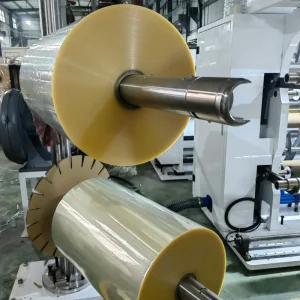
Top-tier Chinese factories utilize world-class machinery, including Brückner biaxial stretching lines and Reifenhäuser cast extrusion equipment. This hardware integration guarantees film thickness uniformity tolerances within ±1.5%, minimizing waste on automated packaging equipment.
Located near major economic ports in South China (Guangzhou, Shenzhen, and Hong Kong), factories can arrange fast multimodal shipments. From raw chemical procurement to loading containerized freight, the cycle time is up to 30% faster than regional competitors in Southeast Asia.
Global procurement teams must navigate complex chemical safety laws. When sourcing BOPP and CPP films for food, pharmaceuticals, or cosmetics, regulatory non-compliance can lead to port customs seizures, product recalls, and severe brand damage. Our manufacturing protocols enforce strict adherence to international safety standardizations:
To guarantee seamless supply operations, international enterprises require factories that offer comprehensive traceability. From batch-level resin certificates to automated in-line optical defect scanning, our systems capture and log film properties. We provide Mill Test Certificates (MTC), COAs (Certificate of Analysis), and third-party testing reports (SGS/TUV) for every single shipment, guaranteeing a transparent path from raw material to final container delivery.
How the packaging industry is transitioning to green materials and mono-material structures to support net-zero initiatives.
Historically, multi-material laminates (like PET/PE or PET/CPP) were difficult to recycle because separating the bonded layers is nearly impossible. Modern green initiatives are transitioning to mono-material structures—specifically laminating BOPP with CPP. This all-PP composition fits directly into local plastic recycling loops, avoiding landfill accumulation.
Integrating chemical recycling technologies allows manufacturers to incorporate up to 30-50% PCR PP resin into the inner layers of BOPP and CPP films. This significantly reduces carbon footprints while meeting food safety certifications, satisfying the strict requirements of ESG-focused multinational corporations.
Through advanced mechanical processing and high-precision stretching, modern factories are down-gauging films. Producing thinner films (e.g., substituting a 20-micron film with a high-stiffness 15-micron alternative) achieves identical mechanical performance while reducing plastic usage by up to 25% by weight.
Zhongshan Tianchen New Materials Co., Ltd. – Your One-Stop Packaging Material Procurement Platform.
Zhongshan Tianchen New Materials Co., Ltd. is a one-stop packaging material procurement platform established on the basis of more than 20 years of experience in the film packaging industry to act as a comprehensive one-stop packaging material procurement platform. Established on the foundation of extensive industry experience, Tianchen is driven by a commitment to resource integration and addressing customer needs, ensuring that it offers the finest solutions for diverse packaging requirements.
At Tianchen, We have a professional production, research and development and sales teams, so quality control is taken very seriously. The modern quality control system implemented within the company ensures that all products meet the customer’s standards. This commitment to quality, combined with large-scale production capabilities, has garnered significant favor and trust from customers. The company's experienced professionals continuously work to innovate and improve product offerings, ensuring that they always deliver the best to their clients.
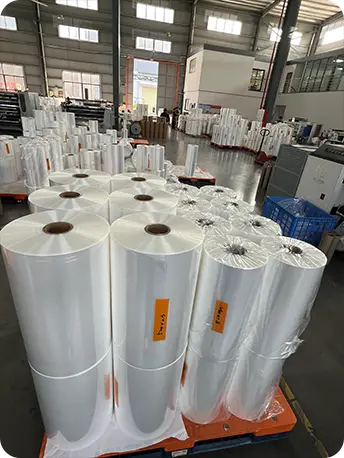
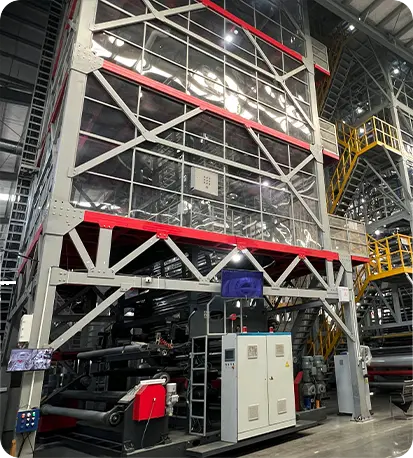
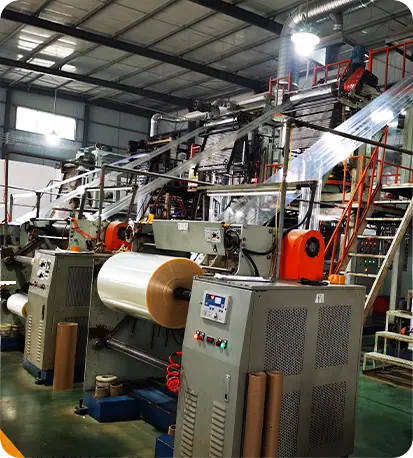
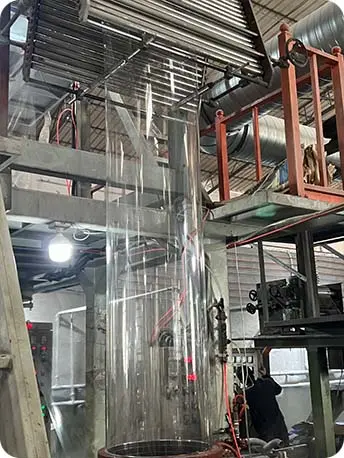
In a competitive marketplace, Zhongshan Tianchen New Materials Co., Ltd. stands out as a reliable partner for all your packaging material needs. As a one-stop packaging material procurement platform, Tianchen combines decades of industry expertise with a passion for quality and customer satisfaction. Whether you need eco-friendly heat shrink films or durable labeling solutions, Tianchen is here to provide the best in the industry.
Answers to critical questions regarding technical parameters, ordering, compliance, and application matching.
 Tianchen Materials