Engineered high-barrier, heat-shrink, and protective films sourced directly from our advanced production facilities.
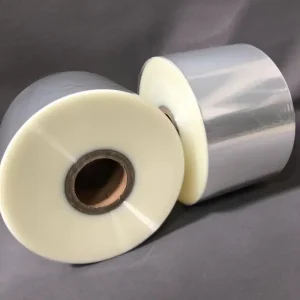
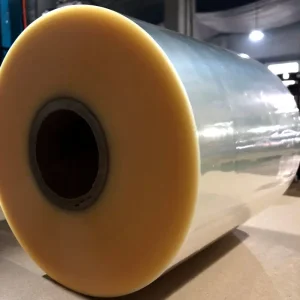
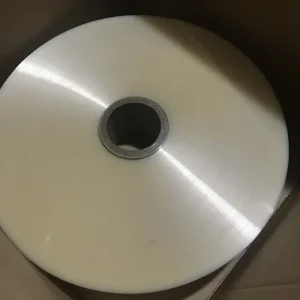
In modern industrial and consumer packaging, Biaxially Oriented Films represent a massive evolution in material science. Biaxial orientation—the process of stretching a plastic film in both the machine direction (MD) and transverse direction (TD)—substantially increases tensile strength, optical clarity, barrier protection, and thermal stability. This molecular alignment enables films such as Biaxially Oriented Polypropylene (BOPP), Biaxially Oriented Polyester (BOPET), and Biaxially Oriented Polyamide (BOPA/Nylon) to outperform traditional non-oriented polymers.
The global market for these advanced materials is experiencing rapid expansion, driven by stringent food preservation demands, fast-moving consumer goods (FMCG) consumption, and technical applications in industrial insulation, electronics, and capacitor manufacturing. Buyers and packaging specifiers look for high structural consistency, high tensile strength, and optimized surface treatment to ensure superior ink adhesion and sealing efficiency. Meeting these requirements demands advanced co-extrusion technology, precise temperature control across tenter frames, and highly managed winding systems.
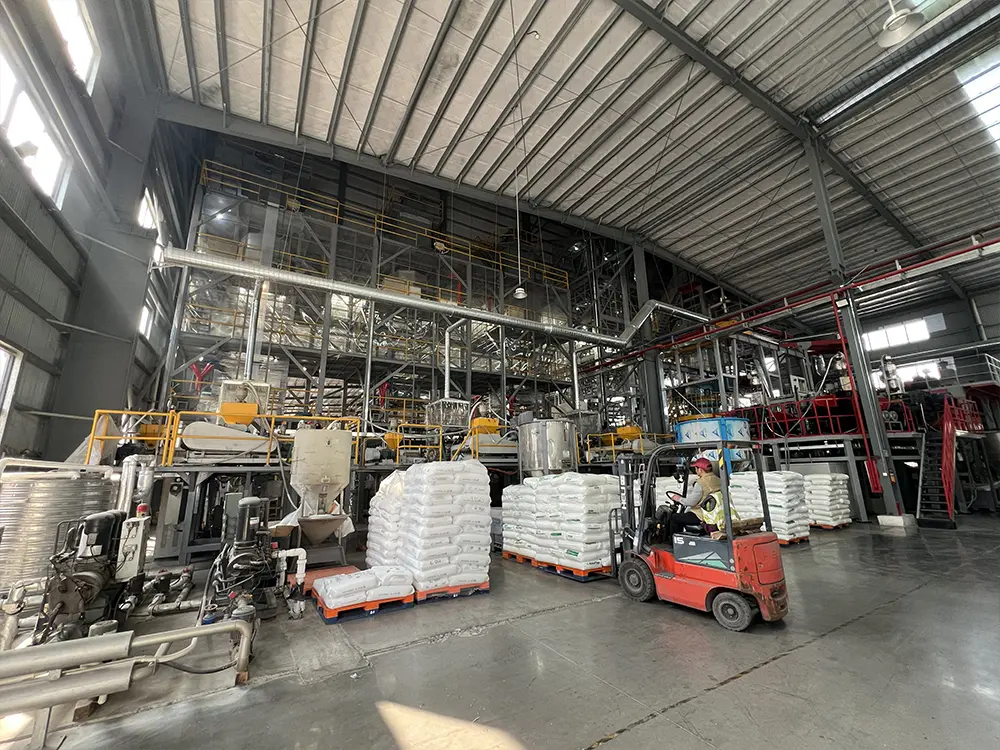
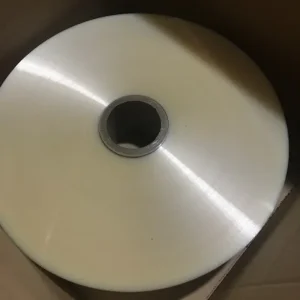
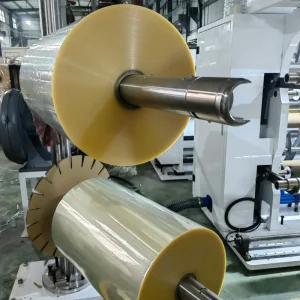
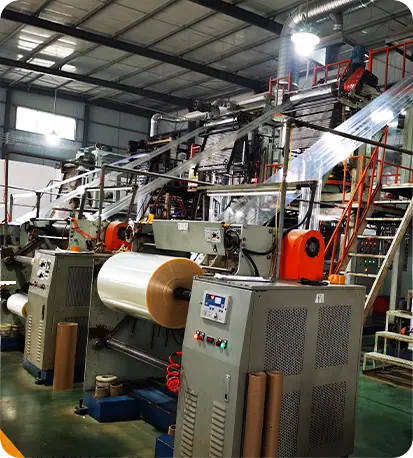
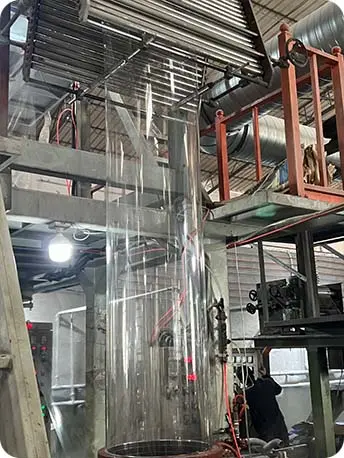
Primary casting and orientation system in operation at the production floor.
Years of Industrial Expertise
Quality Inspected Output
Metric Tons Annual Capacity
Global Export Destinations
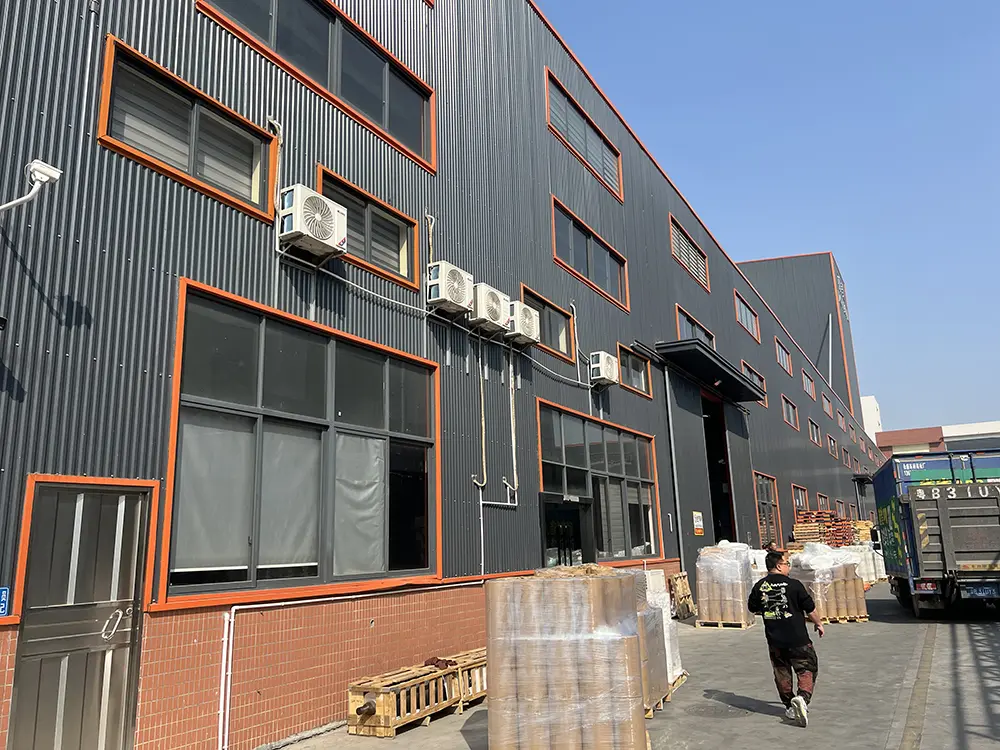
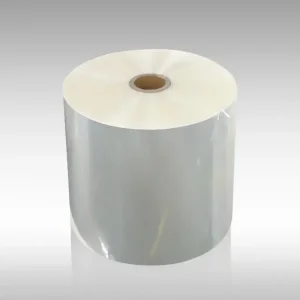
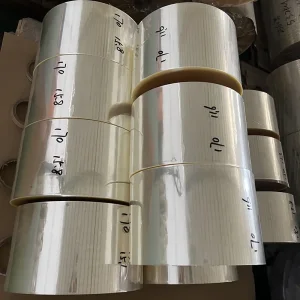
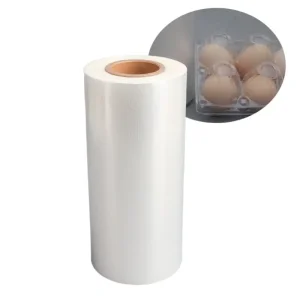
Finished high-clarity shrink film rolls awaiting final quality assurance check.
Your One-Stop Packaging Material Procurement Platform.
Zhongshan Tianchen New Materials Co., Ltd. is a comprehensive one-stop packaging material procurement platform established on the basis of more than 20 years of experience in the film packaging industry. Established on the foundation of extensive industry experience, Tianchen is driven by a commitment to resource integration and addressing customer needs, ensuring that it offers the finest solutions for diverse packaging requirements.
In a competitive marketplace, Zhongshan Tianchen New Materials Co., Ltd. stands out as a reliable partner. Whether you need eco-friendly heat shrink films or durable labeling solutions, Tianchen provides optimal options tailored to international quality standards.
The concentration of raw material synthesis, advanced machinery tooling, and logistical integration within China's specialized chemical zones has created a highly optimized manufacturing hub. Why do global procurement agents choose China factories for biaxially oriented films?
Leveraging multi-layer co-extrusion technology, our factories operate continuous production lines. This allows for precise density profiles, custom heat-seal thresholds, and optical clarity levels under 1.5% haze.
Through our dedicated laboratory testing, films undergo stringent evaluations for Coefficient of Friction (COF), tensile strength, elongation at break, thermal shrinkage, and Dyne level to verify printing compatibility.
Direct integration with resin manufacturers and high-efficiency operations enables us to provide competitive wholesale pricing without sacrificing mechanical properties or batch consistency.
At Tianchen, we host professional production, research and development, and sales teams. Quality control is fundamental to our process. The modern QA/QC infrastructure implemented across our factory floor ensures that all shipped film batches conform strictly to international specifications.
This commitment to quality, combined with large-scale production capabilities, has earned the trust of global brand owners and distribution partners. Our experienced professionals continuously work to innovate and improve barrier coatings, shrink percentages, and optical parameters, ensuring the ideal product delivery.
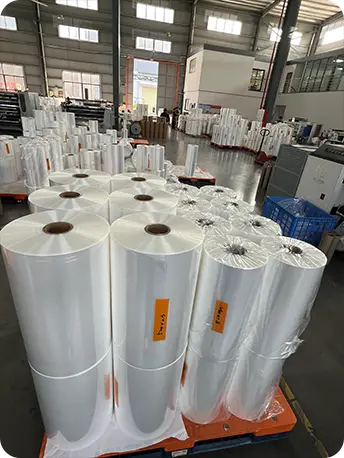
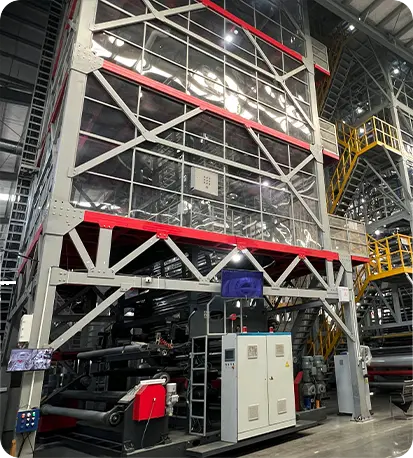
Our capabilities extend beyond standard stock film. We specialize in custom-engineered packaging solutions, including high-clarity polyolefin (POF) shrink wrap for retail configurations, heavy-duty PVC shrink labels, and high-tensile packaging films designed for automated, high-speed lines.
Whether you require multi-layer co-extrusion for food-grade barrier requirements, UV resistance for industrial outdoor logistics, or specific printability metrics for luxury packaging labels, our facility adjusts parameters such as raw material composition, corona treatments, and thickness variations to match your exact specifications.
The modern packaging landscape demands films that perform under diverse environmental and mechanical stresses. Biaxially oriented films are increasingly engineered for specific localized application scenarios:
Sustainable Innovation: As environmental regulations tighten globally, the industry is transitioning toward recyclable mono-material structures (such as PP-only laminates) and biodegradable/compostable biaxially oriented PLA (BOPLA) alternatives. Our manufacturing processes are actively integrating PCR (Post-Consumer Recycled) content to support circular packaging initiatives.
Explore our technical range of shrink, barrier, and heat-seal films tailored for automated assembly lines.
Essential questions and professional insights regarding specifications, processing, and global procurement audits.
 Tianchen Materials