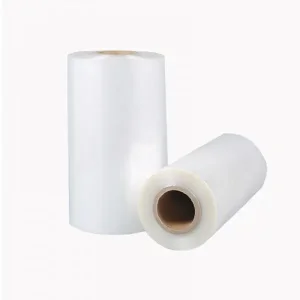
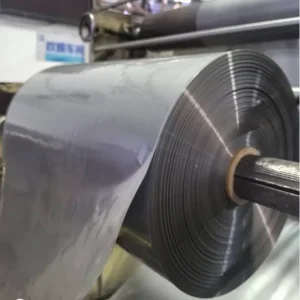
In the contemporary polymer processing landscape, PVC Super Clear Film has graduated from a simple protective layer to a highly engineered structural component. The global market is witnessing an unprecedented transition driven by strict environmental criteria, precision manufacturing demands, and specific performance profiles. Leading processors are shifting away from traditional low-molecular-weight plasticizers to non-phthalate alternatives such as DOTP (Dioctyl Terephthalate) and DINCH, assuring compliance with global safety regulations like REACH, RoHS, and FDA food-contact mandates.
Furthermore, structural developments in co-extrusion technology have enabled factories to imbue clear films with enhanced technical characteristics, including advanced ultraviolet (UV) blocks, surface anti-static properties, anti-fogging capabilities, and low-temperature flexibility. These modifications are critical for structural installations, automotive wraps, marine enclosures, and cleanroom partitions, where transparency and environmental endurance must remain high over prolonged operations.
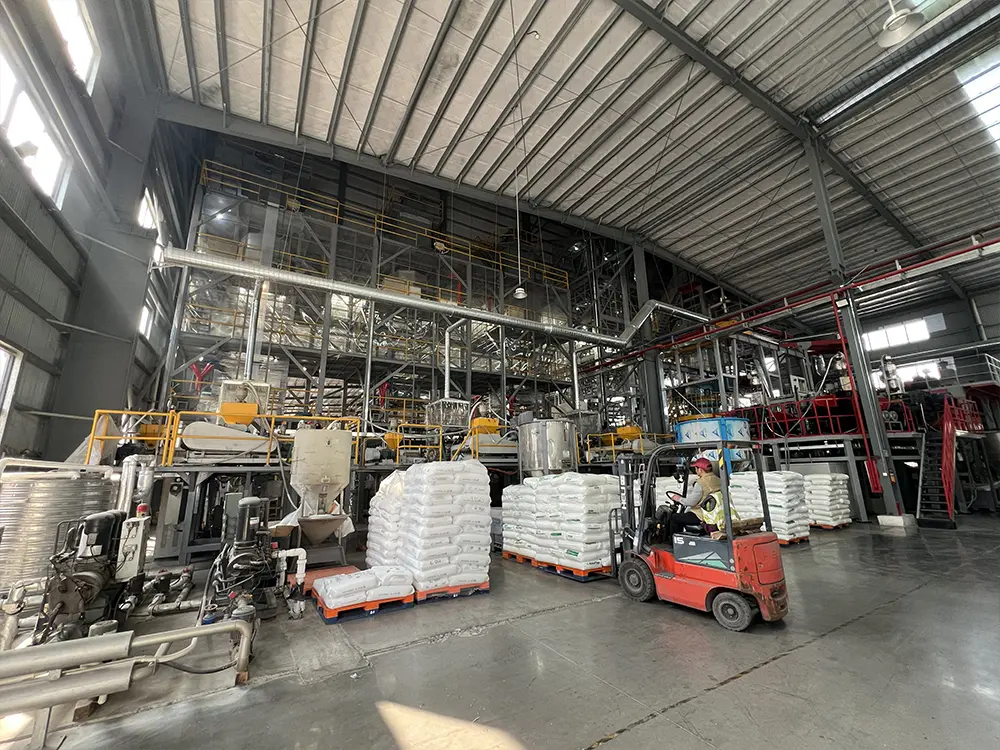
Industrial procurement departments in the EU, North America, and Asia-Pacific demand more than just a roll of plastic. Modern commercial applications require high tolerance controls, batch-to-batch visual parity, and strict mechanical specifications. From massive cleanroom strip curtains in pharmaceutical complexes to protective insulation films in marine engineering, the criteria for raw material selection are increasingly rigorous.
Applications in safety guards, automotive windows, and high-end packaging demand maximum light transmission (>92%) and zero fisheyes or impurities that disrupt view and automated scanning systems.
High-speed automatic conversion lines require films with precise gauge control (often within ±3%) to prevent wrapping issues, tension variance, and seal failure on automated thermal processing lines.
Controlling blocking properties is vital. Sourcing specialists request custom levels of anti-blocking agents to adjust friction coefficients, ensuring fast roll unrolling while preserving crystal-clear clarity.
Your Premium One-Stop Packaging & Film Procurement Platform.
Backed by over 20 years of technical expertise in the flexible packaging and film sector, Zhongshan Tianchen has grown into a comprehensive, world-class manufacturing and optimization powerhouse. Driven by advanced polymer research and an integrated supply model, we supply specialized barrier solutions, shrink technologies, and industrial-grade flexible materials to meet challenging process conditions worldwide.
Our operations incorporate a strict modern quality control hierarchy. Our dedicated R&D division and customer service agents collaborate with global partners to tailor physical parameters, thickness specifications, and chemical compositions, ensuring every roll complies with international certifications.
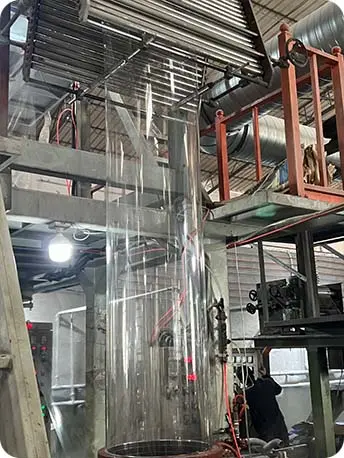
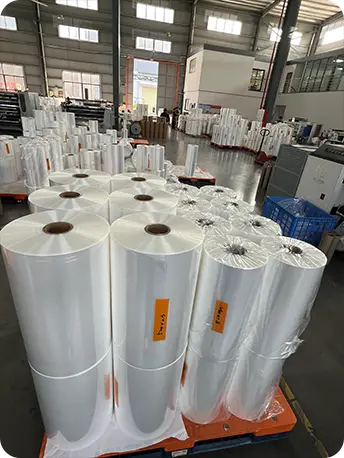
In today's global supply chain climate, reliability is paramount. Zhongshan Tianchen New Materials leverages state-of-the-art Chinese manufacturing systems to provide optimal cost-to-performance metrics, robust logistics, and short production lead times.
Our integrated factory relies on intelligent, multi-layer co-extrusion technology and computerized thickness calibration monitors to maintain constant dimensional accuracy. This localized raw material integration, paired with automated warehousing, shields clients from supply chain issues. When global markets face shipping delays, our strategic position in Zhongshan, near main maritime hubs, ensures reliable, on-time exports.
Providing protective coverings for premium interior automotive trim and paint surfaces. High adhesion profiles protect critical components during transit without leaving residue.
Designed for soft PVC strip curtains in chemical facilities and food processing factories. These films isolate dust and balance temperature zones without blocking light transmission.
Used to wrap heavy machinery and raw material pallets. High tensile strength, puncture resistance, and dustproofing maintain structural integrity during transoceanic shipping.
 Tianchen Materials