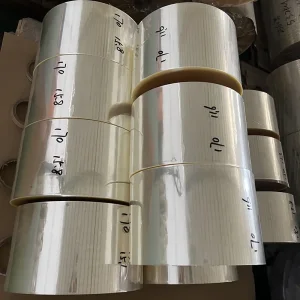
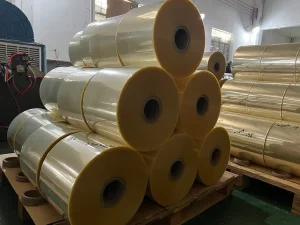
Explore our high-performance line of PVC and POF shrink films designed to match precise thermal profiles and printing speed specifications.
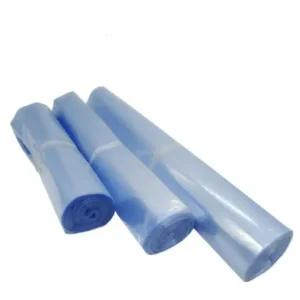
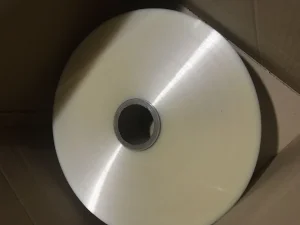
In modern high-speed printing environments, PVC sleeve shrink film remains a highly demanded substrate due to its unique combination of optical clarity, printability, and predictable shrinkage behavior. The material structure is engineered to withstand modern tension control systems of multi-color printing presses while offering consistent shrinkage profiles across irregular container shapes.
Premium-grade PVC shrink film is produced using suspension-polymerized Polyvinyl Chloride resins blended with high-purity plasticizers, heat stabilizers, and slip additives. Through controlled double-bubble or tenter-frame orientation processes, polymer chains are stretched and aligned. This biaxial or monoaxial stretching sets the elastic memory within the film structure. When heat is applied in a shrink tunnel, these internal mechanical stresses release, causing the film to contract back to its original unstretched state.
For shrink sleeve application, high Transverse Direction (TD) shrinkage is critical. Printing factories usually require TD shrink values ranging from 45% to 58%, while maintaining a low and controlled Machine Direction (MD) shrink of 1% to 3%. This prevents label vertical distortion or "smile" effects on the container. Low MD shrinkage ensures that the printed graphics, barcodes, and text maintain their integrity and structural dimensions when passed through steam or hot air tunnels.
The global demand for high-performance shrink sleeve labels is expanding rapidly across diverse consumer sectors. From craft beverage labeling and nutraceutical packaging to cosmetics, PVC continues to play a significant role. Despite regulatory shifts towards alternative polymers, PVC remains a cost-effective, high-yield substrate due to its low activation temperature and forgiving processing window.
PVC possesses an inherent surface tension of 38 to 42 dynes/cm, allowing direct printing using solvent-based, UV-curable, and water-based inks without mandatory pre-corona treatment. This reduces setup times and scrap rates on press.
Shrink initiation starts at temperatures as low as 65°C to 75°C. This allows operators to run shrink tunnels at lower heat profiles, conserving energy and protecting heat-sensitive container contents (e.g., dairy products).
Compared to PETG and OPS, PVC offers the most economical per-square-meter cost structure. This makes it a preferred choice for large-scale packaging lines in emerging markets and high-volume consumer goods.
For printing companies, minimizing waste during setup is crucial for profitability. PVC's resistance to premature shrinkage during storage (when stored under temperature-controlled environments below 25°C) guarantees a long shelf life and stable performance, minimizing processing scrap.
Procurement directors and quality engineers in printing factories must check film parameters against specific tolerances to ensure smooth operation on automatic high-speed sleeve insertion machinery.
| Technical Property | Standard Values / Range | Test Standard | Significance to Printer/Converter |
|---|---|---|---|
| Thickness (Gauge) | 30 mic - 70 mic (± 5% tolerance) | ASTM D374 | Ensures consistent slip properties and trouble-free cutting. |
| Transverse Direction (TD) Shrinkage | 45% - 58% (Customizable) | ASTM D2732 | Controls coverage over complex bottle shapes and contours. |
| Machine Direction (MD) Shrinkage | 1% - 3% | ASTM D2732 | Prevents graphic distortion and sleeve vertical shortening. |
| Coefficient of Friction (COF) | 0.20 - 0.35 (Kinetic) | ASTM D1894 | Facilitates high-speed mechanical bottle sleeving. |
| Haze (Clarity) | < 4.0% | ASTM D1003 | Delivers high contrast and reverse-print readability. |
| Surface Tension | ≥ 38 Dyne/cm | ASTM D2578 | Ensures ink adhesion, preventing flaking during shrinking. |
From major bottling plants in Southeast Asia to custom converters in Europe and North America, application settings vary based on regional infrastructure:
Zhongshan Tianchen New Materials Co., Ltd. – Your One-Stop Packaging Material Procurement Platform.
Zhongshan Tianchen New Materials Co., Ltd. is a comprehensive packaging material procurement platform built on over 20 years of experience in the film packaging industry. Driven by a commitment to resource integration and addressing customer needs, Tianchen provides customized solutions for diverse industrial packaging requirements.
At Tianchen, we have professional production, R&D, and sales teams that prioritize quality control. The modern quality control system implemented within the company ensures that all products meet strict customer standards. This commitment to quality, combined with large-scale production capabilities, has earned the trust of customers worldwide. Our experienced professionals continuously work to innovate and improve product offerings, ensuring we deliver reliable materials to our clients.
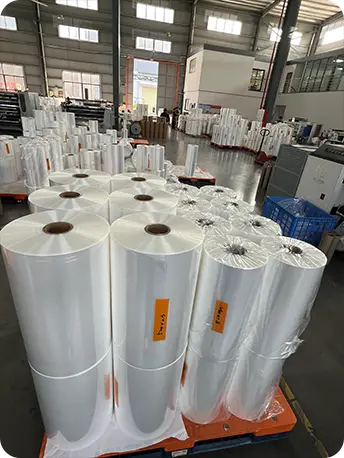
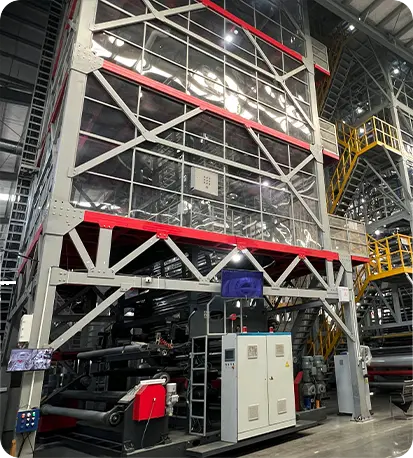
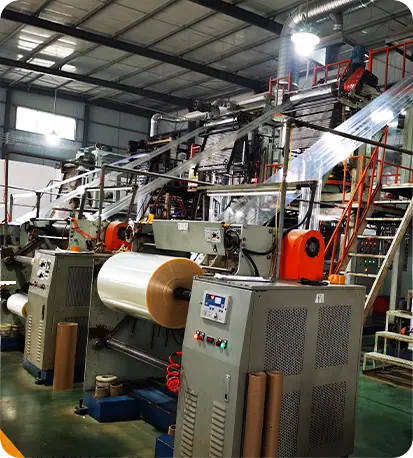
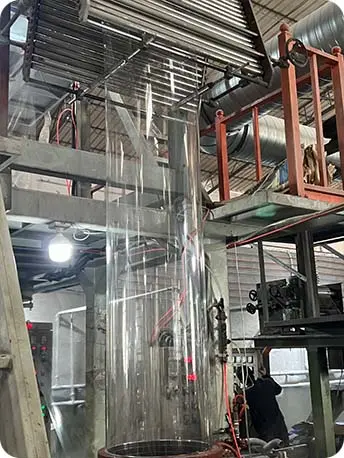
In a competitive marketplace, Zhongshan Tianchen New Materials Co., Ltd. stands out as a reliable partner for your packaging material needs. As a one-stop packaging material procurement platform, Tianchen combines industry expertise with a focus on quality and customer satisfaction.
Whether you require eco-friendly heat shrink films, specialty labeling films, or durable packaging solutions, Tianchen is positioned to supply standard-compliant, high-performance materials tailored to your technical requirements.
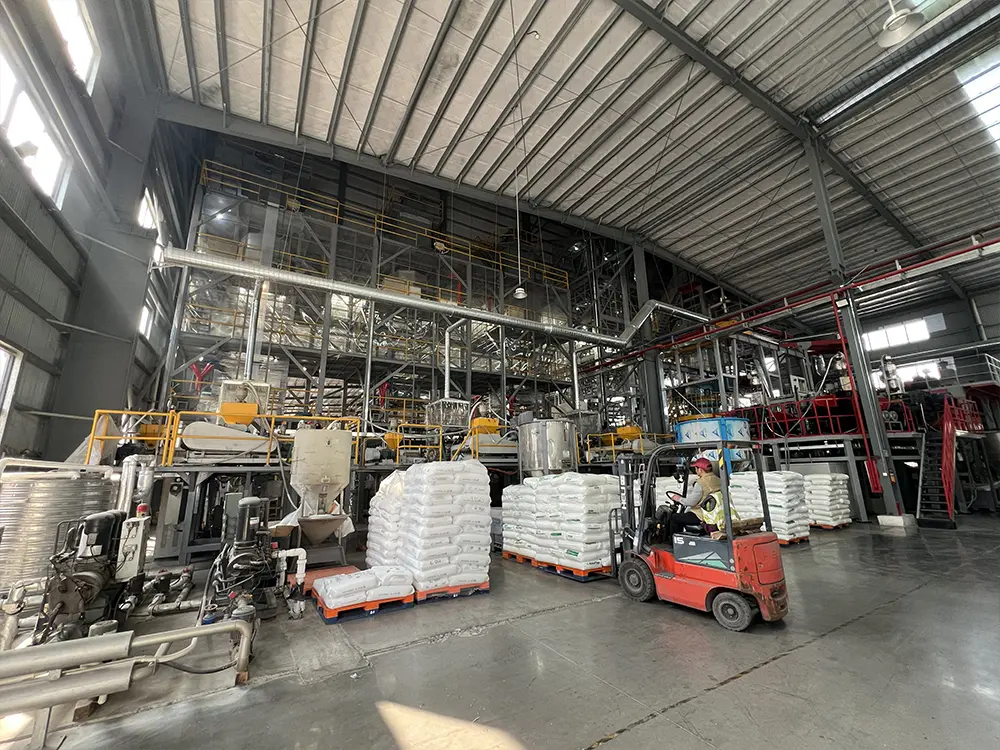
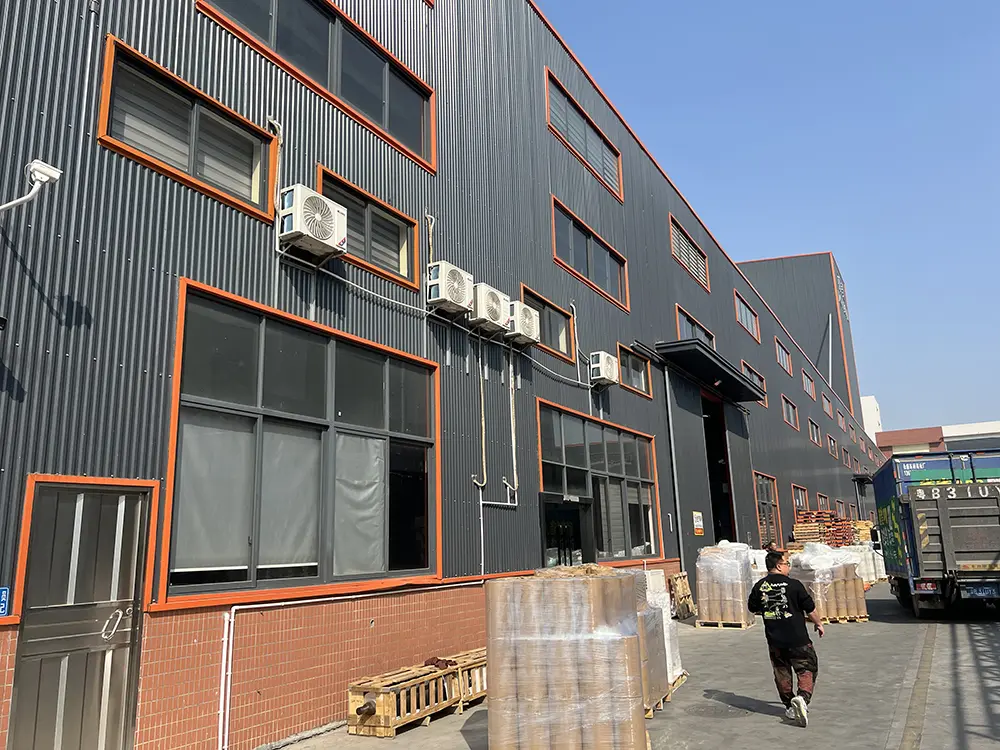
Sourcing PVC shrink film from China offers printing factories and consumer brands key advantages in supply chain integration and manufacturing scale. Companies like Zhongshan Tianchen leverage raw material networks and advanced extrusion lines to balance cost and quality.
Modern Chinese factories utilize multi-layer co-extrusion technology to control film thickness variation within a narrow window. This consistency is essential for high-speed gravure and flexographic printing presses, where uneven gauge can cause web tracking errors and print register variations.
With integrated supply chains, manufacturers can formulate specific shrink curves for custom container shapes. Whether you are packaging tapered beverage cups, contoured cosmetic bottles, or tamper-evident seals, the film formulation can be tailored to meet your requirements.
Tianchen’s 20 years of experience in film packaging allows for fast turnaround times on custom specifications. From testing new thickness levels to adjusting static dissipation properties, our R&D cycle is optimized to support the tight timelines of global printing operations.
Answers to common technical questions from printing factories, brand owners, and converting companies.
Under optimal storage conditions (temperatures below 25°C and relative humidity between 40% and 60%), PVC sleeve shrink film maintains its physical properties and shrink characteristics for up to 12 months. Standard temperature control during transit and warehousing prevents natural age-shrinkage.
While PETG offers higher maximum shrinkage (up to 78%), PVC provides a gentler shrink curve that helps prevent wrinkling or distorting on containers with moderate contours. Additionally, PVC is more cost-effective and has a wider operating window in heat tunnels.
Our PVC shrink sleeve film is manufactured with a surface tension of 38-42 dynes/cm. This ensures compatibility with standard solvent-based inks, UV-curable inks, and high-performance digital print setups, without requiring secondary corona treatments during production.
If film thickness varies beyond ±5%, it can cause feed faults, miscuts, or static buildup in high-speed application systems. Tight control of film thickness ensures reliable cutting and smooth sleeve placement on the container line.
Yes. We can adjust the formulation to control the shrink curve, modifying start temperatures and maximum shrinkage rates to fit complex container geometries, such as hourglass profiles or deep necks.
Select from our range of standard and custom-manufactured PVC and POF films, designed for direct sourcing by global converters.
 Tianchen Materials