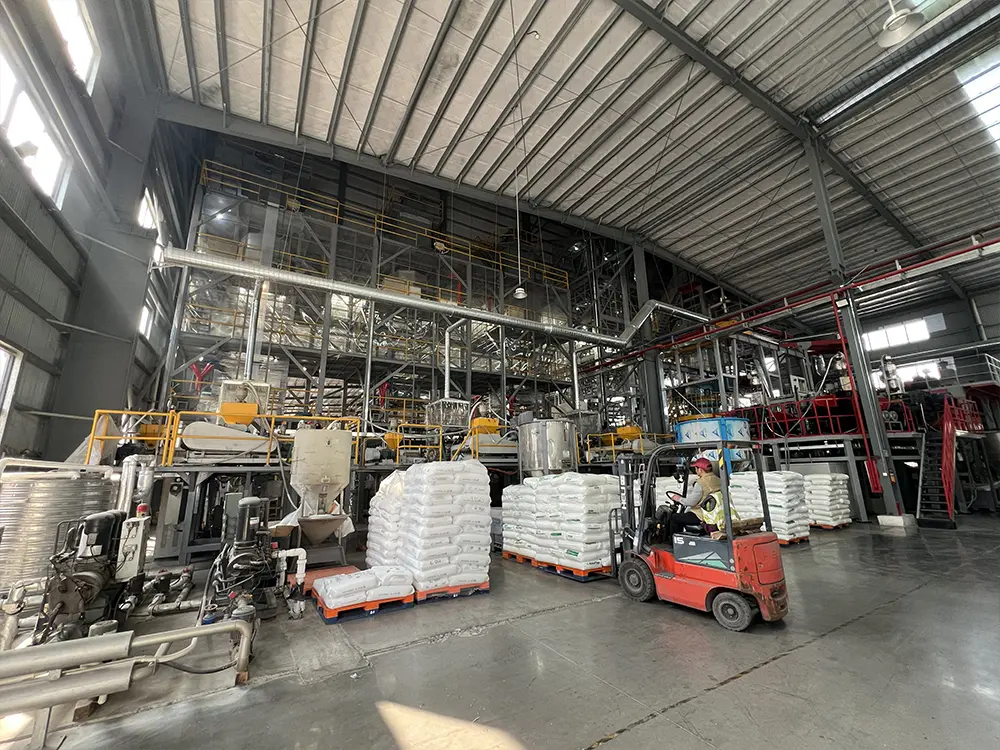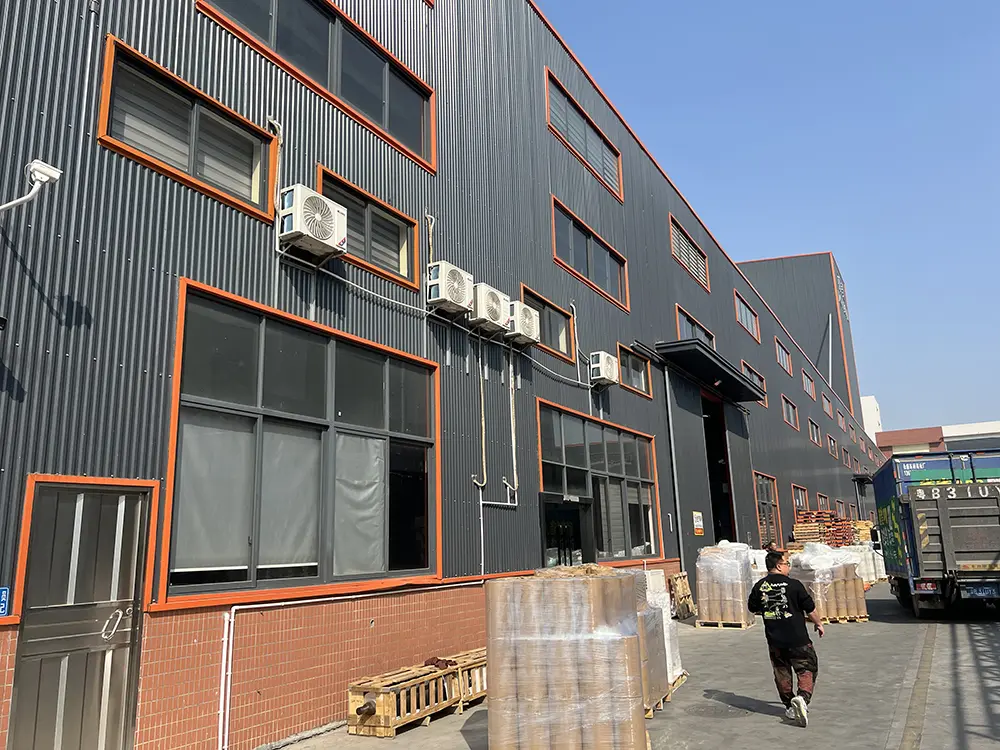
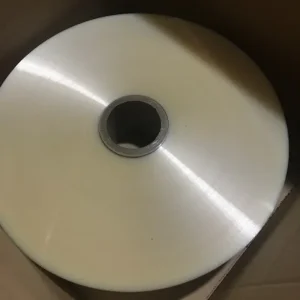
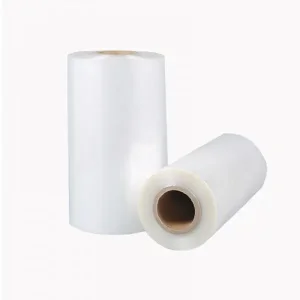
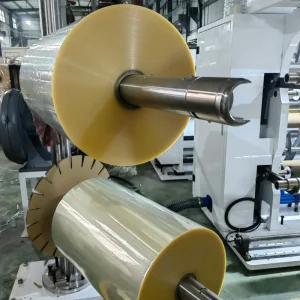
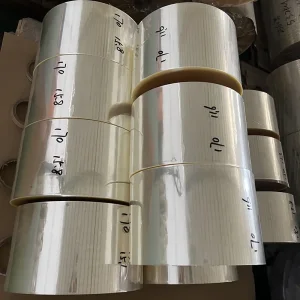
Operating as a premier, comprehensive one-stop packaging material procurement platform, built upon more than 20 years of technical expertise in the film extrusion and packaging industry.
At Tianchen, we coordinate professional production, R&D, and sales operations under unified, rigorous standards. Our modern quality control systems guarantee compliance with strict international benchmarks, ensuring that each customized plastic formulation aligns with our client's technical specifications. Continuous structural testing, thickness analysis, and thermal profile tests ensure unmatched performance.
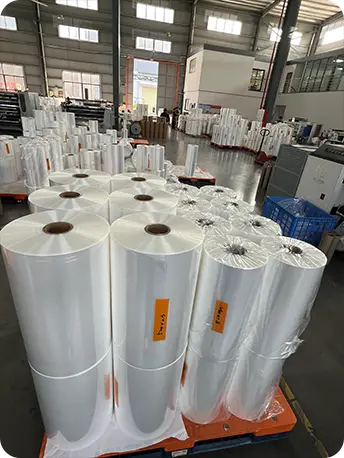
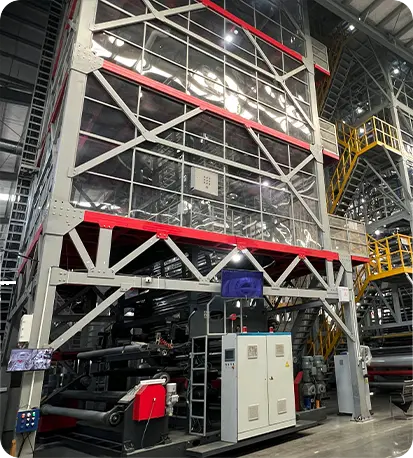
We serve as a holistic partner for modern global logistics and supply chains. By integrating dynamic raw materials, state-of-the-art extrusion lines, and expert printing compatibility (including high-definition flexographic and gravure setups), we eliminate fragmentation in your sourcing lifecycle, offering reliable lead times, lower customs bottlenecks, and cost-effective shipping parameters.
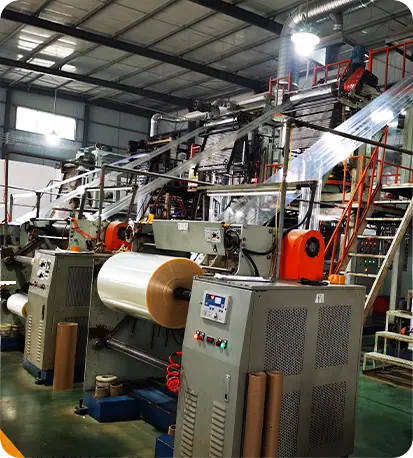
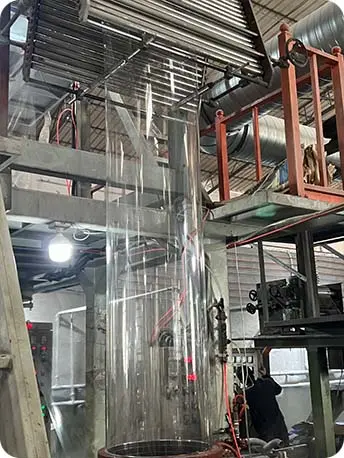
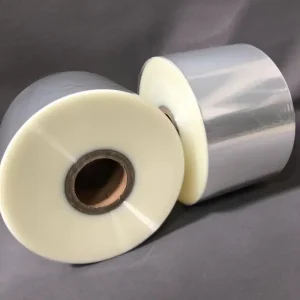
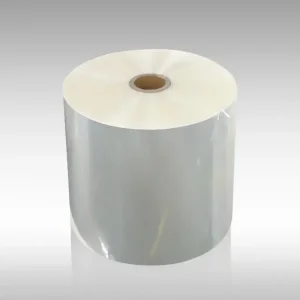
The packaging market is experiencing unprecedented demand for high-clarity, high-impact labeling options. Polyvinyl Chloride (PVC) Shrink Film Labels have established themselves as an industry benchmark due to their high tensile strength, economic viability, and excellent processing characteristics. Globally, consumer goods, food & beverage, and pharmaceutical industries rely on shrink labels to maximize brand real estate, secure tamper-evidence, and accommodate irregular container geometries.
Compared to traditional pressure-sensitive paper labels, PVC shrink labels conform dynamically to glass, PET, metal, and aluminum containers. During the thermal shrink process, the film contracts around the container contours, providing a seamless finish. This visual appeal has propelled the global PVC shrink label market to billions of dollars, with significant growth in emerging economies across the Asia-Pacific region, Latin America, and Eastern Europe.
In terms of performance, PVC continues to offer the most forgiving process window. It requires lower shrink tunnel temperatures (typically activating between 70°C and 130°C) than PETG (Polyethylene Terephthalate Glycol), preventing glass breakage or plastic bottle deformation. It also maintains high stiffness and dimensional stability, ensuring smooth application on high-speed automated bottling and packing lines.
Understanding the micro-structure of PVC shrink films is critical for high-speed labeling operations. These films are produced by compounding polyvinyl chloride resin with specific plasticizers, stabilizers, and slip agents. This enables the film to be oriented (stretched) in either the Machine Direction (MD) or, more commonly, the Transverse Direction (TD).
Our manufacturing processes achieve up to 60-65% shrinkage in the TD while maintaining minimum shrinkage (less than 3%) in the MD. This precise ratio prevents label "smiling"—a defect where the label edges pull upward around the container neck or base.
Optical Clarity & Gloss: The light transmission index of our premium PVC labels is calibrated above 90%, yielding a glossy, glass-like finish that accentuates vibrant graphics. The low haze factor ensures that the unprinted regions of the label remain completely transparent, making it ideal for "no-label" design aesthetics on clear plastic or glass bottles.
The shrink film industry is moving towards thinner gauges, lower activation temperatures, and hybrid formulations to balance performance with environmental responsibility.
Extrusion technology allows manufacturers to scale film thickness down from 50 microns to 30 microns without sacrificing stiffness or puncture resistance. Downgauging reduces overall material footprint, shipping weight, and carbon emissions.
Optimized formulations initiate shrinking at lower threshold temperatures, reducing energy draw inside heat-shrink tunnels. This helps protect temperature-sensitive products like dairy, biopharmaceuticals, and carbonated beverages.
Embedding micro-RFID tags, anti-counterfeit holographic overlays, and dynamic QR codes into high-clarity PVC labels. This provides security features for luxury goods and pharmaceuticals while preserving visual branding.
We recognize the growing demand for circular economy packaging. While PVC continues to serve as an economical, high-performance option for many applications, we also specialize in alternative material formulations, including POF (Polyolefin), PETG, and PLA (Polylactic Acid).
To help recycle PVC label materials, our engineers have developed clean-peel perforations. These allow consumers to easily detach the PVC shrink label from the PET or HDPE container body before recycling, preventing cross-contamination in recovery streams.
Commonly used for soft drinks, juice bottles, milk containers, and condiment jars. The film provides 360-degree graphics that help capture consumer attention on retail shelves. The tight fit ensures labels remain intact in damp refrigeration environments.
Provides critical tamper-evident neck bands. The high shrinkage rate allows the film to seal tightly over caps, providing physical security that guarantees product integrity for consumers.
Perfect for items exposed to moisture, oils, and chemical bases, such as liquid detergents, hand soaps, and mosquito coil packaging. PVC's chemical resistance ensures graphics remain clear without peeling or degrading.
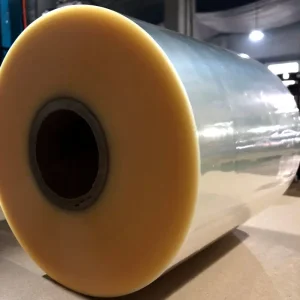
As an established industrial partner, Zhongshan Tianchen New Materials Co., Ltd. addresses the major challenges faced by procurement departments. We provide stable pricing, consistent chemical composition, and customized dimension matching. By offering single-wound roll stock for automatic high-speed application systems as well as pre-cut individual sleeves for manual applications, we customize our output to fit your packaging line requirements.
Zhongshan Tianchen New Materials Co., Ltd. ensures that all manufactured rolls are subject to systematic testing. Using online laser thickness sensors on our extrusion lines, we maintain a thickness tolerance profile within +/- 1.5 microns. This level of precision is critical for maintaining consistent print registration and preventing film jamming on high-speed labeling machinery.
Our quality control protocols comply with ASTM standards. We perform density analysis, coefficient of friction (COF) testing, heat contraction profiling in specialized water baths, and ink adhesion tests (including Scotch tape pull tests). By maintaining high quality control standards, we guarantee that every batch of film performs consistently under diverse environmental conditions.
Clear answers to key questions about PVC shrink films, ordering logistics, and application compatibility.
Under proper storage conditions—cool, dry environments below 25°C (77°F) away from direct sunlight—PVC shrink labels maintain their physical properties for 12 to 18 months. Because they are heat-sensitive, storing them in temperature-controlled spaces prevents premature shrinking or blocking.
PVC is generally the most cost-effective shrink film option. It contracts smoothly at lower temperatures than PETG, which requires higher energy and is prone to container crimping. While PETG offers slightly higher ultimate shrink ratios (up to 78%), PVC provides a highly reliable, forgiving, and economical choice for standard configurations. POF, on the other hand, is primarily used for outer protective wrapping rather than high-definition primary labels.
Our films are engineered with highly receptive surface properties, showing compatibility with rotogravure, flexographic, UV-rotary letterpress, and digital printing inks. The treatment levels are maintained above 38 dynes/cm to ensure excellent ink adhesion and crisp graphics, even during high-speed printing operations.
Yes. PVC's excellent control over both Machine Direction (MD) and Transverse Direction (TD) shrinkage makes it ideal for bundling multi-packs, such as buy-one-get-one-free promotions. It holds the grouped items securely together under tension while displaying high-impact promotional graphics.
As a comprehensive packaging material platform, we tailor film widths, roll lengths, core sizes, and thicknesses (ranging from 25 to 70 microns) to match our clients' packaging equipment. Our technical support team works closely with you to optimize these parameters, reducing scrap rates on your production lines.
 Tianchen Materials