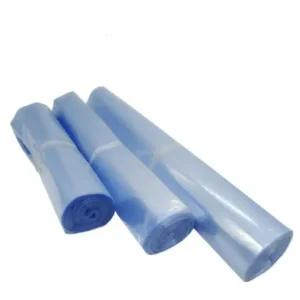
Engineered to maximize visual impact, structural integrity, and processing efficiency across high-speed packaging lines.
The global landscape for product labeling and consumer packaging has witnessed a major paradigm shift toward high-performance, heat-shrinkable polymers. Multinational enterprises looking for scalable labeling operations face multifaceted procurement pressures. They require products that balance operational throughput, cost-efficiencies, and structural durability under demanding logistical environments.
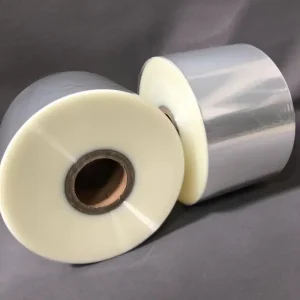
Polyvinyl Chloride (PVC) shrink labels remain a fundamental material technology in this transition, prized for their cost-effectiveness and exceptional processing properties. Due to their ability to shrink up to 60-65% in the transverse direction (TD) while maintaining minimal machine direction (MD) distortion, PVC films are ideal for containers with complex geometries. Brands in the beverage, personal care, and home supplies industries rely on PVC label printing to optimize shelf presence, secure tamper evidence, and guarantee high print resolution across regional packaging plants.
When selecting PVC label printing companies and services, procurement managers look beyond per-unit pricing. High-speed automatic sleeve application systems require strict control over roll tension, friction coefficients (COF), and flat-width precision. Even minor deviations can jam machinery, resulting in costly downtime. Strategic partnerships with integrated manufacturers who handle raw material extrusion, high-precision slitting, and custom printing offer clear advantages in reliability and long-term value.
Understanding polymer chemistry is vital to choosing the right material for your application. This comparative matrix outlines how PVC compares to alternative materials.
| Material Class | Typical TD Shrink Range | Tensile Strength (MD) | Optical Clarity & Gloss | Processing Temperature Range | Environmental Profile & Recovery |
|---|---|---|---|---|---|
| PVC (Polyvinyl Chloride) | 45% - 65% | Medium-High | Very High / Crisp | 110°C - 140°C | Requires specialized recycling separation; cost-effective energy footprint. |
| PET-G (Polyethylene Terephthalate Glycol) | 70% - 78% | Extremely High | Outstanding | 120°C - 150°C | Recyclable in PET stream but may cause contamination if unsorted. |
| OPS (Oriented Polystyrene) | 60% - 70% | Low-Medium | Excellent | 90°C - 110°C | Low density, soft feel; requires climate-controlled storage and logistics. |
| POF (Polyolefin Cross-Linked) | 60% - 80% (Bi-axial) | High (Impact Resistant) | High Clarity | 120°C - 160°C | Highly recyclable; standard choice for multi-pack overwraps. |
High-quality PVC label printing uses two main roll-to-roll technologies: Gravure (Intaglio) and Flexography. Each process serves a specific purpose in commercial manufacturing:
For high-volume runs, rotogravure uses engraved steel cylinders. This method excels at rendering gradients, metallics, and rich colors, and ensures consistent ink density across millions of units with minimal variation.
Flexo printing offers fast setups and competitive costs for mid-range runs. High-resolution polymer plates combined with UV-curable inks deliver vibrant color matching, strong adhesion, and excellent chemical resistance.
Printed rolls are precisely slit, folded, and seamed with advanced solvents (like THF). Real-time optical inspection systems monitor flat width tolerances to +/- 0.5 mm, ensuring smooth performance on automatic packaging machinery.
Zhongshan Tianchen New Materials Co., Ltd. – Your One-Stop Packaging Material Procurement Platform.
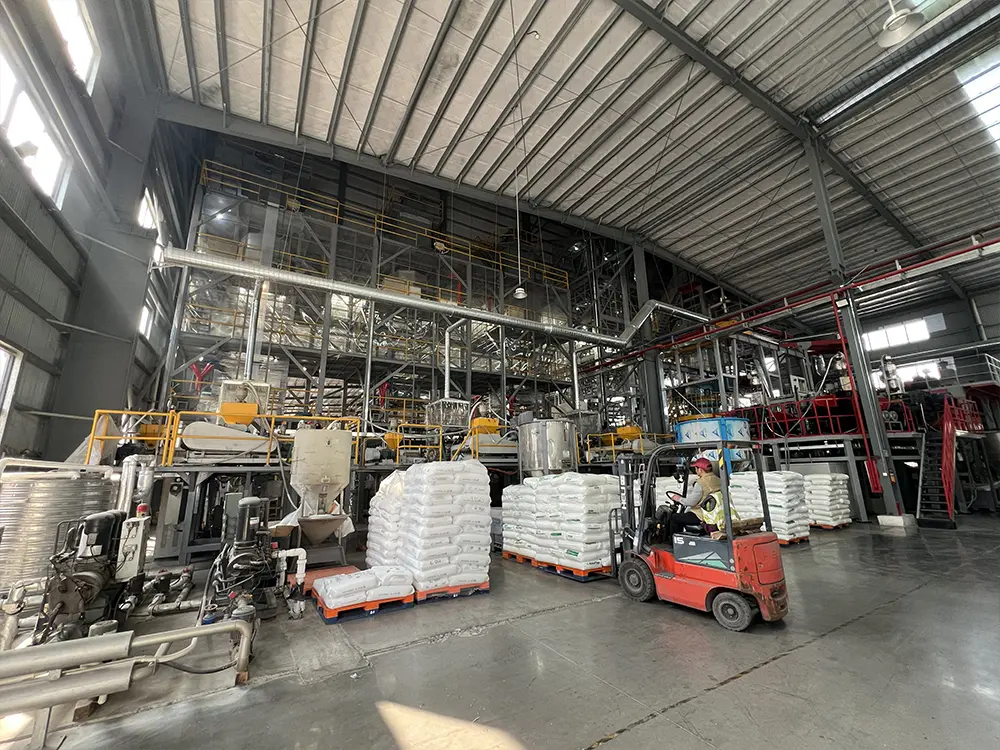
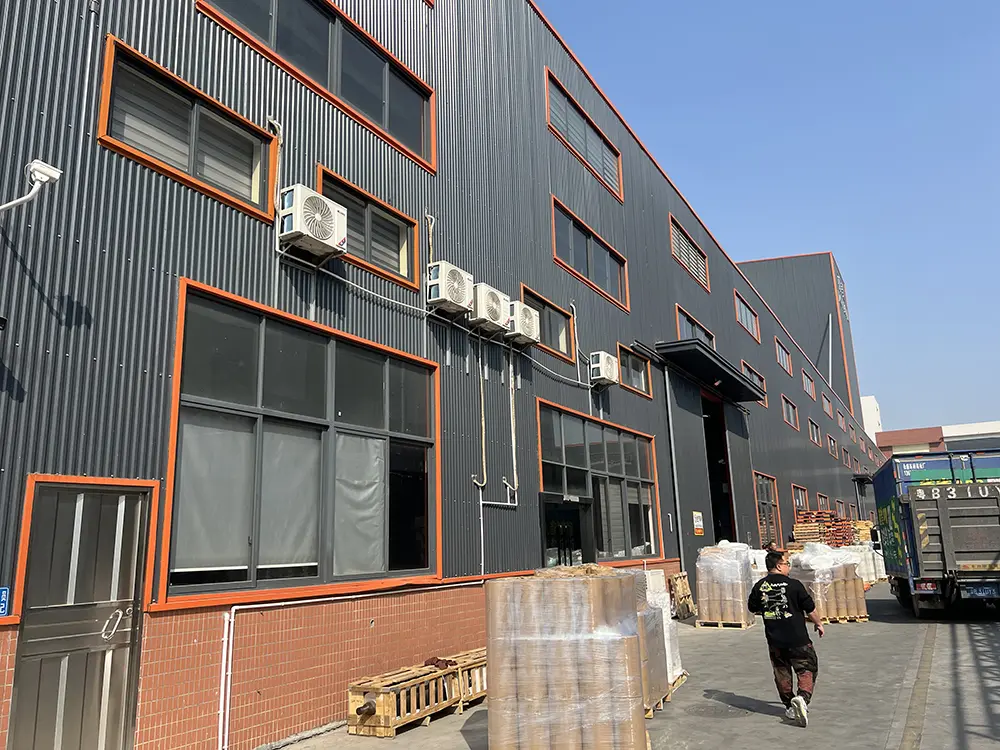
Zhongshan Tianchen New Materials Co., Ltd. is a comprehensive one-stop packaging material procurement platform established on the foundation of over 20 years of experience in the film packaging industry. Driven by a commitment to resource integration and addressing customer needs, Tianchen ensures that it offers the finest solutions for diverse packaging requirements.
In a competitive marketplace, we stand out as a reliable partner for all your packaging material needs. Whether you require eco-friendly heat shrink films or durable labeling solutions, Tianchen is here to provide the best in the industry.
At Tianchen, we have professional production, research & development, and sales teams, so quality control is taken very seriously. The modern quality control system implemented within the company ensures that all products meet the customer's standards. This commitment to quality, combined with large-scale production capabilities, has garnered significant favor and trust from customers worldwide. Our experienced professionals continuously work to innovate and improve product offerings, ensuring that they always deliver the best to clients.
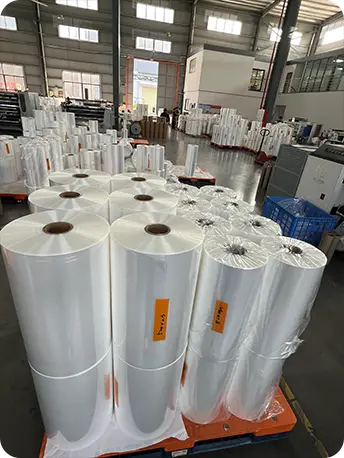
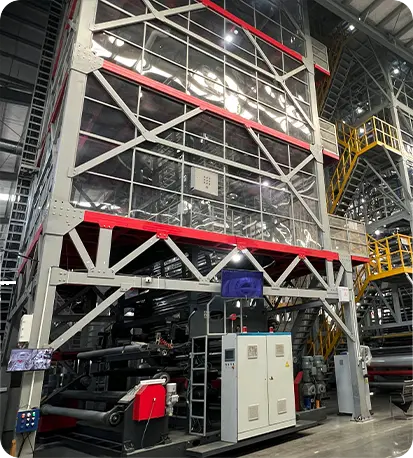
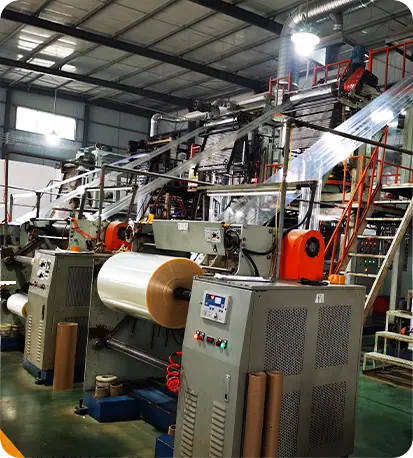
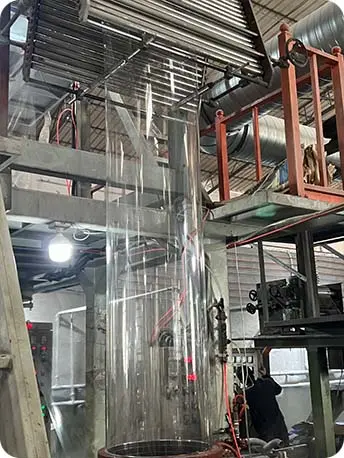
With dual-shaft orientation stretching systems, multi-color high-speed gravure presses, and dedicated quality assurance departments, we ensure uninterrupted global supply lines for enterprises of all sizes.
The label printing industry is evolving through advancements in material science and smart technologies. Modern manufacturing platforms are adopting several key innovations:
Compliance is essential for cross-border logistics. Global packaging materials must adhere to strict regulatory standards, including European REACH and RoHS directives, US FDA food contact protocols, and regional plastic tax mandates.
For brands utilizing PVC label options, partnering with certified suppliers who use phthalate-free plasticizers and clean heavy-metal-free inks is critical. Through these practices, brands can maintain regulatory compliance, avoid customs delays, and ensure consumer safety across international markets.
Addressing core technical questions from packaging engineers, procurement leads, and quality control professionals.
Explore our full range of technical polymer films, optimized for diverse packaging applications.
 Tianchen Materials