Discover our high-performance industrial PVC and polymer roll products manufactured under strict ISO quality-control protocols.
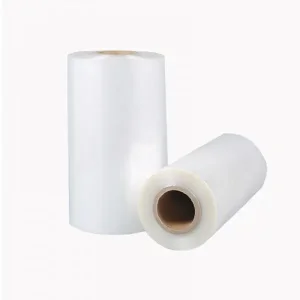
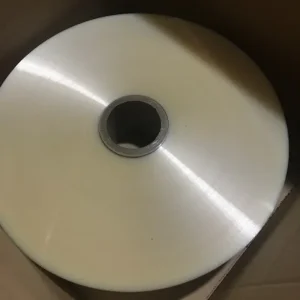
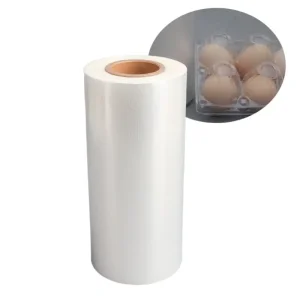
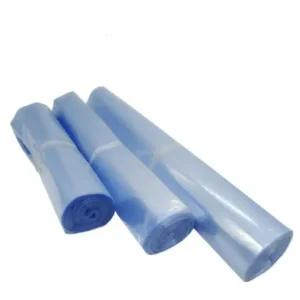
An in-depth look at how material formulation and regulatory demands shape the future of high-shrink films.
The global market for PVC (Polyvinyl Chloride) heat shrink rolls is undergoing a profound structural shift driven by automation, material engineering, and performance optimization. Despite the emergence of alternative thermoplastic films such as Polyolefin (POF) and Polyethylene (PE), PVC remains an irreplaceable standard in key industrial packaging segments. This persistent demand is attributed to its unique physical properties, including high stiffness, low-temperature shrink initiation, and superior optical clarity.
Historically, PVC shrink roll manufacturing relied on basic plasticizer formulations that frequently suffered from rapid aging and poor thermal stability. Modern packaging applications demand extreme precision. Contemporary PVC formulations utilize advanced, eco-friendly heat stabilizers and specialized co-polymers. This enables thin-gauge rolls (as low as 15–20 microns) to exhibit exceptional transverse shrinkage profiles of up to 58%, while maintaining longitudinal shrinkage below 3% to prevent container distortion.
As fast-moving consumer goods (FMCG) and pharmaceutical manufacturing integrate high-speed wrap applicators running at up to 600 bottles per minute, the demands on shrink roll consistency have intensified. Any deviation in roll gauge thickness or slip coefficient can trigger costly downtime. Consequently, today’s industry standards focus on raw material purity and uniform thermal response profiles, forcing factories to evolve beyond manual manufacturing parameters toward fully digitalized extrusion lines.
Years Industry Experience
Thickness Tolerance Accuracy
Maximum Transverse Shrinkage
Global Industrial Partners
Analyzing the strict technical requirements, mechanical standards, and regulatory frameworks required by international buyers.
Procurement teams demand PVC heat shrink rolls with minimal gauge deviation. Fluctuations in thickness can lead to burn-throughs in thermal tunnels or cause jamming in automated cutting equipment. Advanced factories use computerized automatic die heads to maintain thickness tolerances within a tight ±2% range.
For wrapping batteries or bundling heavy hardware products, the tensile strength (measured in MD and TD) must withstand physical drops and vibration stresses during transit. High-grade PVC shrink film maintains a minimum tensile strength of 40 MPa in the transverse direction to prevent premature splitting.
High-speed packaging machines require PVC film with a controlled Coefficient of Friction (COF). If the COF is too high, rolls stick, causing feeding faults; if too low, the film slips off tracking rollers. Anti-static treatments are regularly incorporated into the formulation to prevent electrical charge build-ups.
| Parameter Description | Target Standard (High Performance) | Industrial Application Impact |
|---|---|---|
| Transverse Shrinkage (TD) | 48% - 58% | Guarantees snug fit over highly contoured shapes and neck bottles without wrinkles. |
| Machine Direction Shrinkage (MD) | 1% - 4% | Prevents vertical shrinkage and distortion of printed logos and barcodes. |
| Haze Value | < 2.5% | Delivers premium, high-gloss display clarity on retail shelving. |
| Shrink Temp Range | 80°C - 130°C | Protects contents from thermal degradation inside energy-saving shrink tunnels. |
Zhongshan Tianchen New Materials Co., Ltd. – Your One-Stop Packaging Material Procurement Platform.
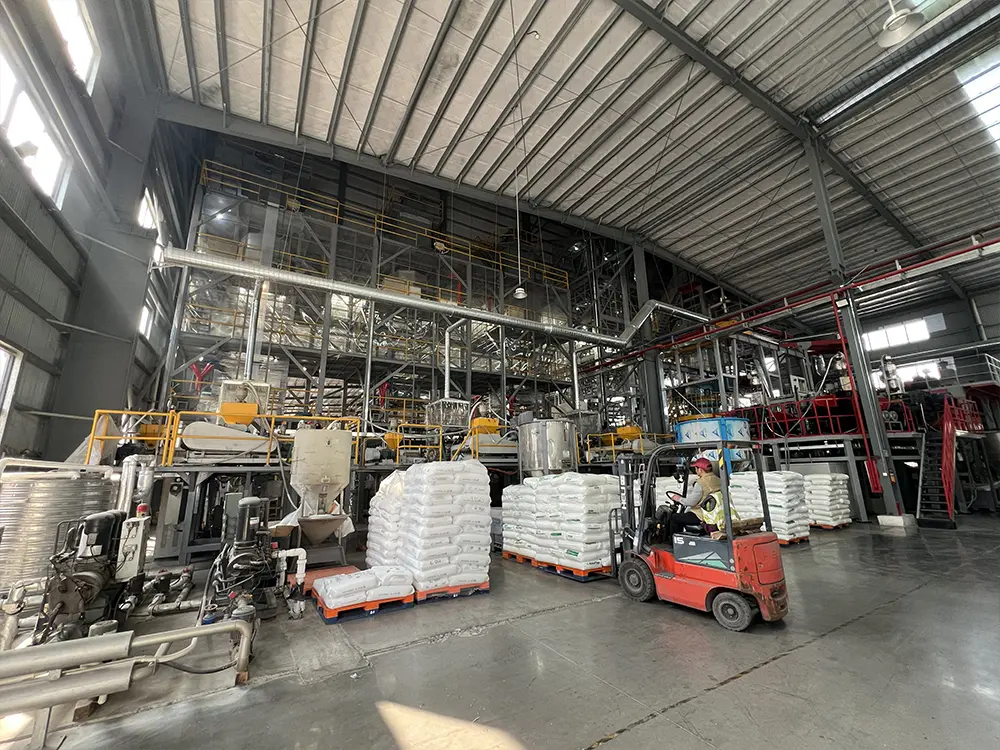
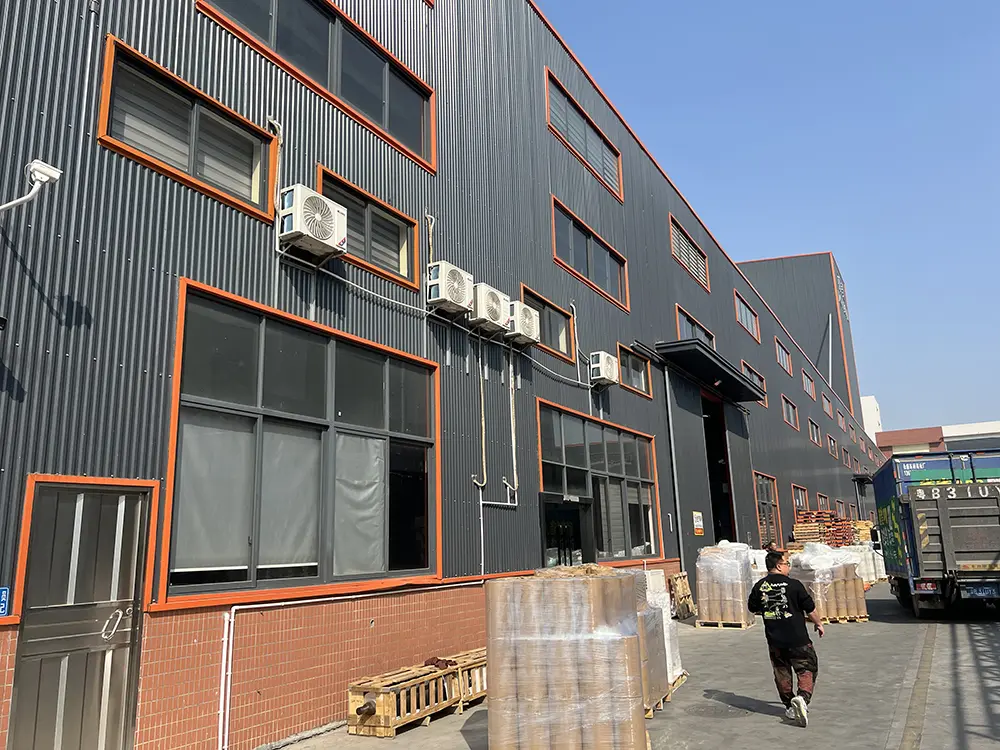
Zhongshan Tianchen New Materials Co., Ltd. is a one-stop packaging material procurement platform established on the basis of more than 20 years of experience in the film packaging industry to act as a comprehensive one-stop packaging material procurement platform. Established on the foundation of extensive industry experience, Tianchen is driven by a commitment to resource integration and addressing customer needs, ensuring that it offers the finest solutions for diverse packaging requirements.
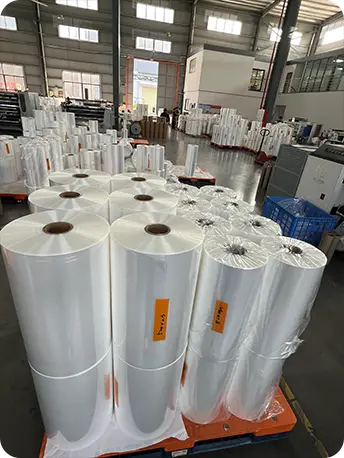
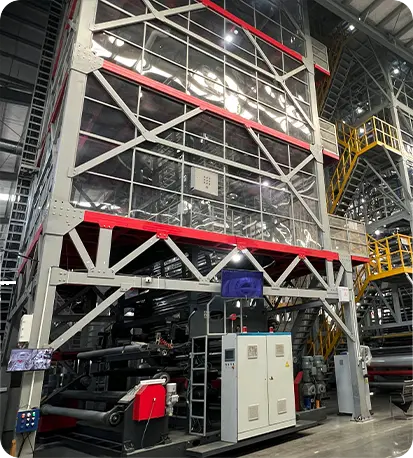
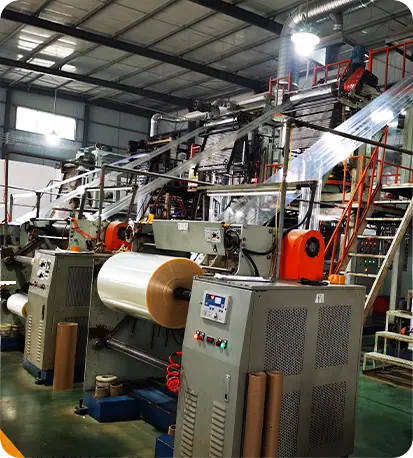
At Tianchen, We have a professional production, research and development and sales teams, so quality control is taken very seriously. The modern quality control system implemented within the company ensures that all products meet the customer’s standards. This commitment to quality, combined with large-scale production capabilities, has garnered significant favor and trust from customers. The company's experienced professionals continuously work to innovate and improve product offerings, ensuring that they always deliver the best to their clients.
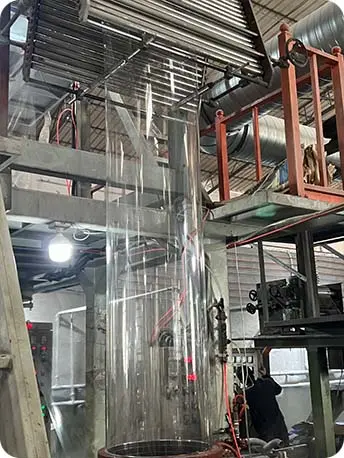
In a competitive marketplace, Zhongshan Tianchen New Materials Co., Ltd. stands out as a reliable partner for all your packaging material needs. As a one-stop packaging material procurement platform, Tianchen combines decades of industry expertise with a passion for quality and customer satisfaction. Whether you need eco-friendly heat shrink films or durable labeling solutions, Tianchen is here to provide the best in the industry.
How the integration of IoT, automated extrusion, and proactive supply chain strategies ensures consistent supply in turbulent times.
In an era characterized by global supply chain volatility, purchasing departments prioritze supplier resilience. Tianchen's manufacturing facility exemplifies the China Factory 4.0 paradigm, combining mechanical precision with computerized process control. By replacing older, labor-reliant batch production lines with continuous co-extrusion technology, the plant ensures consistent quality across production batches.
Our intelligent factory floor features automated optical inspection (AOI) systems that scan 100% of the extruded film in real-time. This system flags micro-pores, gel spots, and thickness inconsistencies immediately, allowing automated adjustments to the air ring and die head. By preventing scrap production, we optimize resource utilization and keep processing costs highly competitive on the global stage.
Furthermore, supply chain resilience is built directly into our operational architecture. With extensive bulk raw-material storage silos and close, localized relations with polymer chemical suppliers in South China, we maintain a buffer against spot price fluctuations. Our logistics system is digitally connected with major regional deep-water ports (such as Shenzhen and Guangzhou), allowing automated customs pre-declaration and shorter container dispatch windows, reducing transit times to international destinations.
From automated high-speed bottling lines to specialized electrical insulation and secondary retail packaging.
Beverage, pharmaceutical, and spirits companies utilize PVC shrink roll stock to manufacture perforated sleeve bands. The high transverse shrink capacity ensures the film tightly hugs the contours of glass and plastic bottle neck collars, providing visual proof of container integrity.
In the electronics sector, PVC's high dielectric strength and chemical resistance make it an ideal outer jacket for battery cells. Thin-walled shrink tubing rolls protect cell packs from short circuits and mechanical abrasion, maintaining precise dimensions required for automated assembly.
To reduce shipping costs and bundle multiple products, manufacturers of adhesive tape rolls and office goods use PVC shrink rolls for outer wrap. The material's rigidity prevents product crushing while preserving a clear, high-gloss display look.
Answers to common queries from packaging engineers, global procurement managers, and quality assurance teams.
Because PVC is highly heat-sensitive, raw rolls must be stored in a temperature-controlled environment, ideally between 15°C and 25°C (59°F to 77°F), with a relative humidity of 40–60%. Keep the rolls away from direct sunlight, heating ducts, and high-temperature areas. Exposure to temperatures exceeding 30°C may initiate premature micro-shrinkage, leading to roll warping, telescoping, or blocking (where layers of film stick together).
PVC and POF serve different packaging requirements. PVC shrink film is stiffer and shrinks at lower temperatures (initiating at around 70°C-80°C), making it excellent for high-speed sleeve labeling, battery wrapping, and heavy multipacks. POF (Polyolefin) is highly flexible, eco-friendly, and food-contact safe, but requires higher shrink-tunnel temperatures (typically above 130°C) and lacks the structural stiffness of PVC, which can make it less suited for automated vertical labeling machines.
Wrinkling or "dog-ears" typically result from unequal heat distribution inside the shrink tunnel or incorrect sizing of the shrink sleeve. To resolve this: 1. Verify that your shrink tunnel is delivering consistent airflow to all sides of the product. 2. Adjust the conveyor speed to ensure the film has sufficient dwell time to complete shrinkage. 3. Review the film's shrinkage profile; if the transverse direction (TD) shrinkage is too low for a contoured container, upgrade to a higher-shrink formulation (up to 58%).
Yes, PVC is one of the most print-friendly shrink materials available. During the extrusion process, we apply a high-voltage corona treatment to the film surface. This increases the surface energy (measured in dynes) to a minimum of 38-40 dynes/cm. This treatment ensures excellent ink adhesion for both solvent-based and UV-curable inks in rotogravure or flexographic printing systems, preventing ink flaking or peeling during the thermal shrink process.
Modern PVC shrink roll formulations utilize calcium-zinc (Ca-Zn) thermal stabilizers rather than heavy metal (lead or cadmium) stabilizers of the past. As a result, our PVC shrink roll products comply with the European Union’s RoHS (Restriction of Hazardous Substances) directive and REACH (Registration, Evaluation, Authorisation and Restriction of Chemicals) framework. However, due to raw monomer regulations, we recommend POF or PETG for direct contact with fatty foods.
For standard dimensions, our Minimum Order Quantity (MOQ) starts at 1,000 kg. Custom formulations (specific slip coefficients, tint colors, or customized thickness values) carry an MOQ of 2,000 kg. Production lead times generally range between 15 and 20 working days from formulation confirmation to port delivery in South China, depending on current production schedule queue.
Complete your procurement requirements with our extensive range of high-barrier CPP, OPP, PE, and PVC shrink solutions.
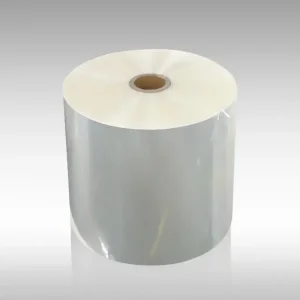
 Tianchen Materials