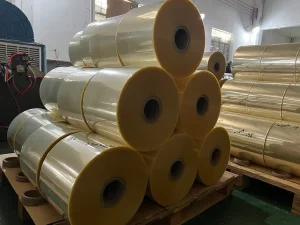
Explore our specialized shrink film variants designed for high-performance automation lines, severe transport cycles, and shelf aesthetics.
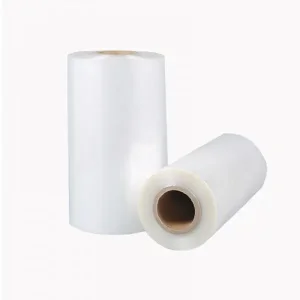
Analyzing current global demand, regulatory structures, and industrial scale of Printed PVC film processing.
In modern industrial packaging systems, Polyvinyl Chloride (PVC) shrink film remains a fundamental technology, globally appreciated for its optical transparency, mechanical stability, and cost-efficiency. As packaging lines speed up and brands demand eye-catching shelf presence, custom printed PVC shrink films have become key to high-volume manufacturing, labeling, and secondary containment. The global printed PVC film market is driven by growth in emerging economies, alongside steady demand from the food, beverage, chemical, and pharmaceutical sectors in developed markets.
According to industrial supply chain studies, the demand for printed PVC heat-shrinkable sleeves and labels is growing at a compound annual rate (CAGR) of 4.5% to 5.2%. This growth is supported by PVC's versatile formulation parameters. Unlike alternative materials, PVC allows for precise shrink control under lower processing temperatures. This protects heat-sensitive consumer goods, cosmetics, and chemicals during heat tunnel processing.
Suppliers in major manufacturing hubs, like China, are upgrading their capabilities. They are shifting from basic film extrusion to advanced, multi-station rotogravure and flexographic printing services. By integrating raw material sourcing, film formulation, cylinder engraving, and precise slitting under one roof, modern factories can minimize production waste, lower costs, and offer consistent thickness across bulk orders. This is essential for preventing issues on high-speed label applicator machines.
Modern PVC films are formulated with non-phthalate plasticizers and UV stabilizers. This ensures long-term shelf stability without sacrificing clarity or breakdown resistance.
Achieves up to 60-65% Transverse Direction (TD) shrinkage, enabling complete 360-degree wrapping for highly contoured containers and uniquely shaped packaging.
Treated surface with corona discharge levels of 38-42 dynes/cm. This ensures clean ink adhesion for high-resolution graphics on fast labeling runs.
Direct engineering data comparing physical properties across standard industrial PVC formulations.
| Property Parameter | Testing Standard (ASTM / ISO) | Standard Grade PVC Film | High-Yield Custom Printed Grade | UV-Resistant Grade |
|---|---|---|---|---|
| Thickness Tolerance | ASTM D374 | ± 8% to 10% | ± 4% to 5% | ± 5% |
| Transverse Shrinkage (TD) | ASTM D2732 (100°C Hot Water) | 45% - 50% | 55% - 65% | 50% - 58% |
| Machine Shrinkage (MD) | ASTM D2732 (100°C Hot Water) | 3% - 7% | 1% - 3% | 2% - 5% |
| Tensile Strength (TD) | ASTM D882 | ≥ 40 MPa | ≥ 48 MPa | ≥ 45 MPa |
| Haze Value (Clarity) | ASTM D1003 | ≤ 4.5% | ≤ 2.5% | ≤ 3.5% |
| Surface Tension (Corona) | ASTM D2578 | 36 mN/m | ≥ 38 - 42 mN/m | ≥ 38 mN/m |
| UV Degradation Period | ISO 4892 Accelerated Aging | Negligible Resistance | Standard Protection | Extended (up to 12 months outdoor) |
How distinct regions and sectors deploy custom printed PVC shrink packaging to address target operational requirements.
In global beverage packaging, PVC shrink caps offer tamper-evidence and premium branding for high-end wine and spirit bottles. The print surface allows for custom logos, metallic gold hot stamping, and clean tear-tabs. By maintaining low longitudinal (MD) shrinkage, labels stay aligned without distorting logos, even during quick heat-tunnel shrinking.
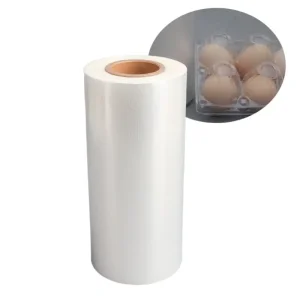
For large-scale agricultural packaging, like egg containers in regional markets, perforated POF and PVC shrink films ensure structural strength and breathability. Micro-perforated channels release moisture, preventing condensation that can compromise eggshell integrity.
For chemical and automotive packages exposed to grease, mechanical friction, and temperature swings, custom PVC printed films provide built-in resistance. Waterproof and oil-proof coatings keep barcodes and hazard warnings legible throughout transport and warehousing.
Additionally, UV inhibitors prevent ink fading and film brittleness on retail displays or outdoor storage areas. This ensures high-impact graphics remain vibrant and readable from factory floor to customer hands.
The transition toward thin-gauge materials, smart print coatings, and improved recycling options.
Reducing typical film thickness from 40 microns to 30 or 25 microns helps minimize plastic use per container. This lowers resin costs and tax rates in eco-conscious markets.
Developing inks that detach from PVC flakes during the washing phase of mechanical recycling. This keeps PVC clean, avoiding cross-contamination during reprocessing.
Moving away from traditional phthalate-based softeners to bio-based alternatives. This ensures compliance with EU REACH regulations and US FDA food contact standards.
Discover how Zhongshan Tianchen New Materials Co., Ltd. integrates 20+ years of industrial experience to optimize your packaging supply chain.
Zhongshan Tianchen New Materials Co., Ltd. is a specialized sourcing platform for packaging materials, backed by more than 20 years of experience in the film packaging industry. Built on deep industry expertise, Tianchen focuses on resource integration to deliver tailored solutions for diverse packaging needs.
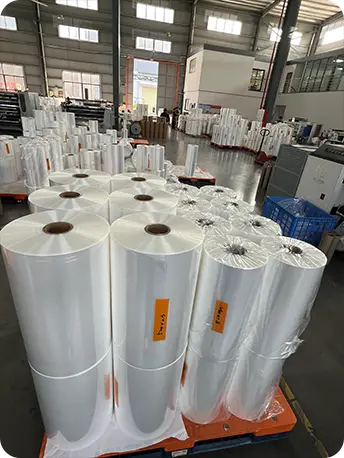
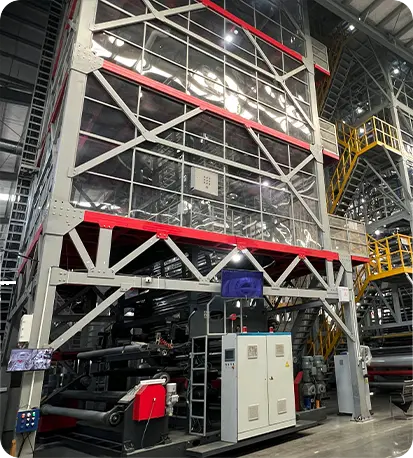
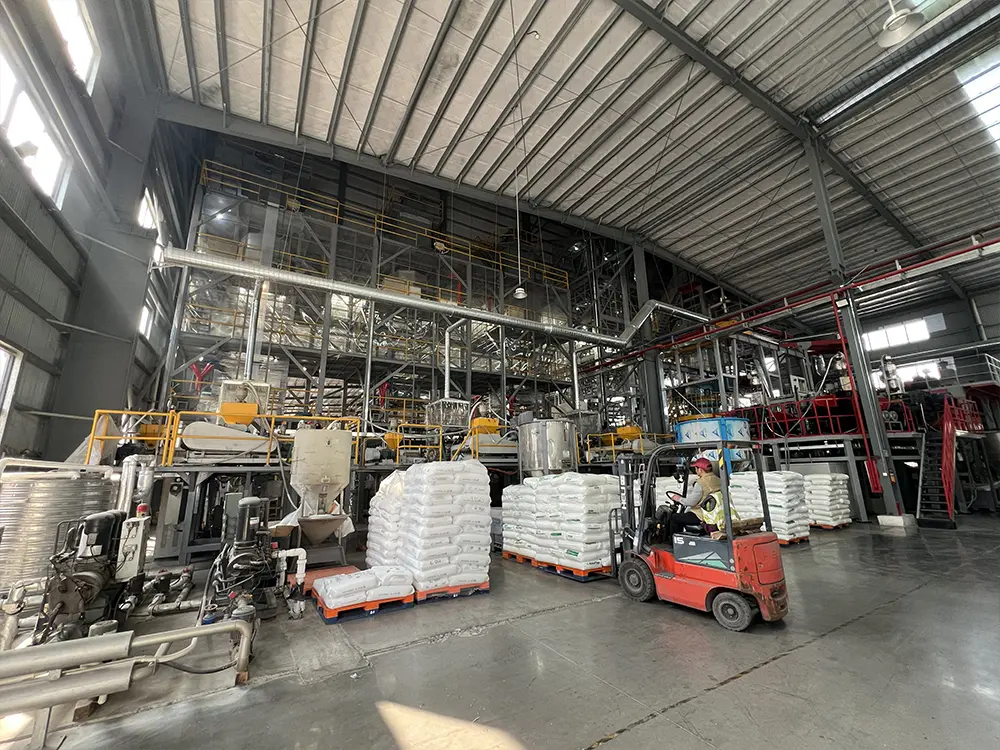
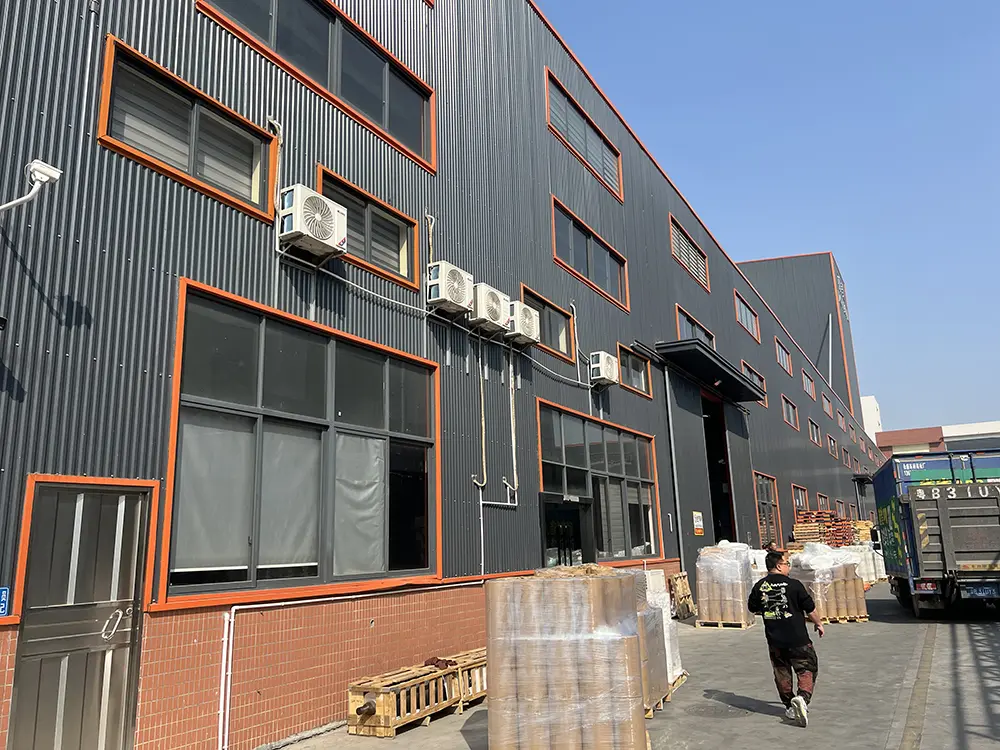
At Tianchen, we support our operations with dedicated production, R&D, and sales teams, ensuring quality control is managed at every stage. Our modern quality assurance system confirms that every batch of printed PVC, POF, or PE film aligns with our clients' specifications. Our scale of production, combined with rigorous testing protocols, helps build long-term trust with our global partners.
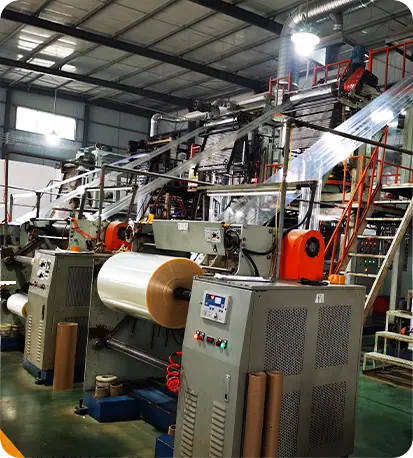
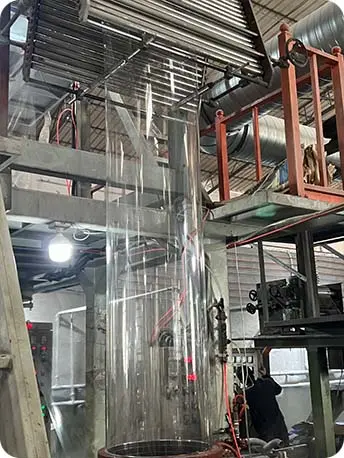
In a competitive market, Zhongshan Tianchen New Materials Co., Ltd. serves as a dependable partner for your packaging material needs. We combine decades of technical expertise with a focus on reliable product delivery. Whether you require eco-friendly heat shrink films or durable printed label solutions, we provide high-performance materials tailored to your applications.
Answers to critical questions regarding film choice, print tolerances, storage conditions, and global shipping setups.
Under climate-controlled warehousing conditions (temperature below 25°C, relative humidity under 60%, away from direct UV exposure), printed PVC shrink films maintain their structural properties and ink adhesion for 10 to 12 months. Storage temperatures above 30°C can cause premature film shrinkage and blocking.
PVC offers higher TD (transverse) shrinkage (up to 65%) with low MD (machine) shrinkage, which helps keep printed graphics from distorting on contoured containers. While POF is excellent for multi-pack wraps due to its puncture resistance, it shrinks in both directions, which can warp detailed logos on single bottles.
Our rotogravure printing presses utilize computerized print-register control systems. By constantly monitoring photo-electric sensor marks, the system makes real-time alignment corrections within ±0.15mm, ensuring consistent placement on high-speed application lines.
Yes, we provide custom formulation runs using DOTP (Dioctyl terephthalate) and other non-phthalate plasticizers. This ensures compliance with EU REACH regulations and US FDA food contact requirements, meeting global standards for consumer safety.
We test every batch according to ASTM standards: ASTM D2732 for free shrinkage, ASTM D882 for tensile strength and elongation, and ASTM D2578 to verify that surface corona treatment meets at least 38 dynes/cm for clean ink adhesion.
Yes, we can add custom vertical, horizontal, or T-pattern perforations to your labels and films. These options allow for easy tearing, clean cap separation, and venting, making them ideal for both manual and automated application lines.
High-barrier protective films and custom heat-sealable polyolefins designed for automated lines.
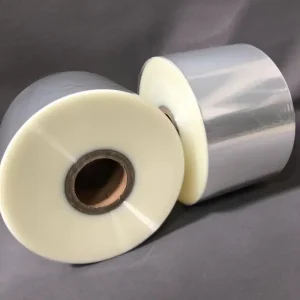
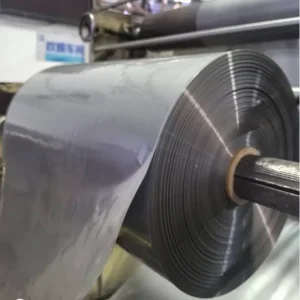
 Tianchen Materials