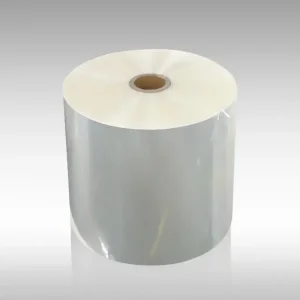
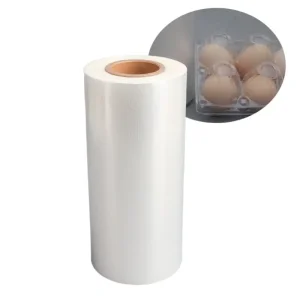
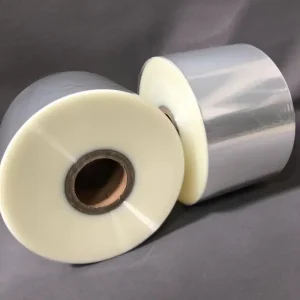
Premium industrial co-extrusion films engineered for high mechanical integrity, thermal sealing reliability, and custom structural applications.
In the highly specialized ecosystem of modern packaging design, material science functions as the structural foundation of product integrity, shelf-life extension, and supply chain logistics. Within this context, composite structures combining PET (Polyethylene Terephthalate) and CPP (Cast Polypropylene) stand as a premier barrier solution. Often referred to under the industry umbrella of "PET CPP Packaging Film," this configuration utilizes the thermodynamic and physical properties of two distinct polymer classes: the high-tensile, heat-resistant, and high-printability characteristics of PET (frequently biaxially oriented as BOPET), paired with the outstanding heat-sealability, high seal strength, and moisture-barrier properties of Cast Polypropylene (CPP).
For international sourcing directors and process engineers, identifying qualified, high-efficiency manufacturers is not merely about finding a vendor—it is about securing a partner capable of precise micron-level gauge control, advanced co-extrusion technology, and compliance with stringent food safety and medical regulations. This technical guide outlines the manufacturing variables, global market dynamics, applications, and sustainable technology roadmap defining the state of the PET/CPP film manufacturing sector.
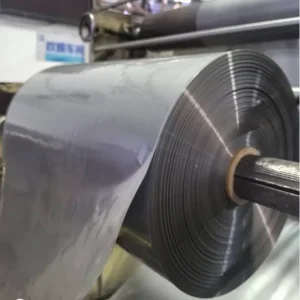
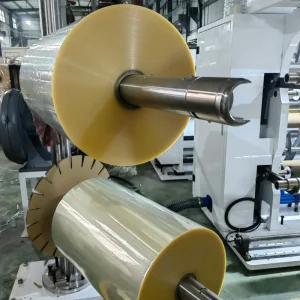
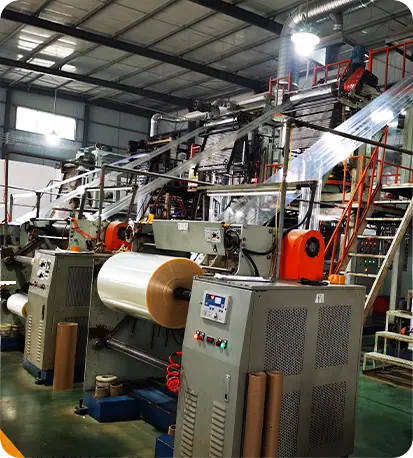
The manufacturing process for high-performance CPP and laminate films relies on sophisticated cast extrusion lines. Unlike blown film architectures, cast film co-extrusion offers exceptional gauge uniformity (often within a ±1% tolerance margin), superior optics, and excellent flatness, which are critical parameters for high-speed printing and automated Form-Fill-Seal (FFS) lines.
Utilizing 3-layer, 5-layer, or 7-layer feedblock structures to co-extrude polymers. This allows manufacturers to engineer specific properties into discrete layers, such as high-slip outer surfaces and low-SIT inner sealing layers.
Applying high-frequency electrical discharge to raise the surface tension of the film substrate (typically above 38–42 mN/m). This ensures optimal ink adhesion during rotogravure or flexographic printing processes.
Incorporating specialized polypropylene random copolymers to survive high-temperature sterilization processes (up to 135°C for 30 minutes) without delamination or seal degradation.
The mechanical pairing of PET and CPP relies heavily on dry lamination or solventless lamination processes. The PET layer functions as the external printing web, which also provides thermal insulation and tensile strength during the heat-sealing jaw compression. The CPP layer acts as the internal contact sealant layer, offering high impact resistance, puncture resistance, and seal integrity. These properties are essential for containing wet foods, liquids, and sharp dry goods.
Zhongshan Tianchen New Materials Co., Ltd. – Your One-Stop Packaging Material Procurement Platform.
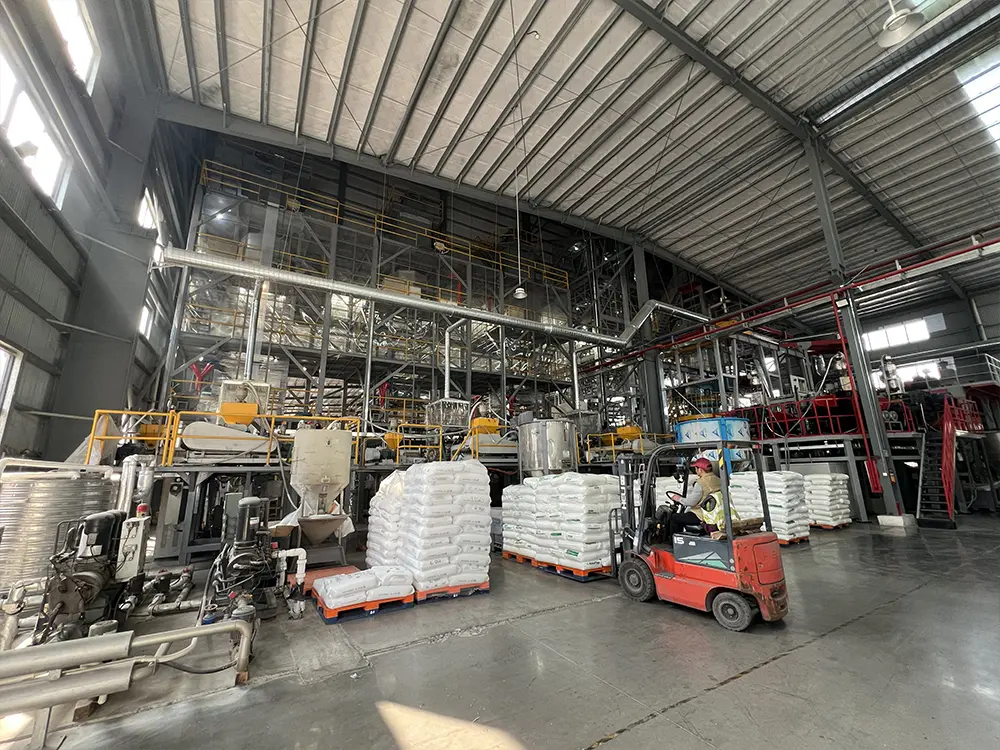
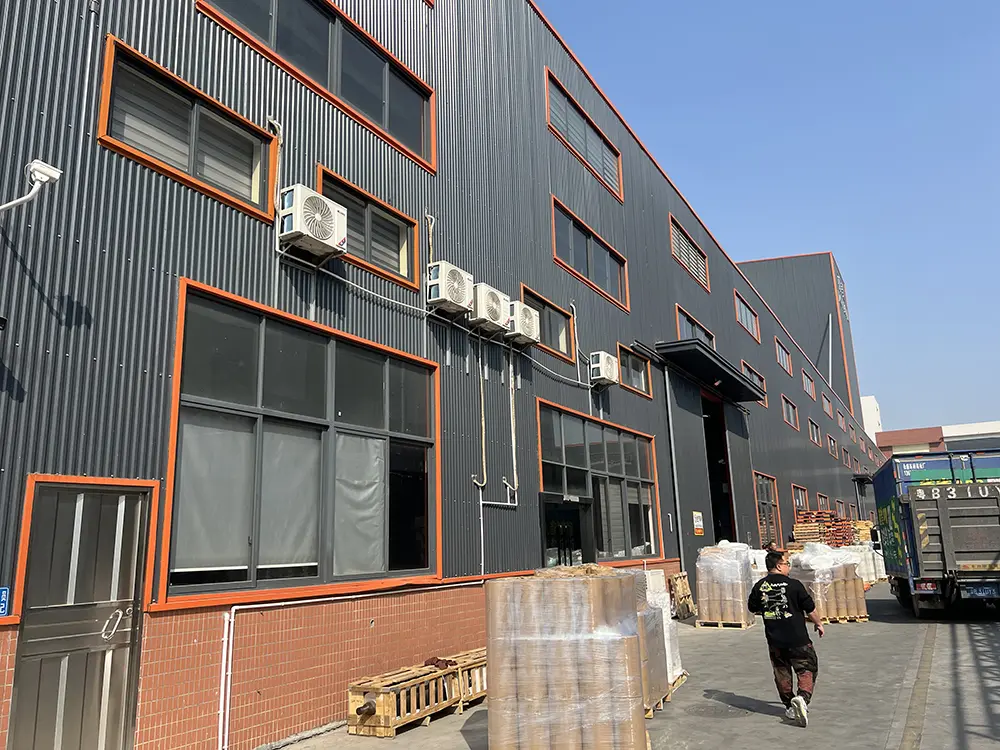
Zhongshan Tianchen New Materials Co., Ltd. is a comprehensive one-stop packaging material procurement platform established on the foundation of more than 20 years of experience in the film packaging industry. Established to integrate valuable industry resources and address diverse customer needs, Tianchen is driven by a commitment to resource integration, technical validation, and solving complex packaging challenges. The company ensures it offers the finest solutions for food, pharmaceutical, industrial, and consumer goods packaging requirements.
At Tianchen, we host professional production, research and development, and technical sales teams. Quality control is built directly into our operations, utilizing a modern QC regime that inspects raw material melt flow indices, film gauge profiles, optical haze, and seal strengths. Combined with large-scale production capabilities, our experienced specialists continuously innovate film formulations (such as low-SIT sealant films and custom barrier structures) to ensure clients receive reliable materials.
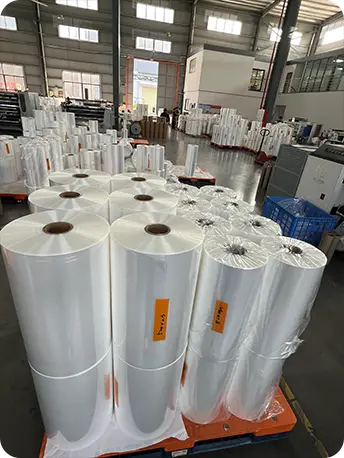
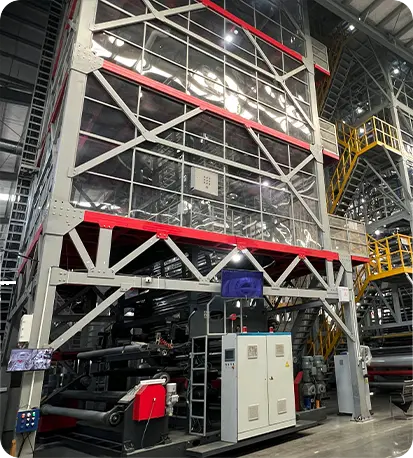
In a highly competitive international marketplace, Zhongshan Tianchen New Materials Co., Ltd. serves as a dependable partner for integrated film sourcing. By matching our processing expertise with comprehensive logistics, we streamline the supply chain for complex multi-material films. From eco-friendly heat shrink wraps to highly complex food-grade composite sealants, our portfolio is optimized to help clients consolidate their suppliers and lower total operational costs.
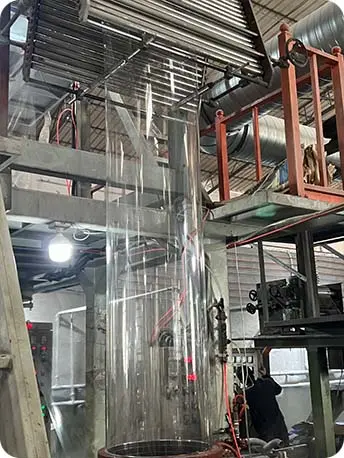
The global demand for high-barrier flexible packaging films has experienced significant growth over the past decade. Markets in North America, Western Europe, and Asia-Pacific are leading this consumption due to shifting consumer preferences towards lightweight, convenient, and extended shelf-life packaging solutions.
In terms of volume, the flexible packaging market relies heavily on multilayer structures where PET and CPP are primary components. The combination represents a cost-effective, high-yield solution compared to rigid plastic, metal cans, or glass jars. Industrial statistics indicate a steady compound annual growth rate (CAGR) of 4.5% to 5.2% for laminated barrier films, driven specifically by the pet food processing industry, high-temperature retort food sectors, and medical device sterilized packaging systems.
A key application sector for PET/CPP structures is pet food packaging. Modern wet pet foods (such as gravies, patés, and high-moisture kibbles) present unique challenges:
Additionally, the medical packaging sector utilizes specialized sterile-grade PET/CPP composites to pack surgical instruments, syringes, and fluid delivery systems. The films must withstand gamma irradiation, ETO (Ethylene Oxide) gas exposure, or steam autoclaving while maintaining a reliable sterile barrier.
The flexible packaging industry is undergoing a significant transition driven by regulatory frameworks (such as the EU’s Packaging and Packaging Waste Regulation - PPWR) and changing consumer preferences. The traditional PET/CPP laminate, despite its excellent mechanical performance, presents recycling challenges because it combines two different polymer families (Polyester and Polyolefin), which cannot be easily separated in standard mechanical recycling streams.
Leading manufacturers are adapting to these trends by upgrading their extrusion machinery with advanced screw designs that can process PCR materials without experiencing significant drop-offs in optical clarity or mechanical strength.
Our commitment to manufacturing precision is defined by strict quality controls and global standards.
Answers to technical and commercial sourcing inquiries regarding PET, CPP, and co-extruded packaging materials.
PET (Polyethylene Terephthalate) is typically biaxially oriented (BOPET) and features high tensile strength, excellent thermal stability (high melting point), and a receptive surface for high-definition printing. However, it does not seal well under heat. CPP (Cast Polypropylene) is a non-oriented film that offers lower tensile strength but outstanding heat-sealability, high seal strength, puncture resistance, and moisture barrier performance. They are frequently laminated together to utilize the advantages of both materials.
PE films generally have a lower melting point (around 105°C to 125°C) and can soften or lose structural integrity during high-temperature retort sterilization (typically 121°C to 135°C). CPP features a higher melting point (ranging from 150°C to 165°C), allowing it to survive thermal sterilization processes without seal failure, bag bursting, or delamination.
Corona treatment modifies the polymer surface energy. Unrefined PP and PET have low surface tension, meaning printing inks and adhesives do not wet out or adhere well, leading to peeling. Raising the surface energy to at least 38–42 dynes/cm through corona discharge creates microscopic bonding sites, ensuring strong lamination and high printing definition.
The primary sustainable substitute is a mono-material PP structure, where the outer PET film is replaced by Biaxially Oriented Polypropylene (BOPP) or Machine Direction Oriented Polypropylene (MDO-PP). Because the entire packaging structure consists of polypropylene, it can be collected, sorted, and recycled within standard polyolefin recycling streams.
Discover our comprehensive range of packaging materials designed for versatile sealing, labeling, and industrial applications.
 Tianchen Materials