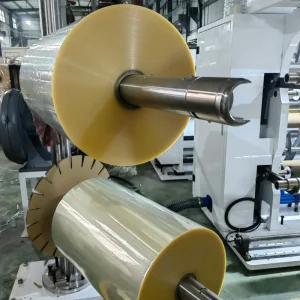
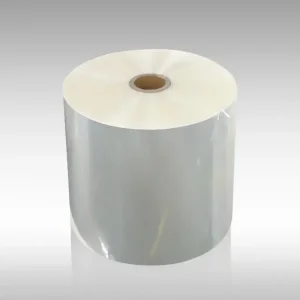
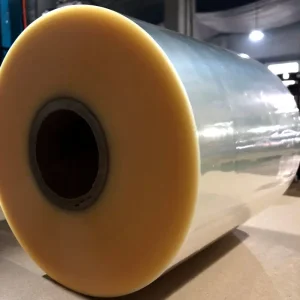
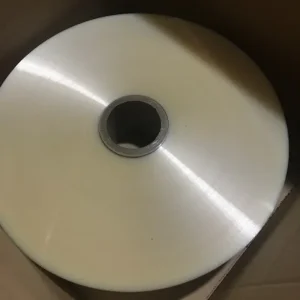
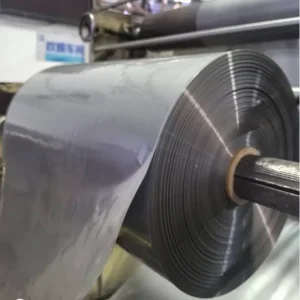
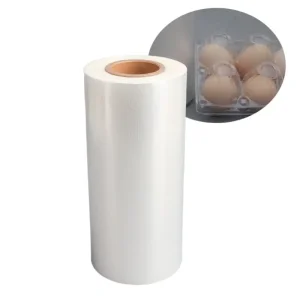
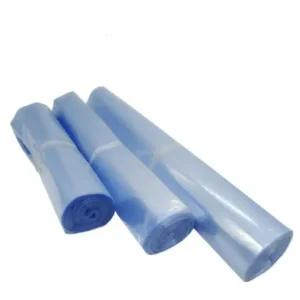
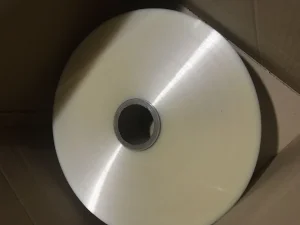
Explore our industry-standard polymers engineered for high-performance shrink packaging, protective layering, and labels.
To grasp the industrial importance of OPP plastic meaning, we must first break down its chemical structure and manufacturing processes. OPP stands for Oriented Polypropylene. It is a linear hydrocarbon polymer, synthesized from propylene monomer via catalytic polymerization. The "Oriented" part of the name refers to the mechanical process that alters the molecular structure of the film to optimize its performance characteristics.
During manufacturing, the polypropylene film is stretched or oriented. When this stretching occurs in one direction (usually the machine direction), it is termed Monoaxially Oriented Polypropylene (MOPP). When stretched in two perpendicular directions (machine and transverse direction), it becomes Biaxially Oriented Polypropylene (BOPP). In many commercial contexts, the term "OPP" is used colloquially to refer to these oriented configurations, notably BOPP, which is celebrated for its outstanding balance of clarity, tensile strength, and moisture-barrier attributes.
Stretching aligns the polymer chains in orderly, crystalline patterns. This structural shift yields a major leap in tensile strength, puncturing resistance, and optical clarity compared to non-oriented Cast Polypropylene (CPP).
OPP features an exceptionally low Water Vapor Transmission Rate (WVTR). This natural moisture resistance makes it a premier material for protecting products susceptible to degradation from atmospheric humidity.
The global market for Oriented Polypropylene (OPP) has experienced rapid expansion. Driven by a surge in demand for flexible, high-barrier packaging, global production capacities are hitting new records. Geographically, the Asia-Pacific region dominates production, with China leading both raw material refinement and conversion processes. In developed economies like North America and Europe, growth is propelled by high-value applications, such as medical-grade barriers and ultra-thin electronics protection films.
Historically, rigid packaging materials like tinplate, glass, and heavy-walled polymers ruled logistics. Today, the industry is shifting toward lightweighting. Flexible films like OPP minimize shipping volume, decrease carbon emissions during distribution, and dramatically lower manufacturing overheads. As a result, major global brands in food processing, consumer electronics, cosmetics, and shipping logistics have largely transitioned to OPP-centric configurations.
Modern manufacturing cannot escape the imperative of sustainability. The OPP industry is experiencing a profound transition toward circular economy models. Major regulatory shifts (such as the EU's Packaging and Packaging Waste Regulation) force manufacturers to rethink multi-layered structures that are hard to recycle.
In response, film suppliers are developing advanced mono-material OPP solutions. Historically, food packaging required combining OPP with other polymers (like PET or PE) or aluminum foil to yield sufficient oxygen barriers. This created composite structures that could not be processed in typical recycling systems. Modern, high-barrier OPP films are coated with ultra-thin inorganic layers (like Al2O3 or SiOx) or optimized via advanced co-extrusion technology. This preserves their recyclability while maintaining excellent protection against oxygen and moisture transmission.
Replacing multi-material laminates with pure, recyclable PP structures to ease post-consumer collection and reuse.
Introducing Post-Consumer Recycled (PCR) polypropylene resin back into high-performance packaging films without degrading optical properties.
Using advanced extrusion tech to decrease film gauge (thickness) while preserving puncture resistance and barrier performance.
The future of OPP films lies in advanced chemical engineering and high-precision mechanical processing. The technical roadmap for next-generation OPP focuses on three pillars:
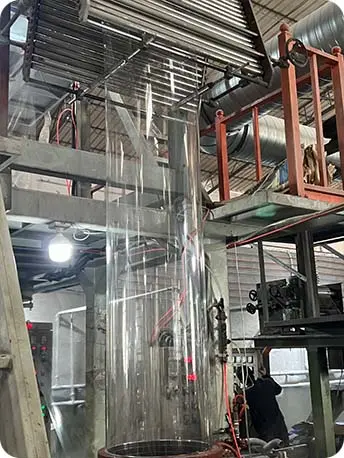
Advanced production lines now utilize 5-layer, 7-layer, or even 9-layer co-extrusion technology. By combining different polyolefin resins in distinct micro-layers, manufacturers can build highly tailored functional properties into a single film. For instance, the skin layers can be engineered for low-temperature heat sealing, while the core layer is optimized for high mechanical stiffness and tensile strength.
Physical Vapor Deposition (PVD) techniques allow suppliers to apply nanometer-thin layers of aluminum, aluminum oxide, or silicon oxide to the OPP surface. These barrier coatings block light, gas, and aromatic hydrocarbons. This makes metallized OPP (BOPP-Met) a cost-effective and highly recyclable replacement for aluminum foils in potato chip bags, coffee pouches, and medical packaging.
As researchers seek alternatives to fossil fuels, bio-based polypropylene derived from vegetable oil or agricultural waste is transitioning from pilot programs to commercial scale. These bio-based options yield identical chemical performance to traditional PP, presenting a direct drop-in replacement that dramatically lowers the carbon footprint of packaging.
Zhongshan Tianchen New Materials Co., Ltd. – Your One-Stop Packaging Material Procurement Platform.
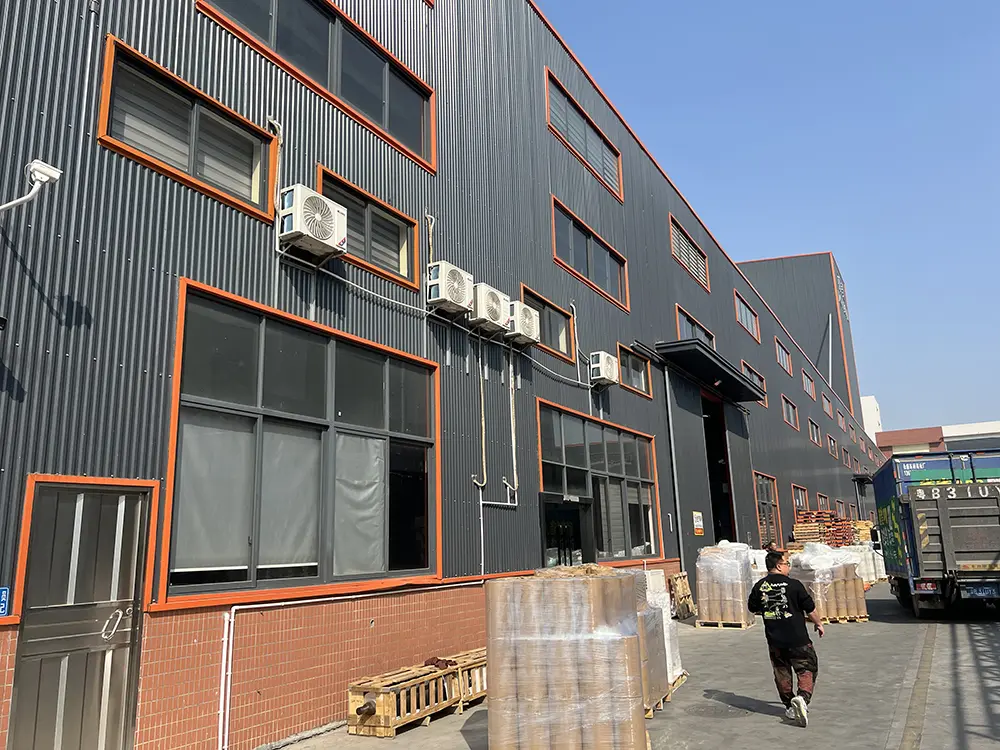
Zhongshan Tianchen New Materials Co., Ltd. is a comprehensive one-stop packaging material procurement platform established on the foundation of more than 20 years of extensive experience in the film packaging industry. Driven by a commitment to resource integration and addressing diverse customer needs, Tianchen ensures that it offers the finest high-performance solutions for various packaging requirements globally.
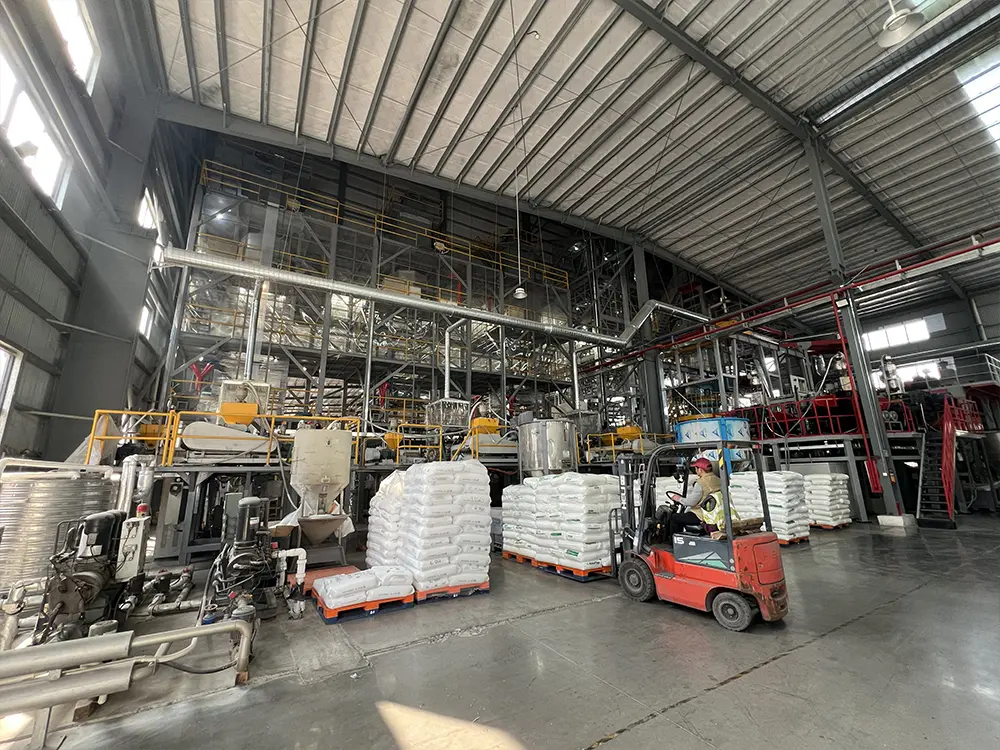
At Tianchen, we run a professional production, research, development, and sales structure, so quality control is taken very seriously. The modern quality control system implemented within our operations ensures that all products meet the customer’s strict requirements. This dedication to quality, combined with our large-scale production capabilities, has garnered significant trust from international clients.
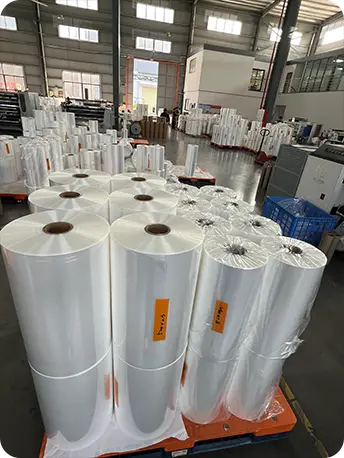
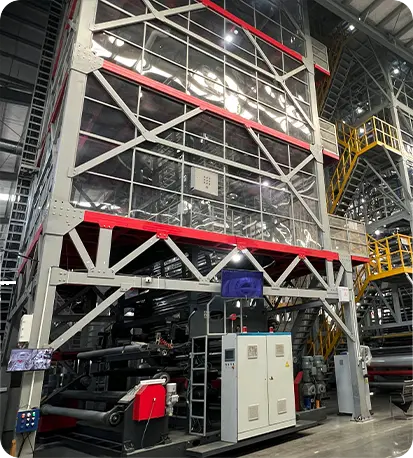
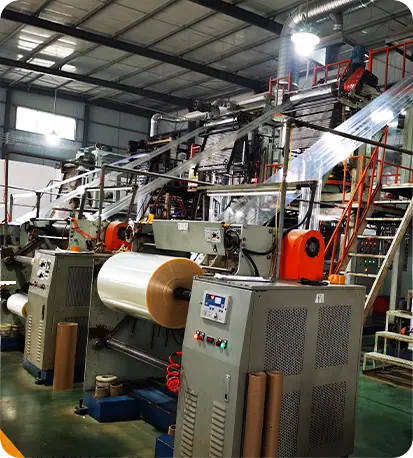
OPP film is not a one-size-fits-all solution. Different industries demand distinct properties. Below, we look at how localized application requirements translate into macro manufacturing configurations:
For fresh and dry foods, maintaining flavor and preventing moisture absorption is crucial. High-gloss OPP film with heat-sealable properties is widely used for packaging snacks, cookies, and pasta. Modern micro-perforation technology allows controlled respiration in fresh food applications, extending shelf life for fruits and vegetables.
In sterile environments, materials must withstand rigorous sanitization processes. Medical-grade OPP films act as outer wraps for trays, protective barriers for diagnostic kits, and secondary packaging for drugs. They resist chemical degradation and prevent external contamination.
Modern fulfillment centers and food processing facilities run at high speeds. High-quality OPP films are engineered with optimized Coefficient of Friction (COF) properties. This ensures they feed smoothly through Form-Fill-Seal (FFS) machinery, avoiding jams and tearing.
Get authoritative answers on the properties, manufacturing, and industrial sourcing of OPP films.
Discover our broad selection of high-clarity heat shrink options, labeling products, and high-gloss polymer structures.
 Tianchen Materials