High-Quality Opp Meaning Plastic Factory & Company

Deciphering Oriented Polypropylene: Engineering Principles, Global Supply Chain Excellence, and Next-Generation Sustainable Packaging Solutions

Industrial Whitepaper: Decoupling the "OPP Meaning" in Modern Polymers

A rigorous examination of molecular orientation, thermodynamics, and industrial applications of Oriented Polypropylene (OPP) in the global value chain.

1. Understanding the Science: What is the True "OPP Meaning" in Plastic Manufacturing?

In the nomenclature of polymer chemistry and packaging technology, OPP stands for Oriented Polypropylene. This material represents a critical evolution in thermoplastic films. The core meaning of OPP is found not merely in its chemical formulation (a polymer chain of propylene monomers, $(C_3H_6)_n$), but in its physical structure. Undergoing a specialized process called orientation, the random arrangement of polypropylene molecules is stretched and aligned.

Standard polypropylene (PP) is naturally crystalline but isotropic. When it is heated and mechanically stretched in either one direction (monaxial / uniaxial direction) or two directions (biaxially oriented, commonly known as BOPP), the molecular chains organize into a highly structured, dense crystalline matrix. This orientation dramatically improves the mechanical, optical, and barrier parameters of the film:

  • Tensile Strength: Molecular alignment increases resistance to puncture and tearing along the orientation axes, allowing manufacturers to use thinner films (down-gauging) while retaining structural integrity.
  • Optical Clarity: Orientation collapses the larger polymer spherulites, resulting in low haze values (typically <1.5%) and high gloss, giving it a glass-like appearance.
  • Moisture Barrier: The dense crystal structures make it exceptionally difficult for water molecules to pass through, resulting in a low Water Vapor Transmission Rate (WVTR).

Key Technical Insight: BOPP vs. OPP

While the terms "OPP" and "BOPP" are frequently used interchangeably in commercial settings, BOPP refers specifically to *Biaxially* Oriented Polypropylene (stretched in both Machine Direction - MD, and Transverse Direction - TD). Standard OPP may sometimes refer to uniaxially oriented variations used for specialty labels or strapping tapes.

150+
MPa Tensile Strength
< 1.5%
Average Film Haze
4.5g
Typical WVTR (m²/24h)
100%
Recyclable Base Polymer

2. Global Commercial & Industrial Landscape of OPP Plastics

The global flexible packaging market relies heavily on OPP films, with demand exceeding 9 million metric tons annually. Key growth drivers include the fast-moving consumer goods (FMCG) sector, globalized e-commerce logistics, and strict food safety regulations. In regions like North America and the European Union, there is a strong focus on circular economy initiatives, shifting the market toward mono-material structures (such as all-polypropylene laminated barrier pouches) that simplify post-consumer recycling.

Meanwhile, Asia-Pacific remains the primary manufacturing engine for raw OPP resins and film extrusion. Factories in China, including advanced hubs in Guangdong, lead global production capacities. The integration of high-speed German tenter-frame extrusion systems (like Bruckner machinery) allows these factories to produce films with precise thickness tolerances (down to 12 or 15 microns) and run inline corona treatments to optimize surface energy for demanding high-speed printing presses.

3. Technical Production Roadmap: From Pellets to High-Performance Barrier Films

Producing premium-grade OPP film involves a continuous, highly controlled thermo-mechanical process:

Raw Material Preparation & Compounding

Polypropylene homopolymer resin chips are blended with specific functional masterbatches containing slip agents, anti-static agents, and UV stabilizers depending on the target application.

Co-Extrusion and Cast-Sheet Quenching

The melted polymer is pushed through a flat slot die onto a cooled casting roll, forming a thick sheet. Multi-layer co-extrusion (typically 3 to 5 layers) allows factories to apply heat-sealable skin layers on both sides of a core layer.

Tenter-Frame Biaxial Stretching

The sheet is heated and stretched in the Machine Direction (MD) over heated rollers, then enters a tenter oven to be stretched in the Transverse Direction (TD) using chain-guided clips, aligning the polymer molecules in both directions.

4. Macro-Industry Solutions & Localized Application Scenarios

OPP films are engineered to meet specific industrial needs across various sectors:
  • Food Packaging Systems: Highly barrier-treated OPP films, coated with PVDC or metallized with aluminum, prevent moisture and oxygen ingress. This protects sensitive food products like snacks, biscuits, and confectionery, helping extend shelf life.
  • Lamination & Graphics Protection: Thermal OPP lamination films are used to protect printed media, book covers, and luxury cartons, providing scuff resistance and a choice of gloss or matte finishes.
  • Industrial Labeling (In-Mold & Pressure-Sensitive): Thanks to its high dimensional stability and chemical resistance, OPP is widely used for beverage container labels, personal care products, and logistics tracking systems.
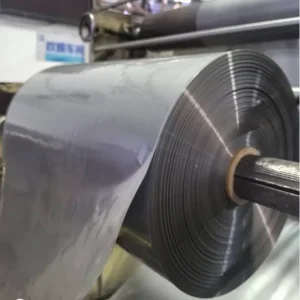
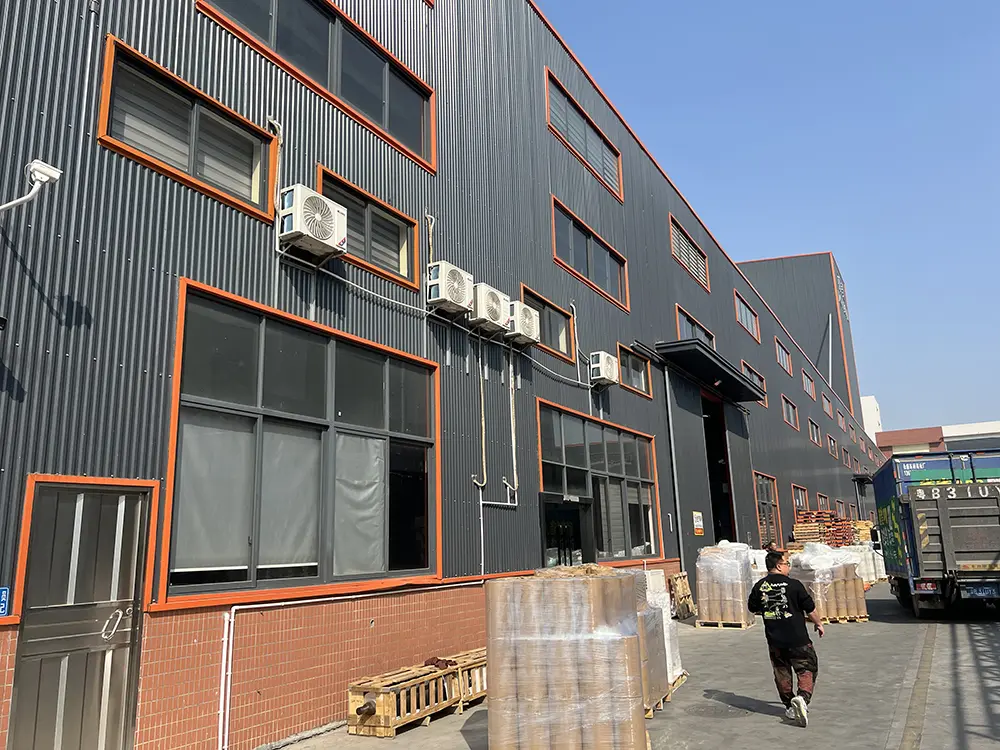
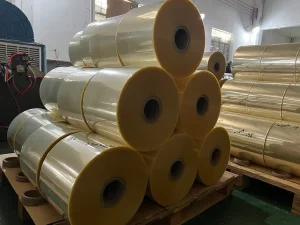
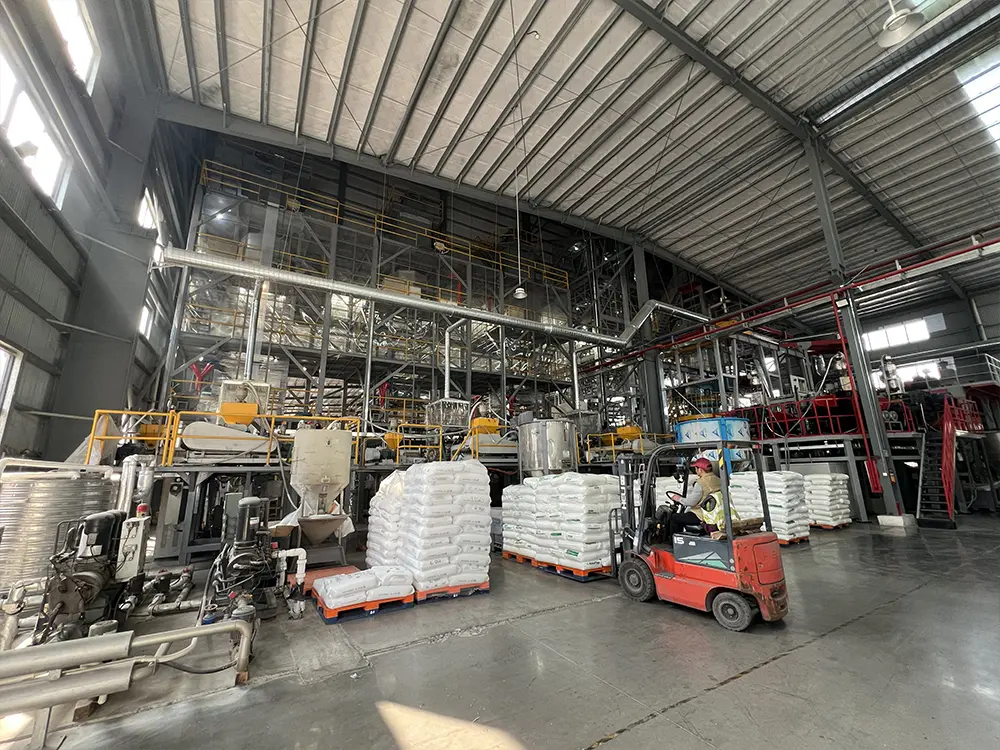
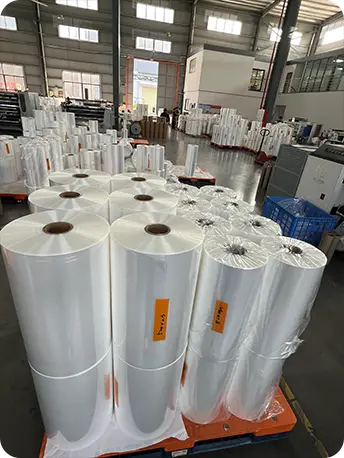
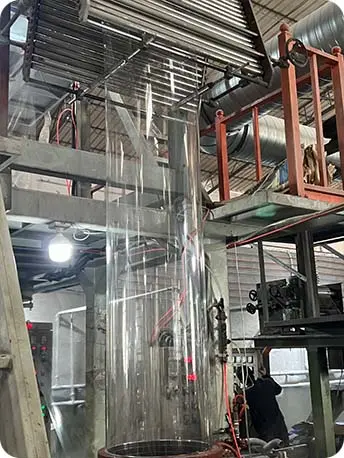
Tianchen Production Line 1 Tianchen Warehouse Logistics

ABOUT US

Zhongshan Tianchen New Materials Co., Ltd. – Your One-Stop Packaging Material Procurement Platform.
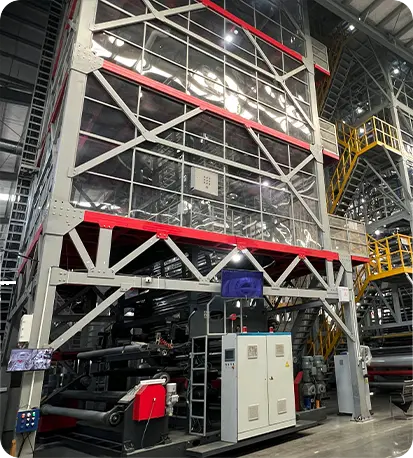
Tianchen Lab R&D Quality Inspection Team

Professional Team

At Tianchen, We have a professional production, research and development and sales teams, so quality control is taken very seriously. The modern quality control system implemented within the company ensures that all products meet the customer’s standards. This commitment to quality, combined with large-scale production capabilities, has garnered significant favor and trust from customers. The company's experienced professionals continuously work to innovate and improve product offerings, ensuring that they always deliver the best to their clients.
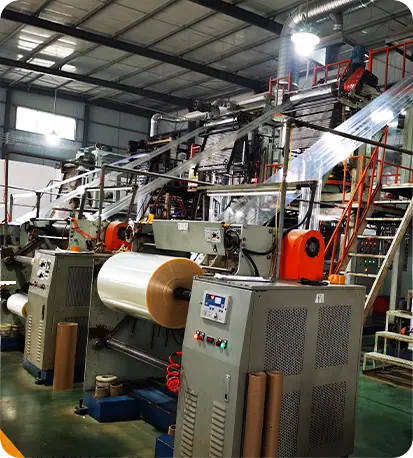
Tianchen Sourcing Matrix Packaging Materials Showroom

One-Stop Platform

One-Stop Sourcing Platform For Packaging

In a competitive marketplace, Zhongshan Tianchen New Materials Co., Ltd. stands out as a reliable partner for all your packaging material needs. As a one-stop packaging material procurement platform, Tianchen combines decades of industry expertise with a passion for quality and customer satisfaction. Whether you need eco-friendly heat shrink films or durable labeling solutions, Tianchen is here to provide the best in the industry.

Technical FAQ: OPP Plastics and Material Engineering

Get answers to common technical, manufacturing, and regulatory questions about Oriented Polypropylene (OPP) films.

Q1: What exactly is the structural difference between OPP and PE (Polyethylene) films?
OPP is based on polypropylene, which features a methyl group attached to every second carbon atom in the polymer chain, whereas PE (Polyethylene) consists of basic carbon-hydrogen chains. Polypropylene is naturally stiffer, has a higher melting point (around 160°C to 166°C), and offers superior optical clarity compared to PE. Stretching it during production aligns the polymer chains, significantly boosting its tensile strength and moisture barrier properties.
Q2: Is OPP plastic packaging materials safe for direct food contact?
Yes, high-quality virgin OPP films are inherently chemically inert and free from bisphenol A (BPA) and phthalates. They are FDA and EU compliant for direct food contact. They maintain structural integrity without leaching chemicals when exposed to acidic, oily, or hot foods.
Q3: How does your factory handle corona treatment on OPP film rolls?
Our manufacturing lines use inline corona discharge treatment systems. By exposing the film surface to a high-voltage electrical discharge, we oxidize the non-polar polypropylene molecules. This increases the film's surface energy (typically to 38-42 dynes/cm), ensuring excellent adhesion for inks, coatings, and adhesives during printing and laminating.
Q4: What are the main benefits of using biaxially oriented OPP (BOPP) over Cast Polypropylene (CPP)?
CPP film is unoriented, providing higher heat-seal strength, superior impact resistance, and excellent low-temperature performance, though it is more flexible and has less clarity. BOPP, being stretched in two directions, offers significantly higher tensile strength, superior optical clarity, and much better moisture barrier performance, making it ideal for outer packaging and print-reception substrates.
Q5: Can OPP films be recycled within current municipal waste collection programs?
Yes, OPP is classified under Resin Identification Code 5 (PP) and is fully recyclable. When processed as a mono-material structure (unlaminated with non-PP polymers), it can be easily shredded, extruded, and pelletized into recycled PP resin for injection molding and industrial manufacturing.
Q6: How do ambient temperature and humidity affect OPP film storage?
OPP film should be stored in a dry, cool warehouse (temperatures below 35°C / 95°F) away from direct sunlight. Prolonged exposure to high heat can degrade the slip additives, causing the film to block (stick together on the roll). Over time, it can also lower the surface dyne level, reducing printing performance.
Q7: Why do OPP films sometimes experience static electricity buildup on high-speed lines?
Polypropylene is an electrical insulator with high surface resistivity. Friction during high-speed unwinding and passage over rollers can generate static charges. To prevent this, we blend premium anti-static masterbatches into the film skin layers, which helps dissipate static charge and ensures smooth processing on automated packaging lines.
Q8: What thickness range (gauge) is typical for OPP laminated packaging?
Most OPP films range from 12 to 50 microns. For snack packaging laminates, a standard structure uses a 15 or 20-micron BOPP outer print film laminated to a 15-micron metallized OPP or CPP inner film, providing optimal barrier performance without adding unnecessary weight.
Q9: How does OPP film behave under heat-sealing processes?
Because oriented polypropylene shrinks when exposed to high heat (as the molecules try to relax), co-extruded sealable OPP films include a thin copolymer skin layer (like ethylene-propylene-butene terpolymer). This skin layer melts at a much lower temperature (around 105°C to 115°C) than the core homopolymer (160°C), allowing for strong seal generation without distorting or shrinking the main film structure.
Q10: What are the newest sustainable trends in OPP manufacturing?
Key industry developments include bio-attributed polypropylene resin (sourced from organic waste and residue streams) and chemically recycled post-consumer PCR resins. These alternatives match the performance of virgin OPP, making them ideal for brands looking to reduce their carbon footprint while meeting food-grade packaging standards.