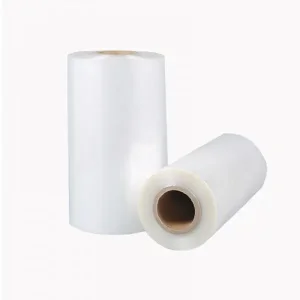
In the highly competitive landscape of consumer packaged goods (CPG), secondary packaging represents far more than a defensive wrap. It is a critical layer for shelf presentation, structural integrity, tamper-evidence, and logistics efficiency.
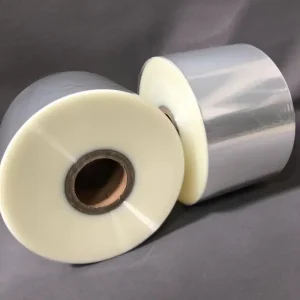
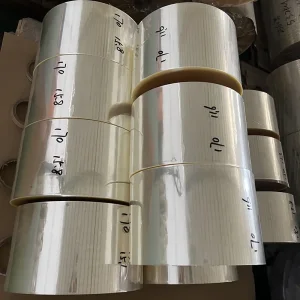
This whitepaper details the engineering principles and global manufacturing trends behind top-tier Heat Shrink Films. As a vital segment of the packaging industry, polymer films (principally Polyolefin, Polyvinyl Chloride, and Polyethylene formulations) must align with demanding high-speed automation lines and varying environmental profiles.
For procurement directors and packaging engineers, understanding the core mechanical limits, chemistry, and sourcing methodologies of these films is essential to reducing waste, optimizing shrink-tunnel energy requirements, and maintaining flawless container aesthetics globally.
Bridging the gap between polymer science and large-scale industrial procurement.
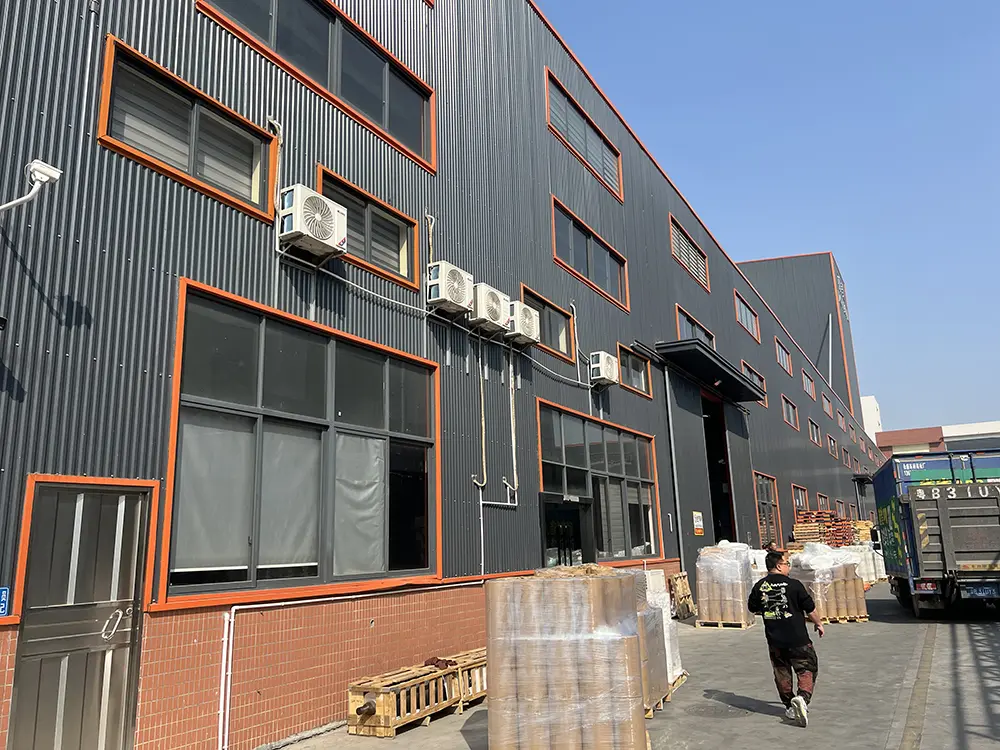
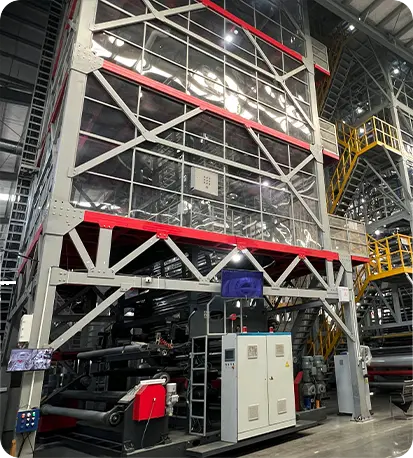
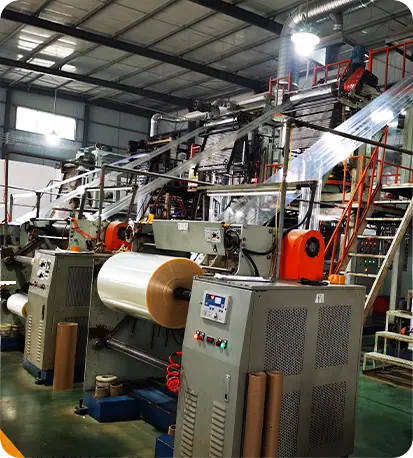
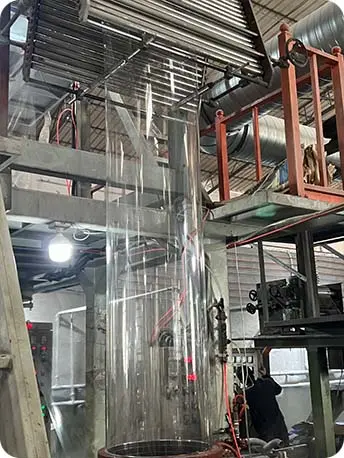
Zhongshan Tianchen New Materials Co., Ltd. stands as a primary one-stop packaging material procurement platform, established on the solid foundation of more than 20 years of intense, hands-on experience in the film packaging industry. Our development is driven by a deep commitment to global resource integration and addressing customized, technical customer needs, ensuring that we offer the absolute finest solutions for diverse packaging challenges.
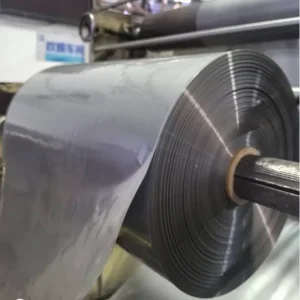
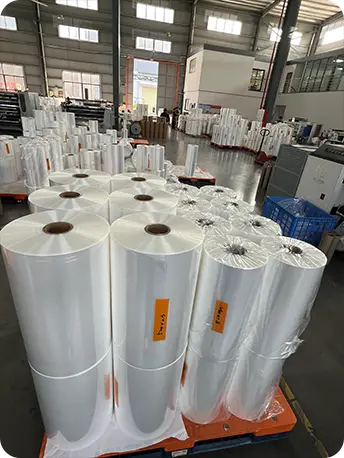
At Tianchen, quality control is woven directly into our operating philosophy. With specialized teams for production, research and development, and global logistics, every batch of shrink film undergoes comprehensive testing. We verify gauge consistency, seal strength, and shrink profile matching to ensure compatibility with high-speed automated packaging machines.
The modern quality control system implemented within the company ensures that all products meet the customer's strict standards. This commitment to quality, combined with large-scale production capabilities, has garnered significant favor and trust from global customers. The company's experienced professionals continuously work to innovate and improve product offerings, ensuring that they always deliver the best to their clients.
Choosing the correct polymer structure dictates the aesthetics, sealing strength, and shelf-life of your packaging.
Extremely durable, versatile, and 100% recyclable. Our cross-linked POF provides high puncture resistance and clean sealing without dynamic buildup on heating elements.
Historically the standard for cost-sensitive operations, offering high clarity and controllable shrinkage at low temperatures. Ideal for wine bottle caps and retail packaging.
The definitive choice for heavy industrial wrapping, bundling bulk beverages, and stabilizing multi-pack shipments. Excellent durability for heavy shipping loads.
Why do leading global brands source their shrink film lines from specialized Chinese factories? The answer extends far beyond unit pricing to encompass technological scale, integrated raw material sourcing, and rapid iteration.
To meet the global E-E-A-T (Experience, Expertise, Authoritativeness, Trustworthiness) criteria, Zhongshan Tianchen maintains strict adherence to the following certification protocols:
Analyzing how varying chemical profiles solve real-world industrial and commercial packaging challenges.
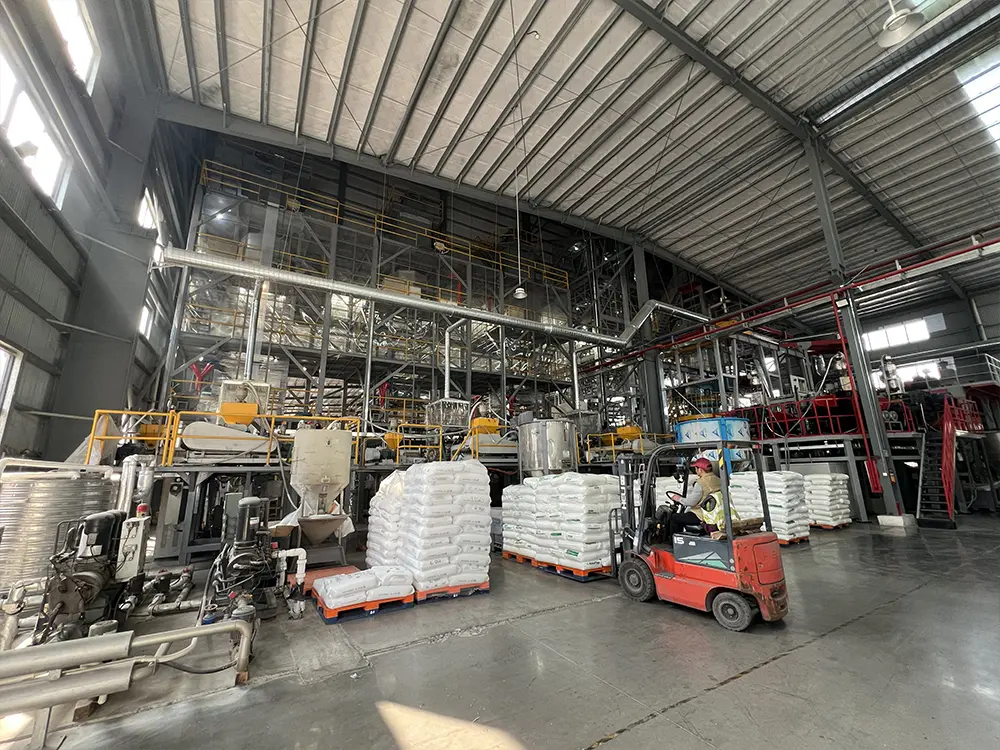
The global heat shrink film market is undergoing a structural shift driven by environmental regulations and corporate net-zero targets. The packaging industry is moving rapidly from traditional single-use plastics to circular-economy materials.
By using advanced 7-layer extrusion technology, manufacturers can produce thinner films (e.g., 12-micron POF) that match the strength of older 19-micron films. This down-gauging directly reduces resin consumption, transportation costs, and carbon footprints.
Global brands are increasingly requesting shrink packaging with up to 30% to 50% PCR content. Ensuring film clarity and mechanical strength while using recycled resin is a primary R&D focus at Zhongshan Tianchen.
PLA (Polylactic Acid) and bio-based PE resins are entering the supply chain. These materials break down in commercial composting environments, providing an alternative to fossil-based polymers.
Essential steps to secure reliable shipping, prevent damage, and maintain product quality across borders.
Shrink film is highly temperature-sensitive. Exposing rolls to temperatures above 45°C during transport can lead to premature shrinkage or blocking (where layers of film stick together, rendering the roll unusable).
When evaluating shrink film manufacturers, confirm they perform the following tests in their labs:
| Test Standard | Measurement Target |
|---|---|
| ASTM D1204 | Unrestricted Linear Thermal Shrinkage |
| ASTM D1003 | Haze and Luminous Transmittance |
| ASTM F1249 | Water Vapor Transmission Rate (WVTR) |
| ASTM D1894 | Coefficient of Friction (COF) for High-Speed Lines |
Answering critical technical questions regarding the performance and selection of polymer packaging films.
Cross-linked POF film undergoes an irradiation process that chemically bonds the polymer chains together. This process significantly increases the film's puncture resistance, seal strength, and temperature tolerance, preventing burn-through in the shrink tunnel. It is ideal for high-speed, automated packaging lines and packaging items with sharp corners or irregular shapes.
PVC is highly sensitive to temperature and can begin to shrink or block (fuse together on the roll) if stored in environments exceeding 30°C. POF is more stable but should still be kept below 35°C in a dry environment. We advise storing all film inventory in cool, dry warehouses away from direct sunlight.
Yes, our premium POF shrink films are made from FDA-approved, food-grade materials and are safe for direct contact with food and beverages. They do not emit hazardous fumes during heat sealing, unlike PVC films, which can release hydrochloric acid vapors at high temperatures.
COF measures how easily the film slides over metal forming shoes and rollers on automatic packaging machines. If the COF is too high, the film can drag, warp, or jam. A balanced COF (typically between 0.2 and 0.35) ensures smooth feeding and consistent sealing at high speeds.
Dog-ears (loose corners of film) are typically caused by insufficient heat, uneven air flow in the shrink tunnel, or selecting a film with an incorrect shrink ratio. Burn-through is caused by excessive heat or the conveyor belt moving too slowly. Adjusting air flow, balancing tunnel temperatures, or upgrading to cross-linked POF will resolve these issues.
 Tianchen Materials