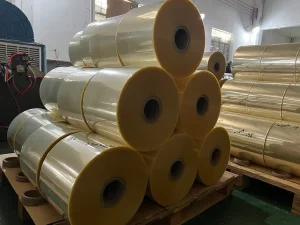
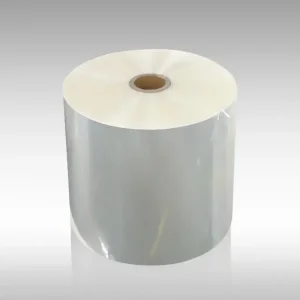
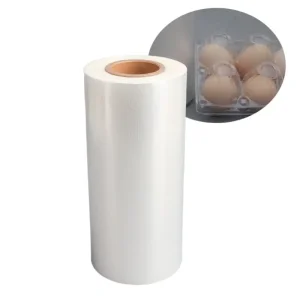
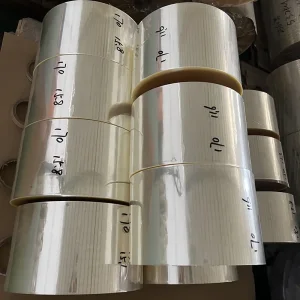
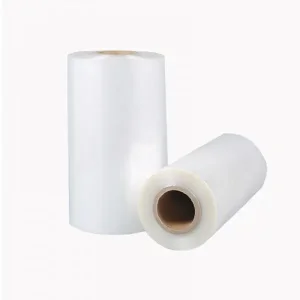
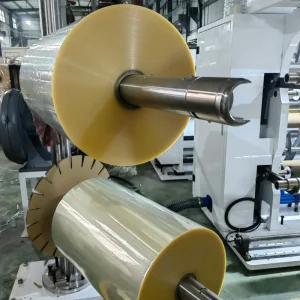
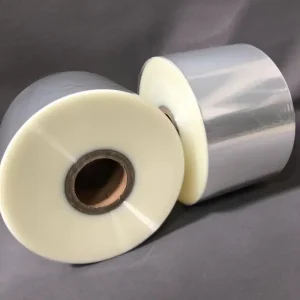
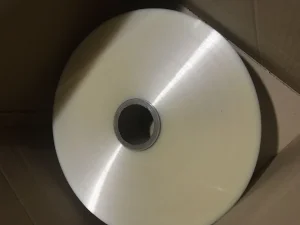
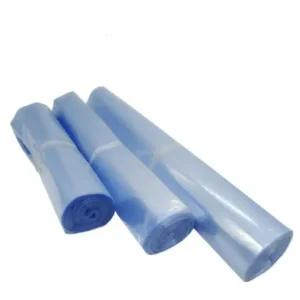
The global packaging sector is undergoing a massive transformation, driven by demand for lightweight, high-performance, and sustainable materials. At the heart of this revolution is Cast Polypropylene (CPP) Heat Seal Packaging Film. Unlike traditional blown films or biaxially-oriented films (BOPP), CPP film is manufactured using a specialized casting process that yields outstanding optical clarity, superior puncture resistance, and unmatched sealability. As a core packaging medium, CPP serves as the essential sealant layer in complex multi-layer laminates used in VFFS (Vertical Form Fill Seal) and HFFS (Horizontal Form Fill Seal) high-speed automated packaging machines.
From North American food processing conglomerates to European pharmaceutical manufacturers, global enterprises rely heavily on CPP heat seal film. The primary drivers behind its mass adoption are its exceptional thermal bonding performance, customizable barrier attributes, and compatibility with modern sterilization processes. As food safety regulations tighten worldwide, CPP film's inherent chemical inertness and FDA-compliant formulation make it the gold standard for fresh produce, retort food packaging, bakery products, and medical device containment.
Designed for rapid thermal sealing cycles on automated lines, ensuring strong hermetic seals even at reduced heat initiation temperatures.
Provides critical moisture barrier properties and can be configured with metallized or high-barrier layers for extended shelf life.
Matches circular economy requirements. Full polyolefin monomaterial designs make these CPP films 100% recyclable in standard PE/PP recycling streams.
To ensure high quality, the co-extrusion formulation of a CPP heat seal packaging film consists of a multi-layer structure (typically 3-layer or 5-layer co-extrusion). This molecular layout maximizes seal strength while maintaining excellent physical performance on the exterior surface. For instance, the **sealing layer** uses metallocene-catalyzed copolymer polypropylenes to achieve low Seal Initiation Temperatures (SIT) of 105°C to 115°C. Concurrently, the **core layer** is formulated with high-crystallinity PP homopolymers to deliver rigidity and tensile strength, while the **outer layer** is engineered with slide-control and anti-block additives to control the Coefficient of Friction (COF).
| Performance Characteristic | Typical Value / Metric | Industry Standard Compliance | Operational Advantage |
|---|---|---|---|
| Thickness Range | 15 µm to 80 µm (Customizable) | ASTM D2103 | Optimal material downgauging and yield efficiency |
| Seal Initiation Temp. (SIT) | 105°C - 118°C | ASTM F88 / F2029 | Faster processing speeds and lower energy costs |
| Heat Seal Strength | > 12 N/15mm (at 130°C, 0.3MPa) | ASTM F88 | Prevents channel leaks and pack bursts during transport |
| Coefficient of Friction (COF) | 0.20 - 0.35 (Dynamic, Film to Film) | ASTM D1894 | Ensures smooth travel over collar forming plates in packing machines |
| Haze / Transparency | < 3.5% / > 90% | ASTM D1003 | Crystal-clear optics for premium product visibility |
| Water Vapor Transmission (WVTR) | < 5.0 g/(m²·24h·atm) at 38°C, 90%RH | ASTM E96 | Retains product freshness and prevents moisture degradation |
Industrial Extrusion & Packaging Experience
FDA Food-Contact & REACH Compliant Materials
Countries Served Worldwide via Integrated Logistics
Annual Production Capacity across Advanced Lines
Sourcing CPP heat seal film from Chinese manufacturing hubs offers major strategic benefits for procurement directors in North America, Europe, and Asia. Chinese factories have capitalized on raw material supply chain clusters, combining advanced resin sourcing, domestic petrochemical stability, and high-speed machinery. This means a direct reduction in manufacturing overhead without compromising product parameters.
As a leading supplier, Zhongshan Tianchen New Materials Co., Ltd. leverages a highly synchronized manufacturing network. We operate multi-layer cast co-extrusion production lines that ensure precise gauge control with automated profile scanners. The high scale of production translates to significant cost savings on bulk purchases of raw polypropylene resins. This allows us to pass cost advantages down to overseas converters and packagers. Furthermore, we maintain deep partnerships with key global logistics ports, guaranteeing reliable container-load delivery schedules despite shifting sea freight conditions.
Zhongshan Tianchen New Materials Co., Ltd. – Your One-Stop Packaging Material Procurement Platform.
Zhongshan Tianchen New Materials Co., Ltd. is a one-stop packaging material procurement platform established on the basis of more than 20 years of experience in the film packaging industry to act as a comprehensive one-stop packaging material procurement platform. Established on the foundation of extensive industry experience, Tianchen is driven by a commitment to resource integration and addressing customer needs, ensuring that it offers the finest solutions for diverse packaging requirements.
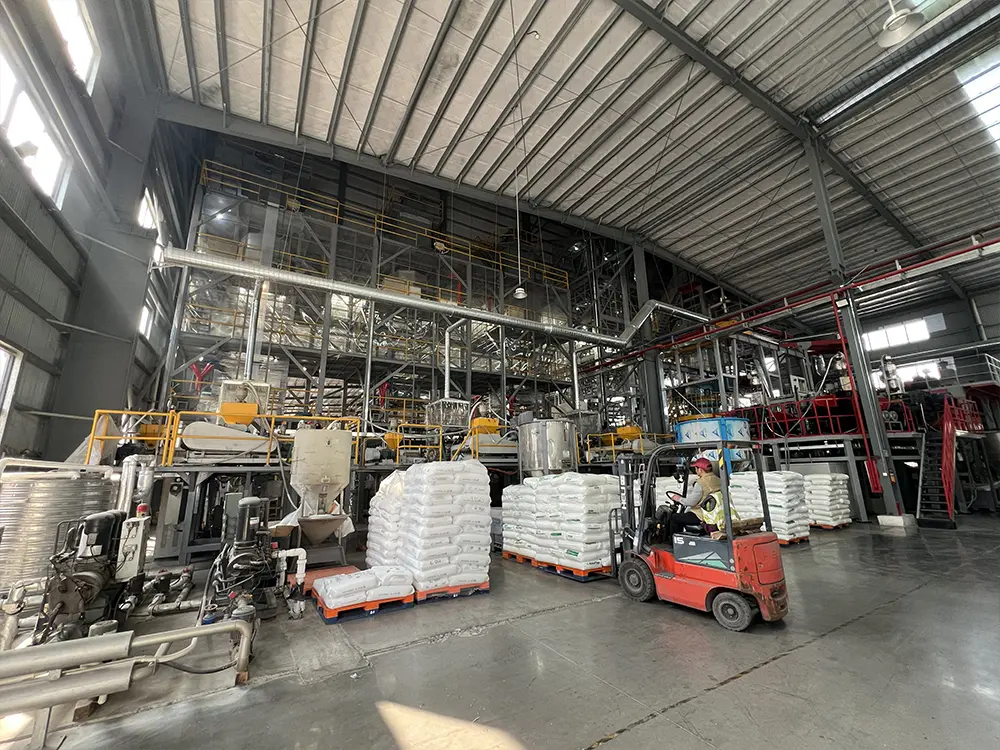
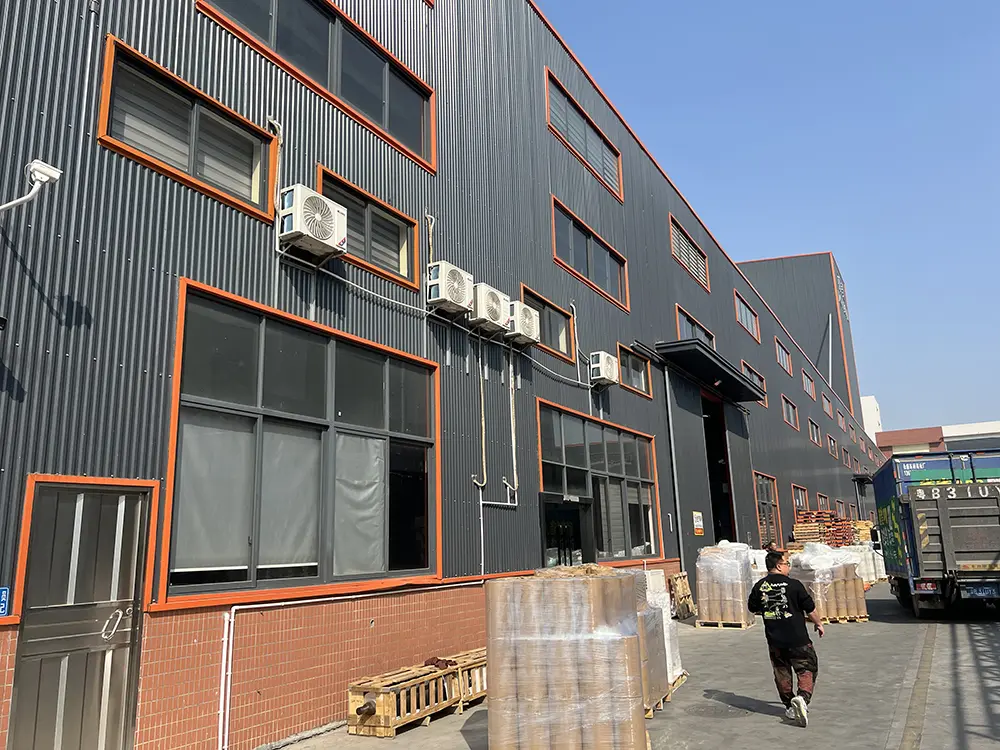
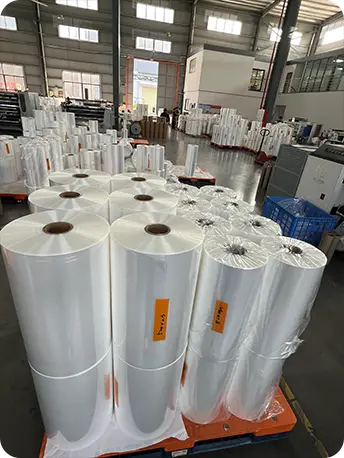
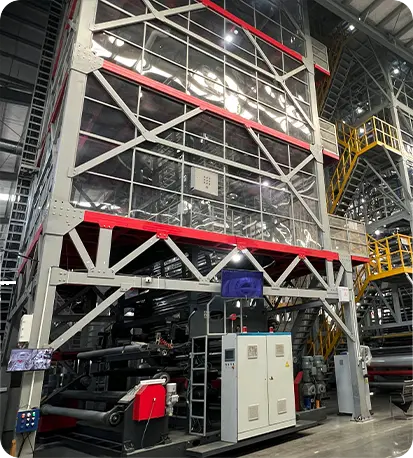
At Tianchen, We have a professional production, research and development and sales teams, so quality control is taken very seriously. The modern quality control system implemented within the company ensures that all products meet the customer’s standards. This commitment to quality, combined with large-scale production capabilities, has garnered significant favor and trust from customers. The company's experienced professionals continuously work to innovate and improve product offerings, ensuring that they always deliver the best to their clients.
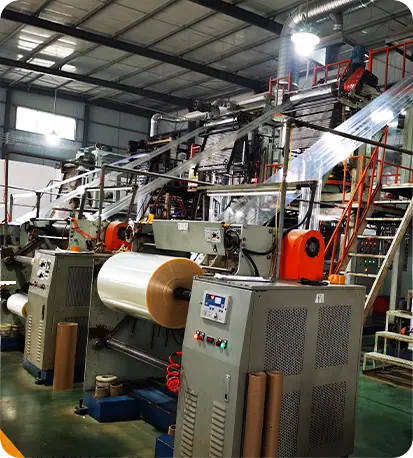
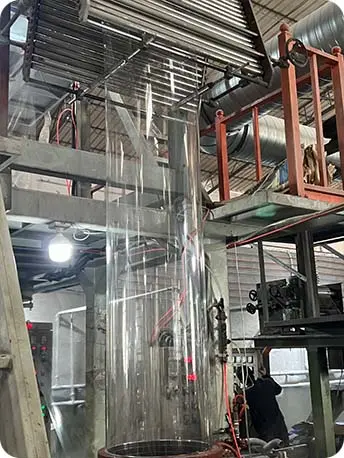
In a competitive marketplace, Zhongshan Tianchen New Materials Co., Ltd. stands out as a reliable partner for all your packaging material needs. As a one-stop packaging material procurement platform, Tianchen combines decades of industry expertise with a passion for quality and customer satisfaction. Whether you need eco-friendly heat shrink films or durable labeling solutions, Tianchen is here to provide the best in the industry.
CPP heat seal films are versatile materials tailored for demanding conversion processes. In the **food industry**, they are commonly laminated with PET or BOPP to pack dry snacks, potato chips, and pet foods, providing structural strength and an barrier against moisture. For **high-heat retort packaging**, specially modified retort-grade CPP (RCPP) films can withstand sterilization temperatures up to 135°C, making them suitable for ready-to-eat meals, soups, and liquid sauces.
In the **medical sector**, CPP’s chemical resistance is utilized in sterilized pouch designs. When combined with medical-grade paper or Tyvek, it ensures breathable gas pathways during ETO gas sterilization while maintaining a sterile seal until opened. In addition, its high transparency makes it a popular choice for **garment and flower packaging**, where premium optical clarity is essential for shelf appeal.
Looking ahead, the market is shifting toward **circular economy designs**. The industry is transitioning from multi-material laminates (such as PET/CPP) to **mono-material packaging configurations** (such as PP/CPP or BOPP/CPP). This simplifies recycling processes, helping FMCG brands meet plastic packaging tax regulations and ESG targets without losing seal integrity.
 Tianchen Materials