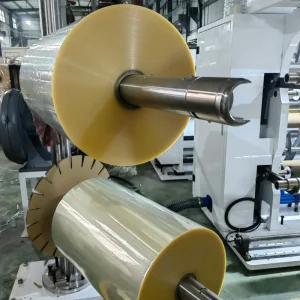
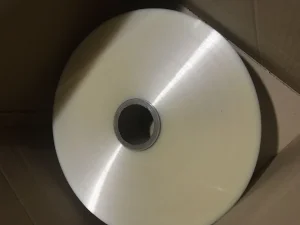
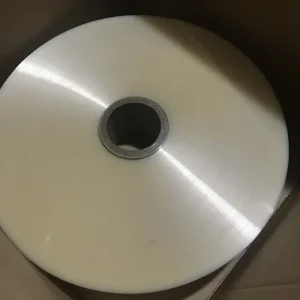
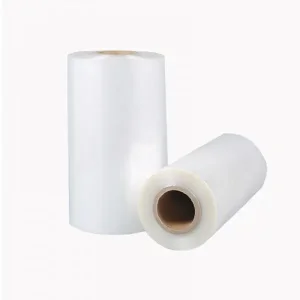
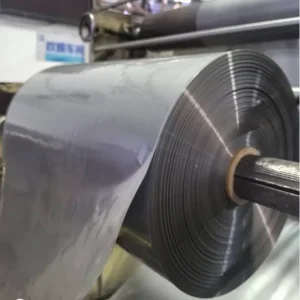
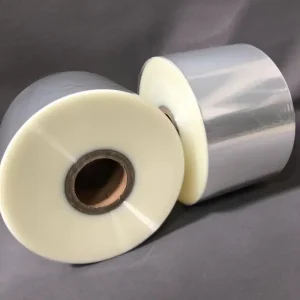
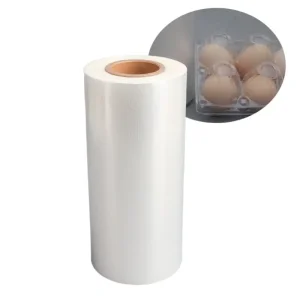
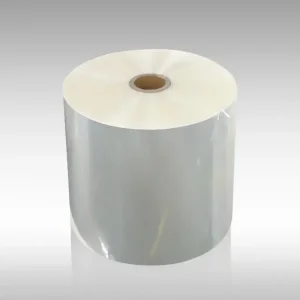
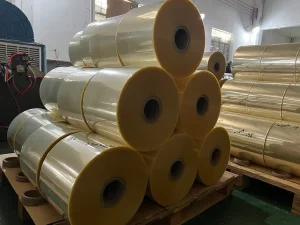
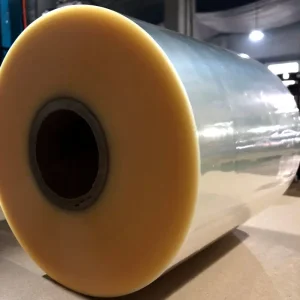
In the competitive landscape of modern flexible packaging, printing manufacturers and converting companies face an ongoing challenge: how to maximize operating speeds on high-speed form-fill-seal (FFS) lines while achieving absolute seal integrity and superior visual appeal. Cast Polypropylene (CPP) Double-Sided Heat Seal Film has emerged as the definitive material answer to these requirements. Unlike traditional monolithic polymers or single-sided options, double-sided sealable films offer symmetrical or designed thermal adhesion on both the inner and outer surfaces, facilitating versatile packaging configurations such as lap seals, fin seals, and complex gussets without compromising the aesthetic and physical performance.
As consumer brands drive packaging converters towards sustainable and mono-material solutions, CPP’s role has expanded from a simple seal layer to a foundational material. Because it is chemically classified under the same polyolefin family as Biaxially Oriented Polypropylene (BOPP), using CPP double-sided seal films in combination with BOPP enables the production of 100% recyclable mono-material PP structures. This structural alignment allows companies to transition away from composite multi-material films (such as PET/PE laminates) which are notoriously difficult to recycle, thereby aligning operations with EU Circular Economy guidelines and global sustainability goals.
SEO Insight & Strategy: The search intent for modern converters has shifted from purchasing simple raw films to identifying high-performance barrier substrates that feature controllable slip properties, low sealing initiation temperatures (SIT), and optimized dyne retention levels to support high-speed gravure and flexographic printing processes.
High-performance CPP films are manufactured through a multi-layer cast co-extrusion process (typically 3 to 5 layers). This sophisticated manufacturing route allows engineers to isolate and customize the physical properties of the skin layers relative to the core layer. In a typical three-layer structure (A/B/C), each layer is optimized for distinct, vital roles:
Formulated with specialized polypropylene copolymers or terpolymers. Designed to achieve a low Sealing Initiation Temperature (SIT) ranging between 100°C and 115°C, ensuring rapid thermal bonding without structural damage to core polymer layers.
Utilizes high-stiffness homopolymer polypropylene. This central layer defines the tensile strength, puncture resistance, and overall mechanical machinability. Additives such as anti-block agents and slip modifiers are carefully controlled here to prevent migration issues.
Treated via high-intensity corona discharge to elevate dyne levels above 38 mN/m (often up to 40-42 mN/m). This treatment ensures high-affinity bonding for solvent-based, water-based, or UV-cured printing inks while retaining reliable heat-seal functionality.
Crucially, for printing manufacturers, the slip control system (Coefficient of Friction - COF) must be carefully engineered. A film with a COF that is too high will cause dragging on packaging collars, leading to jamming, film deformation, and uneven print registers. Conversely, a COF that is too low can lead to roll telescoping during rewinding or poor tracking on web guides. Our double-sided heat seal CPP film maintains a stable, symmetrical kinetic COF of 0.20 to 0.25 (film-to-film and film-to-metal) even after exposure to high-temperature printing tunnels, assuring seamless throughput on both vertical and horizontal form-fill-seal (VFFS/HFFS) packaging machines.
| Physical Property | Standard Testing Protocol | Typical Range Value | Significance to Converters |
|---|---|---|---|
| Thickness Tolerance | ASTM D374 | ±3% (within roll) | Ensures uniform ink absorption and consistent laminating nip pressure. |
| Heat Seal Strength | ASTM F88 / F88M | ≥ 7.0 N / 15mm | Guarantees bag integrity and prevents leakages in gaseous food packs. |
| Seal Initiation Temp. (SIT) | ASTM F2029 | 102°C – 108°C | Allows faster line speed and saves energy costs during sealing. |
| Haze / Transparency | ASTM D1003 | ≤ 2.5% | Maximizes display clarity for products where viewable freshness is key. |
| Surface Wetting Tension | ASTM D2578 | ≥ 38 dyne/cm (initial) | Ensures crisp ink layout without pinholes or adhesion failure. |
| Coefficient of Friction (COF) | ASTM D1894 | 0.20 – 0.28 (Kinetic) | Prevents bag drag on automatic metal forming collars. |
The flexible packaging industry operates within tight margins, where material failures can halt entire supply chains. A major challenge currently facing manufacturers globally is the deterioration of surface dyne level during ocean shipping and warehouse storage. High temperature and humidity during transit can cause slip additives in films to migrate rapidly to the surface, creating an oily barrier that repels printing inks and laminating adhesives.
At Zhongshan Tianchen New Materials Co., Ltd., we utilize advanced chemical design and resin selection to minimize the reliance on fast-migrating low-molecular-weight slip agents. By deploying high-molecular-weight polymeric slip systems and advanced non-migratory anti-blocks in the core and sealant skin layers, our double-sided heat seal CPP film maintains an active dyne level of over 38 dynes/cm for up to six months under standard warehousing conditions. This provides global printing manufacturers with predictable, high-quality printing performance even after long-distance transport.
Furthermore, our production site utilizes real-time thickness profiling and web inspection systems. This reduces thickness variation down to a strict ±2-3%. Eliminating localized thickness variations prevents the formation of "baggy edges" or "tight bands" during unwind operations on high-speed slitting and laminating lines. As a result, converters can reduce material waste by up to 15% and minimize machine down-time.
Because flexible packaging is widely used in the food and medical sectors, compliance with international health regulations is a critical factor for purchasing teams. Our high-performance double-sided heat seal CPP films are produced under strict GMP guidelines and meet the rigorous compliance frameworks of major international regulatory bodies:
With localized logistics support, technical documentation, and certified laboratory analysis reports (SGS/TÜV Rheinland), we assist printing manufacturers in clearing customs and obtaining approval from demanding multinational brands.
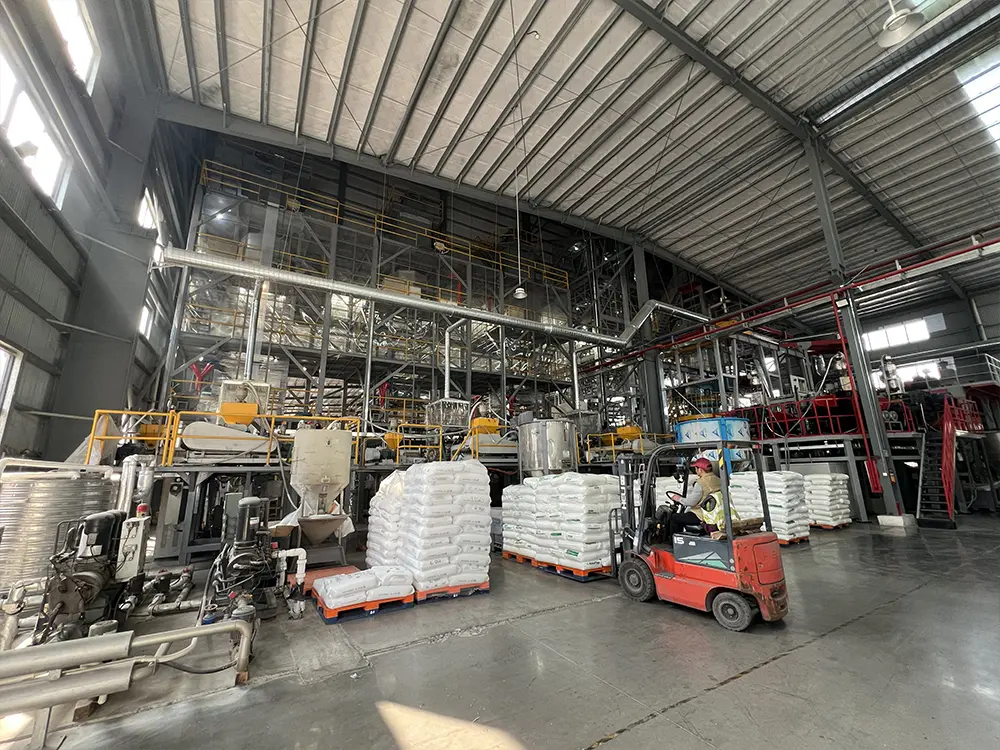
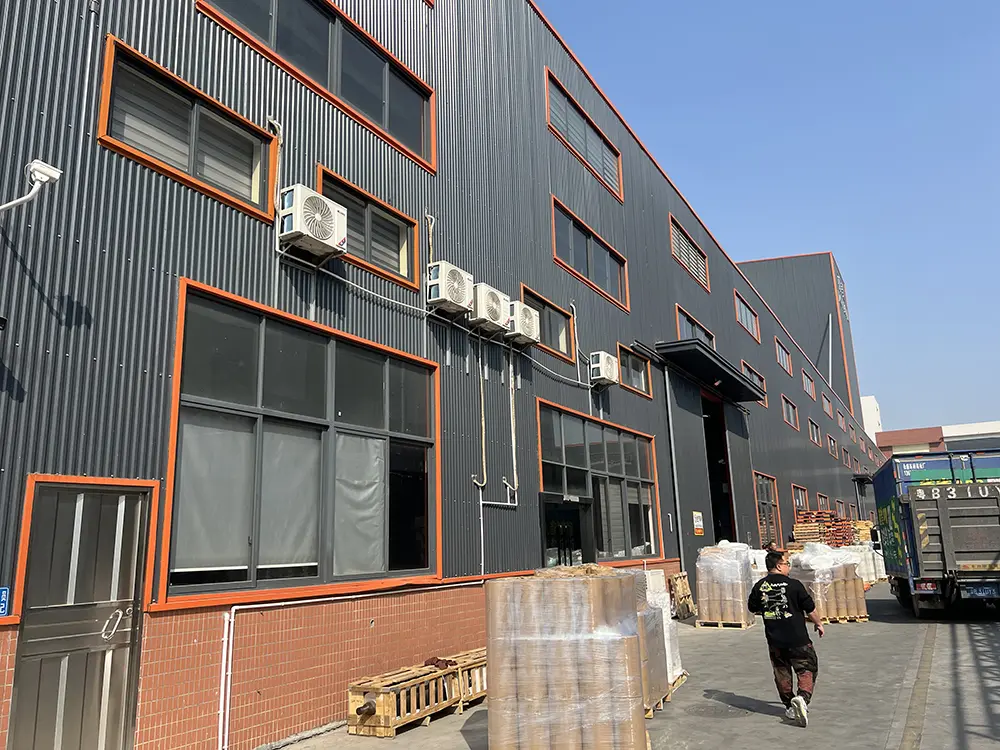
Zhongshan Tianchen New Materials Co., Ltd. is a comprehensive one-stop packaging material procurement platform established on the basis of more than 20 years of experience in the film packaging industry. Established on the foundation of extensive industry experience, Tianchen is driven by a commitment to resource integration and addressing customer needs, ensuring that it offers the finest solutions for diverse packaging requirements.
We realize that every packaging converter has distinct mechanical limitations and sealing configurations. Rather than taking a one-size-fits-all approach, we utilize our extensive production experience to configure optimized film layers. This integration of industrial capabilities simplifies your procurement chain, saving both time and overhead costs.
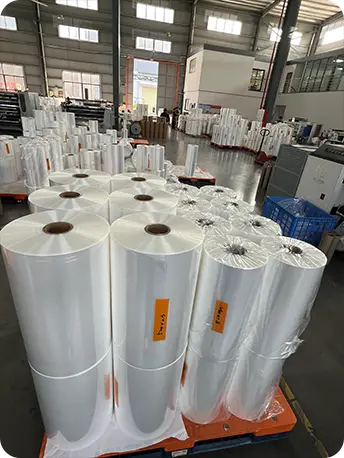
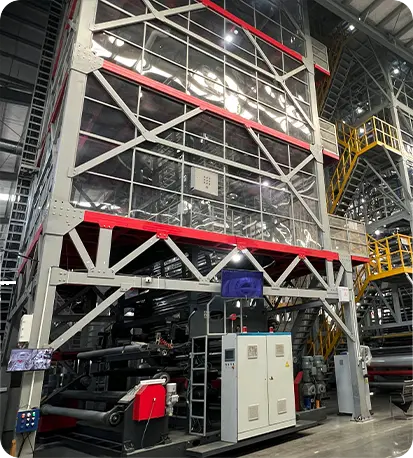
At Tianchen, we have professional production, research and development, and sales teams, so quality control is taken very seriously. The modern quality control system implemented within the company ensures that all products meet the customer's standards. This commitment to quality, combined with large-scale production capabilities, has garnered significant favor and trust from customers. The company's experienced professionals continuously work to innovate and improve product offerings, ensuring that they always deliver the best to their clients.
Our testing laboratories feature advanced analytical testing instruments, including gas chromatographs, heat-seal testers, friction testing devices, and optical haze-meters. By inspecting every production lot, we ensure that every roll leaving our factory meets the required specifications for printing, lamination, and packaging speeds.
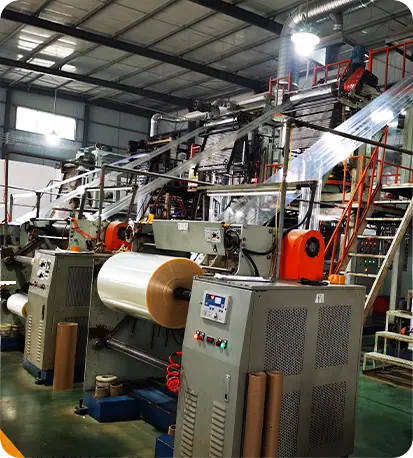
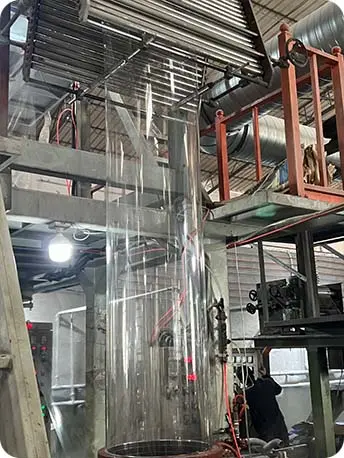
In a competitive marketplace, Zhongshan Tianchen New Materials Co., Ltd. stands out as a reliable partner for all your packaging material needs. As a one-stop packaging material procurement platform, Tianchen combines decades of industry expertise with a passion for quality and customer satisfaction. Whether you need eco-friendly heat shrink films or durable labeling solutions, Tianchen is here to provide the best in the industry.
We provide tailored solutions that address the specific processing challenges of printing companies worldwide. From adjustments in slip additives to modifications in thickness profiles, we ensure our films perform reliably across diverse converting setups.
The packaging market is moving steadily toward circularity. As global brands commit to reducing packaging weight, our R&D roadmap focuses on three main developments:
1. Downgauging and High-Stiffness Formulation: Through the use of proprietary nucleating agents and advanced co-polymer blends, we are developing ultra-thin CPP films (15-18 microns) that maintain the mechanical stiffness and seal strength of standard 25-micron films. This thickness reduction helps converters reduce material usage and logistics costs.
2. Ultra-Low Temperature Sealing (UL-SIT): We are testing next-generation plastomers that can reduce the Sealing Initiation Temperature down to 95°C. This allows for faster production on high-speed packaging lines while protecting heat-sensitive products like chocolates and dairy foods.
3. High-Barrier Monoplastic Laminates: By combining nano-dispersion metallization with double-sided heat seal CPP, we aim to produce high-barrier mono-material packages that match the moisture and oxygen resistance of traditional aluminum foil laminates, while remaining suitable for standard recycling streams.
 Tianchen Materials