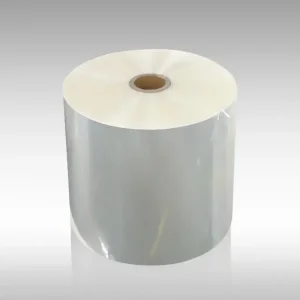
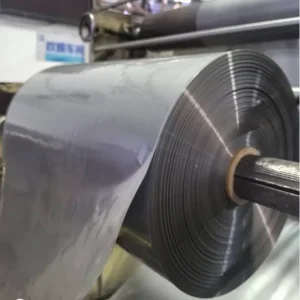
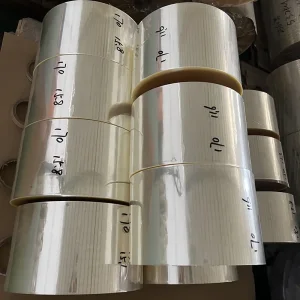
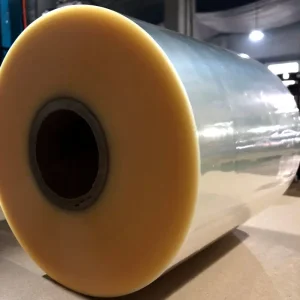
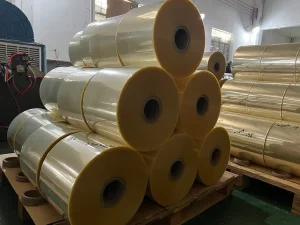
Explore our diverse portfolio of chemical-resistant, low-temperature shrink, and high-barrier protective films engineered for industrial packaging integrity.
Understanding the structural dynamics, material properties, and regulatory landscape of high-performance polymer barrier coatings.
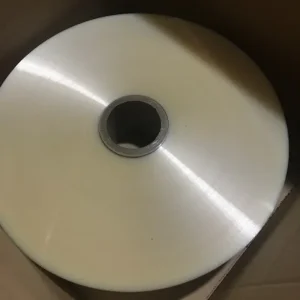
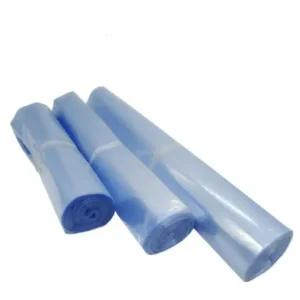
High-Quality Clear Chemical Resistant PVC (Polyvinyl Chloride) Film is specifically formulated to withstand prolonged exposure to aggressive industrial chemical compounds, oils, acids, alkalis, and aliphatic hydrocarbons. Unlike standard commodity films, specialized engineering-grade chemical-resistant PVC incorporates advanced polymer modifiers and non-migratory plasticizers. This microstructural adjustment prevents premature degradation, swelling, and environmental stress cracking, making it a pivotal asset in harsh industrial, laboratory, and automated cleanroom environments.
Achieving superior clarity while maintaining mechanical and chemical resistance is a significant engineering challenge. Our partner manufacturers apply surface-modification technologies (such as UV-cured top coats and anti-static additives) that maintain high luminous transmittance (exceeding 90%) and ultra-low haze profiles. These parameters are crucial for barrier screens, window strips, and precision automated inspection packaging lines, ensuring operators retain absolute visual control without compromising safety protocols.
Leveraging domestic raw material integration, high-precision extrusion tech, and unmatched logistics capabilities.
By positioning our manufacturing facilities adjacent to primary petrochemical clusters in Southern China, we secure consistent access to high-purity PVC resins and advanced polymer additives. This localized supply integration limits price volatility and safeguards production timelines from raw material shortfalls.
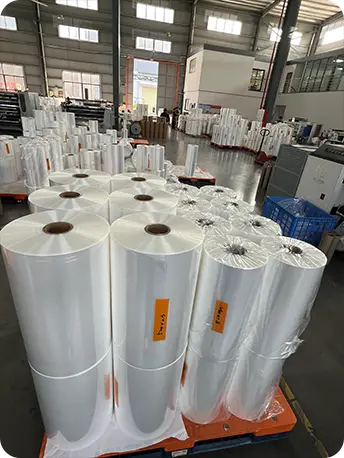
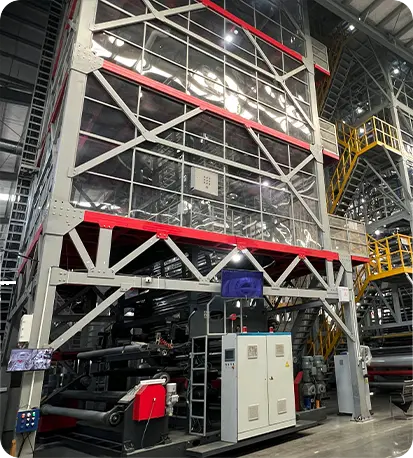
Our plants host multi-layer co-extrusion and calender lines optimized for strict thickness tolerances. Automated control systems monitor gauges in real-time, eliminating variations that could result in localized chemical-resistance failures or optical distortion during industrial application.
Based in Zhongshan, Guangdong, we utilize major logistics gateways including Shenzhen and Hong Kong. We offer comprehensive freight-forwarding arrangements, customizable packaging options (such as heavy-duty anti-static cores), and flexible bulk terms (FOB, CIF, DDP) tailored to international buyers.
Zhongshan Tianchen New Materials Co., Ltd. – Your One-Stop Packaging Material Procurement Platform.
Zhongshan Tianchen New Materials Co., Ltd. is a one-stop packaging material procurement platform established on the basis of more than 20 years of experience in the film packaging industry. Established on the foundation of extensive industry experience, Tianchen is driven by a commitment to resource integration and addressing customer needs, ensuring that it offers the finest solutions for diverse packaging requirements.
At Tianchen, We have professional production, research & development, and sales teams, so quality control is taken very seriously. The modern quality control system implemented within the company ensures that all products meet the customer’s standards. This commitment to quality, combined with large-scale production capabilities, has garnered significant favor and trust from customers. The company's experienced professionals continuously work to innovate and improve product offerings, ensuring that they always deliver the best to their clients.
In a competitive marketplace, Zhongshan Tianchen New Materials Co., Ltd. stands out as a reliable partner for all your packaging material needs. As a one-stop packaging material procurement platform, Tianchen combines decades of industry expertise with a passion for quality and customer satisfaction. Whether you need eco-friendly heat shrink films or durable labeling solutions, Tianchen is here to provide the best in the industry.
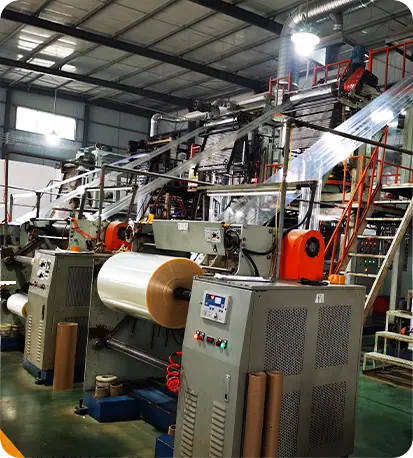
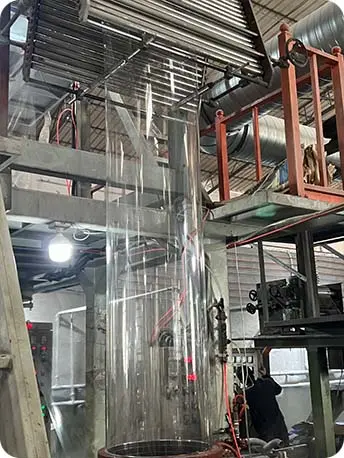
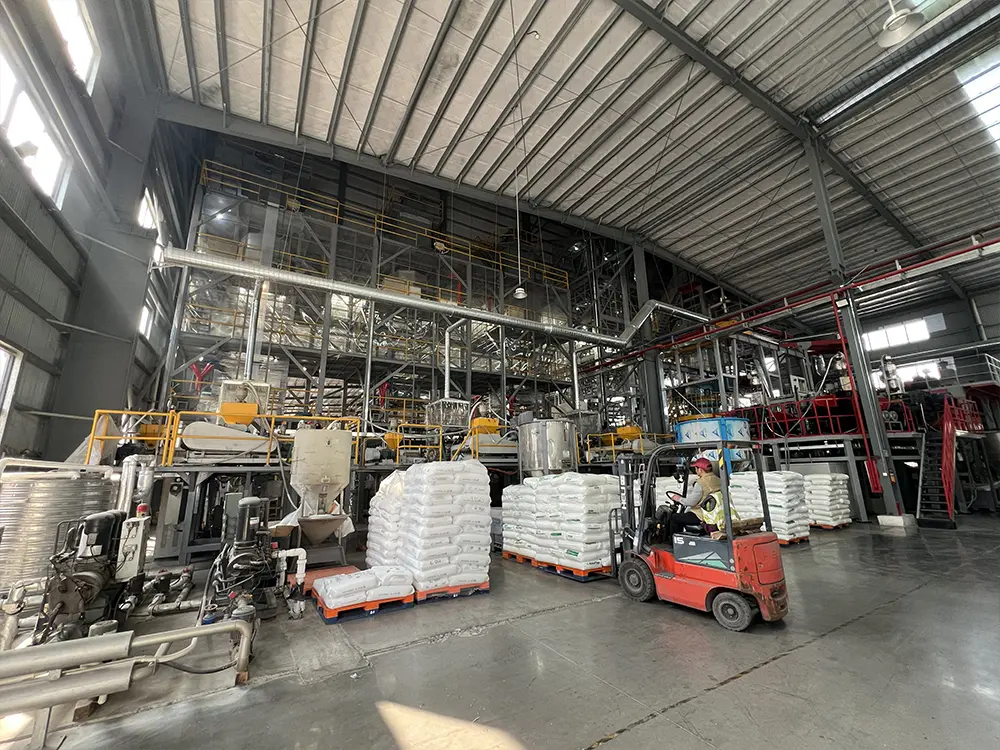
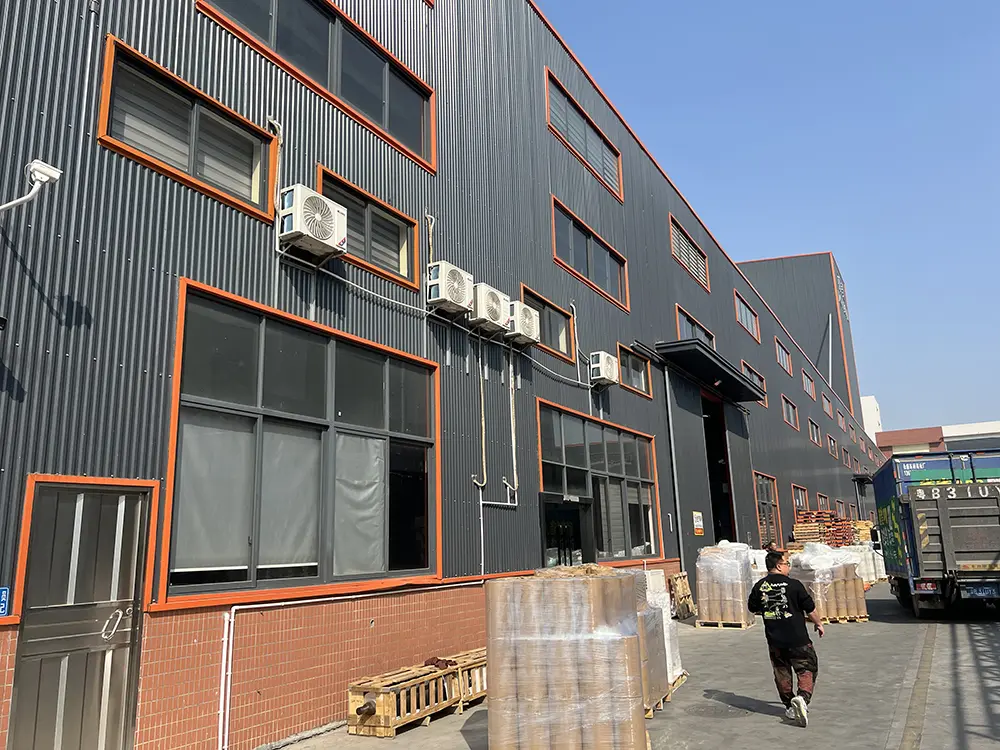
Where resilience meets optical clarity: how high-performance chemical resistant PVC film resolves B2B operational challenges.
In modern EV battery assembly lines, chemical-resistant PVC acts as a critical physical separator. The film prevents potential electrolyte spillages (corrosive battery acid mixtures) from penetrating neighboring cell structures, protecting both localized circuits and operators.
Chemical processing and plating plants use thick clear PVC film for partitioning. These curtains trap toxic airborne droplets and splashbacks from chemical tanks while maintaining direct line-of-sight visual feedback, critical for plant floor safety.
Sanitizing environments require aggressive sterilizing chemicals. Transparent chemical resistant PVC film isolates medical tools and packaging stations from continuous exposure to bleach, peroxides, and alcohols, ensuring zero degradation over long cycles.
Testing benchmark indicators under standard ASTM D543 chemical exposure controls.
| Chemical Category | Common Reagents Tested | Compatibility Rating | Visual Haze Retention |
|---|---|---|---|
| Inorganic Acids | Sulfuric Acid (30%), Hydrochloric Acid (10%) | Excellent (No swelling/degradation) | > 92% |
| Alkalis | Sodium Hydroxide (10%), Potassium Hydroxide | Excellent | > 94% |
| Aliphatic Hydrocarbons | Hexane, Kerosene, Lubrication Oils | Good (Slight hardening after long exposure) | > 88% |
| Alcohols & Cleaners | Isopropyl Alcohol, Ethanol, Chlorine Bleach | Excellent (Zero structural impact) | > 95% |
Procuring high-quality PVC films requires rigorous adherence to multi-national safety and environmental standards.
Global procurement teams must verify that chemical-resistant PVC films are formulated without hazardous levels of heavy metals and phthalates. Leading companies ensure compliance with REACH Annex XVII and the RoHS Directive, allowing safe import into the European Union and North American markets. Non-migratory alternative plasticizers are implemented to fulfill these standards without sacrificing the film's flexibility.
For applications in hazardous zones, components must comply with flame retardancy standards (such as UL94 V-0 or NFPA 701) and possess anti-static surface resistivities between 109 and 1011 ohms. This prevents static buildup that could attract airborne particulates or ignite flammable chemical vapors, ensuring compliance with local workplace regulations.
Direct, engineering-backed answers addressing the most common issues technical buyers face when sourcing chemical-resistant polymers.
Standard PVC contains monomeric plasticizers that easily leach out when exposed to organic solvents or chemicals, causing the film to become brittle. Chemical-resistant PVC utilizes polymeric plasticizers or specialized PVC alloys with superior molecular weight structures. This composition retains flexibility and optical clarity even when subjected to active chemical environments.
Yes, provided it is formulated with food-grade ingredients and compliant with FDA Title 21 CFR and EU Food Contact Regulation 10/2011. You must request a specific declaration of compliance (DoC) from the manufacturer, as industrial-grade formulations may contain additives unsuitable for direct food contact.
Unstabilized PVC degrades under solar radiation, turning yellow and losing its elasticity. Incorporating Benzotriazole-type UV absorbers helps the film withstand outdoor exposure, maintaining structural integrity and preventing chemical interactions from degrading the material prematurely.
Typically, custom extrusion runs (requiring specific thicknesses, widths, or colors) take 15 to 25 days depending on roll specifications and quantity. Standard configurations can be dispatched sooner if materials are already prepared at the local distribution nodes.
Select from our fully integrated product inventory, engineered to support global packaging operations.
 Tianchen Materials