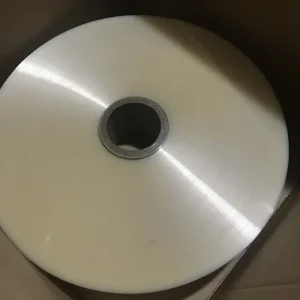
A Comprehensive Technical Whitepaper on Global Sourcing Strategies, Material Science & Chinese Smart Manufacturing Ecosystems
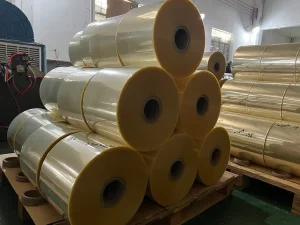
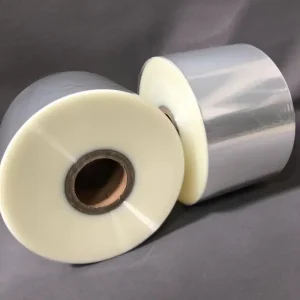
Explore our high-performance technical films designed for seamless automated wrapping systems and global export standards.
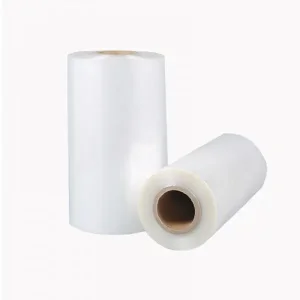
In the modern globalized economy, packaging is no longer viewed merely as a protective vessel for product shipping. Instead, it is recognized as a critical vector of supply chain optimization, shelf life preservation, brand communication, and operational cost management. Procurement Packaging represents the systematic acquisition of materials, substrates, and specialized services needed to protect, contain, and identify products throughout their lifecycle.
For procurement directors and global supply chain managers, understanding the intricacies of custom packaging materials—such as POF (Polyolefin) and PVC (Polyvinyl Chloride) shrink films, PE (Polyethylene) collation films, and heat sealable structures—is vital. Choosing the correct supplier does not just impact immediate procurement costs; it directly influences throughput efficiency on automated packaging lines, reduces overall return rates due to product damage, and defines the environmental and regulatory compliance posture of the enterprise.
Evaluating tensile strength, elongation limits, and thermal shrinkage profiles to optimize operational line speeds.
Moving beyond per-ton pricing to analyze cost-per-package, yield efficiency, and logistics overhead.
Meeting strict international guidelines including REACH, RoHS, FDA food-contact clearances, and local recycling targets.
The global market for flexible packaging films is undergoing a structural transformation driven by two main factors: automation integration and circular economy pressures. Enterprise buyers are shifting away from over-engineered, heavy-gauge packaging toward down-gauged, multi-layer co-extruded films. These modern solutions offer equal or superior puncture resistance and tensile strength while using up to 30% less raw polymer material.
Furthermore, international brands now demand customized shrink profiles. Packaging machinery is running faster than ever, with flow wrappers operating at speeds exceeding 120 packs per minute. At these velocities, heat-activation windows must be highly consistent. Films that exhibit variations in thickness (gauge variation > 5%) or inconsistent chemical composition will fail inside heat tunnels, causing structural defects, line stoppages, and elevated scrap rates.
Selecting the appropriate polymer substrate is the foundation of effective procurement. Below is a comparative breakdown of the primary film materials used in custom packaging services:
| Substrate Type | Common Applications | Key Advantages | Shrinkage Profile | Regulatory Profile |
|---|---|---|---|---|
| POF (Polyolefin) | Food items, cosmetics, multi-packs, retail commodities | High clarity, multi-layer co-extrusion, cross-linked strength, low odor | Balanced biaxial (up to 65% shrinkage) | FDA food-grade approved, highly recyclable, non-toxic emissions |
| PVC (Polyvinyl Chloride) | Tape wrapping, wine bottle caps, hardware, stationery | Excellent low-temp shrink, high clarity, rigid hold, cost-effective | High transverse direction (TD) shrink (up to 55%) | Restricted in certain food contact areas; ideal for industrial goods |
| PE (Polyethylene / LDPE) | Heavy beverage trays, building materials, industrial transit | Extreme puncture resistance, high gauge availability, tough holding force | Thick, high-strength shrink (typically 15-40%) | Excellent recyclability, safe for primary and secondary transit |
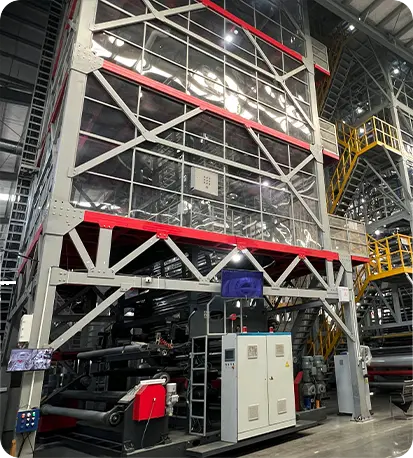
China's advanced manufacturing infrastructure has evolved from high-volume, low-cost assembly to highly automated Industry 4.0 digital smart manufacturing. This shift directly benefits packaging procurement managers who require strict quality assurance, customized film runs, and reliable supply chains.
Modern Chinese film extrusion factories employ closed-loop thickness monitoring systems and computerized raw material blending technologies. These systems maintain gauge tolerances within ±3%, ensuring uniform thickness across the entire roll. For buyers, this translates to consistent shrinkage rates, fewer structural weak points, and trouble-free performance on automated packaging lines.
Additionally, China's extensive chemical supply chain integration ensures access to premium raw resins. This resilience helps stabilize production costs even during global raw material shortages, providing international buyers with pricing stability and reliable lead times.
Zhongshan Tianchen New Materials Co., Ltd. is a specialized one-stop packaging material procurement platform built on over 20 years of experience in the film packaging industry. Our company was founded on the principle of resource integration and a deep commitment to meeting the diverse packaging demands of global enterprises.
At Tianchen, we believe quality control is a core responsibility. We employ dedicated production, research and development, and sales teams to manage our modern quality management system. This ensures all final products consistently meet strict customer specifications.
By combining large-scale production capacities with customized manufacturing services, Tianchen has become a trusted partner for international brands. Whether you require eco-friendly POF shrink films, durable PVC labeling solutions, or heavy-duty PE transit wraps, our team is equipped to deliver high-quality, reliable materials tailored to your operations.
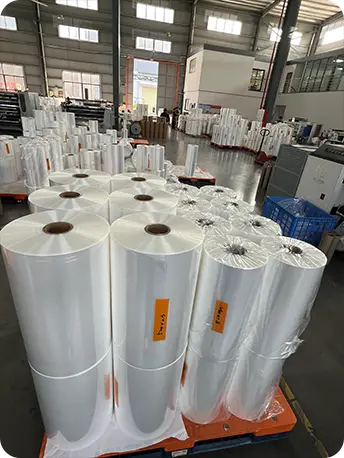
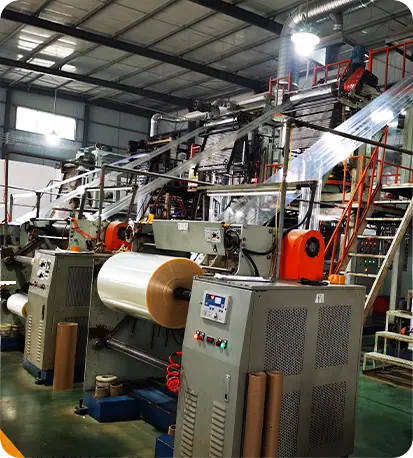
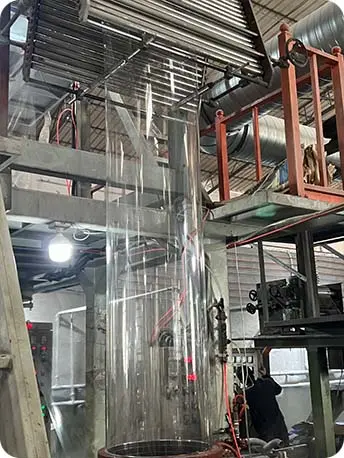
Industrial packaging needs vary significantly depending on the application. A custom procurement strategy must adapt to the unique mechanical and environmental demands of each product type:
High-volume tape rolls require packaging that holds them securely without deformation. Custom PVC shrink film is often preferred here due to its high transverse shrinkage and low-temperature sealing properties. This allows high-speed wrapping machines to process rolls efficiently without transferring excess heat to the adhesive coatings of the tape.
Primary food packaging requires compliance with food safety regulations. Multi-layer co-extruded POF films provide the chemical safety, high transparency, and odor-free sealing necessary for direct food contact. Additionally, their high puncture resistance protects packaged foods from exposure during transport and handling.
For shipping items like beverages, building products, or automotive components, heavy-gauge PE shrink films are used. These films offer strong holding force and elasticity, securing heavy loads on pallets and protecting them from dust, moisture, and mechanical damage during distribution.
Partner with Zhongshan Tianchen New Materials Co., Ltd. to secure premium, reliable film packaging solutions tailored to your production lines.
Request Sourcing consultationExplore our specialized range of high-clarity shrink wraps, custom printed films, and protective barrier bags.
 Tianchen Materials