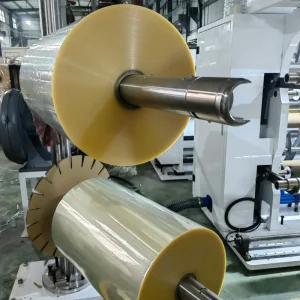
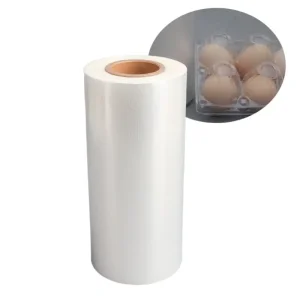
Explore our factory-direct wholesale selections designed for high speed, clarity, and structural integrity.
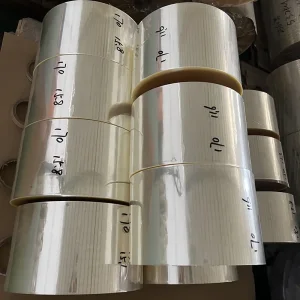
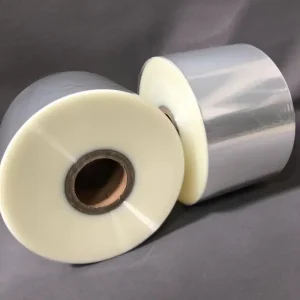
Your One-Stop Packaging Material Procurement Platform Partner.
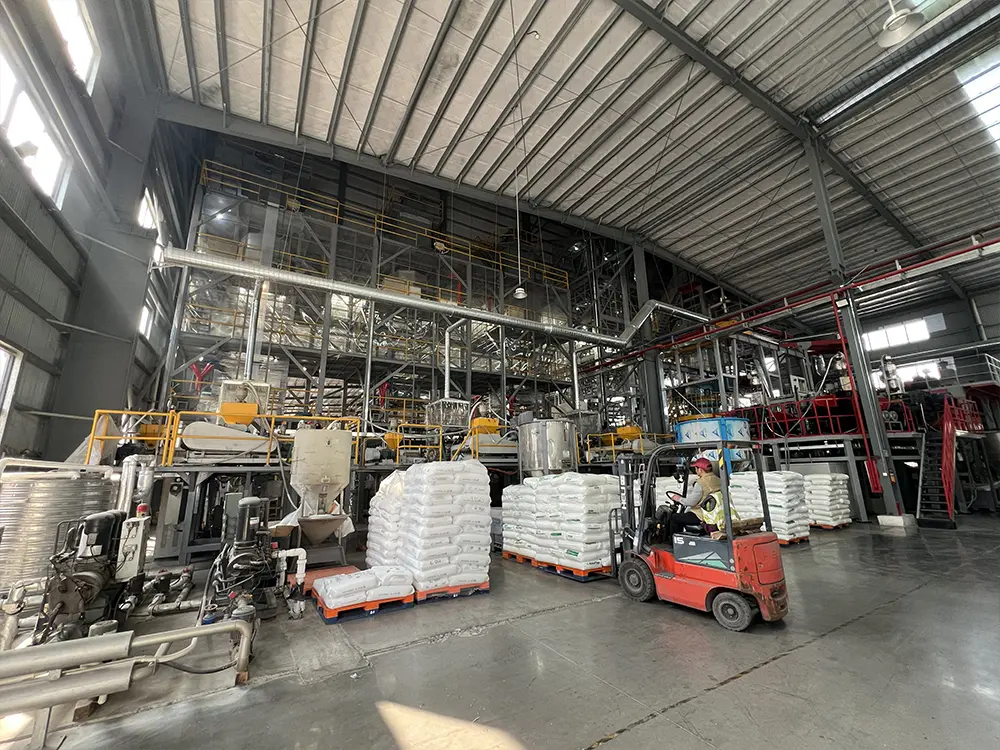
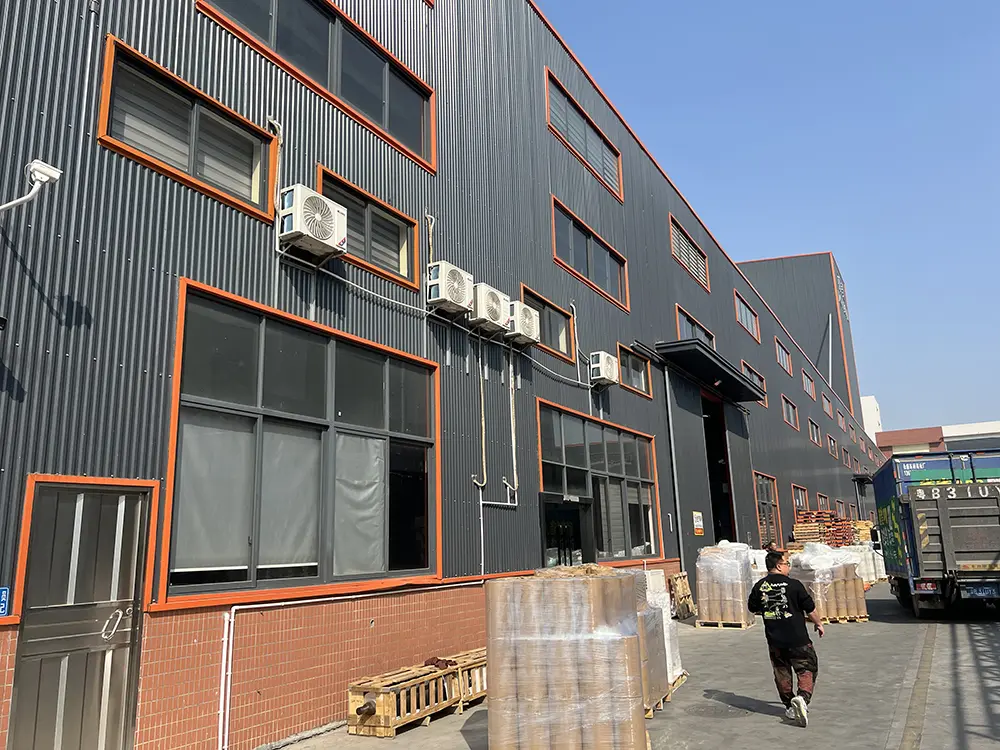
Established on the solid foundation of more than 20 years of experience in the film packaging industry, Zhongshan Tianchen New Materials Co., Ltd. acts as a comprehensive, integrated player in global material supplies. Driven by a commitment to resource integration, technological innovation, and addressing complex customer needs, we ensure the finest custom solutions for diverse packaging lines.
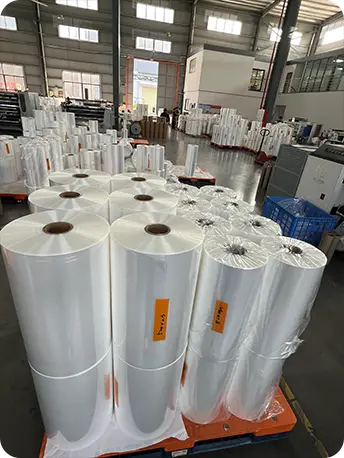
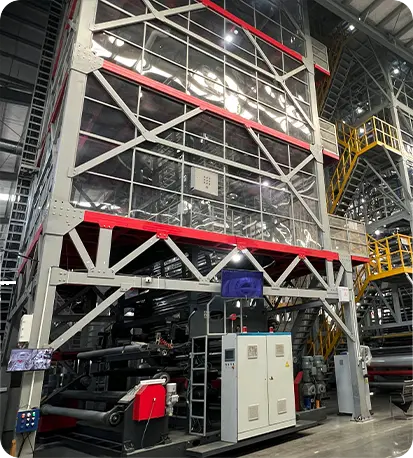
Oriented Polypropylene (OPP) polymer configuration, manufacturing, and customized applications.
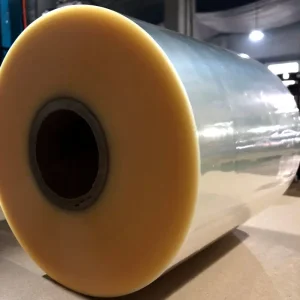
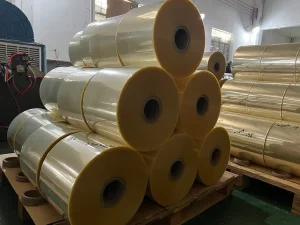
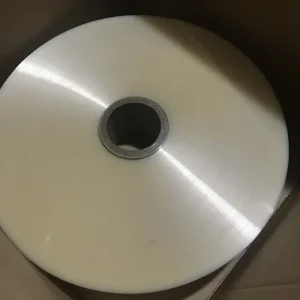
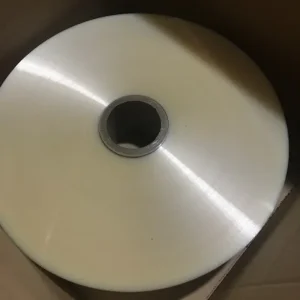
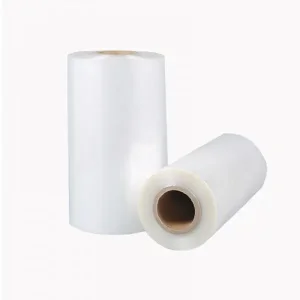
Oriented Polypropylene (OPP) film is a thermoplastic polymer solution recognized for its high tensile strength, exceptional optical clarity, and robust barrier properties against moisture and gases. In contrast to standard Cast Polypropylene (CPP), OPP undergoes an intentional stretching (orientation) process during extrusion. This orientation alignment can occur in one direction (monoaxial) or both machine and transverse directions (biaxial, commonly referred to as BOPP), which dramatically optimizes the film’s mechanical, physical, and optical metrics.
Customizing OPP film involves adjusting the core resin formulation, slip additives, and surface energy levels. These variables dictate how the film performs on fast-moving vertical (VFFS) and horizontal (HFFS) packaging machines:
By applying specialized co-extruded layers of terpolymer or copolymer, factories can configure low seal-initiation temperatures (SIT) starting at 105°C, ensuring high-speed sealing without compromising film structure.
Adjusting the COF (commonly targeted between 0.20 to 0.35) prevents slippage or jamming along the metal forming collars of high-speed industrial wrapping equipment.
Surface treatment levels are maintained above 38 dynes/cm to ensure robust ink adhesion during flexographic or rotogravure printing, preventing delamination.
In today's globalized economy, the demand for high-efficiency polymer films is shifting toward modularity, sustainable thickness reduction, and specialized barrier protection. Custom OPP film factories are no longer just material suppliers; they act as critical elements in global food safety and industrial product security pipelines.
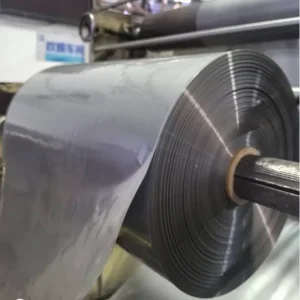
The transition toward mono-material structures is driving the OPP sector to replace multi-layer laminated materials containing non-recyclable combinations like PET/PE or PET/AL/PE. By customizing high-barrier OPP films with metallized layers (Al oxide or PVOH), manufacturers can offer 100% recyclable PP packaging configurations that satisfy strict environmental mandates in Western markets.
Additionally, modern supply chains require factories to provide consistent physical parameters across batches. Variation in film thickness (gauge control) can cause severe film breaks on modern packaging lines operating at over 400 packs per minute. Zhongshan Tianchen maintains precise gauge control using online thickness scanners, ensuring thickness deviations stay well below ±3%.
Our research focuses on thin-gauge optimization. Replacing a standard 25-micron film with an engineered 18-micron OPP film yields a 28% reduction in raw plastic consumption without sacrificing puncture resistance or tensile strength.
Through our comprehensive procurement platform, we secure raw polypropylene resins via long-term contracts. This structural buffer protects our global buyers from the volatility of spot-market oil prices.
Global procurement requires deep alignment with safety and chemical regulations. Industrial users face different legal barriers depending on their geographic focus, making localized compliance verification essential.
For food wrapping applications, our OPP film structures comply fully with FDA (U.S. FDA 21 CFR 177.1520) and EU Regulation No. 10/2011 for overall and specific migration limits.
All packaging components undergo testing for hazardous substances, verifying compliance with RoHS and REACH criteria. This is particularly critical for electronic components packaged in OPP wraps.
Every shipment is trace-coded back to the specific resin batch. Our internal testing protocols measure water vapor transmission rate (WVTR) and oxygen transmission rate (OTR) using industry-standard equipment.
Depending on geographical location, environmental conditions demand unique film parameters:
The flexible packaging sector is evolving toward carbon neutrality, intelligent properties, and advanced material science. Our R&D division at Zhongshan Tianchen New Materials Co., Ltd. focuses on three core pillars for the next generation of custom films:
We are actively testing Post-Consumer Recycled (PCR) polypropylene contents in the core layer of non-food contact OPP structures, helping brands lower their scope 3 carbon emissions.
Evaluating bio-based polypropylene derived from waste vegetable oils to provide identical performance metrics to fossil-fuel based resins without modifying current packaging lines.
Developing ultra-smooth surfaces suited for receiving printed electronic codes (NFC or smart RFID grids), facilitating supply chain tracking and brand protection.
Technical and logistics answers for procurement managers and packaging engineers.
Explore additional specialized shrink and protective films engineered for global shipping and high-speed processing lines.
 Tianchen Materials