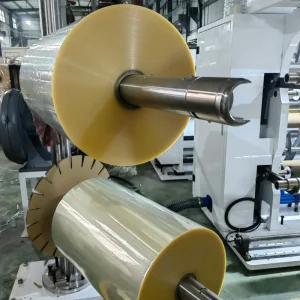
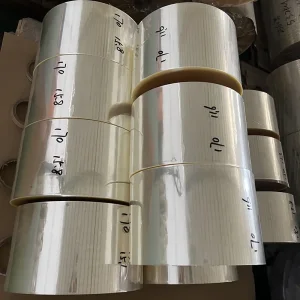
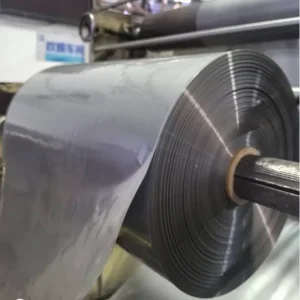
High-performance polymeric packaging solutions manufactured to global ISO and environmental compliance standards.
In modern industrial logistics and primary consumer product packaging, Custom Thermal Polyvinyl Chloride (PVC) remains a foundational polymer film solution. Known for its unmatched optical clarity, tight shrink tension, low processing temperature requirements, and cost-effective yield, thermal PVC plays a crucial role in protective wrapping, safety-evident sealing, and high-fidelity labeling.
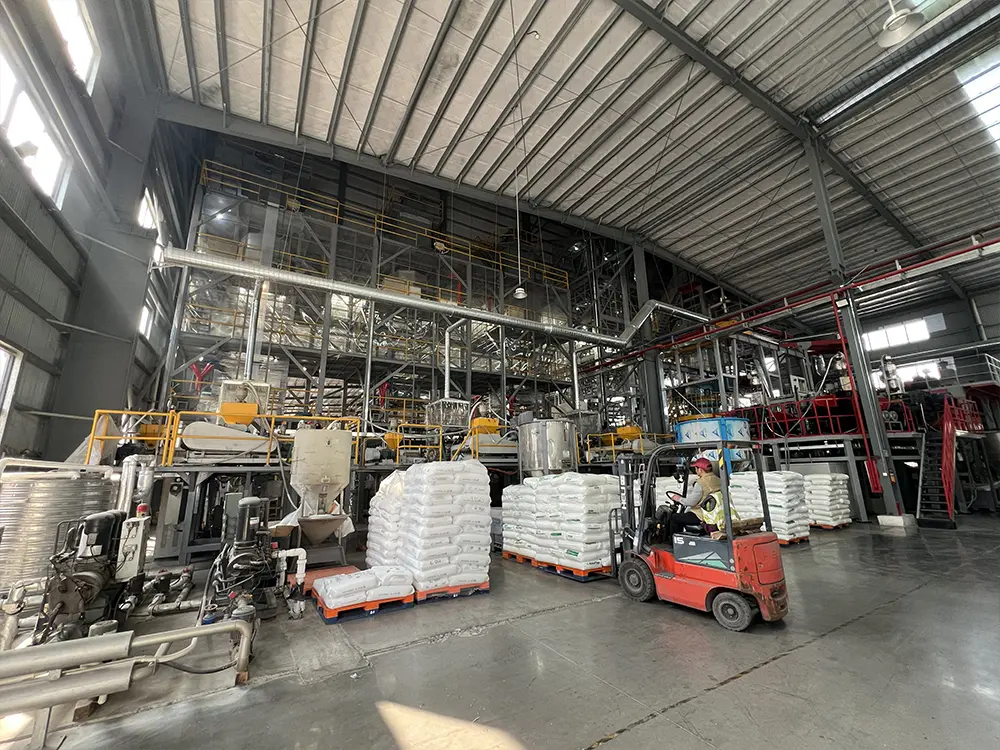
This whitepaper analyzes the technical architecture of China's advanced polymer fabrication facilities, focusing on thermal PVC, Polyolefin (POF), and Polyethylene (PE) shrink dynamics. As supply chains move toward smart manufacturing and tight regulatory standards (EU RoHS, REACH, FDA), Chinese manufacturers are shifting from simple raw processors to global leaders in custom material engineering.
The global demand for custom thermal PVC and related co-extruded films is driven by expansion in the food and beverage sectors, pharmaceuticals, personal care, and heavy manufacturing. Across these industries, the need for protective barriers, mechanical stability, and high-impact shelf presentation is critical.
Western markets prioritize structural integrity and chemical compliance. High-speed automatic processing machines require shrink films with consistent gauge variance (less than ±3%) to prevent tearing during rapid heat-tunnel runs.
Southeastern Asia and Latin America are modernizing their retail packaging systems. Simple manual heat-sealing methods are being replaced by automated, multi-row collation systems that demand stable thermal properties from suppliers.
Strict restrictions on plasticizers (phthalates) have pushed manufacturers to adopt eco-friendlier formulations. This includes bio-based plasticizer options and transitions to POF (Polyolefin) and PE (Polyethylene) for direct food-contact packaging.
Zhongshan Tianchen New Materials Co., Ltd. operates as a specialized procurement and engineering hub, leveraging over two decades of film manufacturing experience to deliver high-performance solutions globally.
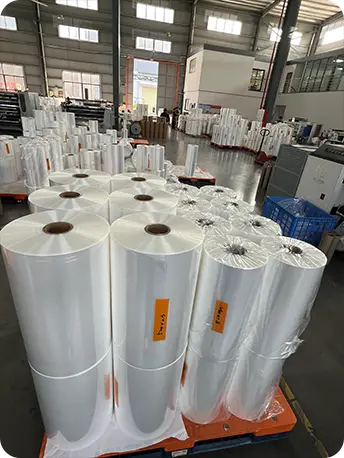
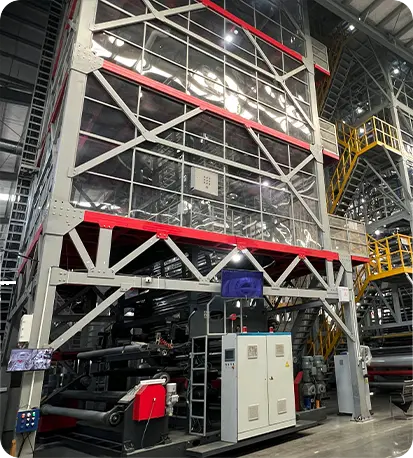
At Tianchen, we run professional production, research and development, and sales operations, prioritizing quality control at every stage. Our modern quality assurance system ensures that all PVC, POF, and PE shrink materials align with client specifications. Combining high-volume production capacities with expert R&D helps us continuously optimize formulation chemistry, mechanical properties, and cost structures.
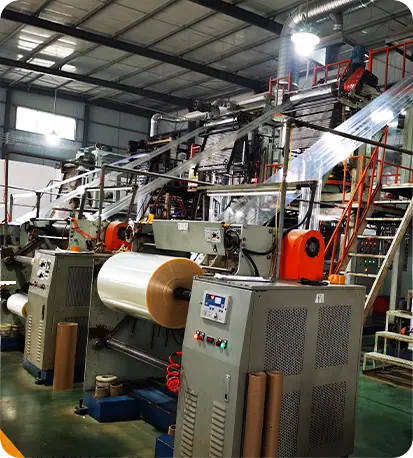
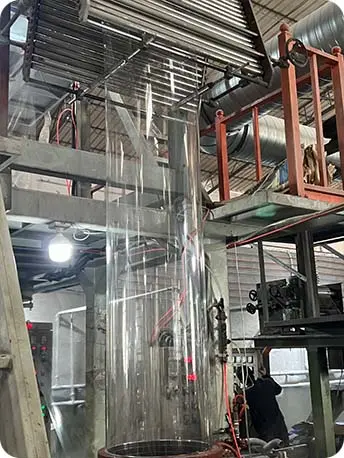
Established as a unified procurement platform, Zhongshan Tianchen New Materials Co., Ltd. integrates supply chain resources to address diverse industrial needs. Our capabilities range from custom-printed POF heat shrink films and low-temperature shrink wraps to heavy-duty PE beverage stabilizers and chemically-resistant PVC label films, offering a single point of supply for complex packaging requirements.
Choosing the correct polymer substrate requires understanding their physical limits, processing behaviors, and chemical profiles. The matrix below compares the performance profiles of the three leading heat-shrink materials.
| Performance Metrics | Thermal PVC (Polyvinyl Chloride) | POF (Polyolefin - PP/PE Blend) | PE (Polyethylene - LDPE/LLDPE) | |
|---|---|---|---|---|
| Shrink Temp Range | 110°C - 130°C (Lowest energy consumption) | 130°C - 170°C (Medium heat requirement) | 150°C - 190°C (Highest thermal activation) | |
| Shrink Ratio (TD / MD) | 40% - 65% TD / 10% - 15% MD (Highly directional) | 60% - 70% TD / 60% - 70% MD (Balanced biaxial) | 20% - 40% TD / 50% - 70% MD (High longitudinal) | |
| Optical Clarity & Haze | Excellent gloss (< 2.5% Haze). Glass-like look. | Superb brightness (< 2.0% Haze). Premium print base. | Translucent to semi-clear. High haze. | |
| Tensile Strength / Durability | High rigidity, but prone to cold embrittlement. | High puncture resistance. Durable seals. | Extreme puncture resistance. Best for heavy grouping. | |
| Eco & Disposal Footprint | Releases trace HCl emissions; requires separation. | 100% Recyclable. Yields non-toxic combustion. | Highly recyclable (LDPE stream). Very low footprint. | |
| Primary Applications | Cap seals, batteries, high-print labels, tapes. | Eggs, foods, cosmetics, software boxes, print displays. | Beverage cartons, glass bottle trays, logistics bundles. |
Thermal shrink materials must perform reliably across different industrial applications. Below are the key scenarios where custom film formulation is essential to balance protection with presentation.
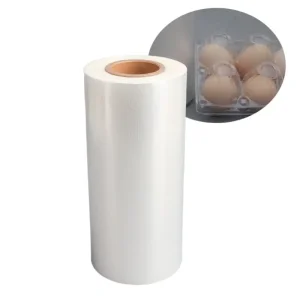
In agriculture, products like eggs and fresh food require high-clarity shrink wraps to maintain product visibility. Hot-perforated POF films allow trapped moisture to escape, preventing condensation and mold growth during shipping.
Modern beverage labeling relies on printed shrink sleeves that fit snugly around complex container shapes. Custom PVC and POF films with up to 65% Transverse Direction (TD) shrinkage allow graphics to conform precisely to bottleneck contours without distortion.
Wrapping heavy multi-packs of water bottles, metal cans, or construction materials requires thick, durable protection. Heavy-gauge PE shrink film is designed to handle high mechanical stresses and environmental exposure.
Sealing wine bottles, pharmaceutical containers, and cosmetic jars requires tamper-evident security. Custom cut-to-length PVC heat shrink bands and bottle cap sleeves provide immediate visual proof of product integrity.
Procuring custom thermal PVC and packaging films from China requires evaluating physical and chemical metrics to ensure consistency across large production runs. International procurement departments should use this technical criteria checklist when auditing suppliers:
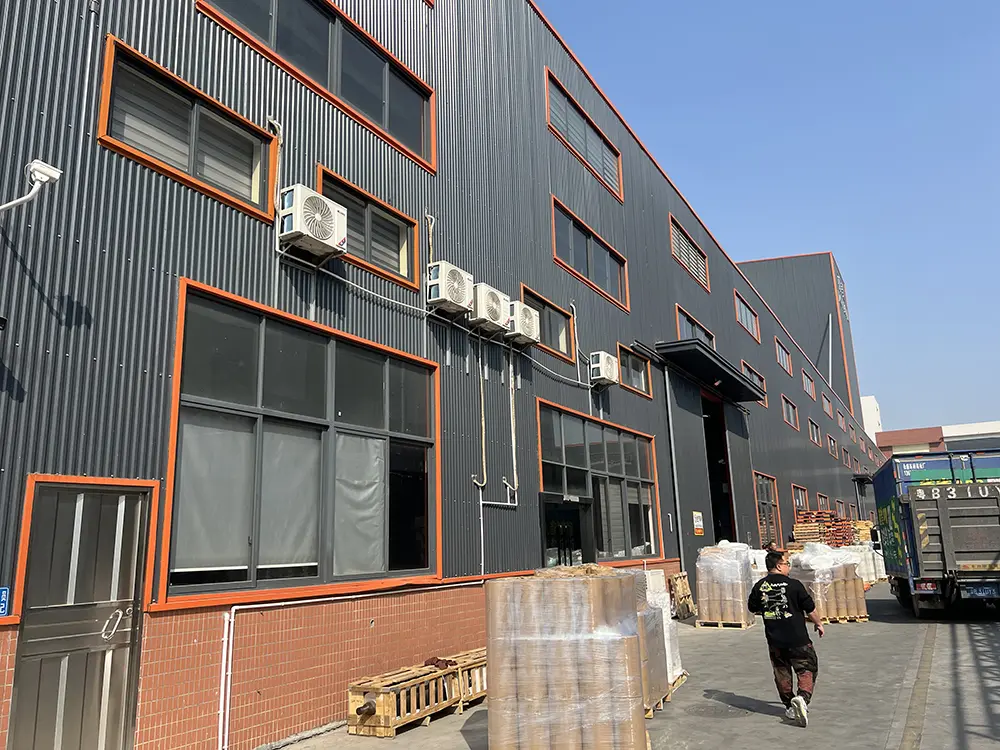
Industrial-grade formulations optimized for high-speed automated packaging and extreme shipping conditions.
 Tianchen Materials