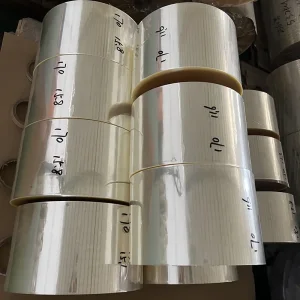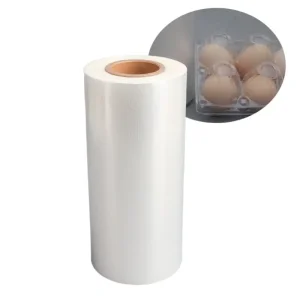
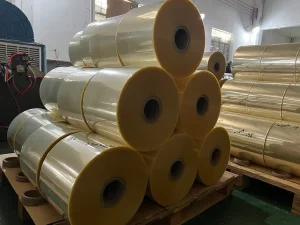
The global packaging industry is undergoing a paradigm shift driven by stringent environmental regulations, changing consumer demands, and the urgent need for structural sustainability. Within this context, Polyethylene Terephthalate (PET) and PETG (glycol-modified) shrink films have emerged as the premier material selection for high-performance labeling and packaging globally. Unlike traditional PVC (Polyvinyl Chloride) substrates which face severe regulatory resistance due to heavy halogen contents and recycle-stream contamination, PET-based formulations present a cleaner, high-density solution. This shift is not just ecological but functional: PET shrink films provide ultimate clarity, high-speed machine pass rates, and printing performance suitable for highly contoured container geometries.
From a macroscopic view, key industries such as Fast-Moving Consumer Goods (FMCG), pharmaceuticals, beverages, and personal care are heavily dependent on advanced shrink films. The market dynamics dictate that custom PET shrink film suppliers must operate at high technical levels, providing materials with balanced transverse direction (TD) shrinkage (often exceeding 75%) and minimal machine direction (MD) shrinkage (less than 3%). This ratio prevents the common "smiling" or dog-eared warping at container curves, ensuring seamless 360-degree brand representation on modern high-speed application tunnels (steam, hot air, or radiant heat).
Today's supply chains demand optimized raw material logistics. Major consumer regions including North America, Europe, and Asia-Pacific have established strict Extended Producer Responsibility (EPR) laws. Consequently, PET shrink label suppliers are challenged to innovate beyond simple films. Today’s industrial landscape relies heavily on innovations like Wash-Off Ink systems and Low-Density PET shrink sleeve materials. These technologies enable clean flotation separation during pet-to-pet recycling, avoiding the contamination of food-grade rPET flakes. Industrial plants rely on suppliers who can guarantee strict thickness tolerances (typically within ±3% in micron metrics) to minimize high-speed jams on automatic applicator lines running at 600 to 1000 bottles per minute.
| Material Class | Avg. Transverse Shrinkage (TD) | Avg. Machine Shrinkage (MD) | Optical Clarity & Haze % | Recyclability Rating | Primary Industrial Use Cases |
|---|---|---|---|---|---|
| PETG / Custom PET | 70% - 78% | 0% - 3% | < 3.0% (Excellent) | High (Wash-off compatible) | Beverage Sleeves, Complex Contours, Premium Cosmetics |
| Standard PVC | 50% - 65% | 3% - 8% | < 4.0% (Medium) | Low (Highly Restricted) | Wine Caps, Tamper-Evident Seals, Battery Sleeves |
| Polyolefin (POF) | 60% - 65% (Balanced) | 60% - 65% | < 2.5% (Very Good) | Medium (Energy recovery) | Multi-packs, Food Tray Wraps, Software Packaging |
Years Industry Experience
Max Shrinkage Capability
Recyclable Solutions Avail.
Strict Haze Controls
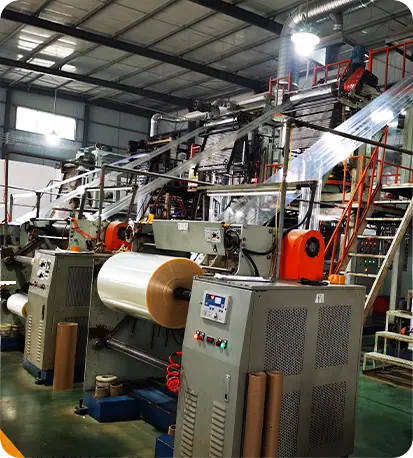
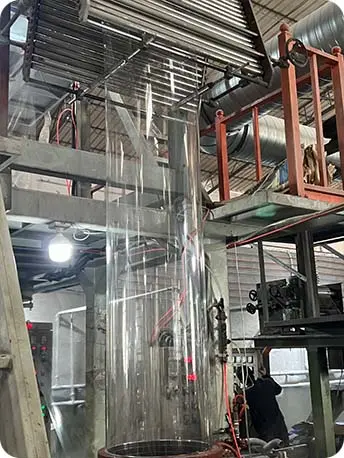
Research and development in the field of custom PET shrink films focuses on resolving the inherent stiffness of PET while enhancing its environmental properties. Modern R&D lines utilize multi-layer co-extrusion technologies (e.g., ABA or ABC structures) to combine high-performance cores with functional skin layers. These skin layers are optimized for low coefficient of friction (COF), enabling smooth high-speed sliding, while the core remains optimized for ultimate tensile strength and rapid thermal response. The roadmap points directly to PCR (Post-Consumer Recycled) PET integration, with current production facilities successfully incorporating up to 30% to 50% food-grade PCR material without sacrificing gloss or clarity.
Eco-friendly formulations integrating high percentages of Post-Consumer Recycled PET polymers, ensuring carbon footprint reduction while maintaining mechanical rigidity and elongation properties.
Lowering the initial shrink activation temperature to 70°C. This limits container deformation for thin-walled plastic jars and reduces thermal energy footprints during commercial processing.
Incorporation of antistatic properties and micro-textured topcoats to prevent blocking and allow static dissipation on automated packaging machinery running under high-humidity environments.
For large-scale food packaging and consumer goods plants, regulatory compliance is a non-negotiable metric. Custom PET shrink materials must fulfill rigorous guidelines, including FDA 21 CFR regulations for direct food-contact surfaces, EU Regulation No. 10/2011, and strict RoHS/REACH standards regarding heavy metal migration. Global manufacturers require suppliers that offer end-to-end trace documentation, including material safety data sheets (MSDS), certificates of analysis (COA) per batch, and localized technical representation.
Localized warehousing and distribution channels enable JIT (Just-in-Time) delivery setups, mitigating standard sea-freight delays and preventing structural deformation of films due to high temperatures inside shipping containers. Furthermore, localized technical support guarantees that engineers can quickly adjust thermal tunnel zones on-site, minimizing startup waste during new container size introductions.
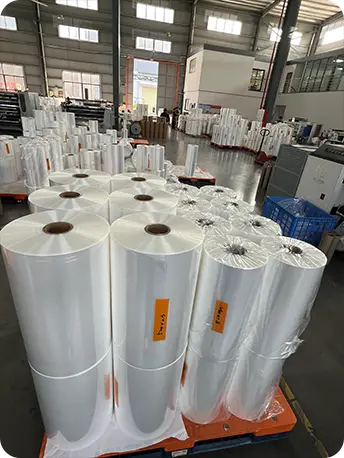
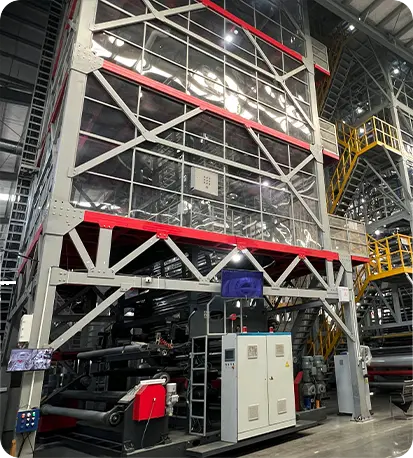
Your One-Stop Packaging Material Procurement Platform.
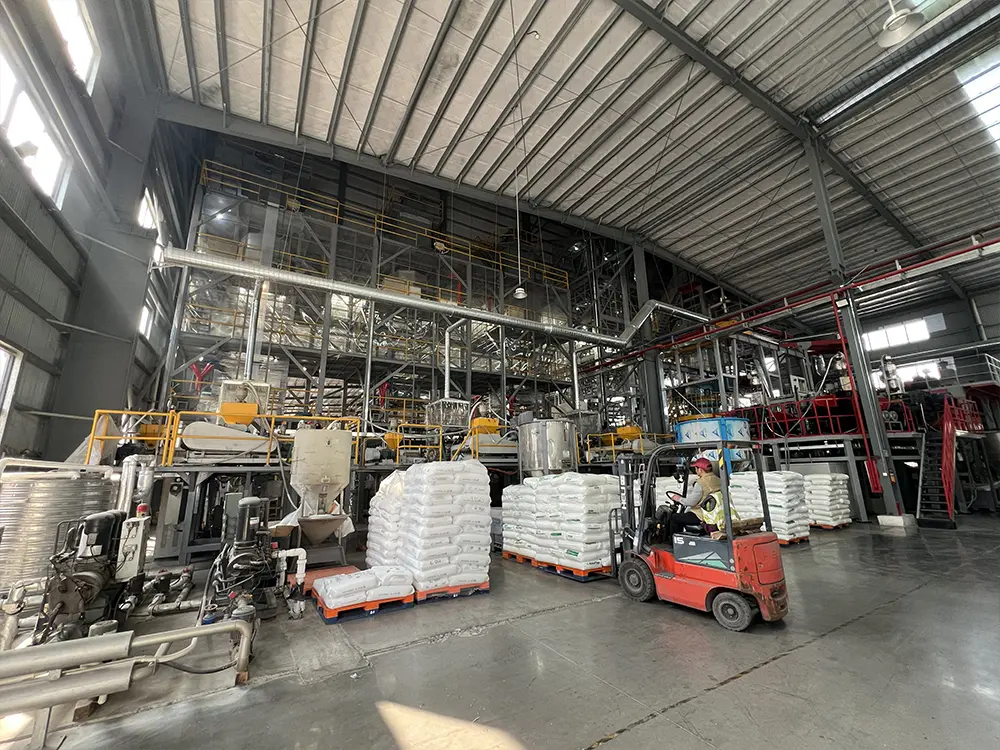
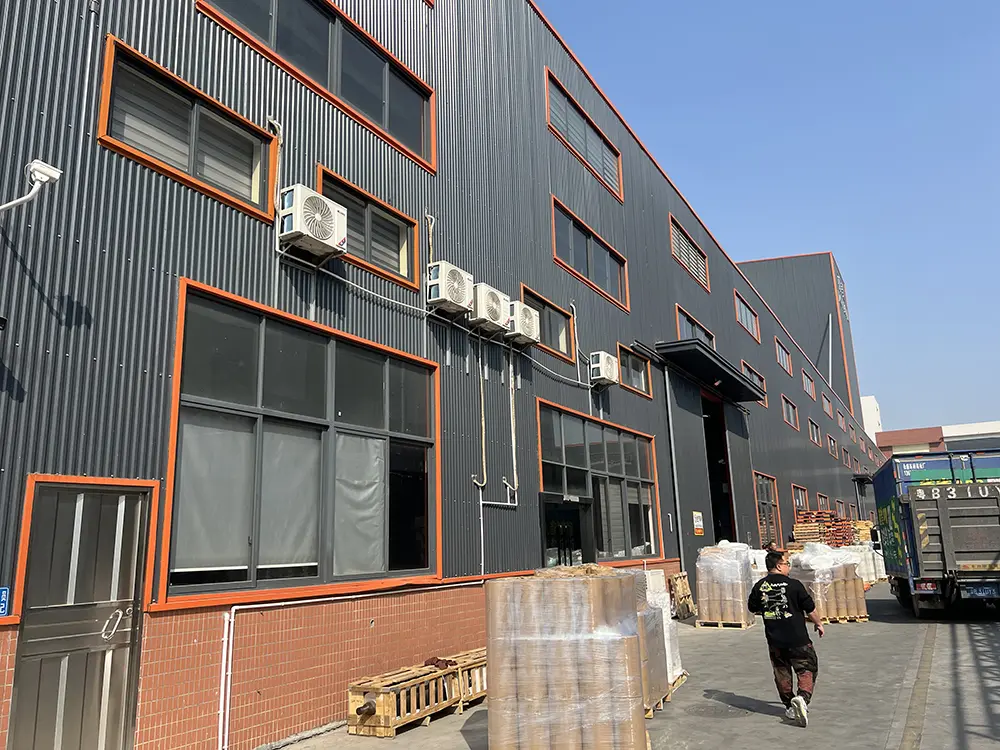
Zhongshan Tianchen New Materials Co., Ltd. is a comprehensive, one-stop packaging material procurement platform established on the basis of more than 20 years of experience in the film packaging industry. Established on the foundation of extensive industry experience, Tianchen is driven by a commitment to resource integration and addressing customer needs, ensuring that it offers the finest solutions for diverse packaging requirements.
At Tianchen, we have professional production, research & development, and sales teams, so quality control is taken very seriously. The modern quality control system implemented within the company ensures that all products meet the customer’s standards. This commitment to quality, combined with large-scale production capabilities, has garnered significant favor and trust from global customers. The company's experienced professionals continuously work to innovate and improve product offerings, ensuring that they always deliver the best to their clients.
In a competitive marketplace, Zhongshan Tianchen New Materials Co., Ltd. stands out as a reliable partner for all your packaging material needs. As a one-stop packaging material procurement platform, Tianchen combines decades of industry expertise with a passion for quality and customer satisfaction. Whether you need eco-friendly heat shrink films or durable labeling solutions, Tianchen is here to provide the best in the industry.
A: PETG offers a significantly higher shrinkage rate (up to 78%) compared to PVC (50-65%), making it ideal for bottles with steep curves or complex contours. Additionally, PETG is environmentally superior, release no dioxins during incineration, and is compatible with PET bottle recycling streams, whereas PVC is restricted by environmental mandates in many countries.
A: These defects are caused by excessive Machine Direction (MD) shrinkage or uneven heat zones. We control this by maintaining MD shrinkage under 3% through precise temperature regulation during transverse stretching (TDO process) and helping customers optimize their steam tunnel configurations.
A: Yes. Special heat-resistant grades of PET/PETG can withstand the temperatures associated with pasteurization and hot-fill lines (typically 85°C to 95°C) without losing print quality, dimensional stability, or shrinking pre-maturely.
A: We recommend storing the rolls in a temperature-controlled environment below 30°C (86°F) and relative humidity below 60%. Keep the films in their original moisture-barrier packaging until actual printing or application to prevent premature moisture absorption and heat aging.
A: Yes, our custom PET/PETG films are surface-treated for excellent print receptivity, making them fully compatible with specialized wash-off inks. This allows the label ink to flake off easily in alkaline washing systems during the recycling process, preserving clear bottle flakes.
A: For customized widths and thicknesses, our standard MOQ starts at 1 ton, depending on technical specifications. Standard production lead time is 15-20 days, supported by our comprehensive QC checking parameters and advanced extrusion pipelines.
 Tianchen Materials