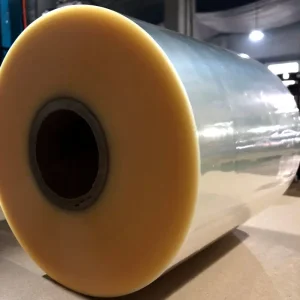
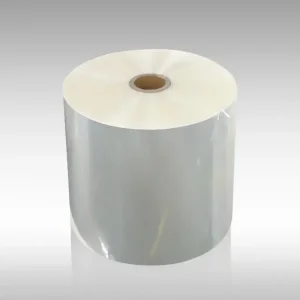
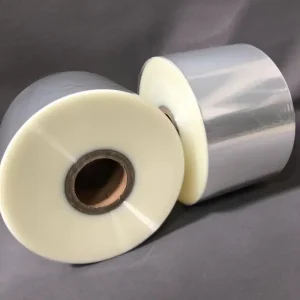
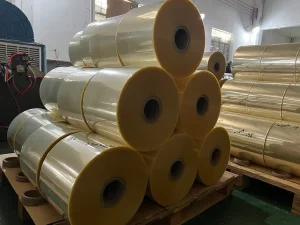
Engineered for absolute load containment, tear resistance, and high-yield efficiency across diverse automatic and manual packaging machinery.
Zhongshan Tianchen New Materials Co., Ltd. – Your One-Stop Packaging Material Procurement Platform.
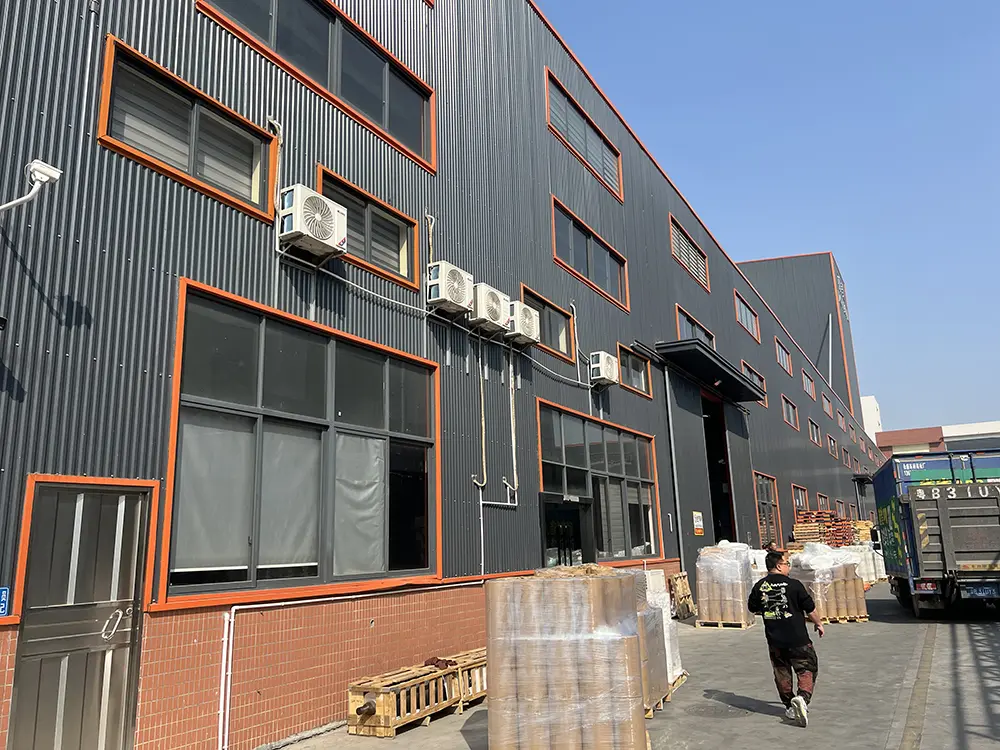
Zhongshan Tianchen New Materials Co., Ltd. is a one-stop packaging material procurement platform established on the basis of more than 20 years of experience in the film packaging industry to act as a comprehensive one-stop packaging material procurement platform. Established on the foundation of extensive industry experience, Tianchen is driven by a commitment to resource integration and addressing customer needs, ensuring that it offers the finest solutions for diverse packaging requirements.
At Tianchen, We have a professional production, research and development and sales teams, so quality control is taken very seriously. The modern quality control system implemented within the company ensures that all products meet the customer’s standards. This commitment to quality, combined with large-scale production capabilities, has garnered significant favor and trust from customers. The company's experienced professionals continuously work to innovate and improve product offerings, ensuring that they always deliver the best to their clients.
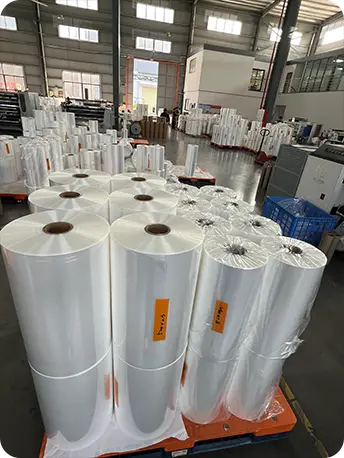
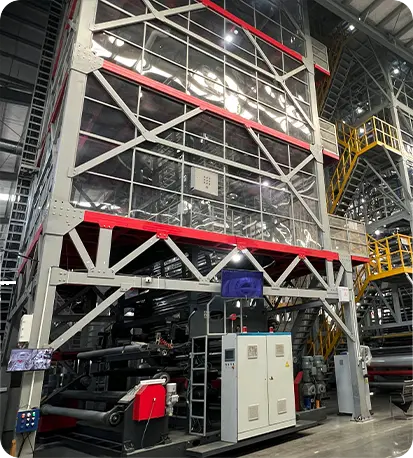
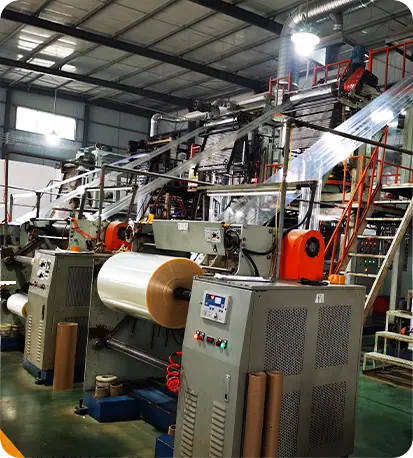
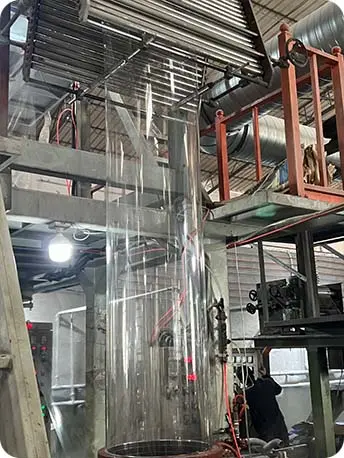
In a competitive marketplace, Zhongshan Tianchen New Materials Co., Ltd. stands out as a reliable partner for all your packaging material needs. As a one-stop packaging material procurement platform, Tianchen combines decades of industry expertise with a passion for quality and customer satisfaction. Whether you need eco-friendly heat shrink films or durable labeling solutions, Tianchen is here to provide the best in the industry.
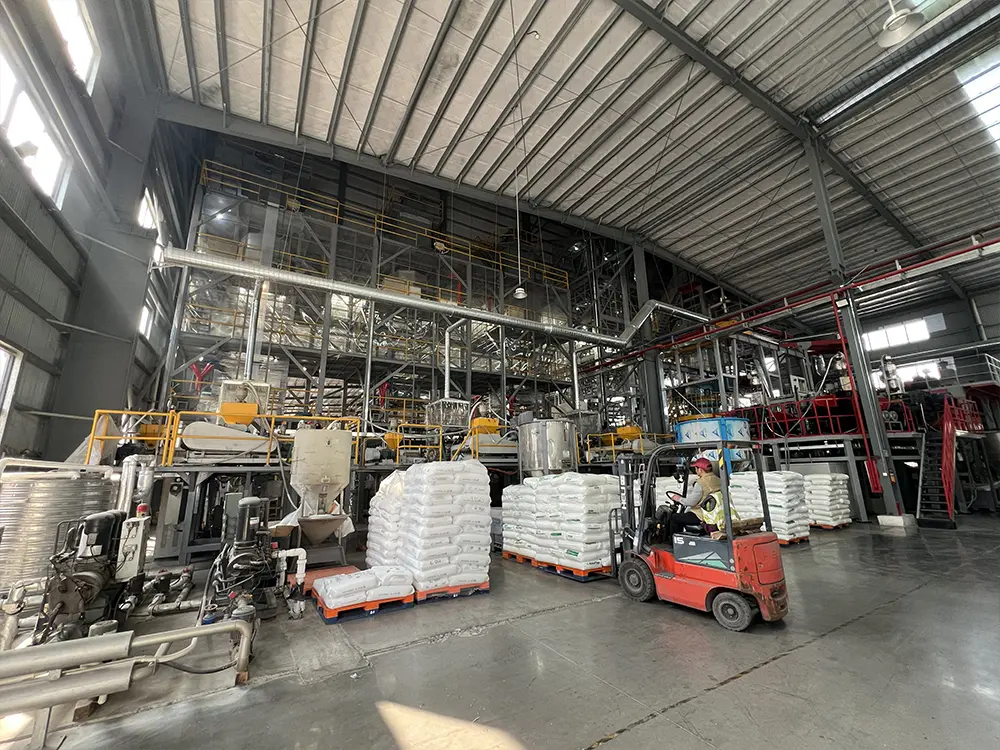
A comprehensive exploration of mechanical dynamics, supply chain efficiency, material science, and global compliance standards for modern procurement leaders.
Polyethylene (PE) wrapping film, commonly known in logistics and supply chain sectors as stretch wrap, represents the foundational layer of modern load containment. On a global scale, the industrial packaging market is expanding under the pressures of rapid e-commerce penetration, automated logistics systems, and trans-continental shipping requirements. A failure in load containment is not merely an operational inconvenience—it represents massive economic losses, safety hazards, and product waste.
Today, sourcing managers face the complex task of identifying manufacturers that can balance mechanical performance, raw material traceability, and cost efficiency. The shift towards metallocene-catalyzed LLDPE (Linear Low-Density Polyethylene) resins has redefined film properties, permitting significant downgauging without sacrificing tensile strength, puncture propagation limits, or load retention force.
Sourcing from a specialized factory requires understanding how manufacturing methods affect film properties. Custom PE wrapping films are produced using two primary methods, each altering the molecular orientation of the polyolefin polymers:
Produced by feeding molten polymer through a flat slot die onto cold rollers. Features high clarity, low unwind noise, and excellent pre-stretch capability up to 300%+, ideal for high-speed automated wrapping machines.
Formed by forcing molten resin through a circular die, inflating it into a bubble. This dual-direction cooling creates superior puncture resistance, high cling parameters, and extreme holding force for heavy, irregular loads.
Modern factories utilize 3, 5, or 7-layer co-extrusion technology. This enables engineered customization: placing high-cling agents in outer layers, high-tensile resins in the core, and slip additives inside to prevent pallets sticking together.
The global dominance of Chinese PE wrapping film manufacturers is not merely a matter of labor arbitrage, but rather the result of advanced industrial clusters, supply chain integration, and engineering efficiency. Factories located in prominent production zones like Guangdong benefit from:
Global procurement teams should not treat PE wrapping film as a basic commodity. It is an engineered solution that must be matched with specific mechanical parameters:
| Parameter | Standard Range | Custom Target Applications |
|---|---|---|
| Film Thickness | 8 Micron to 50 Micron (32 Gauge to 200 Gauge) | 8-12μm for light boxes; 23-50μm for heavy metal coils, bricks, or construction supplies. |
| Stretch Ratio | 150% to 350%+ | High-yield pre-stretch films optimized for high-speed ring wrappers, minimizing film usage per pallet. |
| Cling Options | Single-Sided, Double-Sided, No Cling | One-side cling prevents loaded pallets from sticking to each other during transit in tight containers. |
| Color & Additives | Clear, Opaque Black, Blue, Green, UV Inhibitors, VCI | Black film for security and anti-theft; UV protection for outdoor storage; VCI for corrosion prevention in metals. |
Different regions and industries present unique operational demands on packaging materials. Understanding these scenarios helps determine the correct custom formulation:
With global initiatives targeting plastic reduction, manufacturers must prioritize environmental compliance. As an experienced partner, Zhongshan Tianchen New Materials Co., Ltd. offers raw materials compliant with international regulatory benchmarks, including FDA regulations for direct food contact and EU REACH/RoHS requirements.
Furthermore, development focus is shifting toward circular economy initiatives, including PCR (Post-Consumer Recycled) content integration and biodegradable PLA/PE blends. Using these materials allows global enterprises to reduce their packaging carbon footprint while maintaining load stability.
Crucial technical answers compiled by our application engineers to assist your procurement decision-making.
From food-grade barrier wraps to high-durability automotive and labeling films, explore our complete industrial selection.
 Tianchen Materials