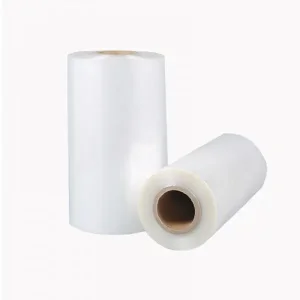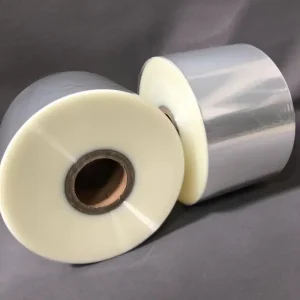
Navigating Custom Oriented Polypropylene (OPP) Heat Sealable Films for Global FMCG, Food, and Medical Packaging Supply Chains
In the highly competitive landscape of global flexible packaging, Custom Oriented Polypropylene (OPP) Heat Seal Films stand as a foundational material solution. Driven by the demands of High-Speed Horizontal Form-Fill-Seal (HFFS) and Vertical Form-Fill-Seal (VFFS) systems, global procurement teams must balance optical clarity, barrier properties, and Seal Initiation Temperatures (SIT). This whitepaper bridges the gap between procurement needs and factory-floor capabilities, examining how custom formulation, low-temperature seals, and co-extrusion technologies determine packaging performance.
Transitioning from complex laminates to mono-material OPP structures assists brands in meeting stringent EU and US circular economy mandates without losing barrier integrity.
Advanced polymers lower SIT down to 85°C. This allows packaging machinery to run at higher speeds while reducing thermal degradation risks for contents.
By integrating metalized layers or specific coatings, custom manufacturers manipulate Oxygen Transmission Rates (OTR) and Water Vapor Transmission Rates (WVTR).
Standard OPP films are inherently difficult to heat-seal due to high crystallinity and molecular orientation. To solve this, manufacturers use multi-layer co-extrusion (typically 3 or 5 layers). The core provides mechanical rigidity and tensile strength, while outer skin layers incorporate terpolymers (ethylene-propylene-butylene) that melt at lower temperatures.
Looking forward, the industry is transitioning toward bio-based polypropylene resins and chemically recycled PCR (Post-Consumer Recycled) contents. The goal is to maintain high transparency (haze values under 2.0%) and low COF (Coefficient of Friction) values (under 0.25) to prevent structural jamming during fast automated feeding cycles.
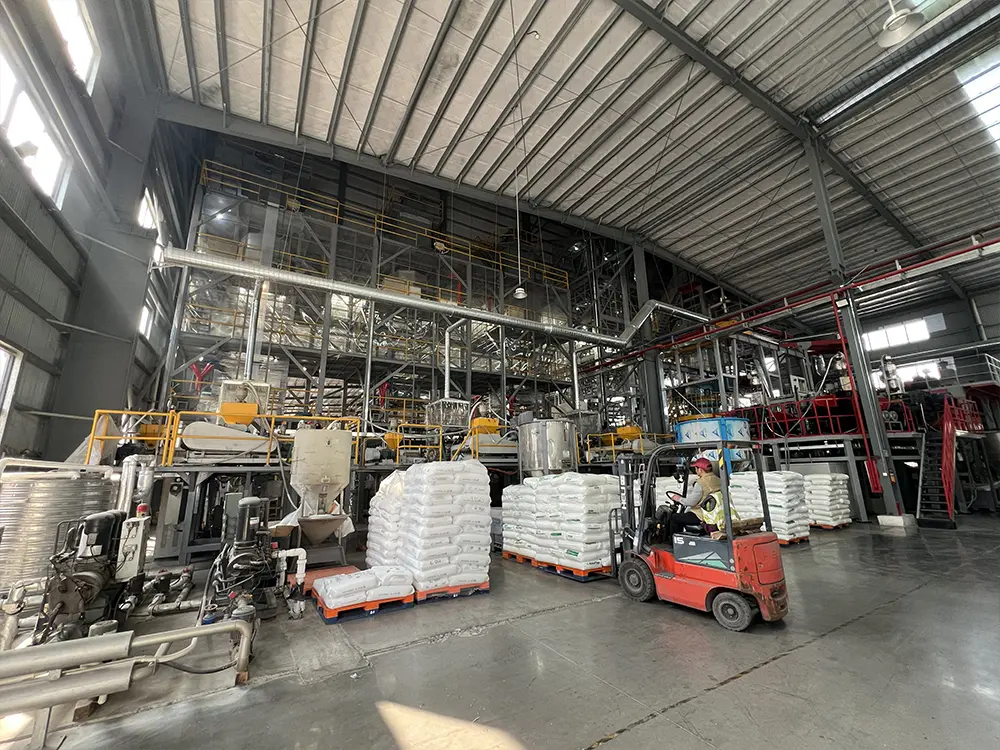
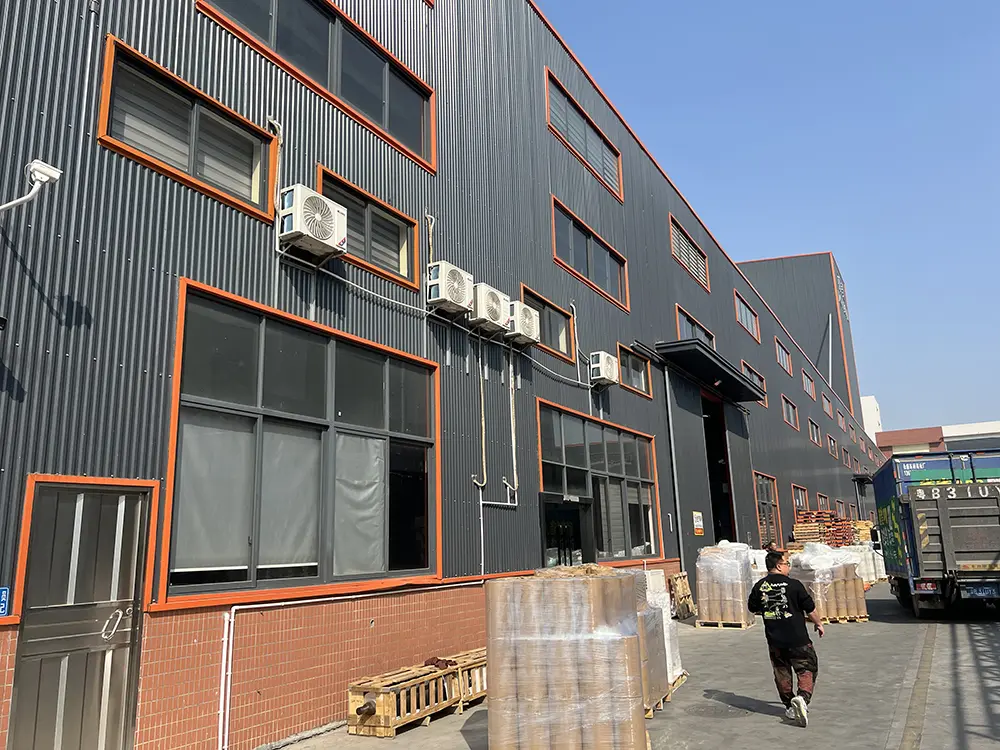
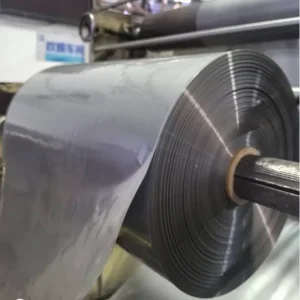
China-based manufacturing facilities have transitioned from high-volume processing to high-precision manufacturing. Modern OPP extrusion lines utilize continuous closed-loop thickness monitors and automatic die adjustment controls to maintain thickness variations under ±3%.
By integrating real-time quality control checks directly onto the slitting and winding machines, factories can detect micro-perforations, surface scratches, and uneven tension. This dynamic adjustment process prevents issues during high-speed unwind phases in overseas factories, minimizing downtime and substrate waste.
Your One-Stop Packaging Material Procurement Platform with Decades of Proven Industrial Expertise
Zhongshan Tianchen New Materials Co., Ltd. is a comprehensive packaging material procurement platform built upon over 20 years of experience in the film packaging industry. We integrate resources and address customer needs to provide optimized solutions for diverse global packaging requirements.
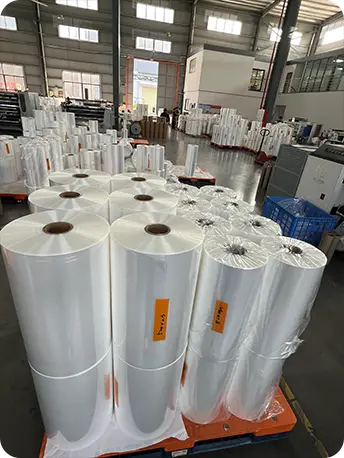
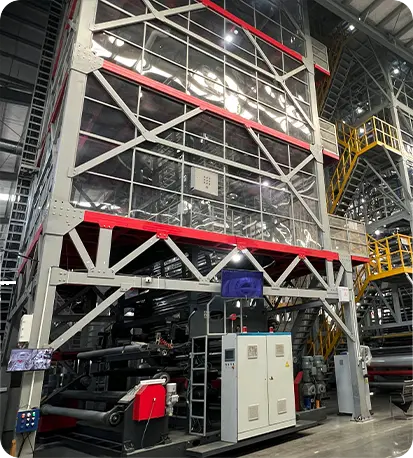
At Tianchen, quality control is key. Our professional production, R&D, and sales teams utilize a modern quality control system to verify all products meet our customers' exact standards. Combining this commitment to quality with scale production capabilities allows us to maintain the trust of clients worldwide. Our experienced professionals continuously work to innovate and improve our product offerings, ensuring we deliver reliable solutions.
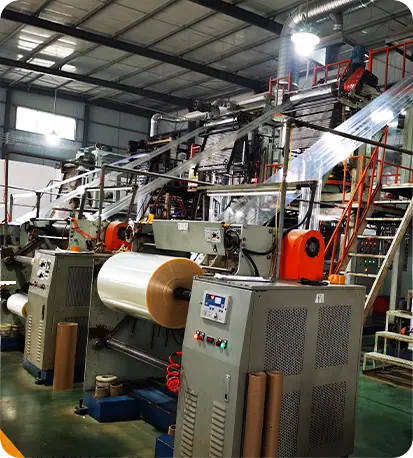
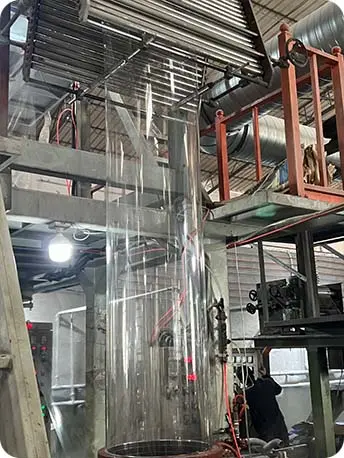
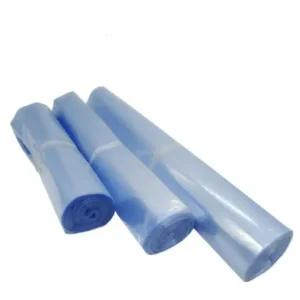
In a competitive marketplace, Zhongshan Tianchen New Materials Co., Ltd. stands out as a reliable partner for your packaging material needs. As a one-stop procurement platform, we combine decades of industry expertise with customer service. Whether you require eco-friendly heat shrink films or durable labeling and custom OPP sealing films, Tianchen is here to support your operations.
Years of R&D Expertise
Annual Production Capacity (Tons)
Minimum Seal Initiation Temp
Countries Supplied Globally
Customized Formulations Engineered to Meet Diverse Industry Requirements
High-speed horizontal flow wraps require balanced slip properties (COF 0.20-0.25) to handle cookies, biscuits, and chocolates smoothly without thermal heat transfer damage.
Medical-grade heat sealable OPP provides reliable moisture barriers and microbial seals, maintaining sterile packaging integrity through ETO gas sterilization processes.
Superior gloss (>95%) and low haze (<1.5%) formulations ensure external overwrapping presents high optical clarity while protecting primary cosmetic containers.
Technical Benchmarks for Global Procurement Officers and Quality Control Directors
Determine the exact window where the polymer layer transitions to a melt state. Optimal ranges lie between 90°C and 115°C. Seal strength should exceed 2.5 N/15mm under standard jaw pressures (0.3 MPa, 0.5s dwell time) to prevent split seams during distribution.
For custom printed film projects, verify that the corona treatment level exceeds 38 dynes/cm. Untreated surfaces lead to ink flaking and peeling. Treated films show excellent bonding with polyurethane or nitrocellulose-based printing ink systems.
Hot tack refers to the strength of a hot seal before it cools. For vertical packaging systems where products fall directly onto the newly sealed seam, high hot tack is essential to prevent seal failure while the material is still warm.
Ensure that standard gauges (such as 15µm, 20µm, 25µm, or 30µm) are calibrated with precision micrometers. Consistent thickness ensures uniform roll diameters, stable unwind tension, and predictable yield (square meters per kilogram).
Exporting industrial packaging products requires compliance with regional safety and migration standards. Products contacting food must comply with FDA 21 CFR 177.1520 for olefin polymers, as well as European Commission Regulation (EU) No 10/2011 for plastic materials intended to come into contact with food.
To prevent moisture build-up and physical deformation during sea transit, our rolls are individually vacuum-sealed in heavy-gauge barrier foil, packed with silica gel desiccants, and suspended on wooden pallets with side-end supports.
Our manufacturing processes align with ISO 9001:2015, ISO 14001, and BRCGS Global Standard for Packaging Materials.
Answers to common questions regarding custom OPP packaging film formulations and supplier capabilities
 Tianchen Materials