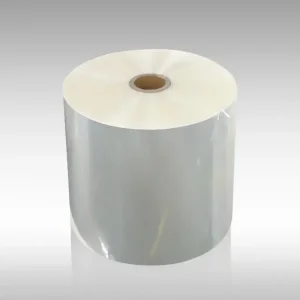
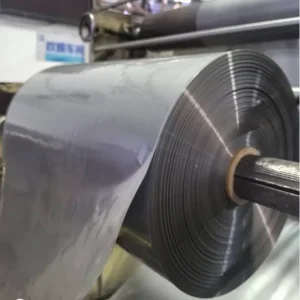
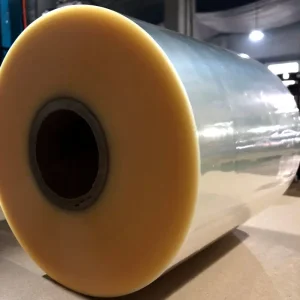
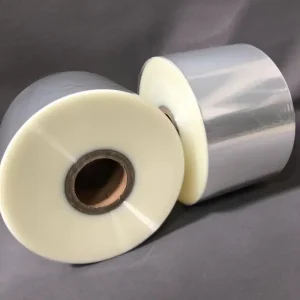
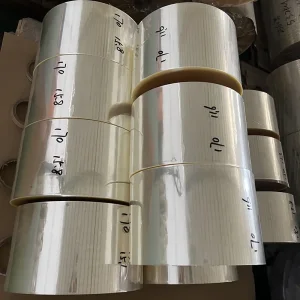
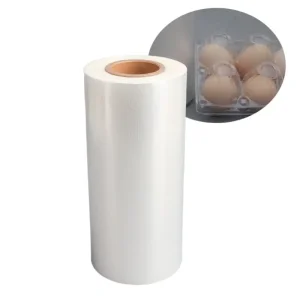
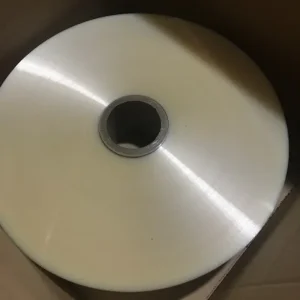
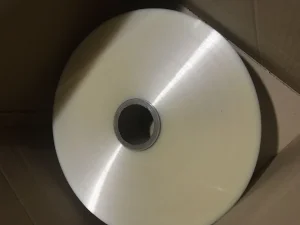
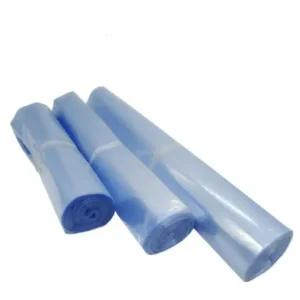
Explore our premium grade BOPP, CPP, POF and PVC performance film structures optimized for printability and thermal sealing capabilities.
Biaxially Oriented Polypropylene (BOPP) double-sided heat seal film stands at the absolute vanguard of the flexible packaging industry. Through a sophisticated co-extrusion and bi-axial stretching orientation process, the molecular structure of the polypropylene is oriented in both the machine direction (MD) and transverse direction (TD). This orientation creates a high-performance material characterized by its exceptional tensile strength, crystal-clear optical clarity, and robust barrier properties.
For printing suppliers and converting services, this film solves the fundamental paradox of modern packaging: how to achieve a low seal-initiation temperature (SIT) on both outer surfaces while maintaining structural integrity, slip performance, and dynamic surface tension on the print interface.
Composed of an core layer of high-molecular-weight PP homopolymer wrapped symmetrically between dual functional polyolefin copolymer/terpolymer heat-sealable outer skin layers.
Enables the conversion of both fin seal and lap seal configurations on high-speed horizontal (HFFS) and vertical (VFFS) form-fill-seal machinery without layer distortion.
One or both sides undergo customized corona discharge or flame treatments, designed to guarantee ink surface wetness of up to 40 dynes/cm for long-term storage.
Selecting the appropriate gauge, slip profile, and thermal behavior is critical to preventing downtime on high-volume printing runs. Our engineered formulations meet precise industrial tolerances.
| Property / Characteristic | Testing Method | Typical Value (Typical Unit Range) | Operational Significance |
|---|---|---|---|
| Thickness / Gauge range | ASTM D2103 | 15, 18, 20, 25, 30, 35, 40 (µm) | Determines yield coverage and physical packaging puncture resistance. |
| Haze (Optical Clarity) | ASTM D1003 | < 1.8% to 2.2% | Guarantees vivid label display and maximum shelf visual appeal. |
| Gloss (45°) | ASTM D2457 | > 85% to 92% | Provides high-grade sheen mimicking glass-like surfaces. |
| Coefficient of Friction (COF) | ASTM D1894 | Kinetic: 0.30 - 0.38 (Film-to-Film) | Crucial for high-speed tracking and wrinkle prevention on metal forming collars. |
| Heat Seal Strength | ASTM F88 | > 2.5 N/15mm (at 120°C, 0.3 MPa, 1s) | Prevents channel leaks and pack ruptures during transportation. |
| Seal Initiation Temp (SIT) | ASTM F2029 | 105°C - 115°C | Protects heat-sensitive goods while increasing automated output speed. |
| Corona Treatment Level | ASTM D2578 | 38 - 42 mN/m (Dynes/cm) | Ensures mechanical adhesion of solvent-based and UV curable flexo inks. |
Double-sided heat sealable films present unique physical challenges for converters. Because both sides of the film are chemically modified to seal at lower temperatures, standard corona-treated printing surfaces must maintain their active dynes without inducing structural blocking. This requires non-migratory slip additive chemistries.
When utilizing high-velocity rotogravure, flexographic, or modern digital printing, the ink requires a substrate surface energy higher than its own surface tension. Standard polymer substrates present low surface energy. We utilize controlled inline electronic corona discharge arrays to polarize the polypropylene molecules. This process adds hydroxyl and carbonyl chemical groups, guaranteeing a permanent bond for:
Standard mono-oriented or non-treated films deform under the thermal impulses of packaging seal jaws. OPP double-sided heat seal films leverage a structural temperature delta. The central core remains crystalline and rigid up to 160°C, while the copolymer skin layers melt symmetrically between 105°C and 130°C. This allows high mechanical pressure application, creating a hermetic seal against micro-leakages.
This thermal control is essential for preventing visual deformation in horizontal packaging lines for snacks, biscuits, and medical single-use items.
Your One-Stop Packaging Material Procurement Platform built upon decades of manufacturing expertise and resource integration.
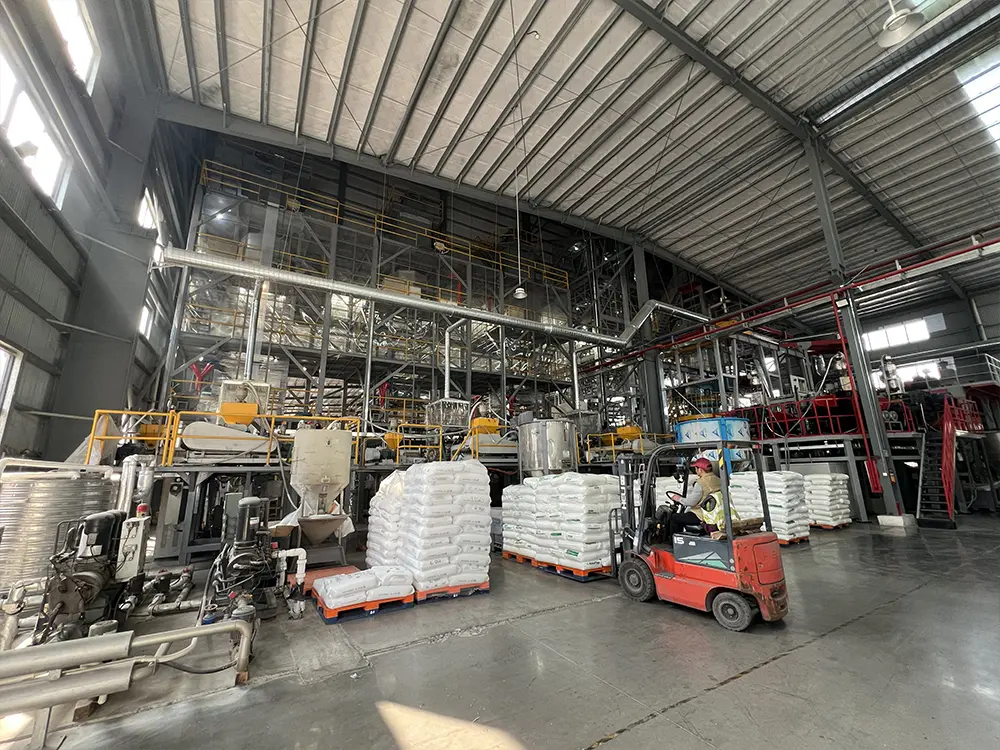
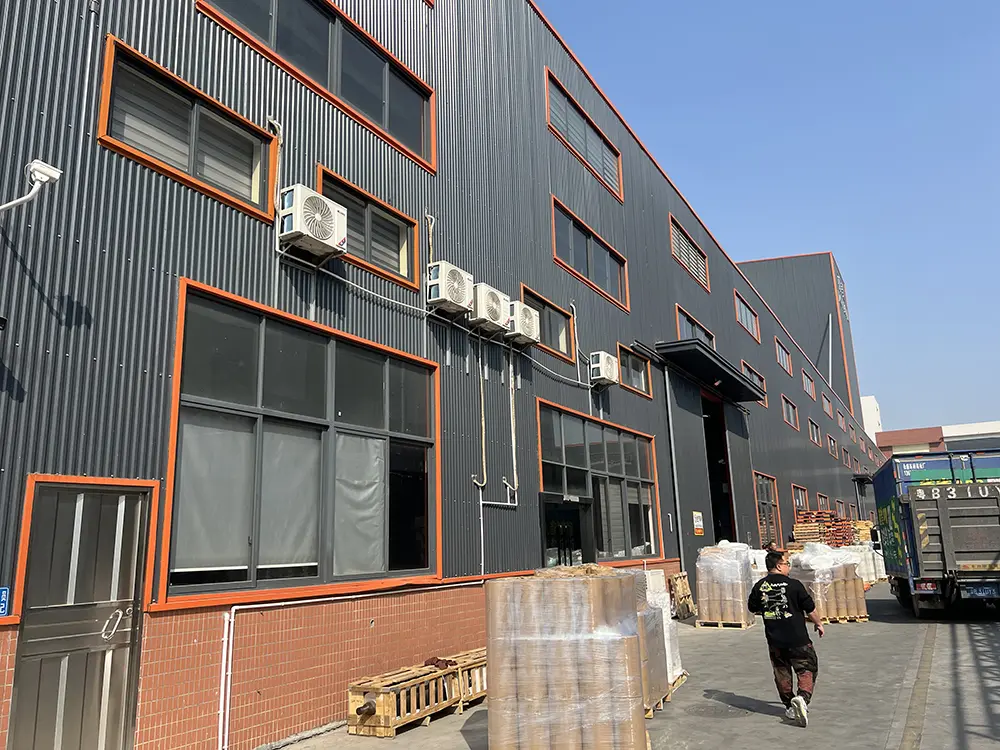
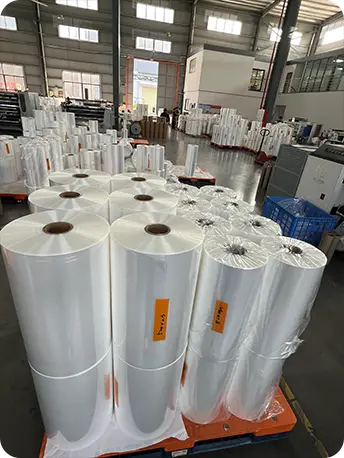
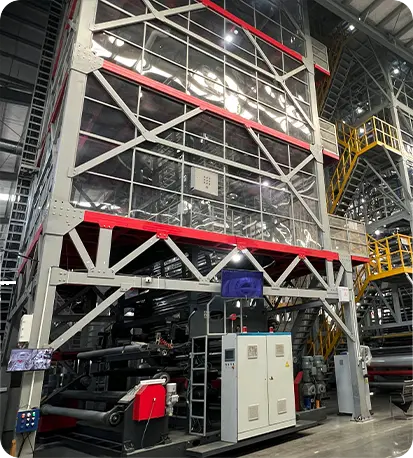
At Tianchen, We have a professional production, research and development and sales teams, so quality control is taken very seriously. The modern quality control system implemented within the company ensures that all products meet the customer’s standards. This commitment to quality, combined with large-scale production capabilities, has garnered significant favor and trust from customers. The company's experienced professionals continuously work to innovate and improve product offerings, ensuring that they always deliver the best to their clients.
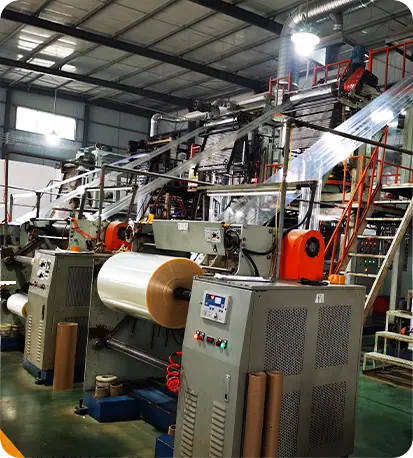
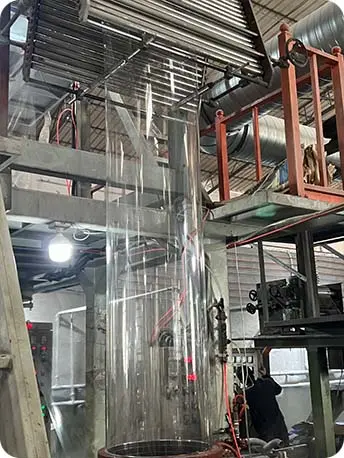
One-Stop Sourcing Platform For Packaging
In a competitive marketplace, Zhongshan Tianchen New Materials Co., Ltd. stands out as a reliable partner for all your packaging material needs. As a one-stop packaging material procurement platform, Tianchen combines decades of industry expertise with a passion for quality and customer satisfaction. Whether you need eco-friendly heat shrink films or durable labeling solutions, Tianchen is here to provide the best in the industry.
Leveraging more than 20 years of experience in the film packaging industry, we serve as a comprehensive one-stop procurement platform. Driven by a commitment to resource integration and addressing customer needs, we ensure that we offer the finest solutions for diverse packaging requirements.
Industrial demands for packaging films vary across regional markets due to climatic conditions, processing configurations, and strict retail compliance criteria.
In the US and Canada, fast-turnaround baking and confectionery plants require films with low seal initiation temperatures (SIT) and robust high-speed slip profiles. High-speed flow wrappers running at over 350 packages per minute require films with a kinetically stable COF of 0.30 to avoid jams.
European converters prioritize recyclability and structural optimization. Our double-sided OPP film serves as a monomaterial structure (Polypropylene-based), replacing complex multi-material laminates that are difficult to recycle. This aligns with PP-rich sorting streams and assists compliance with EU packaging waste regulations.
Under high-temperature and humid climates, traditional films can experience slip additive migration, causing printing errors. Our specialized, non-migrating formulations ensure the film retains its printability and COF even in warm, humid shipping containers.
Our scientific approach to film extrusion ensures consistent global distribution.
Tianchen leverages South China's highly integrated petrochemical and logistics ecosystem in Guangdong. This provides a resilient, predictable supply chain for global distributors.
Through direct supply relationships with regional polymer producers, we secure high-grade homopolymer and copolymer resins. This insulates our clients from pricing spikes and raw material shortages.
Our manufacturing facilities employ multi-layer co-extrusion technology. This ensures precise gauge control with less than 2% thickness variance, reducing scrap rates during long printing runs.
Located near major deep-water ports like Guangzhou, Shenzhen, and Hong Kong, we offer rapid ocean freight connections to major worldwide destinations, keeping transport timelines predictable.
The flexible packaging industry is shifting rapidly toward circular systems and reduced plastic footprints. Tianchen’s R&D division is actively developing next-generation polypropylene formulations.
Reducing standard film thickness from 20 microns down to 15 and 12 microns while maintaining high tensile strength and puncture resistance. This reduces the plastic footprint by up to 25% per pack.
Integrating ISCC Plus certified bio-attributed resins derived from waste vegetable oils. This allows carbon footprint reduction without compromising FDA food-grade compliance.
Applying inline vacuum-deposited oxide coatings (AlOx/SiOx) directly onto heat-sealable films. This creates recyclable barrier protection against oxygen and moisture transmission for sensitive foods.
As a professional supplier, our products undergo rigorous third-party testing to comply with international regulations for food contact, health safety, and chemical control.
Complies with FDA Title 21 CFR Section 177.1520 for olefin polymers. This makes our film suitable for packaging fresh foods, snacks, dairy products, and ready-to-eat meals safely.
Meets EU Commission Regulation No 10/2011 on plastic materials intended to come into contact with food. This covers migration limits for direct and indirect food packaging.
Free from heavy metals, phthalates, and substances of very high concern (SVHC). This ensures compliance with European REACH chemical safety and environmental regulations.
Explore answers to key technical questions about our double-sided heat seal films.
Browse our selection of customized shrink films, printing label films, and specialty packaging solutions.
 Tianchen Materials