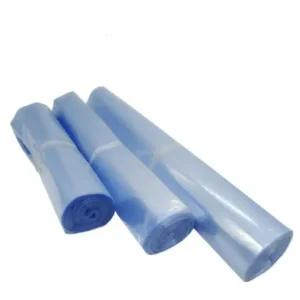
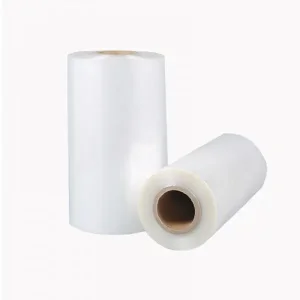
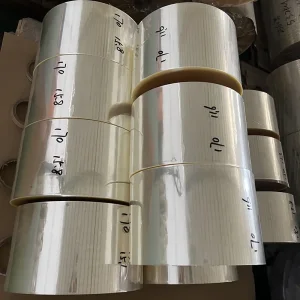
High-clarity, high-tensile packaging substrates designed for global automation systems, logistics security, and premium presentation.
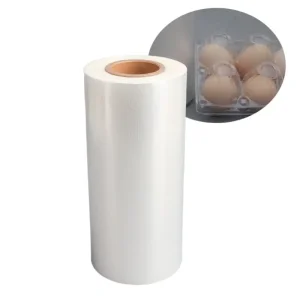
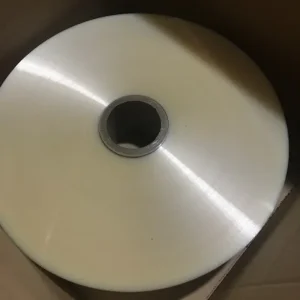
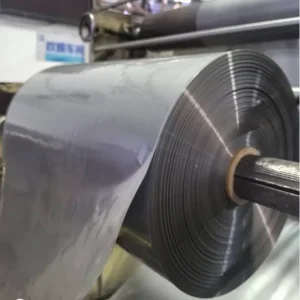
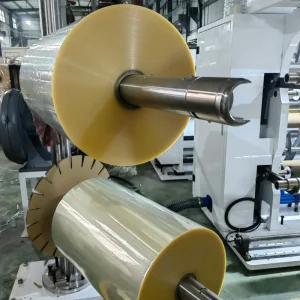
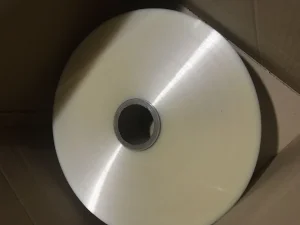
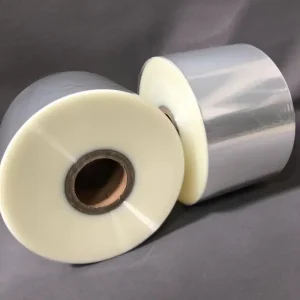
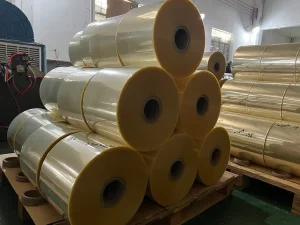
Biaxially Oriented Polypropylene (BOPP) represents a pinnacle of modern macromolecular material engineering. By stretching the polypropylene film in both the Machine Direction (MD) and Transverse Direction (TD), the molecular chains are aligned in a highly ordered, crystalline grid. This precise structural alignment dramatically enhances the film's mechanical properties, including tensile strength, puncture resistance, and clarity, while creating an exceptional barrier against moisture and vapor.
For modern procurement officers, choosing a specialized BOPP factory is critical to securing optimized material outputs. Standard polypropylene films lack the dimensional stability required for high-speed automated packaging runs. Custom BOPP films, engineered with tailored multi-layer co-extrusion technology, provide specific heat-sealing thresholds, anti-fog enhancements, and high coefficient of friction (COF) controls necessary for high-volume manufacturing lines.
As a leading developer, Zhongshan Tianchen New Materials Co., Ltd. uses its two decades of industrial expertise to guide organizations in matching specific gauge thickness and barrier requirements to the exact application, ensuring optimal yield and minimum line failure rates.
Dedicated to high-performance film extrusion, resource integration, and custom industrial packaging supply chains.
How regulatory frameworks, sustainability targets, and robotic lines are changing raw material demands.
Global consumer product companies are aggressively eliminating multi-material laminated plastics that cannot be recycled. BOPP serves as the ultimate mono-material base because it can be engineered with high-barrier properties without needing aluminum coatings or non-recyclable structural polymer layers.
Advancements in polymer formulations allow factories to produce thinner films (e.g., down to 12 or 15 microns) that match the tensile performance of traditional 20-micron materials. This reduces plastic taxes, shipping weights, and overall material usage.
With the rise of Industry 4.0 packaging halls, films must run at speeds of up to 400-600 packs per minute. This demands extremely tight thickness tolerances (within ±3%) and highly stable heat-seal layers to prevent burn-through or seal failures.
Every industry has distinct challenges. Food requires low-temperature sealing and hot-slip dynamics; automotive packaging demands high resistance to sharp profiles; and printing requires specific surface treatments like Corona treatment (minimum 38 dyne/cm) to secure ink adhesion. We engineer custom formulations directly to these parameters.
Why sourcing from advanced manufacturers like Zhongshan Tianchen New Materials Co., Ltd. guarantees quality and delivery security.
By partnering with major domestic petrochemical hubs, we secure top-grade polypropylene resins (homopolymers and copolymers) at stable, contracted pricing, shielding global buyers from spot-market price volatility.
Our facility integrates multi-layer co-extrusion technology, ensuring perfect thickness uniformity across the web width. This prevents localized stretching or thin spots that lead to line failures during downstream packaging runs.
From raw resin drying to final slitting and palletizing, our quality control team tests dynamic friction coefficients, tensile strength, heat shrinkage percentages, and haze levels to ensure every batch matches client specifications.
Select the ideal film based on structural requirements, thermal profiles, and application mechanics.
| Material Type | Tensile Strength (MD) | Typical Haze (%) | Shrink Temp Range (°C) | Key Barrier Properties | Primary Industrial Applications |
|---|---|---|---|---|---|
| BOPP (Biaxially Oriented Polypropylene) | 120 - 200 MPa | 1.0 - 2.5% | 110 - 150 °C | Excellent water vapor barrier, moderate gas barrier | Food packages, label lamination, adhesive tapes, printing stock |
| POF (Polyolefin Shrink Film) | 60 - 100 MPa | 1.5 - 3.0% | 120 - 160 °C | Moderate vapor barrier, highly puncture resistant | Multi-packs, retail presentation, food trays, books, cosmetics |
| PVC (Polyvinyl Chloride) | 40 - 65 MPa | 2.0 - 4.0% | 80 - 120 °C | Low vapor barrier, high chemical resistance | Wine bottle capsules, tamper-evident neck bands, batteries |
| PE (Polyethylene Shrink Film) | 20 - 45 MPa | > 5.0% | 140 - 180 °C | Good vapor barrier, highly impact resistant | Beverage can collations, heavy industrial parts, pallets |
Matching chemical and physical properties to real-world commercial workflows.
Using hot-perforation POF and tailored BOPP structures to allow breathability while protecting products from external contaminants. The controlled gas transmission rate prevents condensation build-up inside the package, extending the shelf-life of fresh produce, eggs, and bakery items.
High-shrink PVC sleeves and custom-printed caps provide tamper-evidence and premium branding for wineries and spirits manufacturers. The films shrink tightly around complex glass geometries without creasing, supporting clean graphics and high brand value.
For heavy items like beverage cans, household chemical containers, and automotive components, our thick PE shrink wraps and low-temperature POF center-folded films secure bundled units to prevent shifting during long-distance transit.
Your Integrated Packaging Material Partner with Over 20 Years of Specialized Industrial Experience
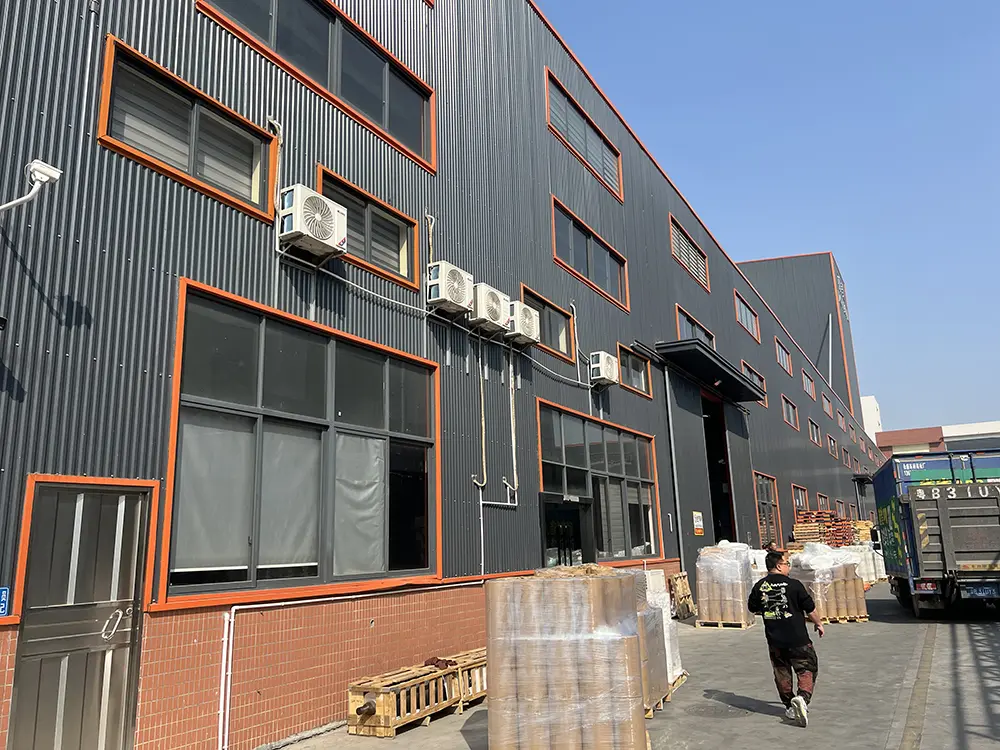
Zhongshan Tianchen New Materials Co., Ltd. serves as a comprehensive packaging material procurement platform. Established on more than 20 years of experience in the film packaging industry, Tianchen is built on resource integration, technical consultation, and structured customer support. We deliver optimized solutions for diverse packaging lines globally.
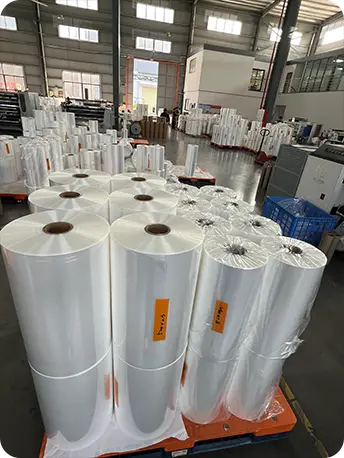
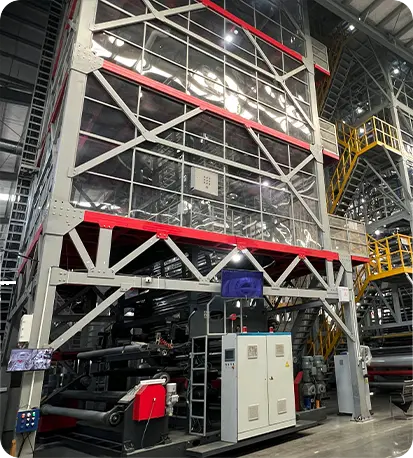
At Tianchen, we run dedicated production, research, development, and sales teams. Our modern quality control system ensures all shipped films meet client specifications. This commitment to consistency, combined with large-scale production capacities, has built strong trust with international buyers. Our experienced professionals continuously innovate to improve product features, ensuring we deliver reliable solutions to our clients.
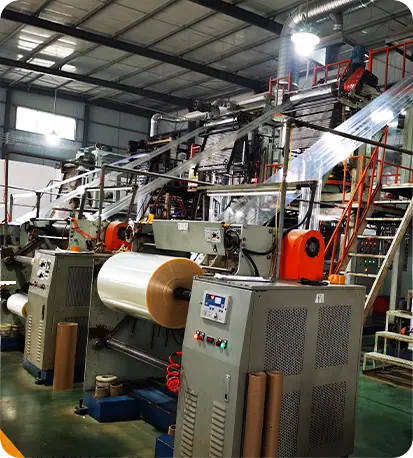
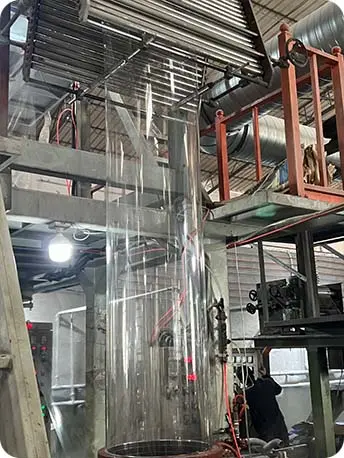
In a competitive global marketplace, Zhongshan Tianchen New Materials Co., Ltd. stands out as a reliable partner for all your packaging material needs. As a one-stop packaging procurement platform, we combine decades of industry expertise with a focus on product reliability and customer support. Whether you require eco-friendly heat shrink films or durable labeling substrates, we are ready to assist.
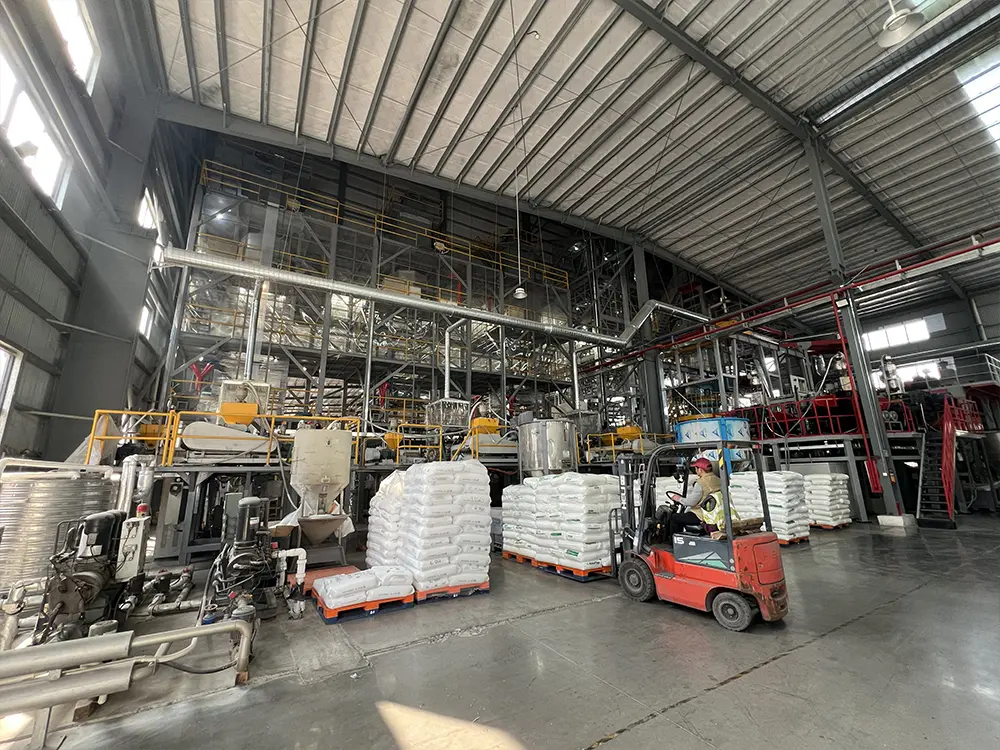
Expert answers to key questions about modern film selection, customization, and logistics.
Browse our complete product range, featuring specialized shrink wraps, printed caps, and heavy-duty industrial bundling films.
 Tianchen Materials