Explore our premium high-performance shrink and barrier films designed for diverse industrial and food-grade operations.
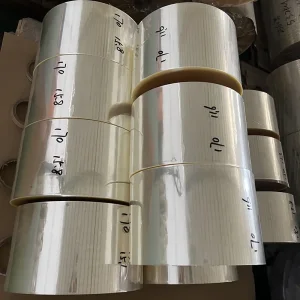
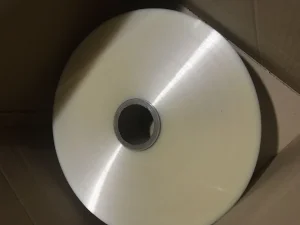
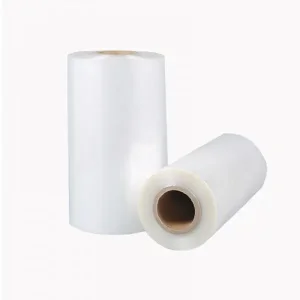
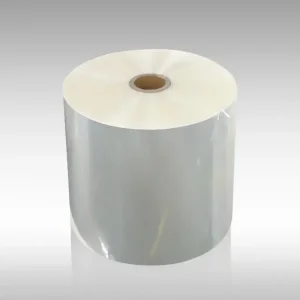
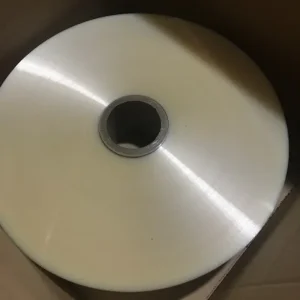
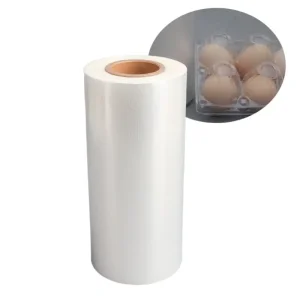
An in-depth analysis of White PVC Film technologies, manufacturing methodologies, and macroeconomic supply-chain dynamics.
The industrial landscape for White PVC (Polyvinyl Chloride) Film is witnessing exponential growth driven by the expansion of pharmaceuticals, high-barrier retail goods, automotive protective materials, and specialized construction linings. As a highly stable polymer matrix, PVC combined with titanium dioxide (TiO2) provides unparalleled opacity, UV resistance, and mechanical resilience.
Modern Chinese manufacturing facilities utilize sophisticated multi-roll calendering and blown-extrusion technologies. Precise thermal controls ensure uniform gauge distribution, eliminating microscopic pinholes and structural vulnerabilities. This results in superior tensile strength, ideal for high-speed automated packaging machinery.
With tightening global standards on plasticizers and heavy metal contents, premium manufacturers focus on lead-free, calcium-zinc stabilized PVC film configurations. Compliance with strict European Union directives (RoHS, REACH) and FDA guidelines for specific packaging formats has become the standard for top-tier supply chains.
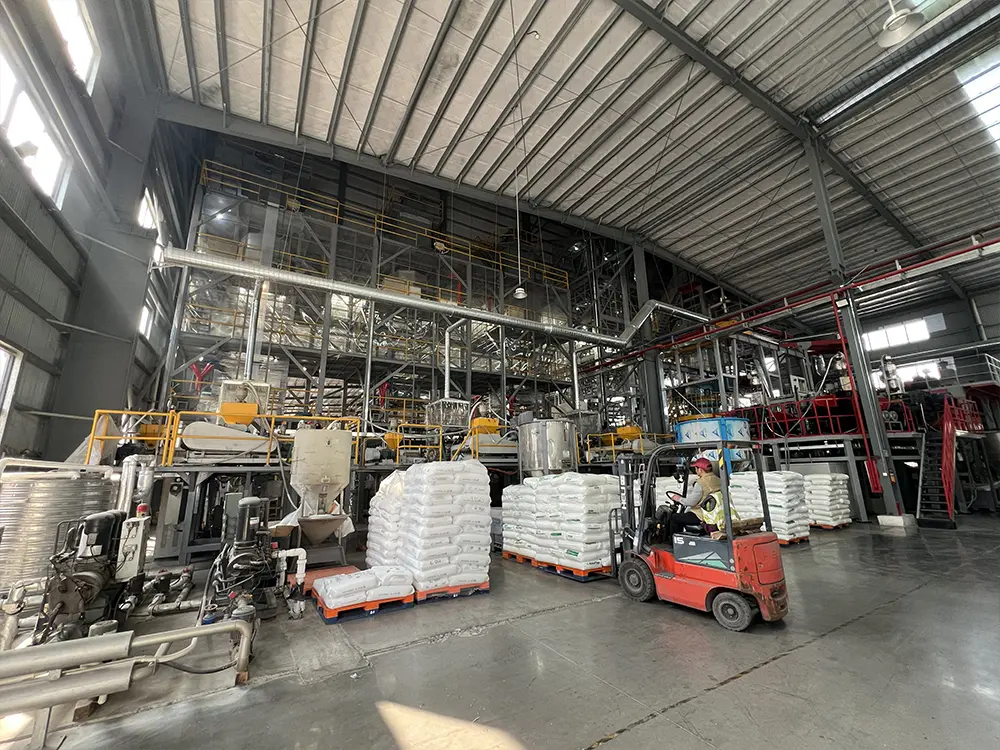
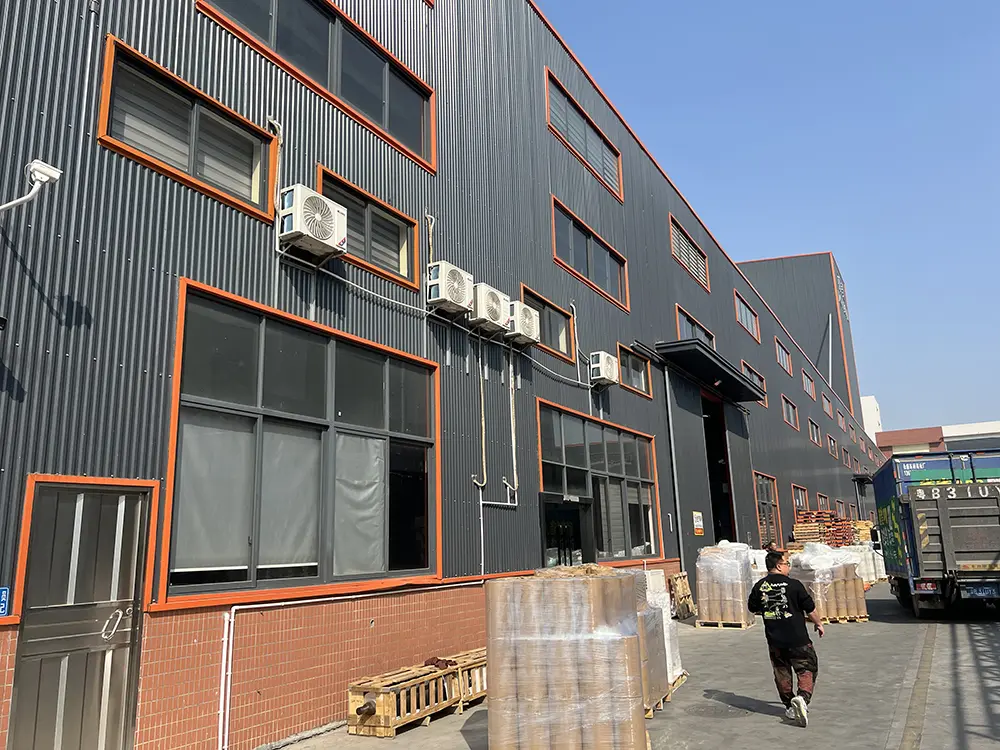
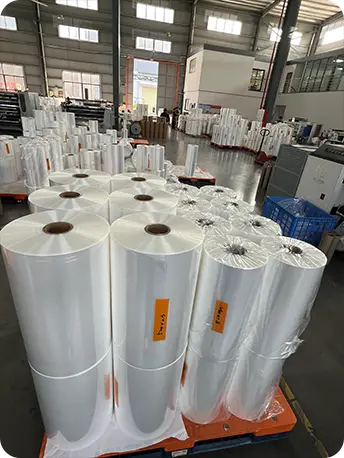
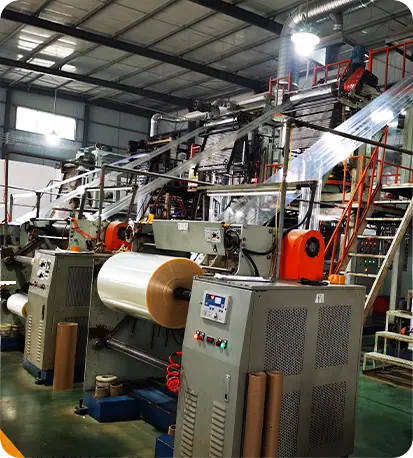
Your One-Stop Packaging Material Procurement Platform. Driven by an unwavering commitment to resource integration, product quality, and customized solutions, Zhongshan Tianchen New Materials Co., Ltd. operates at the vanguard of the packaging film industry.
Established on the foundation of over 20 years of extensive experience in the film packaging industry, we combine robust manufacturing capabilities with precision engineering to serve as a comprehensive global supplier. We take quality control seriously, implementing a modern, end-to-end quality assurance protocol at every stage of production—from raw resin polymerization inspection to final spool winding.
With an experienced professional team in research, development, production, and international sales, we customize films to meet exact structural, thermal, and mechanical parameters, positioning ourselves as the definitive partner for global industrial markets.
Quality control is at the heart of our operations. The modern quality control system implemented within the company ensures that all products meet the customer’s strict requirements. This commitment to quality, combined with large-scale production capabilities, has garnered significant favor and trust from clients worldwide.
Our engineering team continuously innovates to refine formulations, enhance barrier characteristics, and decrease thermal energy requirements during the heat-shrinking process. This results in reduced operating costs and a lower carbon footprint for our end-users.
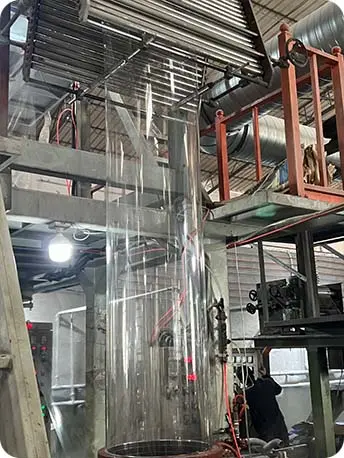
Understanding the micro-properties of polyvinyl chloride films is essential for optimizing machinery speed and product safety. The table below outlines standard technical baselines for our industrial and food-grade white PVC films:
| Technical Parameters | Standard Range / Values | Test Methodology | Key Applications |
|---|---|---|---|
| Thickness Tolerance | ± 2% to ± 4% | ASTM D374 | Precision Labeling, Technical Laminates |
| Tensile Strength (MD/TD) | ≥ 45 / ≥ 40 MPa | ASTM D882 | Heavy-Duty Packaging, Cable Wrapping |
| Elongation at Break | ≥ 150% | ASTM D882 | Thermoforming, High-stress Sleeves |
| Shrinkage Rate (Hot Air 100°C) | TD: 50% - 78% | MD: 2% - 5% | ASTM D2732 | Cap seals, bottle neck sleeves, batteries |
| Opacity Level | 85% - 98% (Customizable) | ISO 2471 | UV protection barrier, block-out packaging |
| Surface Tension (Corona Treatment) | ≥ 38 dyne/cm | ASTM D2578 | Rotogravure, Flexographic, & UV Digital Printing |
Our white PVC films are synthesized utilizing high-purity suspension-grade PVC resin. The addition of sub-micron titanium dioxide (TiO2) provides not only high optical opacity but also acts as an active UV reflector. This prevents the deterioration of light-sensitive contents (e.g., beverages, medications, chemical agents) packed within the film. Advanced heat stabilizers, lubricants, and processing aids are introduced in exact proportions to minimize polymer degradation during thermal processing.
As standard-setting manufacturers, we design our films to perform under diverse and demanding global environments. Below are the primary sectors utilizing our specialized film configurations:
With an optimized corona-treated surface, our white PVC shrink film delivers exceptional ink adhesion for rotogravure, flexographic, and digital printing. It is heavily utilized in high-shrink sleeve labeling for contour bottles, household chemicals, and cosmetics, offering 360-degree branding real estate.
White PVC film serves as a critical moisture and light barrier in thermoformed blister packaging. Its high rigidity and dimensional stability ensure structural integrity for tablets and capsules under high-temperature shipping conditions.
Widely deployed in the food, beverage, and chemical sectors, tamper-evident shrink bands safeguard consumer trust. Our low-temperature shrink options minimize energy consumption on automatic conveyor tunnels while providing clean, micro-perforated tear lines.
With high dielectric strength and chemical resistance, our non-shrink and low-shrink formulations protect electrical conduits, heavy-duty industrial tapes, and hardware components from corrosive elements and oxidative stress.
The packaging industry is shifting rapidly toward circular economy frameworks and reduced material consumption. At Zhongshan Tianchen, our technology roadmap focuses on three main pillars:
For procurement directors and supply chain managers, importing white PVC film from China requires rigorous attention to quality metrics. We recommend the following auditing practices:
Always request a thermal profile chart. Standard PVC shrink curves should show steady shrink initiation around 70°C, reaching maximum TD shrinkage at 100-110°C. Sudden shrinkage spikes can cause film tearing or container distortion on high-speed lines.
Uneven thickness leads to optical distortion, printing misregistration, and weak seal zones. Ensure the supplier utilizes continuous automated thickness scanners (beta-gauge or laser thickness monitors) on the calendering line.
Corona treatment decays over time. When shipping overseas, confirm the film receives high-level corona treatment (minimum 38-40 dynes) at the time of winding, and request moisture-barrier vacuum packaging for ocean transit to prevent treatment decay.
Expert insights regarding technical specifications, ordering logistics, and usage optimization.
Discover our specialized high-performance transparent films, shrink bags, and tailored industrial packaging options.
 Tianchen Materials