Explore our first selection of high-performance polymer packaging materials, engineered for robust product unitization, optical clarity, and structural strength across automated packaging lines.
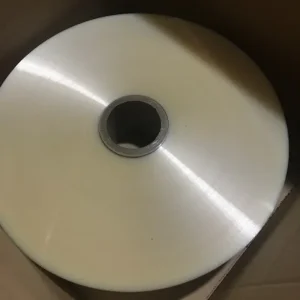
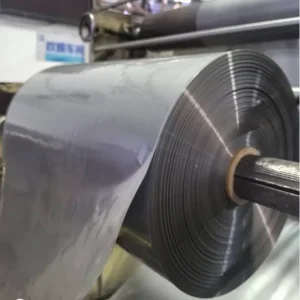
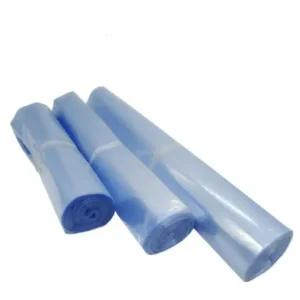
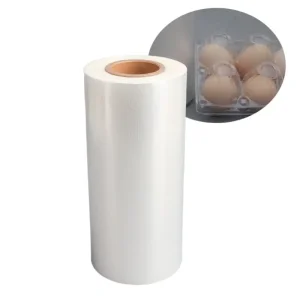
Zhongshan Tianchen New Materials Co., Ltd. – Your One-Stop Packaging Material Procurement Platform.
Zhongshan Tianchen New Materials Co., Ltd. is a leading one-stop packaging material procurement platform established on the basis of more than 20 years of experience in the film packaging industry. Driven by a relentless commitment to resource integration and addressing customer needs, we ensure our global clientele receives the finest solutions for diverse, heavy-duty, and retail packaging applications.
At Tianchen, we possess specialized production, R&D, and sales teams. The modern quality control system implemented within the company ensures that all products meet stringent international standards. This commitment, combined with large-scale production capabilities, has garnered significant favor and trust from global enterprises.
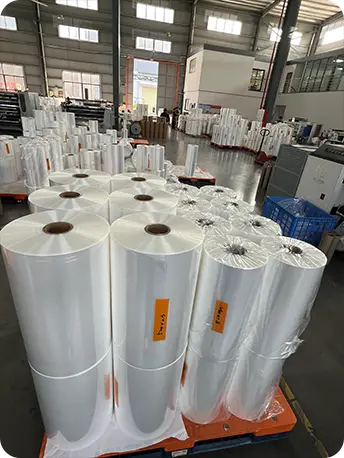
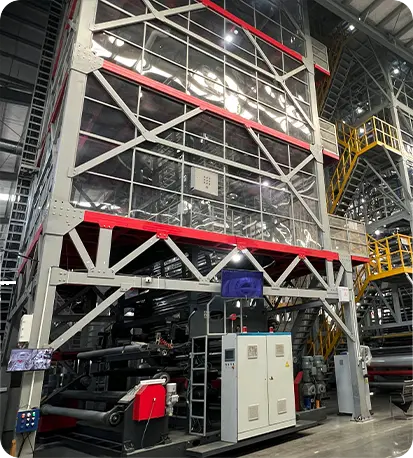
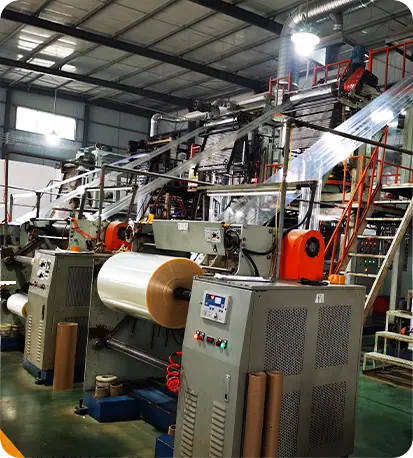
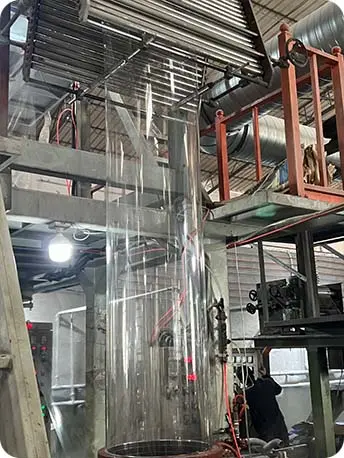
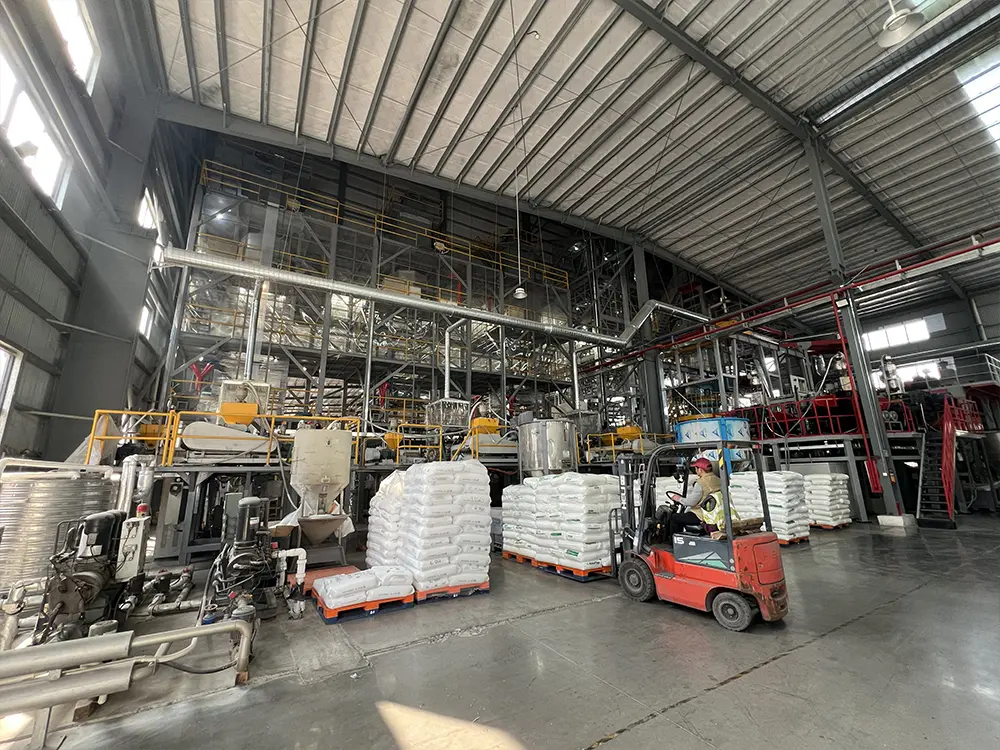
The manufacturing of industrial-grade transparent PE (Polyethylene) shrink film relies on a delicate balance of polymer design, extrusion processing, and controlled thermal properties. Standard polyethylene shrink films are formulated by blending low-density polyethylene (LDPE), linear low-density polyethylene (LLDPE), and advanced metallocene plastomers (mPE). This specific formulation dictates the film's tensile modulus, tear resistance, holding force, and optical properties.
Acts as the structural foundation of heat shrink film. Its highly branched molecular structure provides excellent shrink percentage, robust melt strength, and ease of processing during extrusion.
Contributes mechanical toughness. The short-chain branching increases puncture resistance, dart drop impact strength, and elongation limits under tensile stress.
Introduces narrow molecular weight distribution. Metallocene additions yield exceptional optical clarity (low haze), higher gloss, and robust hot-tack strength for automatic sealing machines.
Our engineering roadmap focuses on transitioning from traditional 3-layer co-extrusion systems to advanced 5-layer and 7-layer blow-molded lines. This multi-layer architecture allows for precise positioning of barrier, core strength, and slip agent layers. By isolating slip additives in the outer layers while locking mechanical strength in the core, we resolve the traditional industry paradox of high-transparency versus high-holding-force.
Transparent PE shrink film serves as the backbone of global B2B logistics. Depending on target application environments, our factories design specialized formulations tailored to specific machinery and environmental stressors.
| Industry Sector | Primary Mechanical Requirement | Standard Gauge (Thickness) | Key Resin Formulation |
|---|---|---|---|
| Beverage & Collation Packaging | High holding force, fast thermal recovery, high transparency | 35 to 60 microns | LDPE + mPE (high-slip profile) |
| Industrial Pallet Unitization | High puncture resistance, biaxial tear propagation resistance | 80 to 150 microns | LLDPE-rich heavy duty co-extruded PE |
| Lumber, Brick & Construction Materials | UV stabilization, high load retention, moisture barriers | 120 to 200 microns | UV-inhibited heavy gauge carbon black / tinted PE |
| FMCG & Retail Cosmetics | Ultra-low haze (high gloss), low-temperature shrink initiation | 15 to 30 microns | Co-extruded LLDPE + mPE + slip modifiers |
Operating in international markets requires rigorous compliance with environmental, chemical, and food safety standards. At Zhongshan Tianchen, we assist procurement officers by delivering batch-certified compliance documentations directly from our factory laboratories.
All food-grade transparent PE shrink films comply with FDA 21 CFR 177.1520 regulations, ensuring no toxic chemical migration occurs under high-temperature shrink tunnels.
Free of substances of very high concern (SVHC). Heavy metal content (lead, mercury, cadmium) is monitored below detectable limits, ensuring compliance with EU directives.
As extended producer responsibility (EPR) laws expand globally, we supply mono-material PE configurations that are 100% recyclable, facilitating closed-loop logistics cycles.
Manufacturing consistency is the cornerstone of processing plastic films. Small gauge variations can lead to film breaks on automated packaging lines, resulting in downtime. Zhongshan Tianchen maintains zero-defect standards via computerized continuous extrusion systems.
Our extrusion lines utilize German-engineered NDC thickness gauges and automatic die lips that modify resin distribution dynamically in real time. We guarantee a thickness tolerance of within ±3%, far surpassing the industry standard of ±8%.
Additionally, the integrated corona-treatment systems alter the surface tension of our PE films to ensure high-adhesion printing capabilities, allowing clients to apply sharp multi-color flexographic or gravure branding directly onto the film surface.
For procurement agents and packaging engineers, the following table lists the baseline physical metrics of our standard transparent polyethylene shrink wrap products.
| Physical Property | Test Standard | Typical Value (MD) | Typical Value (TD) |
|---|---|---|---|
| Tensile Strength | ASTM D882 | ≥ 22 MPa | ≥ 20 MPa |
| Elongation at Break | ASTM D882 | ≥ 450% | ≥ 550% |
| Shrinkage Ratio (at 150°C) | ASTM D2732 | 50% - 75% (Customizable) | 15% - 35% (Customizable) |
| Dart Impact Strength | ASTM D1709 | ≥ 280 g (50μm thickness) | |
| Haze Value | ASTM D1003 | ≤ 8.5% (High Clarity Grade) | |
| Gloss (at 45°) | ASTM D2457 | ≥ 75% | |
| Coefficient of Friction (COF) | ASTM D1894 | 0.15 - 0.35 (Kinetic / Film-to-Film) | |
When negotiating supply contracts with China-based PE film factories, a technical approach ensures long-term operational success. The procurement checklist below helps avoid common pitfalls in polymer sourcing:
Specify whether the film will run on automatic L-bar sealers, high-speed side sealers, or continuous motion horizontal flow wraps. Low-temperature POF or PE formulations may be required for heat-sensitive commodities.
Unbalanced shrinkage can crush delicate cartons (high MD, too low TD) or cause loose, flapping packaging edges. Insist on raw MD/TD laboratory shrink curves prior to container dispatch.
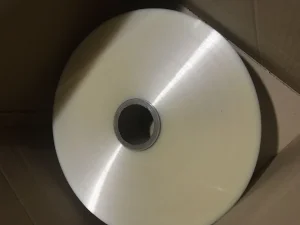
Ensure uniform winding tension across the roll width to prevent telescoping during transit. Request paper or PVC core structural integrity reports for heavy-duty master roll applications.
Our logistics team manages freight routing from primary shipping terminals in Zhongshan, Guangzhou, and Shenzhen. We utilize container desiccant packs and specialized load strapping systems to protect the film's structural alignment from high-humidity ocean transit conditions.
Direct answers to the most common questions raised by industrial packaging engineers and supply chain managers.
Visualizing the manufacturing precision behind our high-performance PE and POF co-extruded films.
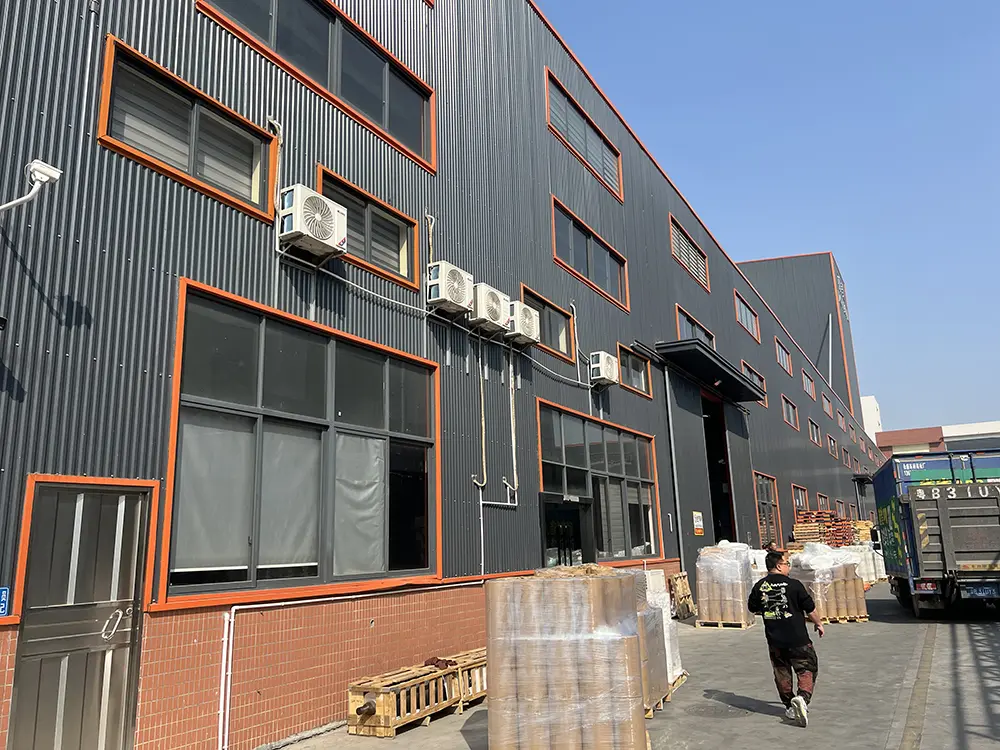
Our facility runs state-of-the-art blown film bubble towers. This configuration creates balanced orientation in both the machine direction (MD) and cross-machine direction (TD). This molecular layout ensures that the film retains high tensile stress and shrinks evenly during subsequent thermal exposure.
With regular raw material testing, we inspect density, melt flow index (MFI), and optical haze properties before resins enter the production towers, ensuring consistent product performance batch after batch.
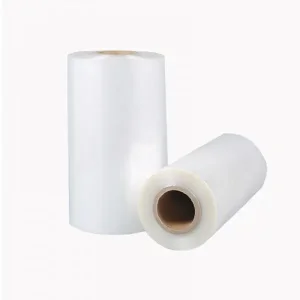
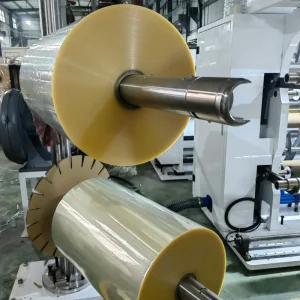
Review our specialized PE and PVC formulations designed for heavy-duty industrial bundle packaging, customized shapes, and high-clarity retail products.
 Tianchen Materials