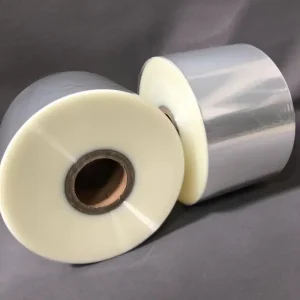
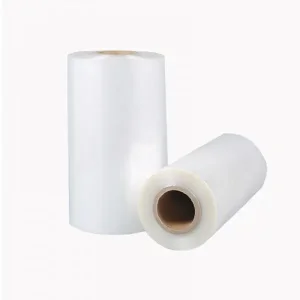
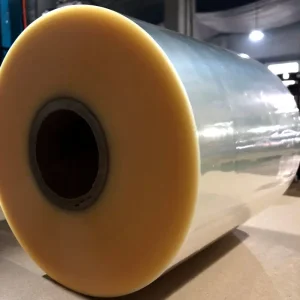
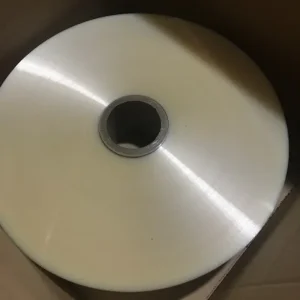
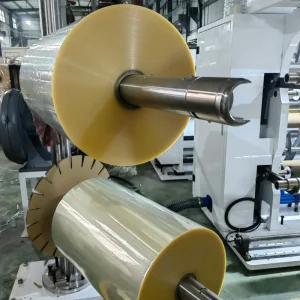
Engineered for extreme durability, food safety compliance, and seamless operational flow in dynamic shrink wrap systems.
Unpacking polymer innovations, downgauging advancements, and the circular economy footprint.
The global packaging sector is undergoing a massive transformation driven by functional optimization and strict environmental standards. Polyolefin (POF), Polyvinyl Chloride (PVC), and Polyethylene (PE) shrink films represent the core of unitization and protective barrier materials. Modern developments highlight downgauging—creating thinner films that maintain high tensile strength, excellent puncture resistance, and controlled bi-directional shrinkage. By modifying polymer chains during the co-extrusion process, manufacturers can reduce raw plastic usage by up to 20% while keeping load containment properties intact.
Equally critical is the industry's shift toward sustainability. Brands worldwide are demanding Post-Consumer Recycled (PCR) content and biodegradable alternatives. Polyolefin films, known for their recyclability and non-toxic fumes during heat sealing, are replacing PVC in many food and retail applications. At the same time, specialized UV-resistant PVC films remain necessary for industrial wrap, heavy products, and complex printed sleeve designs due to their low sealing temperatures and high shrink percentages.
Using up to 30% PCR formulations to satisfy environmental rules while maintaining film clarity, slip coefficients, and processing metrics.
5-layer and 7-layer casting lines distribute high-performance resins into microscopic layers, raising puncture resistance for sharp edges.
Replacing traditional 19-micron films with 15- or 12-micron alternatives, cutting carbon footprints, shipping costs, and raw material expenses.
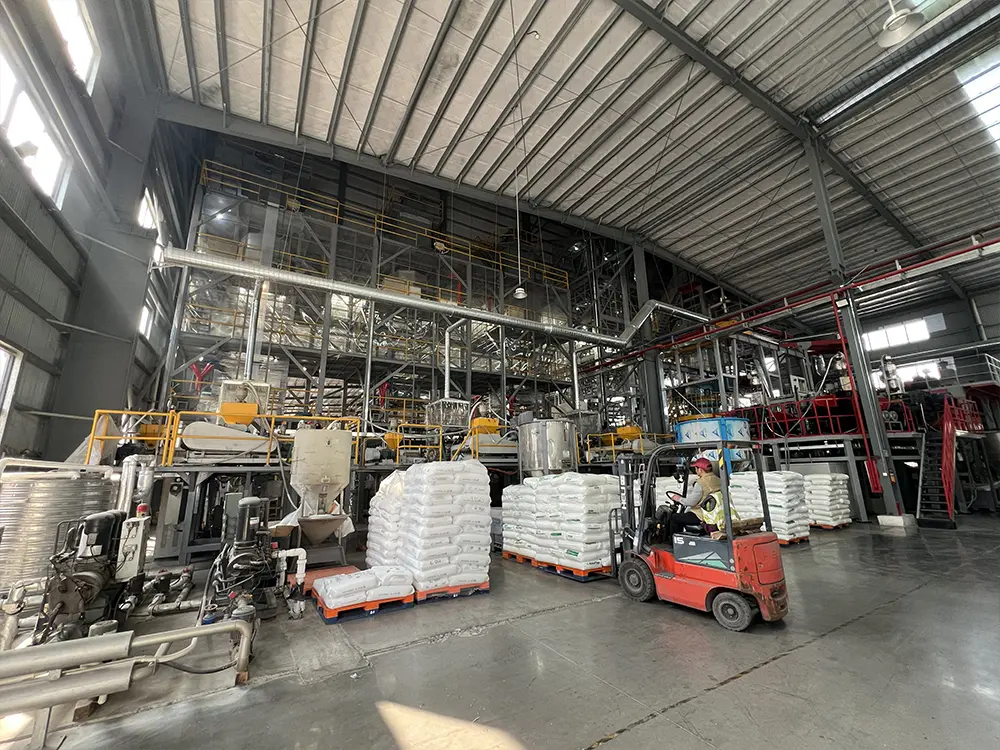
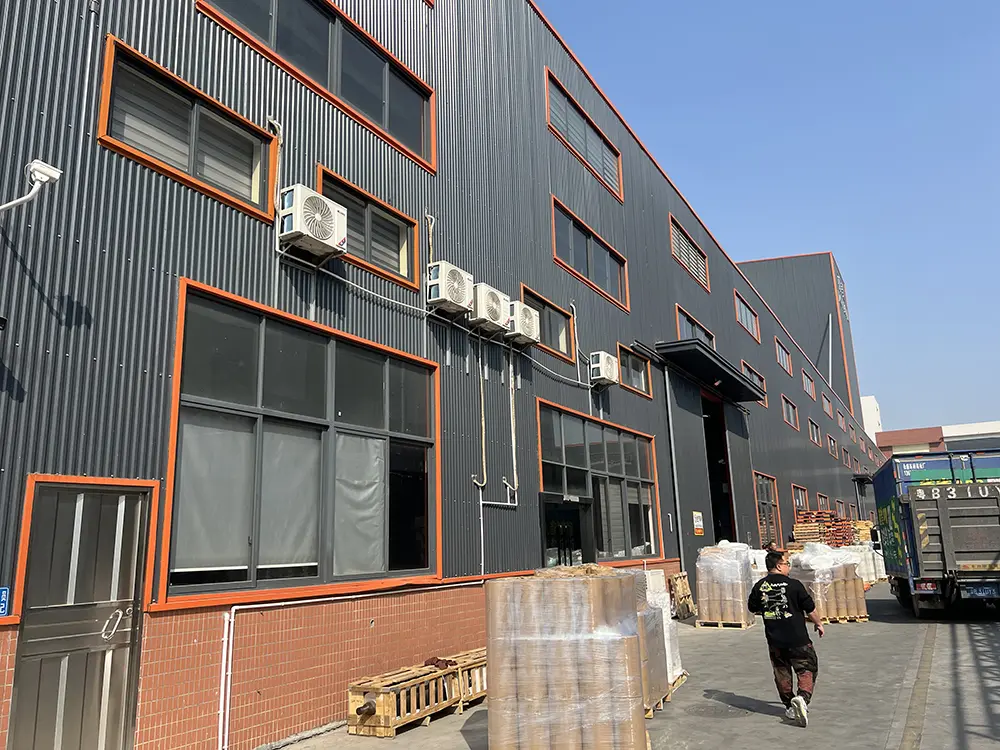
Zhongshan Tianchen New Materials Co., Ltd. is a one-stop packaging material procurement platform built on over 20 years of experience in the film packaging industry. Established on a deep foundation of industry knowledge, Tianchen is driven by a commitment to resource integration and addressing customer needs, ensuring that it offers the finest solutions for diverse packaging requirements.
At Tianchen, we run professional production, research and development, and sales teams, making quality control our highest priority. The modern quality control systems implemented within the company ensure that all products meet the strict standards required by our global partners. This commitment to quality, combined with large-scale production capabilities, has earned the trust and partnership of clients worldwide. Our experienced professionals continuously work to innovate and improve product offerings, ensuring that we always deliver the best to our clients.
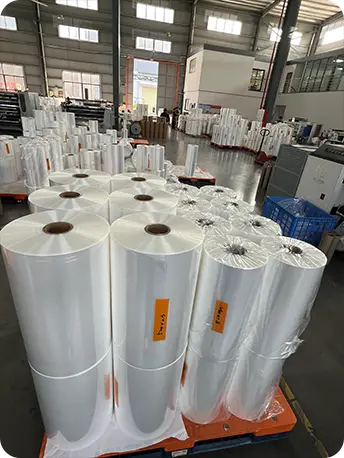
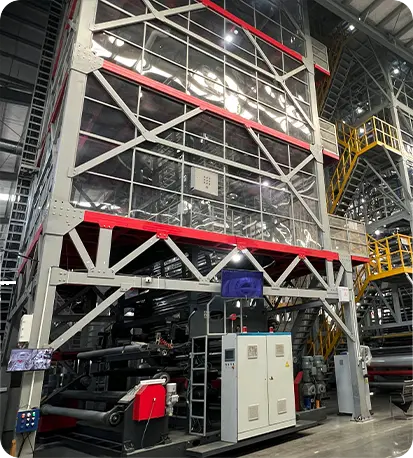
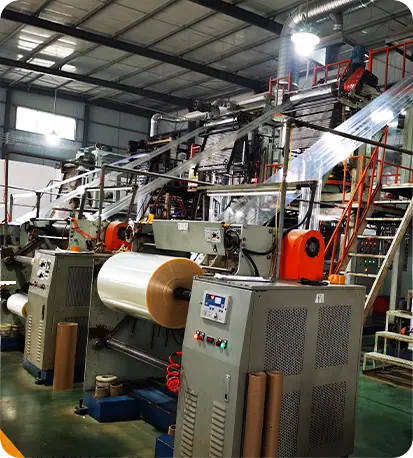
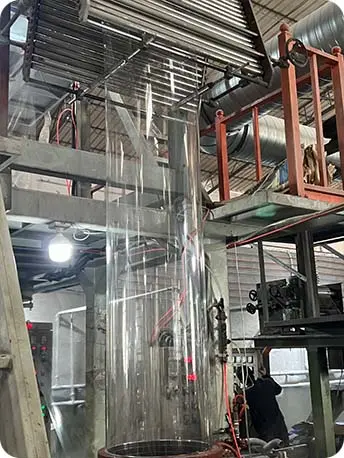
Evaluating mechanical characteristics, coefficient of friction, and shrink curves to maximize packaging line efficiency.
Industrial procurement teams must evaluate several physical properties of polymer films to prevent jams on high-speed lines. The critical metric is the Shrink Curve (expressed as percentage shrinkage vs. temperature). If the film shrinks too quickly, it can deform thin plastic products or create uneven seals. Conversely, if it shrinks too slowly, it can slow down packaging speeds, reducing daily production rates.
Another major technical factor is the Coefficient of Friction (COF). In automated packaging systems, slip control is essential. High COF films cause tracking problems and wrap failures, while low COF films can make finished pallets unstable during transit. High-quality POF films are formulated with precise amounts of slip and anti-block additives to maintain a stable COF (typically between 0.2 and 0.3) across varying operating temperatures.
Ensures containment for multi-pack beverages and heavy industrial products during ocean transit and warehouse handling.
Maintains low haze (often less than 3%) and high gloss to present retail products cleanly on store shelves.
Controlled cross-direction (CD) and machine-direction (MD) shrink ratios allow clean wrapping around complex shapes without wrinkles.
Tailored material designs optimized for food safety, chemical packaging, and logistics stability.
Every industry faces unique packaging challenges. For example, the Food and Beverage sector requires packaging materials that comply strictly with FDA, EC, and RoHS standards to prevent chemical migration. Low-temperature POF shrink wrap is highly effective here, sealing quickly to protect temperature-sensitive food products from heat damage inside the shrink tunnel.
For Heavy Machinery, Construction Materials, and Bulk Logistics, standard films are not strong enough. Heavy-duty PE shrink wraps are designed to withstand high puncture forces and UV exposure. These films provide excellent load stabilization, replacing bulky cardboard boxes and wooden pallets to reduce total shipping weights and volume.
Using non-toxic, multi-layer POF and OPP heat seal films to extend food shelf life, preserve flavors, and maintain package integrity on high-speed production lines.
Heavy-duty, puncture-resistant PE shrink films protect industrial pallets and chemical drums against moisture, dust, and rust during outdoor storage.
High-gloss PVC and POF films with custom printing capabilities support promotional bundling, secure anti-tamper seals, and display clear product branding.
Innovating with smart packaging features, nano-clay reinforcements, and circular polymers.
The future of shrink film manufacturing relies on advanced material science. Researchers are studying nano-composite polymers that introduce nano-clays into the PE/POF matrix. This technique significantly improves oxygen and moisture barriers, allowing much thinner films to protect oxygen-sensitive items like meats and cheeses without requiring complex PVDC barrier layers.
Furthermore, smart packaging is becoming more common. Conductive inks, RFID tags, and printed QR codes are being built directly into shrink labels. This setup enables automated inventory tracking, protects against counterfeits, and lets consumers scan packages to verify product authenticity and environmental footprint.
How Zhongshan Tianchen New Materials ensures reliable global delivery and strict quality management.
Global supply chains require consistent quality and reliable delivery. Zhongshan Tianchen New Materials Co., Ltd. manages a complete compliance framework that covers material testing from raw polymer resins to finished film rolls. Our operations are fully certified under ISO 9001:2015, and all food-contact materials meet FDA and European Union safety regulations.
To support overseas procurement, we offer customized logistics options, including moisture-proof sea cargo packaging, rust-inhibiting pallet wraps, and flexible shipping schedules. By partnering with top international shipping firms, we guarantee safe, on-time delivery of shrink film rolls directly to your factory floor.
Common questions from procurement managers and engineers about shrink film selection, storage, and processing.
Explore our specialized shrink films, high-durability labels, and low-temperature sealing solutions.
 Tianchen Materials