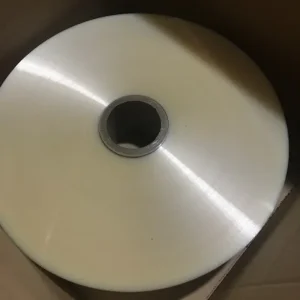
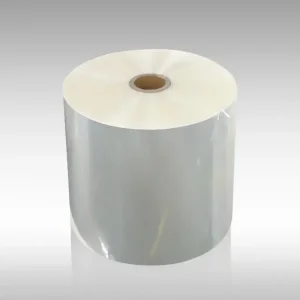
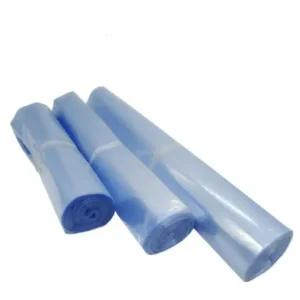
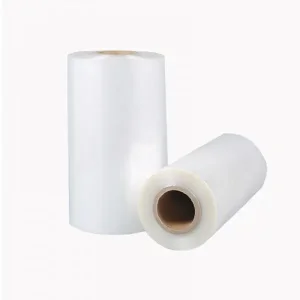
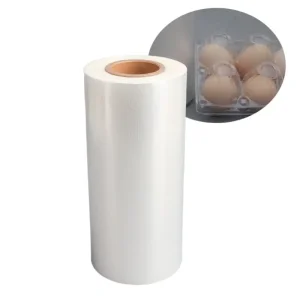
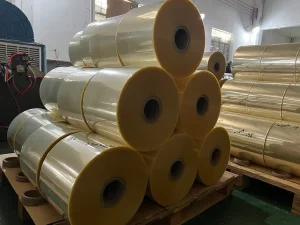
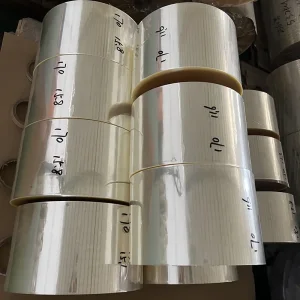
Premium factory-direct shrink films engineered for high tensile strength and superior clarity
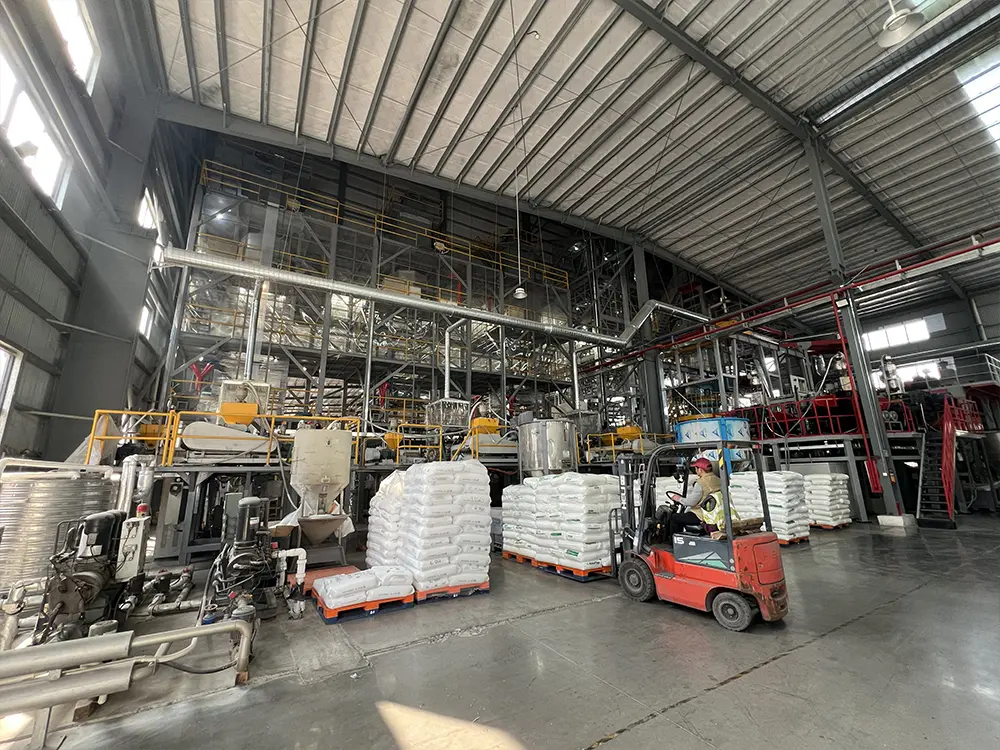
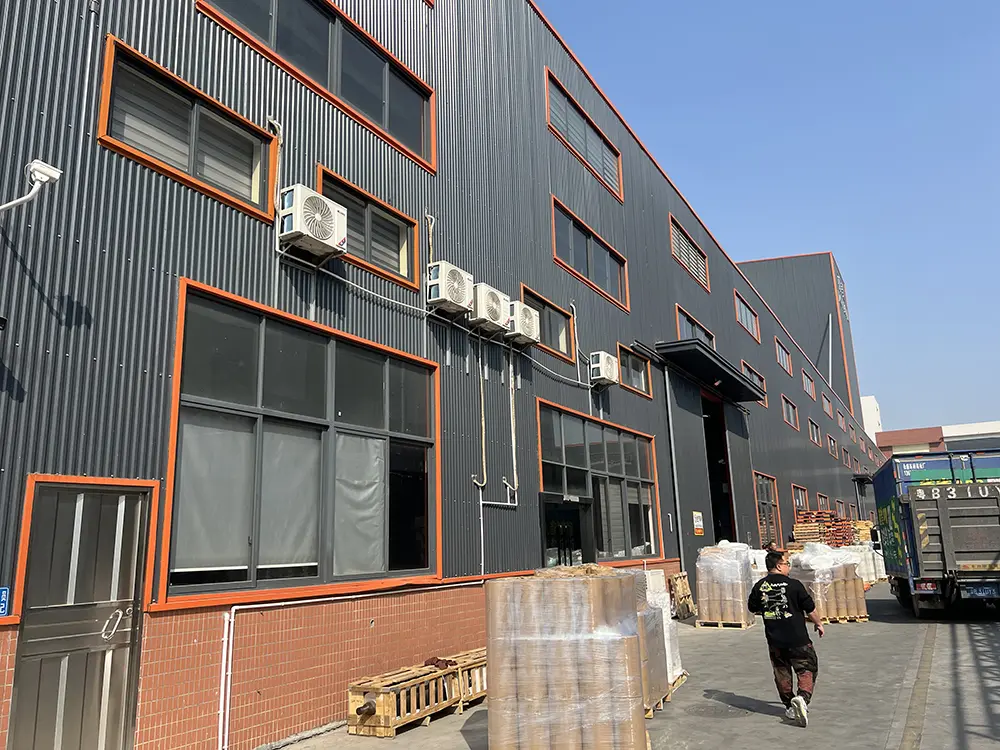
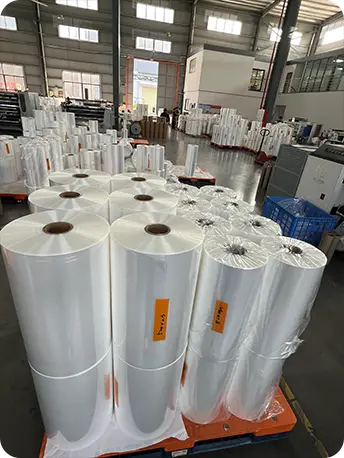
Established on the foundation of extensive industry experience, Zhongshan Tianchen New Materials Co., Ltd. serves as a comprehensive, state-of-the-art packaging material procurement platform. Backed by more than 20 years of experience in the film packaging industry, we resolve global procurement bottlenecks through rigid quality systems and deep supply chain integration.
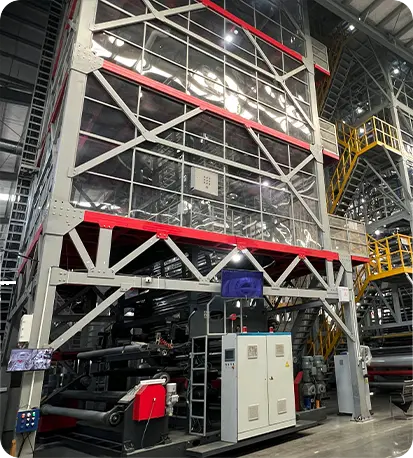
Driven by a relentless commitment to resource integration and customer demands, we produce, customize, and deliver premium thermoplastic solutions. Our manufacturing facilities utilize advanced multi-layer co-extrusion technology, ensuring that our films comply with strict international regulatory regimes.
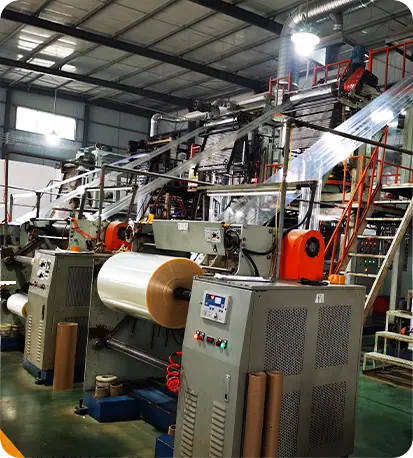
At Tianchen, we host professional production, engineering, and sales departments where quality control is deeply ingrained. Our modern, ISO-compliant quality control management systems guarantee that all products conform to exact mechanical and dimensional properties. We continuously innovate to improve shrink ratios, lower sealing temperatures, and boost tear resistance for automated packing machines.
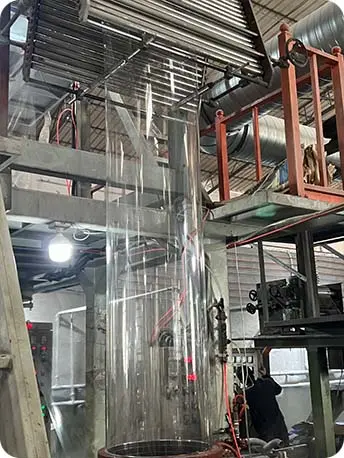
We operate as a global partner for high-barrier heat shrink films, specialized protective labeling, and custom specifications. From high-clarity PVC shrink sleeves to eco-friendly POF shrink alternatives and heavy-duty PE bundling wrap, our one-stop integration simplifies compliance, logistics, and quality assurance.
In-depth analysis of materials chemistry, performance physics, and industrial optimization strategies
Polyvinyl Chloride (PVC) shrink film remains a foundational material in the global packaging portfolio due to its unique chemical properties. Synthesized through the polymerization of vinyl chloride monomer, PVC is natively rigid. By incorporating specialized, non-phthalate plasticizers and heat stabilizers during compounding, manufacturers produce highly flexible films that respond predictably to thermal stimulation.
During the extrusion phase, PVC is oriented—stretched under precise thermal profiles in either mono-axial or bi-axial directions. When exposed to heat again (typically via a shrink tunnel or heat gun), the internal molecular chains seek to return to their natural, relaxed state. This relaxation produces a controlled shrink force, enveloping products with tight, glass-like clarity.
Selecting the ideal shrink polymer requires balancing mechanical stress, temperature tolerances, and economic factors. The table below highlights the comparative properties of PVC against alternative thermoplastic films:
| Polymer Type | Shrink Temp Range (°C) | Max TD Shrinkage (%) | Clarity & Gloss | Tensile Strength (MPa) | Common Applications |
|---|---|---|---|---|---|
| PVC (Polyvinyl Chloride) | 80 - 130 | 58% | Excellent (Glass-like) | 45 - 60 | Cap seals, batteries, book sleeves, cosmetics packaging |
| POF (Polyolefin) | 120 - 170 | 60% - 70% | Very High | 80 - 110 | Food trays, multi-packs, retail carton sealing |
| PE (Polyethylene) | 150 - 200 | 30% - 40% | Translucent / Low | 15 - 25 | Heavy beverage crates, industrial pallet wrapping |
| PETG (Polyester Glycol) | 75 - 95 | 75% - 80% | Premium / Brilliant | 70 - 85 | Full-body contour labels, high-end beverage cans |
For global procurement officers, importing packaging materials from China requires verifying more than unit costs. High-volume automated packaging systems demand consistency across film thickness, roll winding tension, and slip coefficient. Variations in raw resin quality can lead to issues like split film seams in the heat tunnel, wrinkling on sharp edges, and film brittleness in cold-storage environments.
Zhongshan Tianchen addresses these challenges through rigorous process controls. Our PVC formulations use high-grade polymer resins integrated with anti-UV blocks and slip agents. This keeps the coefficient of friction (COF) below 0.35, allowing fast roll processing on automatic wrapping machines.
Every production batch undergoes thickness profile mapping and shrink-force testing to prevent processing disruptions.
Full tracking codes from raw resin supplier to final slit roll ensures material reliability and swift quality resolution.
Manufactured using REACH and RoHS compliant stabilizers, eliminating hazardous heavy-metal outgassing during sealing.
Aligning manufacturing capabilities with evolving environmental standards and high-speed automation demands
Material science trends focus on downgauging thickness without compromising puncture resistance. Our 15-micron formulations reduce plastic waste by up to 25% while maintaining the mechanical strength of traditional 20-micron films.
Our PVC film is engineered with balanced shrinkage profiles to prevent edge-curling or box distortion in high-speed, automated heat tunnels.
Specifically designed to resist degradation from oils, alcohol, and mild solvents, making our films ideal for cosmetics, chemical, and household product bundling.
Our specialized surface treatment minimizes static buildup, preventing packaging material from sticking to sealing blades or conveying equipment.
As an established industry partner, Zhongshan Tianchen continuously updates our manufacturing technologies to meet changing global standards. With evolving global regulations regarding halogenated plastics, our research team is developing non-phthalate plasticizers and bio-sourced PVC raw materials to reduce the environmental footprint.
Every shipment of PVC resin undergoes gelation testing, molecular weight distribution analysis, and purity checks to prevent contaminants from causing film defects.
Using real-time gauge adjusters, we maintain thickness tolerances within ±5%. This consistency prevents burned-through holes during high-temperature sealing.
Slitting takes place in temperature-controlled, clean rooms. This prevents static charge from trapping dust particles between film layers, ensuring high optical clarity for the retail shelf.
Expert insights on troubleshooting, optimization, and material selection for international buyers
Specialized packaging films, low-temperature shrink wraps, and heat-sealable films for global industrial applications
Optimize your production throughput, reduce material consumption, and find the right thermoplastic solution for your market.
Request Technical Samples & Quotation Tianchen Materials