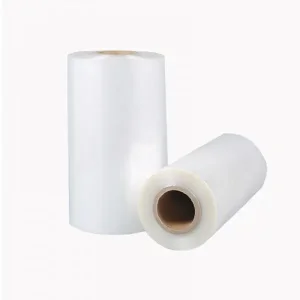
Explore our top-performing industrial PVC & specialized shrink films engineered for high-speed wrapping machinery.
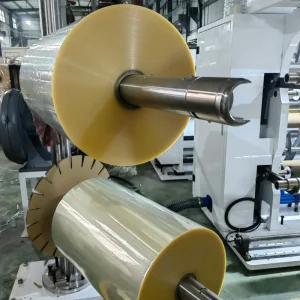
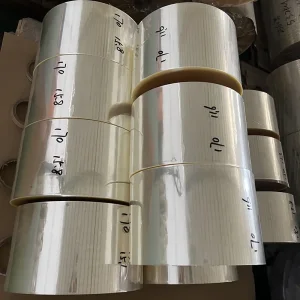
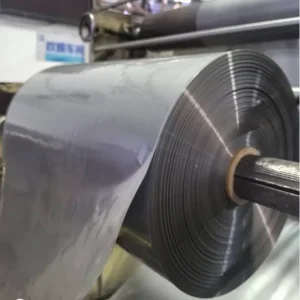
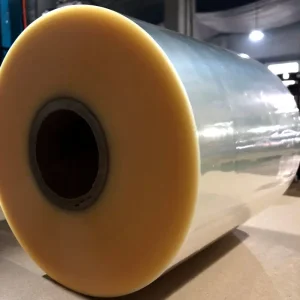
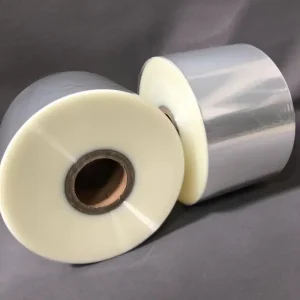
In modern industrial manufacturing, packaging efficiency acts as a core metric for competitiveness. The search for a reliable China PVC wrapping machine manufacturer represents a buyer's ultimate goal to secure high-performance, automated machines integrated with precise polymer wrapping materials. The dynamics of international trade have shifted; global buyers no longer just purchase separate machines or materials. Instead, they demand an integrated ecosystem where machinery capabilities perfectly match the thermal behavior of the PVC wrap, POF shrink film, or OPP heat-seal layers.
Global demand centers, from FMCG plants in Western Europe to pharmaceutical assembly lines in North America, require systems capable of continuous 24/7 cycles. The stability of packaging lines relies heavily on mechanical components—such as automatic L-bar sealers, high-speed continuous motion side sealers, and dynamic heat shrink tunnels—interacting with films of varying gauges, shrink rates, and friction characteristics.
Today, the global packaging market is characterized by three major structural shifts:
How modern extrusion technology and machine calibration ensure flawless performance.
Multi-layered co-extrusion technology controls gauge variation within ±3%. This prevents tear and burn-through during high-speed wrapping operations.
By balancing transverse direction (TD) and machine direction (MD) shrinkage profiles, we prevent pack deformation, ensuring retail-ready presentations.
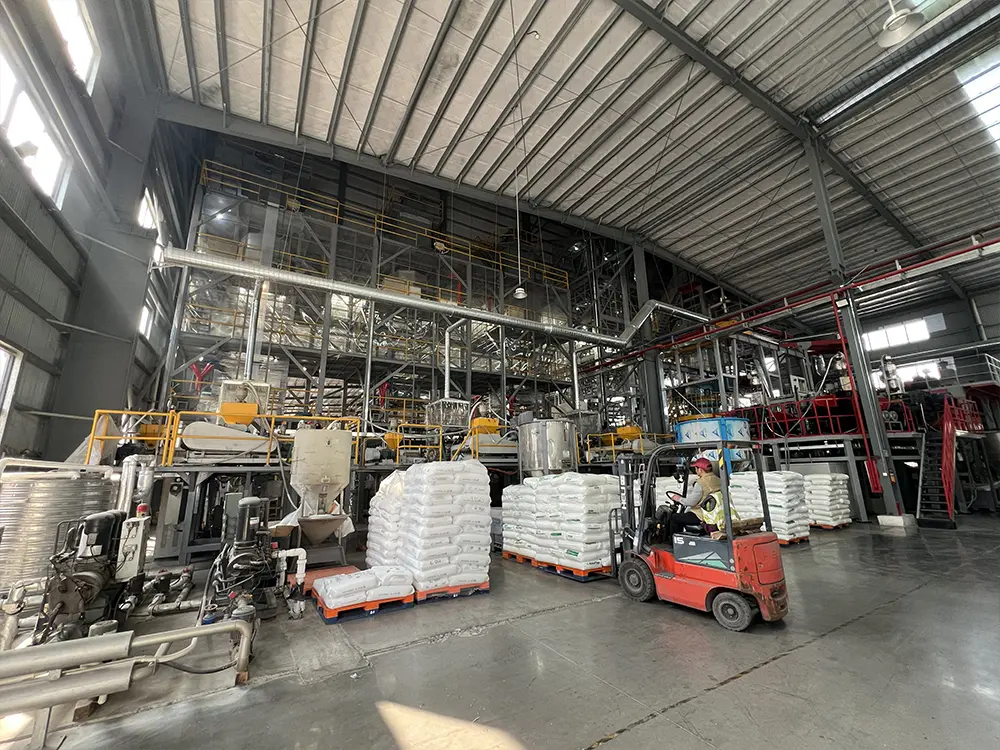
Our centralized manufacturing ecosystem minimizes lead times. It guarantees consistent material feeds that reduce downtime in high-volume production plants.
Zhongshan Tianchen New Materials Co., Ltd. – Your One-Stop Packaging Material Procurement Platform.
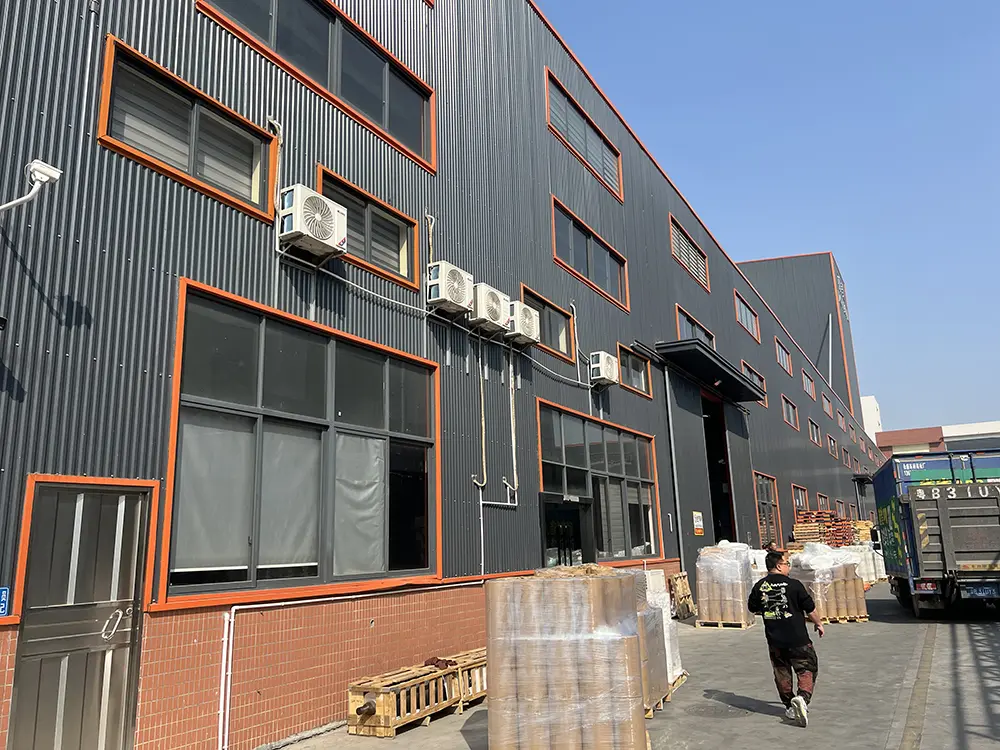
Zhongshan Tianchen New Materials Co., Ltd. is a comprehensive packaging procurement hub built on more than 20 years of expertise in film extrusion, material sciences, and wrapping efficiency optimization. Established on a foundation of extensive industry experience, Tianchen is driven by a commitment to resource integration and addressing customer needs, ensuring that it offers the finest solutions for diverse wrapping and shrink packaging requirements.
At Tianchen, We have professional production, research and development, and sales teams, meaning quality control is taken very seriously. Our modern quality control system ensures all products meet strict global customer standards. Combined with large-scale production capabilities, this has earned us significant trust worldwide. Our experienced professionals continuously innovate to improve product offerings, ensuring we always deliver top-tier performance to our clients.
Whether you need eco-friendly heat shrink films or durable labeling solutions, Tianchen is here to provide the best in the industry.
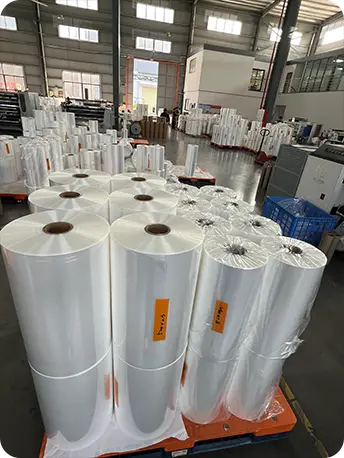
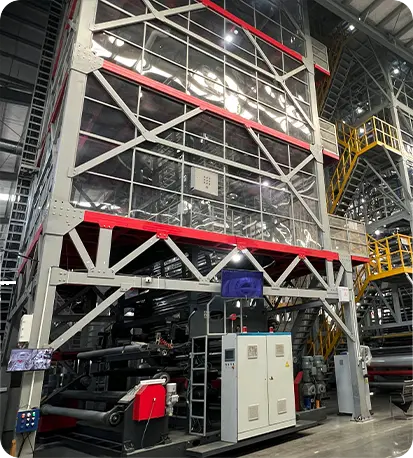
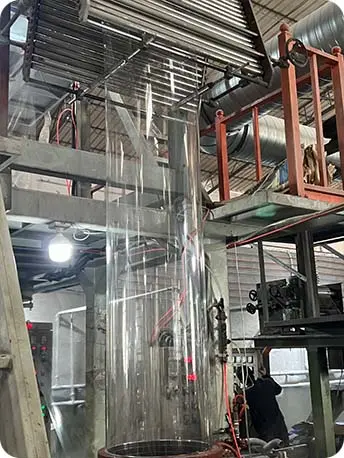
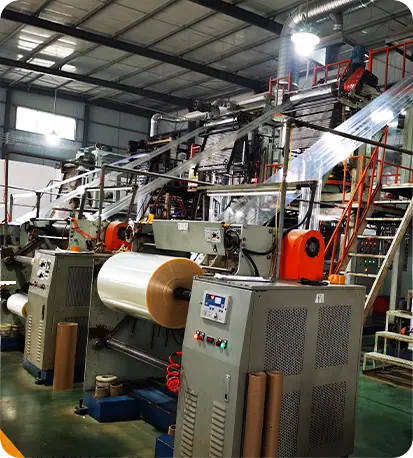
The interaction between a PVC wrapping machine and the shrink film roll is governed by precise thermodynamic principles. Procurement managers often face issues like film splitting, seal failure, or dog-ears (un-shrunk corners). Understanding how polymer structure matches machine settings is key to solving these challenges:
PVC (Polyvinyl Chloride) is highly regarded for its low glass transition temperature. It shrinks cleanly at around 110°C to 130°C. In contrast, Polyolefin (POF) and Polyethylene (PE) require higher tunnel temperatures ranging from 140°C to 170°C. Automatic wrapping lines must adjust air flow velocities and temperatures to match the target film's profile. Running PVC through a tunnel configured for PE without adjustment causes instant melt-through and system blockages.
The thickness and composition of the film dictate the sealing jaw type:
For high-output packaging lines, the film's Coefficient of Friction (COF) determines how smoothly it moves through the machine’s metal forming collars. High-slip films (low COF) prevent jamming, keeping throughput consistent. Zhongshan Tianchen designs its films with specific slip additives. This guarantees smooth feeding through both vertical and horizontal form-fill-seal (HFFS/VFFS) systems.
Understanding different regional applications is essential for global buyers sourcing packaging materials:
Wine capsule machines require films with precise transverse contraction and zero longitudinal distortion. This keeps the printed brand graphics straight on the bottle neck. PVC shrink film is the industry standard for this application. It provides clean tear lines and a tight fit around complex closures.
Mosquito coils are highly fragile and require packaging that prevents vibration damage. High-tension PVC shrink film secures these coils without putting excessive stress on the delicate structure.
For heavy beverage cans and plastic bottles, PE (Polyethylene) shrink film is preferred. It offers superior tear resistance and high holding force, making it suitable for transporting heavy goods without cardboard trays.
Expert answers to common troubleshooting and procurement questions for shrink packaging systems.
Engineered for high-speed machinery, secure sealing, and excellent clarity.
 Tianchen Materials