High-durability, moisture-resistant, and high-clarity thermoplastic packaging options direct from verified production lines
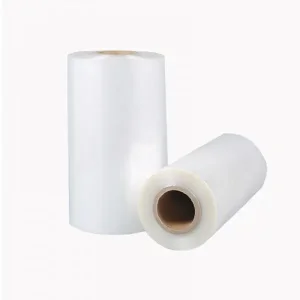
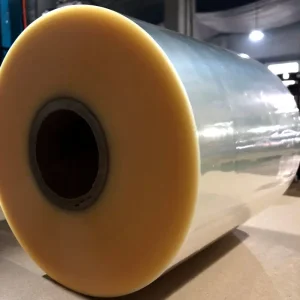
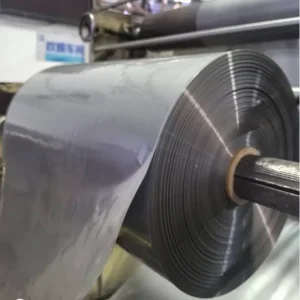
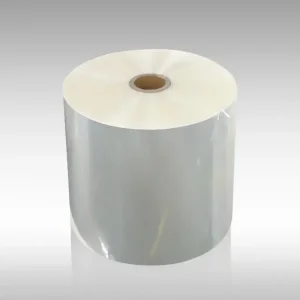
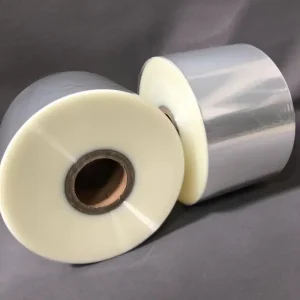
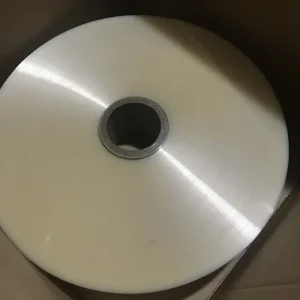
In modern industrial manufacturing and global retail chains, the PVC tag and film printing ecosystem acts as a critical link in the product lifecycle. Rigid and semi-rigid polyvinyl chloride (PVC) films represent some of the most versatile substrates for identification, branding, and structural sealing. Valued for their high thermal stability, outstanding chemical resistance, and ease of custom printing, PVC tags and films are globally preferred across the automotive, electronic, logistics, and beverage processing industries.
Industrial components and consumer products require durable labeling solutions that can withstand physical wear, chemical exposure, and intensive UV radiation. The integration of PVC shrink films and printed tags ensures secure packaging while offering unparalleled aesthetic clarity. Historically, traditional paper tags and basic polyethylene packaging proved inadequate under harsh logistical circumstances. PVC substrates solve these paint-points through their unique formulation, which supports sharp rotogravure and flexographical printing profiles.
For B2B procurement managers and packaging engineers, matching the correct thermoplastic substrate to the application is vital for performance and cost-efficiency. Choosing the wrong substrate can result in structural failure, weak heat sealing, or warped prints.
| Polymer Substrate | Common Printing Method | Standard Shrinkage Rate | Key Advantages | Primary Application Areas |
|---|---|---|---|---|
| PVC (Polyvinyl Chloride) | Rotogravure, Flexo, Digital | 40% - 63% TD | High stiffness, excellent clarity, low heat requirement | Wine caps, printed sleeve labels, custom tags |
| POF (Polyolefin) | Flexo, Gravure | 60% - 75% TD & MD | Eco-friendly, highly flexible, cross-linked strength | Automotive, consumer goods bundle wrapping |
| PE (Polyethylene) | Flexographic | 20% - 40% TD | Exceptional tear resistance, thick gauge options | Heavy beverage trays, industrial pallets |
| OPP / CPP (Polypropylene) | Rotogravure | Negligible (Heat-Seal focus) | High clarity barrier, moisture barrier | Food pouches, confectionery, packaging bags |
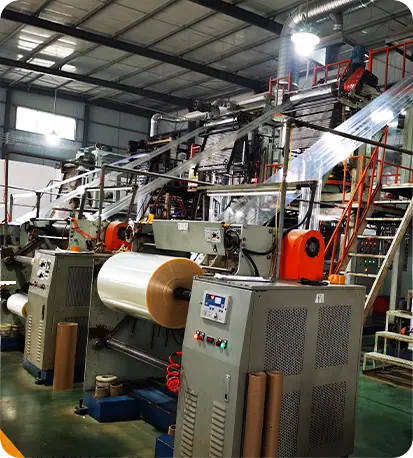
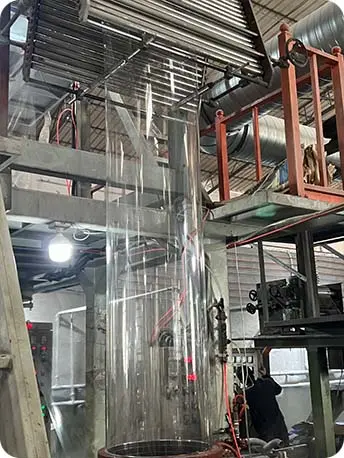
China's industrial dominance in the PVC film extrusion and tag printing sector is built on advanced manufacturing pipelines, chemical supply integration, and strict quality control standards. Leading facilities like Zhongshan Tianchen New Materials Co., Ltd. utilize multi-layer co-extrusion machinery, allowing for precise control over film thickness down to the micrometer level.
Our domestic processing networks in China leverage raw polymer materials directly from integrated domestic refineries. This reduces raw material pricing volatility and guarantees consistent batch-to-batch polymer density. By using automated optical detection systems during the printing and winding phases, China-based factories can easily identify micro-holes, printing registration issues, and thickness deviations in real time. This ensures that the final products conform perfectly to both local and international testing standards (such as REACH and RoHS).
In the current global economic landscape, sourcing specialists must balance technical specifications with environmental compliance. The European Union, North America, and parts of Asia have instituted strict guidelines regarding the recycling loops of packaging films. For instance, modern PVC tag formulations are engineered with lower density values to facilitate cleaner separation during the PET recycling floatation process.
Additionally, purchasing agents prioritize suppliers that provide detailed technical data sheets (TDS) containing information on tensile strength (MD/TD), elongation at break, and coefficients of friction. By sourcing directly from a vertically integrated packaging supplier in China, global buyers can secure custom formulations tailored to their automated packing equipment, avoiding common issues like line jams or split seals.
Exploring how different industries leverage custom-formulated PVC and polyolefin materials for branding and structural protection
Highly printed shrink sleeves wrap 360 degrees around complex bottle contours, offering premium brand presence. PVC cap seals protect high-value spirits and wine bottles from unauthorized opening and tampering.
Tough PE shrink wraps securely bundle heavy multi-pack beverage cartons and mechanical parts. This wrap configuration forms a tight, puncture-resistant barrier that protects items during long ocean transit.
Low-temperature POF shrink packaging forms a snug fit around delicate components and replacement parts, shielding them from humidity, salt spray, and scratches during logistics operations.
Zhongshan Tianchen New Materials Co., Ltd. is a premier one-stop packaging material procurement platform, established on a foundation of more than 20 years of experience in the film packaging industry. Our company is driven by a deep commitment to resource integration, and we specialize in tailoring structural and branding solutions for complex packaging challenges.
At Tianchen, quality control is central to our operations. Our professional production, research and development, and sales teams enforce a modern, rigorous quality control framework. This ensures that every roll of PVC, POF, PE, or OPP film leaving our warehouse matches our client's exact requirements. Our large-scale production facilities and experienced specialists continuously work to innovate and improve our product offerings, earning us the long-term trust of customers worldwide.
In a competitive marketplace, Tianchen stands out as a reliable partner for your custom packaging requirements. From custom PE shrink wraps for heavy products to durable, UV-resistant PVC tags and labels, we combine decades of industry expertise with a passion for quality and customer satisfaction.
The global industrial printing market is moving rapidly toward functional integration. Future PVC tags will do more than carry brand logos—they will also embed interactive properties like temperature-indicating colors, anti-counterfeiting ink patterns, and near-field communication (NFC) chips.
As counterfeit goods become more common worldwide, manufacturers are demanding advanced security features on tags and caps. High-precision PVC shrink sleeves can now be printed with microscopic UV-fluorescent codes, holographic strips, or custom thermochromic pigments. When heated or viewed under UV light, these indicators confirm the authenticity of the item.
Traditional shrink tunnels require high operating temperatures, which increases factory energy costs and risks damaging heat-sensitive products inside the packaging (such as pharmaceuticals or dairy). Our R&D team is focused on low-temperature shrink formulations that activate quickly at lower heat levels, saving energy without compromising structural performance.
Get technical and commercial answers directly from our film processing and printing engineers
PVC is highly stiff and easy to tear along clean perforations, making it ideal for cap seals, security bands, and contour-hugging label applications. Additionally, PVC requires lower shrinking temperatures than POF, which helps prevent heat-induced damage to delicate container materials.
Yes, we can customize the shrinkage profile during extrusion. Depending on your packaging design, we can adjust the transverse direction (TD) shrink ratio from 40% to over 60%, while keeping the machine direction (MD) shrinkage under 3-5% to prevent design distortion.
We run high-speed rotogravure printing presses equipped with computer-controlled camera detection systems. These systems monitor color registration and print alignment in real time, keeping printing defects to less than 0.1% across bulk orders.
Yes, we use industrial-grade, UV-resistant, and oil-proof inks. These formulations are designed to withstand physical rubbing, condensation, and chemical exposure, ensuring labels remain legible during transport and outdoor storage.
For custom-printed PVC films or tags, the manufacturing process—including design proofing, cylinder engraving, printing, and slitting—usually takes 14 to 21 working days after design sign-off.
Absolutely. We wind our films onto uniform cores with controlled tension and friction levels, ensuring smooth feed rates and trouble-free performance on automated labeling, cap-sealing, and bundling lines.
Transparent insights into our daily production workflow, product testing, and packaging storage setups
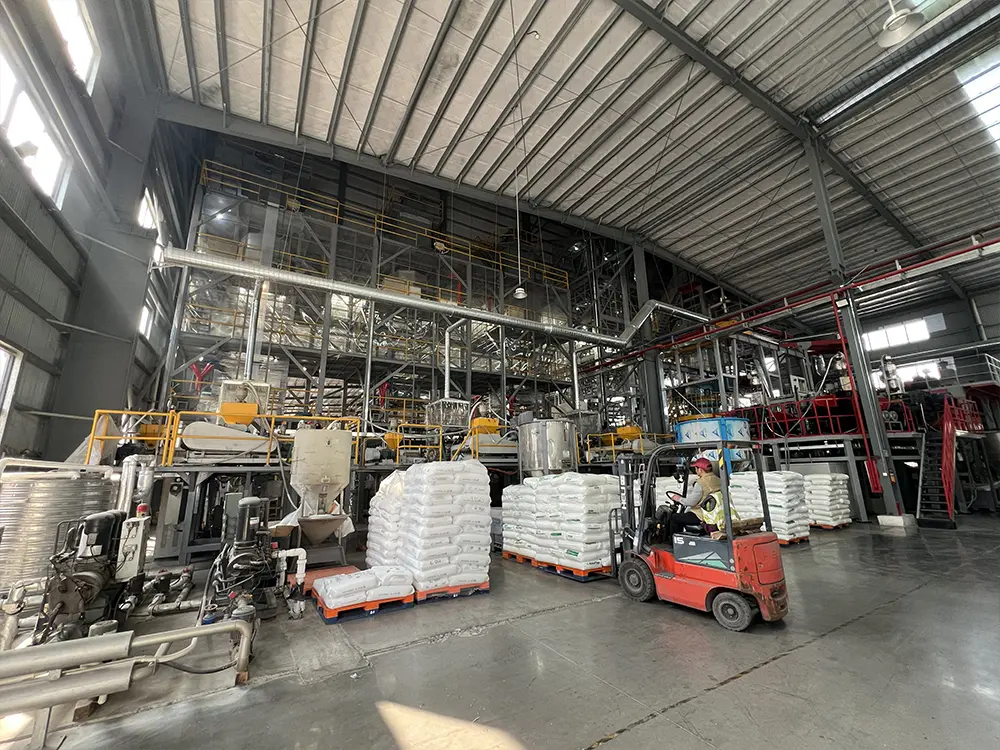
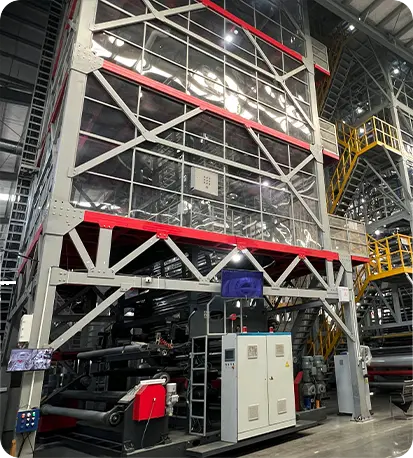
High-speed film blowing and extrusion line setup
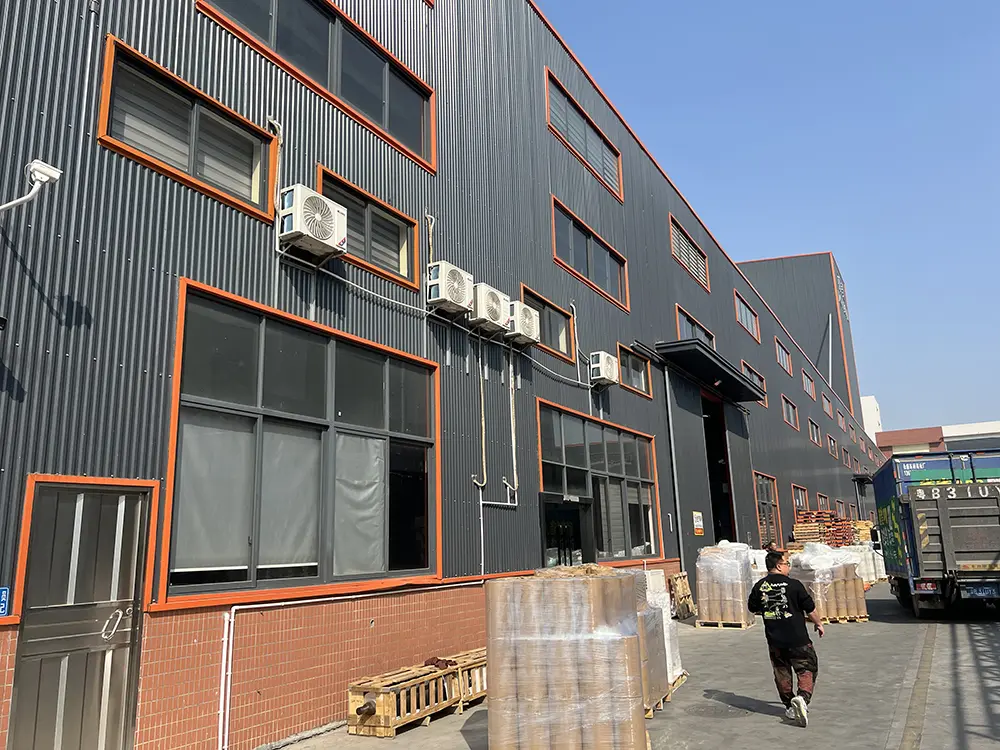
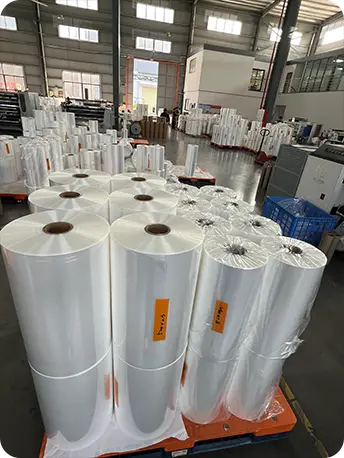
Slitting, inspection, and inventory staging area
Explore our line of lightweight, high-strength shrink wraps and barrier films for food, logistics, and retail packaging
 Tianchen Materials