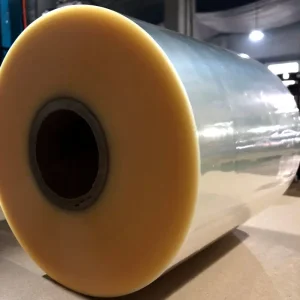
Explore our top-tier selection of industrial-grade transparent PVC, POF, and OPP films manufactured under stringent quality protocols.
Zhongshan Tianchen New Materials Co., Ltd. stands as a premier, integrated procurement hub specializing in high-performance polymer film packaging solutions. Leveraging over 20 years of technical expertise in development, production, and distribution, we resolve complex packaging challenges for global enterprises.
Our operation integrates robust industrial production with highly specialized quality assurance checks. Guided by market intelligence and customer demands, we supply eco-conscious, chemically stable, and physically durable films designed to enhance packaging efficiency across diverse sectors.
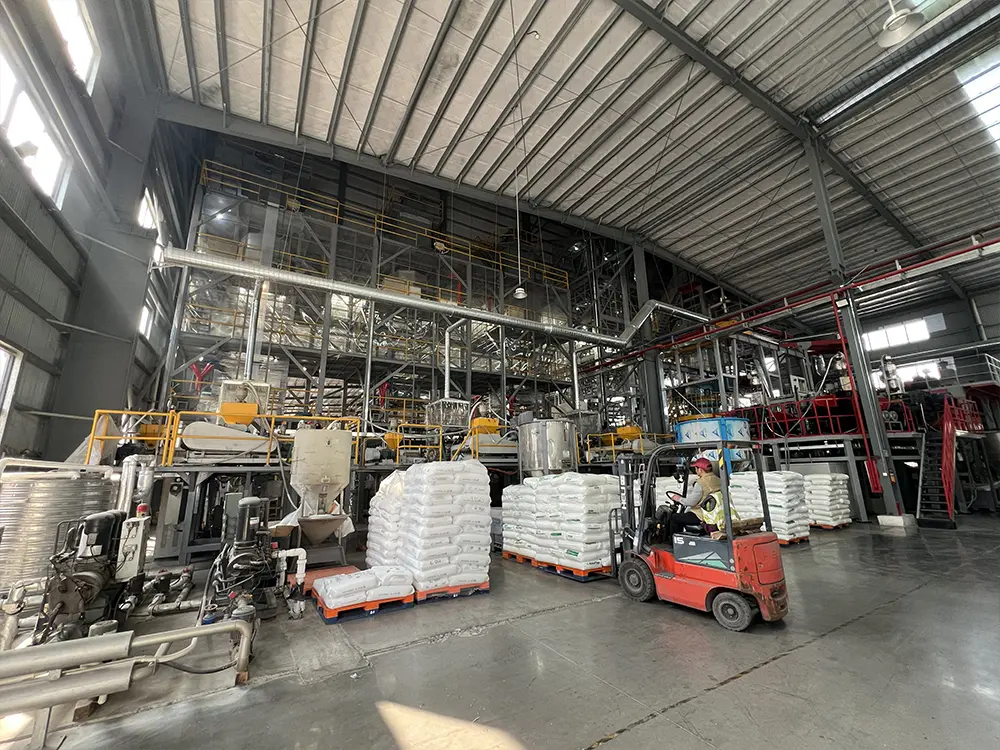
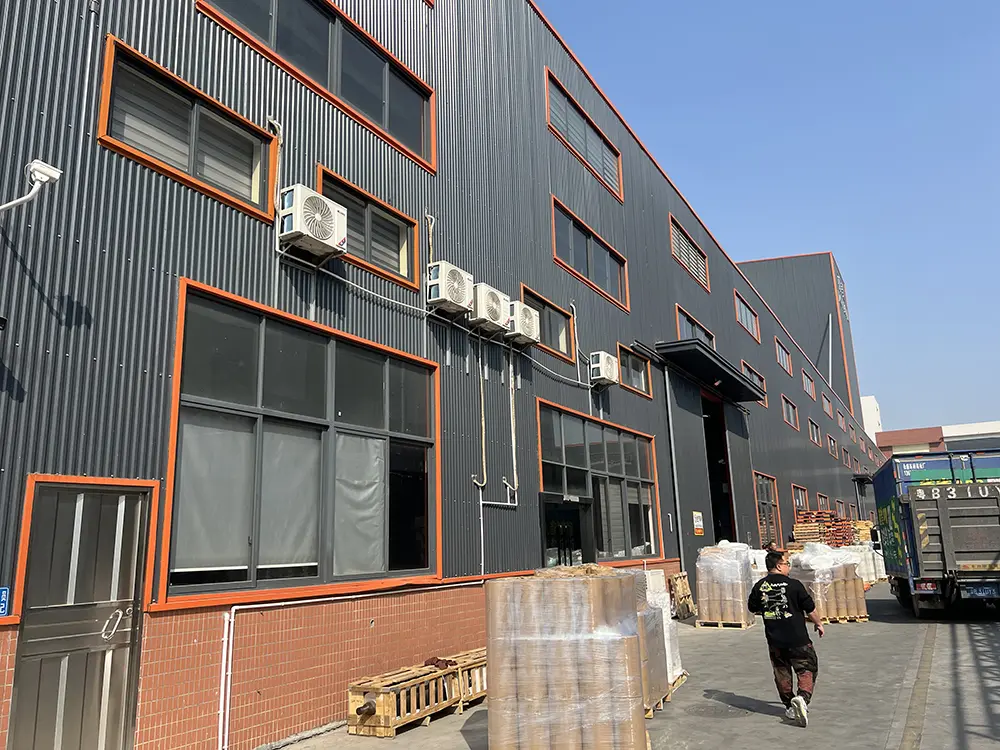
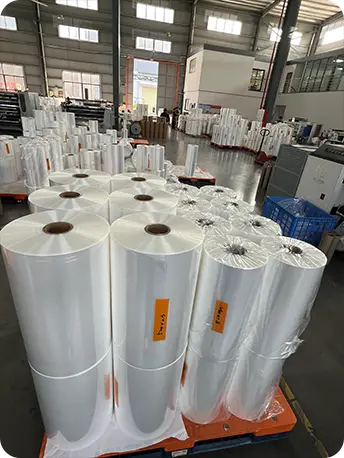
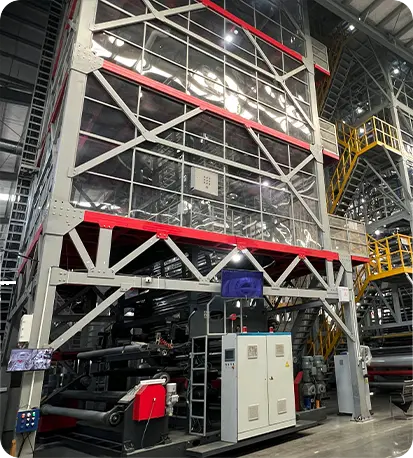
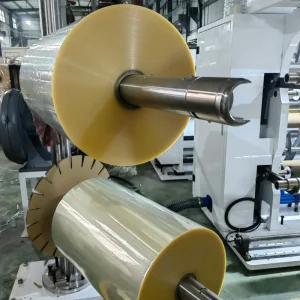
Tianchen integrates raw material sourcing, automated processing, and scientific quality controls to deliver consistent products.
At Tianchen, our production, research and development, and sales teams enforce rigorous quality control. The modern QC system integrated into our production floor verifies that all polymer films conform to global mechanical and optical standards. Our engineers continuously innovate to refine formulation profiles and increase shrink efficiency.
Zhongshan Tianchen New Materials Co., Ltd. serves as an end-to-end supplier. We maintain a reliable logistics and inventory structure that covers diverse application needs. From food-grade POF to chemically resistant PVC shrink sleeves, our clients receive custom configurations tailored to their production parameters.
Our operations are designed around global regulatory compliance. We formulate our transparent polymer films in adherence to international standards like REACH, RoHS, and food-grade safety directives. This ensures that every shipment integrates seamlessly into automated manufacturing networks worldwide.
An analytical evaluation of global supply chains, economic fluctuations, and the strategic positioning of Chinese polymer manufacturers.
The global polymer packaging industry is undergoing rapid changes driven by supply chain shifts, regulatory updates, and evolving consumer demands. Clear PVC (Polyvinyl Chloride) films, along with advanced alternatives like POF (Polyolefin) and OPP (Oriented Polypropylene), remain essential in modern logistics and retail presentation. Globally, market demands are polarizing: high-growth sectors require exceptional optical clarity and puncture resistance, while mature markets demand strict environmental and chemical safety standards.
Over the past decade, China has established a highly integrated industrial ecosystem for plasticizer syntheses, polymer extrusion, and downstream conversions. As a leading manufacturer in this hub, Zhongshan Tianchen New Materials Co., Ltd. leverages direct channels to high-purity PVC suspension resins, ensuring stable batch consistency. By manufacturing locally in Guangdong, we optimize transportation routes, reduce logistics lead times, and shield global distributors from price volatility in upstream petrochemical markets.
Global regulatory developments, such as the European Union’s Packaging and Packaging Waste Regulation (PPWR) and US EPA updates, are changing how transparent films are manufactured. Forward-thinking companies are shifting focus from simple cost reduction to lifetime lifecycle performance. This includes minimizing film gauges to reduce overall plastic use, developing low-temperature shrink profiles to lower energy consumption in heat tunnels, and ensuring films are compatible with modern sorting and recycling workflows.
A comparative technical analysis of mechanical, thermal, and optical behaviors across transparent film categories.
| Polymer Variant | Common Thickness Range (μm) | Shrinkage Ratio (TD / MD %) | Haze Rating (%) | Tensile Strength (MPa) | Primary Industrial Use Cases |
|---|---|---|---|---|---|
| PVC (Polyvinyl Chloride) | 15 – 70 | 40% – 55% / 10% – 25% | < 1.5% | 45 – 65 | Wine bottle capsules, retail bundle wraps, protective sheaths, mosquito coils. |
| POF (Polyolefin - Multi-layered) | 10 – 25 | 60% – 70% / 60% – 70% | < 1.0% | 90 – 130 | High-speed food machinery wrapping, multi-pack retail goods, egg cartons. |
| Cross-Linked POF | 12 – 25 | 70% – 80% / 70% – 80% | < 0.8% | 120 – 160 | Irregularly shaped components, heavy-duty electronics, high-gloss retail products. |
| OPP (Oriented Polypropylene) | 20 – 50 | Minimal Shrinkage (Heat-Sealable) | < 2.0% | 110 – 180 | Flow-pack food lines, bakery items, daily necessities, adhesive-based labeling. |
Choosing the right film formulation depends on the physical demands of your product and packaging line. PVC remains a preferred material for high-fidelity sleeve printing and localized directional shrinking (high TD, low MD) due to its amorphous molecular structure. Its lower processing temperature prevents heat damage to sensitive products underneath during shrink-tunnel passage.
In contrast, POF is semi-crystalline, providing superior puncture resistance and tensile strength. Biaxially oriented during extrusion, POF shrinks uniformly in both directions (transverse and machine directions). This uniform shrink is ideal for structural packaging where stability is key. OPP is highly crystalline and stretched unidirectionally or biaxially, making it stable under heat while offering excellent moisture barriers—essential features for automated, high-speed flow-wrapping equipment.
How our tailored film formulations optimize line performance and product protection across major global industries.
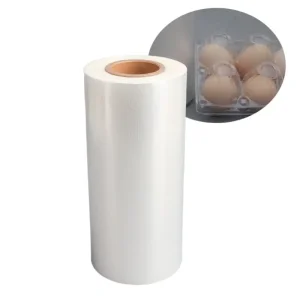
In automated food packaging, including egg and fresh produce lines, moisture buildup can lead to mold and spoilage. Our hot perforated POF shrink films are engineered with precise micro-perforations. These allow moisture to escape while maintaining the structural tension of the shrink wrap, keeping food items fresh and protected throughout distribution.
Tamper-evident seals are standard requirements in the beverage industry. Our high-gloss PVC shrink caps and sleeves are designed for high transverse direction (TD) shrinkage, enabling them to conform tightly to bottle necks of various shapes. The low longitudinal shrinkage ensures print designs remain clear and undistorted, presenting a clean brand image.
For household items like mosquito coils, packaging must block out moisture and atmospheric vapors to protect product integrity. Our high-barrier OPP heat-seal and PVC shrink films are formulated to resist environmental humidity and light oils, extending the shelf-life of retail products in humid and challenging climates.
For retail multi-packs, clarity and structural stability are key. Cross-linked POF films offer high tensile strength and puncture resistance. These films support heavier items like cosmetic bundles and multi-pack canned goods without tearing, reducing the need for bulkier outer corrugated shipping boxes.
Demonstrating our commitment to global chemical compliance and supply chain transparency.
Modern packaging materials must comply with strict international regulatory standards. At Zhongshan Tianchen New Materials Co., Ltd., we prioritize safety and compliance across our operations. We work closely with raw material suppliers to ensure all inputs are fully documented, traceable, and free of restricted substances.
The future of film extrusion: thinner profiles, bio-sourced inputs, and lower activation energy thresholds.
We continue to refine our multi-layer co-extrusion processes to produce thinner films with higher puncture resistance. By reducing film thickness from 15μm to 12μm or 10μm while maintaining tensile strength, we help clients reduce total material usage, lower transportation weights, and minimize their overall environmental footprint.
Our R&D team is working on modifying copolymer blends to lower the initial shrink temperature. Lowering the activation threshold allows packaging lines to run heat tunnels at reduced temperatures or higher speeds, saving energy and preventing heat transfer to temperature-sensitive products like chocolates, dairy, or pharmaceuticals.
To meet the visual requirements of fresh food displays, we incorporate internal anti-fog additives into our polyolefin blends. These additives migrate to the film surface to disperse condensed moisture droplets into a continuous micro-thin transparent layer, preventing condensation and keeping products clearly visible.
Technical answers to common questions about film selection, processing parameters, and logistics.
High-clarity, high-yield formulations designed for automated packaging lines and high-performance applications.
 Tianchen Materials