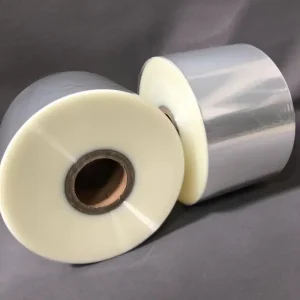
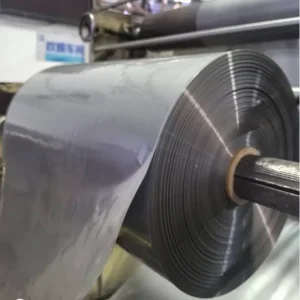
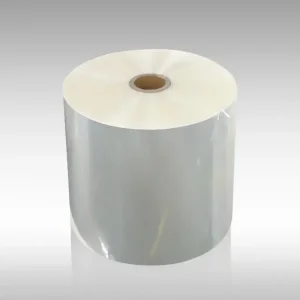
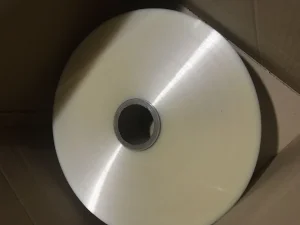
Explore our industrial grade polypropylene and PVC solutions designed for demanding packaging workflows.
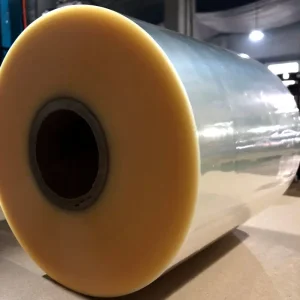
Cast Polypropylene (CPP) film represents a cornerstone technology in the modern flexible packaging sector. Unlike biaxially oriented polypropylene (BOPP), where the polymer is stretched in both machine and transverse directions, CPP is manufactured via a non-oriented cast extrusion process. This yields a material that offers superior heat-seal strength, exceptional optical clarity, and highly customizable mechanical and barrier profiles.
The physical properties of CPP are governed primarily by the choice of polymer resin (homopolymers, random copolymers, or block terpolymers) and the crystallization kinetics achieved on the cast line's chill rolls. Fast quenching of the polymer melt on chrome-plated chill rolls minimizes large spherulitic crystal formations, which is essential to achieving maximum haze reduction and top-tier optical clarity.
Selecting the ideal flexible packaging substrate requires a quantitative understanding of mechanical and physical attributes. The table below details key performance metrics across common barrier configurations:
| Physical Parameter | Homopolymer CPP | Copolymer CPP | BOPP (Oriented) | LLDPE (Blown) |
|---|---|---|---|---|
| Tensile Strength (MD, MPa) | 35 - 45 | 28 - 38 | 120 - 160 | 20 - 30 |
| Seal Initiation Temp (SIT, °C) | 125 - 135 | 110 - 120 | 105 - 115 (Coated) | 95 - 110 |
| Elongation at Break (MD, %) | 400 - 600 | 500 - 700 | 120 - 180 | 600 - 800 |
| Haze (%) | 1.5 - 2.5 | 2.0 - 3.5 | 1.0 - 2.0 | 5.0 - 9.0 |
| MVTR (g/m²/24hr @ 38°C) | 6.0 - 8.0 | 8.5 - 10.5 | 4.0 - 5.5 | 12.0 - 15.0 |
Due to its high ultimate elongation, superior seal integrity, and excellent thermal stability, CPP serves as the critical sealable inner layer in complex laminate designs, such as PET/Alu/CPP or PET/AlOx/CPP structures, which are widely used for demanding applications like retort sterilization (up to 121°C or 135°C).
Years of Extrusion Expertise
Annual Tonnage Capacity (MT)
FDA & EU Compliant Materials
Global Export Destinations
A closer look at how local chemical integration, technological advancements, and industrial clusters deliver high-value CPP solutions globally.
Chinese CPP factories leverage close proximity to major petrochemical production bases, ensuring stable polymer resin supplies (such as copolymer PP with narrow molecular weight distributions) even during volatile market cycles.
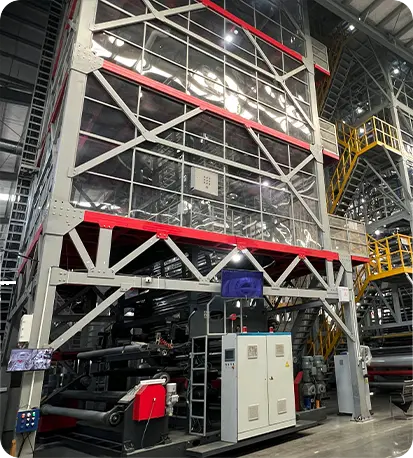
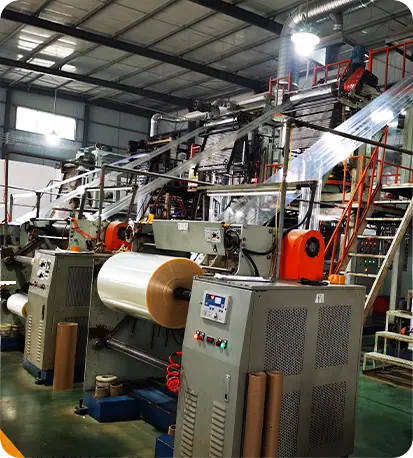
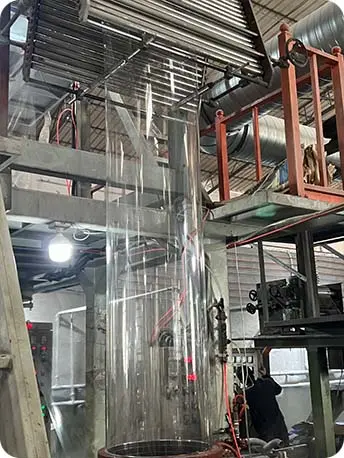
Our production facilities utilize modern multi-layer co-extrusion feedblocks (3-layer and 5-layer systems) coupled with automated thickness gauges. This guarantees web thickness variations under ±1.5% across the roll width.
Large-scale production lines run continuously to minimize energy-intensive startup cycles. This operational setup allows us to offer premium, industrial-grade films at highly competitive price points.
China's role in the global packaging value chain has transitioned from a low-cost bulk supplier to an innovation hub for technical films. By focusing on advanced formulation engineering (such as developing ultra-low SIT skin layers using metalocene-catalyzed plastomers), leading Chinese manufacturers like Zhongshan Tianchen produce films that match or exceed the performance of traditional European and North American suppliers.
When international procurement teams source packaging materials from China, regulatory compliance and technical service localization are critical elements for risk mitigation.
Regulatory Compliance Standards:
Technical Service & Local Support: Our engineers provide localized tech support, assisting customers with optimal machine settings (e.g., sealing jaw temperatures and pressure profiles on FFS packaging lines) to ensure hassle-free integration.
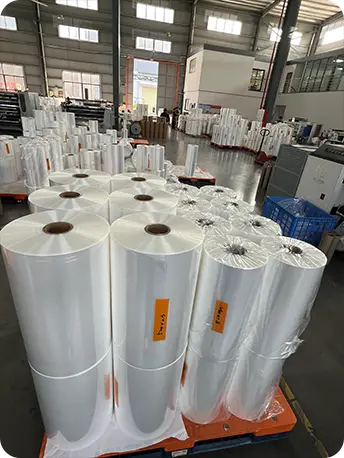
How CPP's versatile chemical structure is configured for various consumer and industrial packaging systems.
Specially modified block copolymer CPP films serve as the sealing layer in multi-layer retort pouches, designed to withstand high pressure and thermal processing temperatures up to 135°C.
By applying a high-purity aluminum deposition layer to a specially treated CPP substrate (MCPP), converting lines can produce light- and moisture-resistant packaging ideal for snack foods.
For fresh produce packaging, our specialized anti-fog additives lower surface tension, preventing condensation droplets from forming to maintain clear product visibility.
The global flexible packaging market is shifting rapidly toward circular economy principles. Historically, multi-material laminates like PET/PE or PET/Alu/PE offered high performance but were difficult to recycle. Today, the industry is transitioning to mono-material solutions that can be easily collected and recycled within existing waste management streams.
Cast Polypropylene plays a key role in this transition. By pairing a BOPP outer printing layer with a high-performance CPP inner sealing layer, packaging engineers can create an all-polypropylene structure. This mono-material design provides the necessary barrier, print, and seal properties while qualifying for standard polypropylene recycling programs (SPI Code 5).
Furthermore, our R&D team is working to optimize film thickness without compromising performance. Downgauging films helps reduce material usage, lowering environmental impact while maintaining the puncture and seal strengths required by modern high-speed filling lines.
Your comprehensive procurement platform for high-performance packaging films, built on two decades of manufacturing and engineering experience.
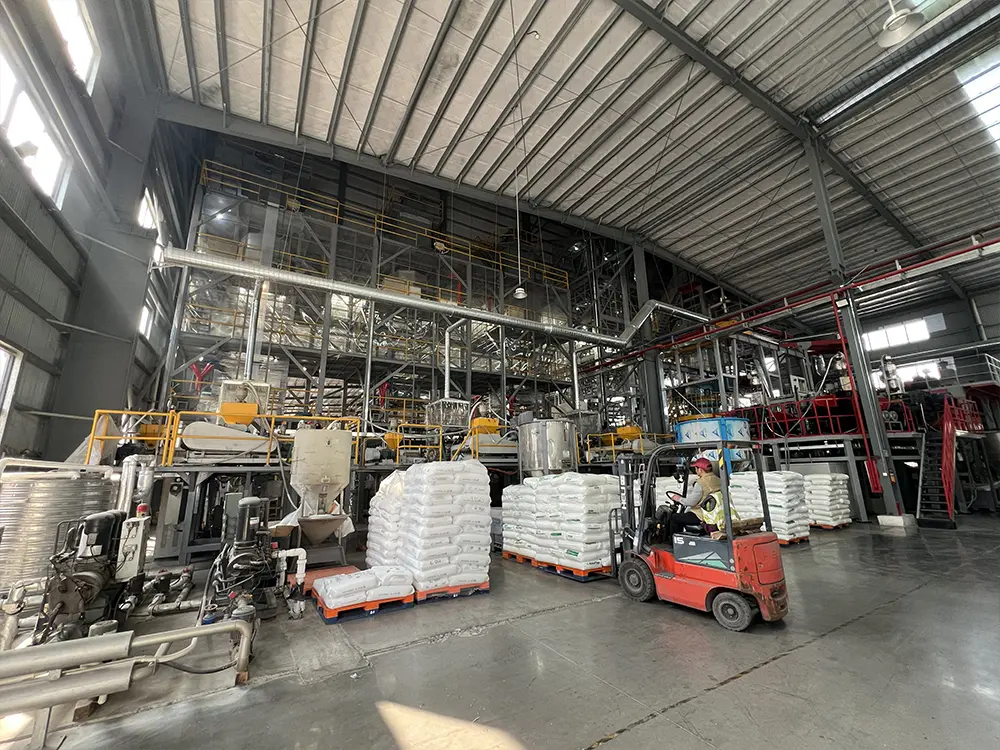
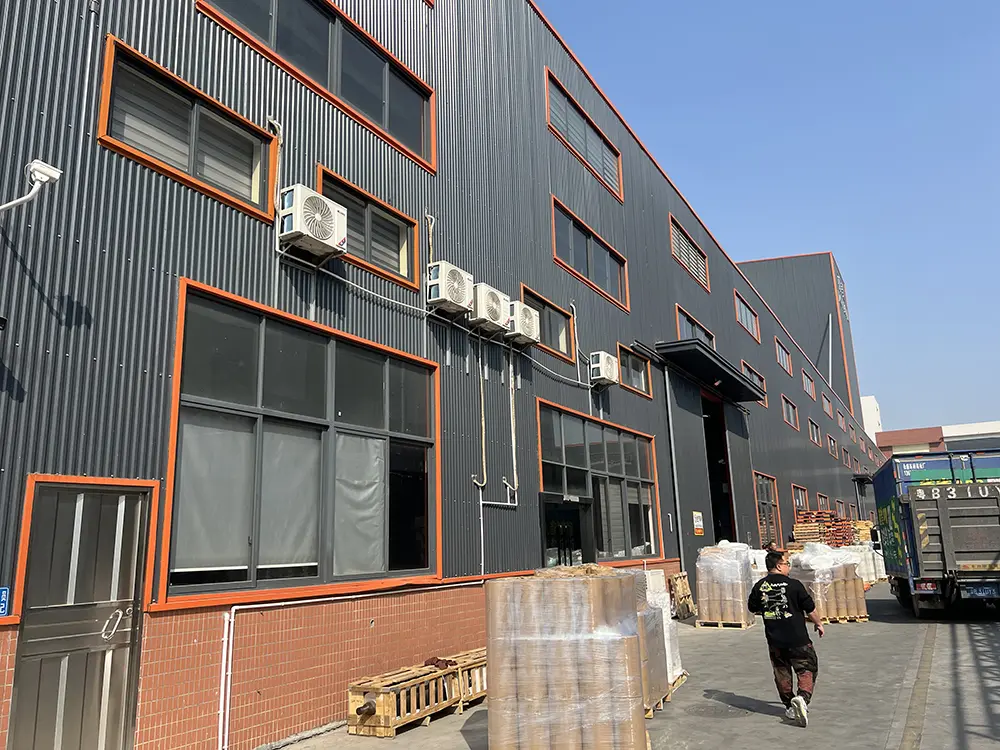
Zhongshan Tianchen New Materials Co., Ltd. is a comprehensive packaging material procurement platform founded on over 20 years of experience in the film packaging industry. Built on a deep understanding of polymer processing and client workflows, Tianchen is dedicated to resource integration and providing optimized solutions for diverse flexible packaging requirements.
In a competitive global marketplace, Tianchen stands out as a reliable and experienced partner. Whether you require eco-friendly heat shrink films, specialized barrier lamination substrates, or durable labels, our team is equipped to deliver quality-assured products tailored to your needs.
At Tianchen, quality control is central to our production process. Our dedicated production, R&D, and sales teams implement a modern quality control system to ensure every roll meets strict physical and optical specifications.
This commitment to quality, combined with our large-scale production capabilities, has built long-term trust with our global clients. Our experienced professionals continuously work to innovate and improve our product offerings, helping you stay competitive in dynamic markets.
Common questions from converting lines, procurement managers, and packaging engineers answered by our technical team.
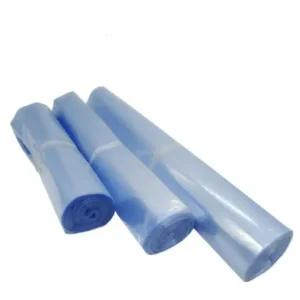
Explore our complete product catalog, featuring specialized PVC, POF, and OPP solutions.
 Tianchen Materials