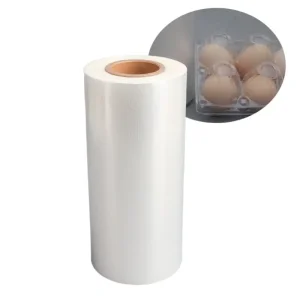
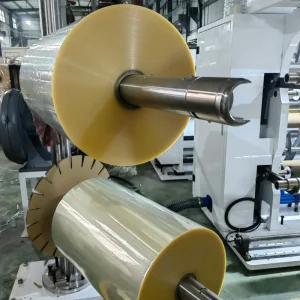
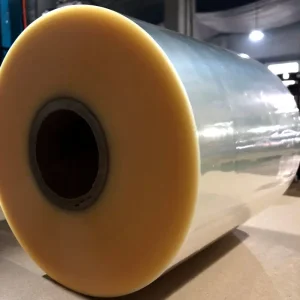
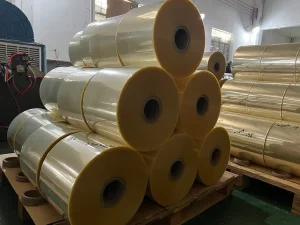
Explore our high-performance thermal shrink films, heat-sealable BOPP/OPP barriers, and specialized co-extruded packaging materials engineered for industrial efficacy and superior optics.
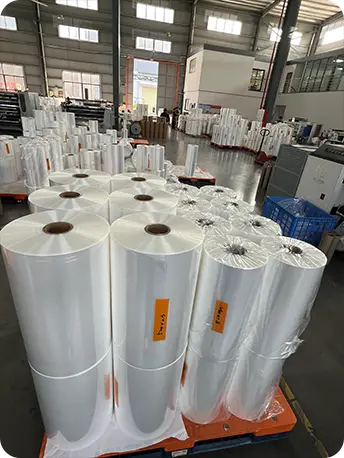
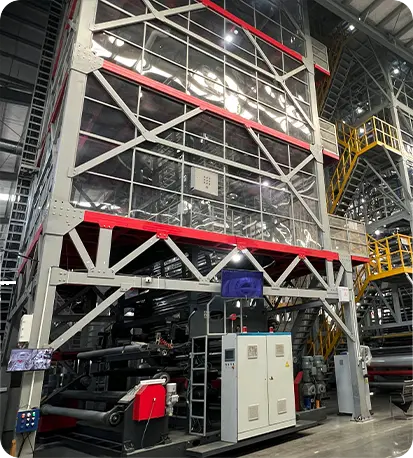
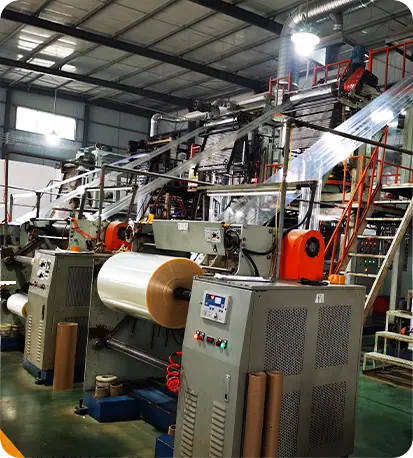
Your One-Stop Packaging Material Procurement Platform.
With more than 20 years of experience in the film packaging industry, Zhongshan Tianchen New Materials Co., Ltd. acts as a comprehensive, integrated packaging procurement system. We address critical supply chain needs through strategic resource consolidation, ensuring our clients receive world-class materials at optimal pricing structures.
Our modern quality control protocols ensure that every roll of Biaxially Oriented Polypropylene (BOPP), POF, and PVC film aligns perfectly with global standards (FDA, RoHS, and ISO). Utilizing advanced testing apparatus, our teams check dyne level retention, optical haze, heat seal strength, and tensile modulus before any dispatch.
By leveraging large-scale, automated production facilities in China, we successfully match the high-volume requirements of international conglomerates and local distributors alike, remaining their most trusted packaging partner.
An in-depth look at global market trends, technical compositions, and mechanical advantages driving high-efficiency packaging configurations.
BOPP is a polymer film that has been stretched in both machine direction (MD) and transverse direction (TD). This biaxial orientation aligns the molecular chains of polypropylene, significantly enhancing its physical properties including tensile strength, impact resistance, optical clarity, gas/moisture barrier, and printability. As a result, BOPP has become the material of choice for flexible packaging, labeling, lamination, and adhesive applications worldwide.
The global BOPP film market is expanding at a robust CAGR, propelled by the massive growth in organized retail, processed food consumption, and consumer demands for longer shelf lives. Key attributes driving this expansion include:
As the epicenter of global chemical processing and polymer engineering, China provides structural manufacturing advantages that other regions cannot match. Zhongshan Tianchen New Materials Co., Ltd. capitalizes on these regional strengths to provide exceptional value:
| Property / Characteristic | Typical BOPP Value Range | Testing Standard Reference | Primary Industrial Benefit |
|---|---|---|---|
| Thickness Profile | 12 to 50 Microns (Customizable) | ASTM D374 | Enables optimal material-saving structures |
| Tensile Strength (MD) | 120 - 150 MPa | ASTM D882 | Withstands high-speed packaging machine tensions |
| Tensile Strength (TD) | 220 - 280 MPa | ASTM D882 | Ensures dimensional stability during lamination |
| Elongation at Break (MD) | 150% - 180% | ASTM D882 | Resists tearing under dynamic shipping loads |
| Haze (Optical Clarity) | < 1.5% | ASTM D1003 | Maximizes product visibility on retail shelves |
| Dyne Level (Corona Treatment) | 38 - 42 mN/m (Treatment Side) | ASTM D2578 | Secures long-term ink adhesion and laminate bonding |
BOPP is not a one-size-fits-all product. We formulate variations customized for targeted industrial settings and performance requirements.
Widely integrated as the printing or sealable web in multi-layer laminates. Ideal for snack food, confectionery, bakery goods, and pet food bags where low moisture transmission is mandatory.
Due to its high tensile strength and flat lay-flat properties, BOPP acts as the primary backing film for carton sealing tapes, pressure-sensitive labels, and protective masking films.
Utilized for cable insulation wrapping, flower sleeves, textile packaging, and book cover thermal laminations. Provides superior abrasion resistance and surface protection.
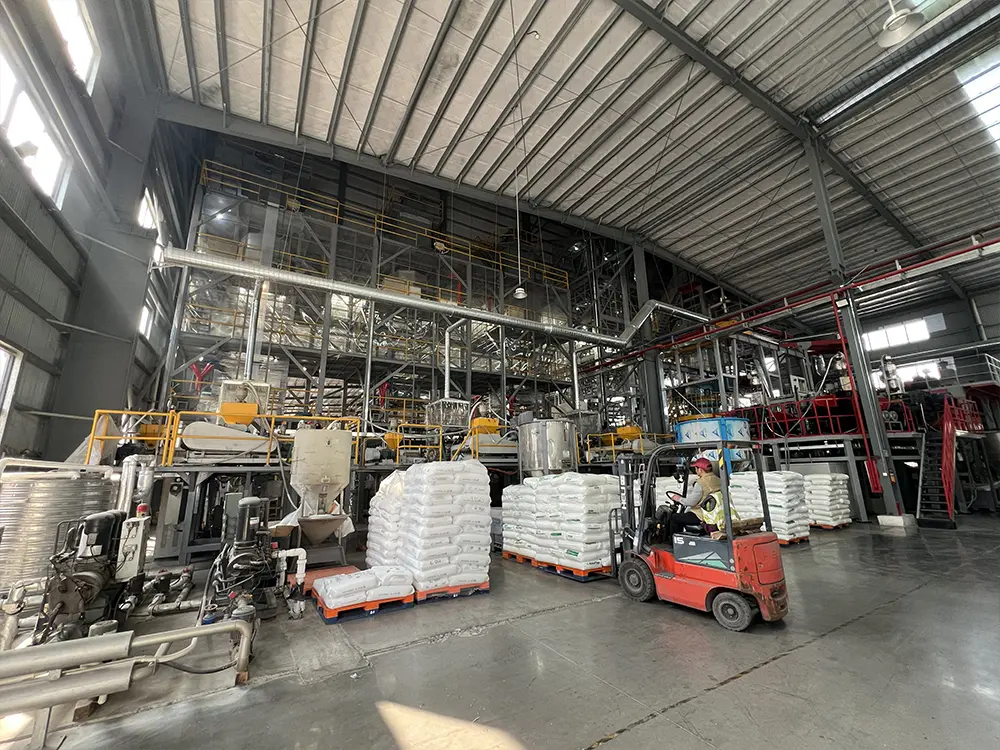
Our manufacturing workflow features automated optical inspection sensors that instantly detect micro-defects, pinholes, or fluctuations in film thickness to guarantee roll-to-roll consistency.
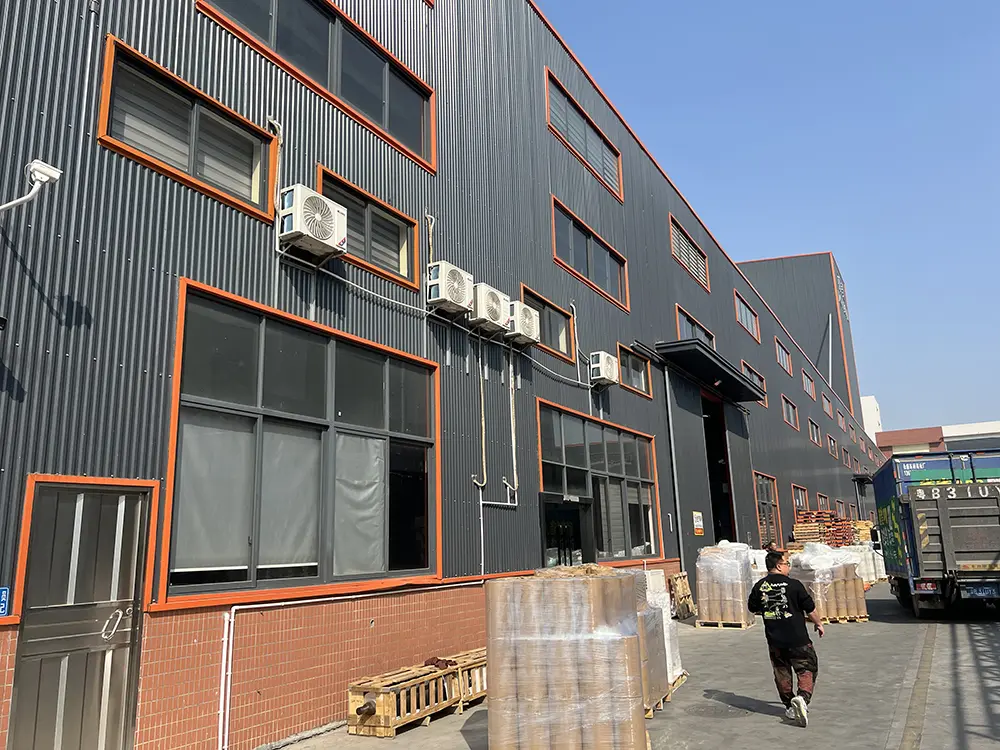
We maintain an optimized warehouse supply network and coordinate with leading global ocean carriers, assuring safe transit, humidity-controlled container packing, and on-time international delivery.
Two decades of field-proven excellence translating into high-efficiency packaging outcomes for global distributors.
As global demands shift toward sustainability and circular economics, the BOPP industry is rapidly pivoting.
Moving away from complex multi-polymer structures (such as PET/PE or PET/PP), brands are designing all-PP structures (BOPP/CPP) to ensure full recyclability under modern global waste collection programs.
Post-consumer recycled (PCR) resin incorporation is scaling. R&D focuses on retaining tensile and optical clarity when blending PCR polymers into core film layers, helping enterprises achieve carbon-neutrality targets.
Development of thin oxide coatings (AlOx/SiOx) on BOPP to bypass the use of aluminum foils. This matches high-barrier metrics while keeping packaging lightweight and metal-detector friendly on packaging lines.
Integration of active packaging additives like antimicrobial agents and oxygen scavengers directly inside the co-extruded layers to actively extend fresh food shelf-lives and limit food waste.
Essential technical and structural guidelines to assist global procurement managers in optimizing their film supply chains.
OPP (Oriented Polypropylene): Often used as a general term. It refers to polypropylene stretched in one or both directions.
BOPP (Biaxially Oriented Polypropylene): Stretched in two directions (transverse and longitudinal), delivering high tensile strength, stiffness, and clarity.
CPP (Cast Polypropylene): Unoriented film, which offers outstanding heat seal strength, high puncture resistance, and flexibility, but lacks the high clarity and tensile strength of BOPP. Often laminated with BOPP.
Polypropylene is a chemically inert material with low surface energy. For inks, coatings, or laminating adhesives to wet out and adhere properly, the film surface must undergo Corona or Flame treatment to raise its surface tension (measured in dyne/cm). We ensure our films leave the factory at a minimum of 38-42 dynes. However, dyne levels naturally decay over time depending on temperature and humidity conditions; hence, timely usage or inline re-treatment is recommended for premium printing results.
Our manufacturing partners utilize automatic profile control systems with beta-gauge scanners to monitor and adjust thickness variations dynamically across the web. For slitting and winding, tension control systems prevent issues like telescoping, wrinkles, or blocked rolls, ensuring smooth feeding on your high-speed printing or packing lines.
Yes. Our food-grade BOPP films are manufactured using 100% virgin PP resins that comply fully with FDA, EU 10/2011, and GB regulations for direct food contact. They are free from heavy metals, phthalates, and bisphenols (BPA), making them highly safe for packing bakery items, fresh fruits, vegetables, and snacks.
Standard specifications typically carry an MOQ of 1 to 3 tons per size. Custom formulations (special high-barrier properties, special heat-seal ranges, custom widths) generally require an MOQ of 5 tons. Production lead times average 15-20 days from order confirmation and deposit receipt, with transit times varying depending on target destinations.
BOPP films should be stored in their original packaging in a clean, dry, and well-ventilated warehouse away from direct sunlight, heating sources, and extreme moisture. Recommended storage temperatures range between 15°C to 30°C with relative humidity below 60%. We recommend utilizing films within 6 months of delivery to ensure optimal surface treatment performance.
Explore more specialized products, from printing-grade PVC labels to custom printed POF and heat-sealable high-barrier rollstocks.
 Tianchen Materials