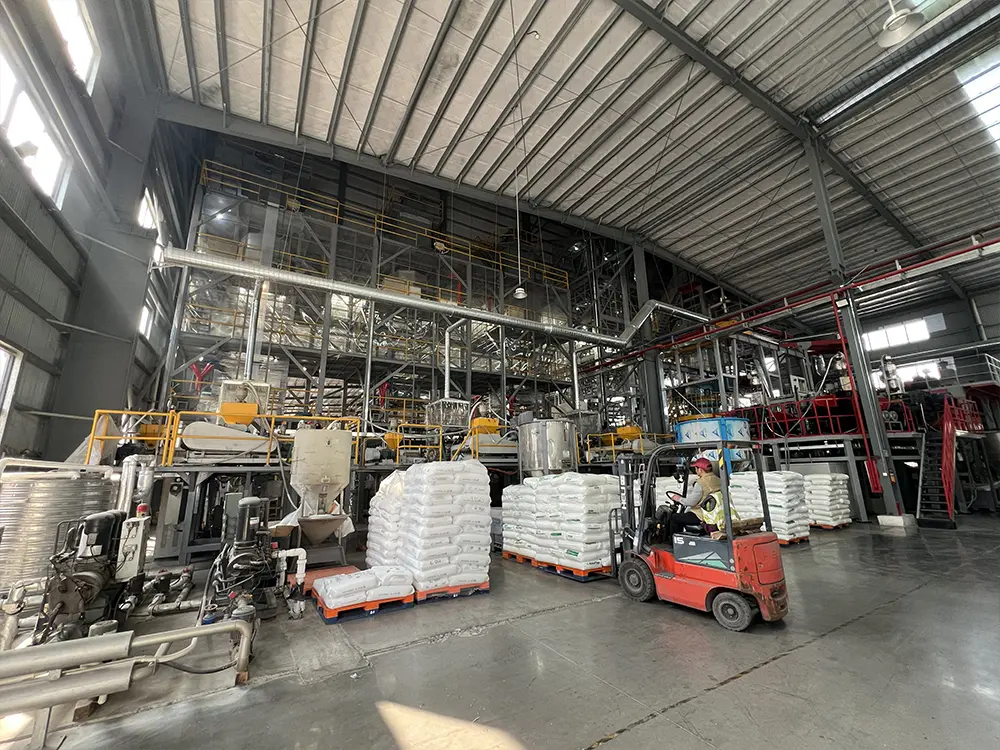
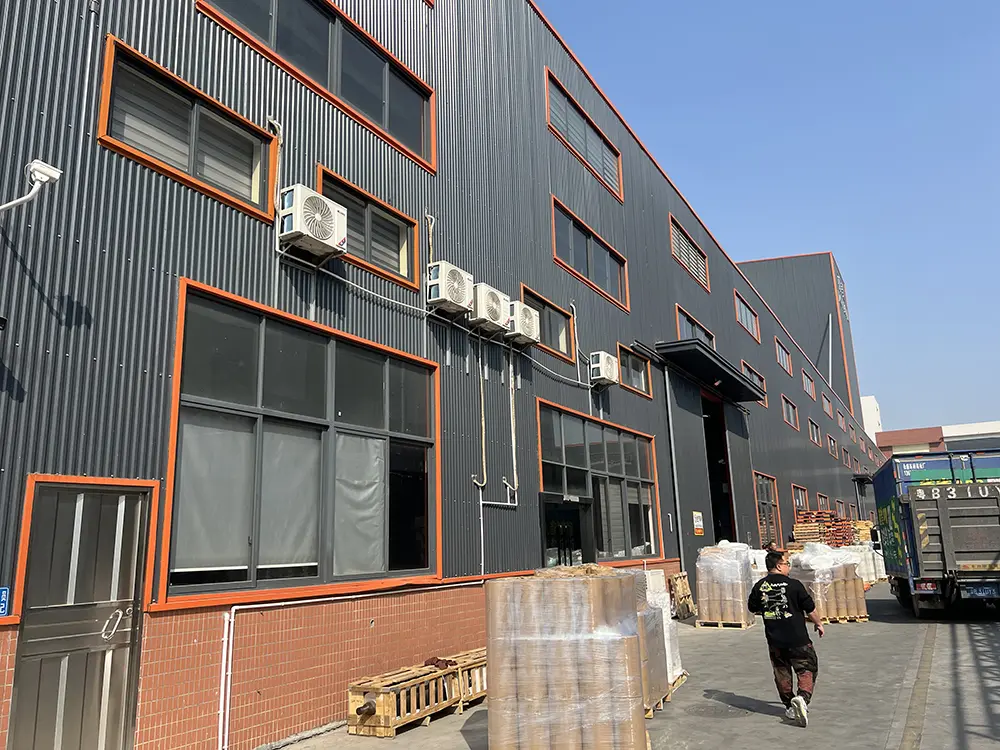
Engineered for seamless integration into high-capacity automation lines and harsh sub-zero Canadian supply chain environments.
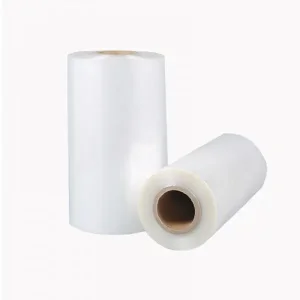
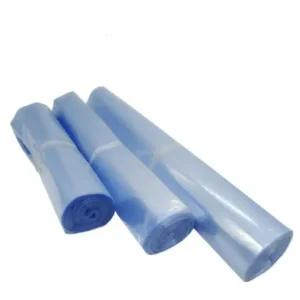
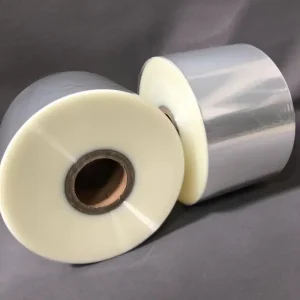
The Greater Toronto Area (GTA), including critical industrial nodes such as Mississauga, Brampton, Vaughan, and Milton, serves as Canada's primary logistical and distribution heartland. Operating at the intersection of international shipping lanes and transcontinental rail networks, local industrial systems require wrapping materials that withstand the volatile climate conditions of Southern Ontario.
During seasonal winter shifts, temperatures drop drastically, exposing wrapped pallet loads to structural failure due to film brittleness. Conversely, hot summer transport conditions run the risk of premature film relaxation. As one of the prominent global suppliers of high-performance polyethylene shrink films, our technical efforts center around optimizing molecular configurations of Linear Low-Density Polyethylene (LLDPE) combined with Low-Density Polyethylene (LDPE) resins. This ensures consistent holding force, tear resistance, and stable contraction ratios under ambient shifts from -30°C to +40°C.
The international packaging sector is undergoing a massive shift towards downgauging—reducing film thickness while retaining or increasing tensile performance. Historically, securing heavy beverage cases required 60 to 80-micron films. With advanced multi-layer co-extrusion technology, we can manufacture high-tensile 45-micron films that deliver identical puncture resistance and load stabilization.
Downgauging benefits global and local businesses alike by minimizing raw material usage, decreasing carbon footprints, and directly lowering Extended Producer Responsibility (EPR) compliance costs in Ontario. By utilizing multi-layer structures (3-layer and 5-layer co-extrusion processes), our structural films deliver high machine-direction (MD) shrinkage and targeted cross-direction (CD) balance to secure heavy beverage packages, metal cans, and bulky building supplies.
For Toronto-based food processing, beverage bottling, and pharmaceutical packaging companies, compliance is non-negotiable. Our raw materials are selected in alignment with international guidelines:
To help procurement managers in Toronto select the appropriate material path, our technical engineers have compiled this reference matrix comparing modern industrial polymers:
| Polymer Compound | Tensile Strength (MPa) | Optimal Heat Shrink Temp range | Puncture Resistance (J) | Primary Application Area |
|---|---|---|---|---|
| Low-Density Polyethylene (LDPE) | 15 - 20 | 160°C - 180°C | High (Bulk/Heavy) | Beverage collation packs, canned goods, heavy building materials. |
| Polyolefin (POF) | 30 - 45 | 120°C - 150°C | Very High (Thin Profile) | Retail packaging, cosmetic bundles, high-clarity consumer products. |
| Polyvinyl Chloride (PVC) | 10 - 15 | 90°C - 120°C | Medium (Brittle) | Tamper-evident neck bands, retail cosmetics, artisanal goods. |
Under Ontario’s transitioning circular economy, manufacturers are incentivized to utilize Post-Consumer Recycled (PCR) resin content. Our R&D division is continuously optimizing PE films containing up to 30%-50% PCR content without sacrificing optical clarity or mechanical stretch thresholds. This allows logistics hubs in Toronto to meet their sustainability targets while retaining high-load stabilization on regional transit routes.
Our complete catalog engineered to meet diverse processing, containment, and brand presentation requirements in the Ontario market.
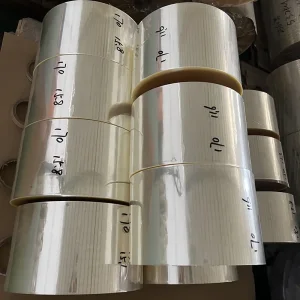
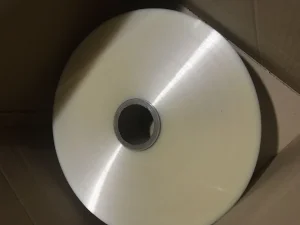
Expert answers on industrial polymer properties, customs pathways, shipping logistics to Toronto, and customization options.
 Tianchen Materials